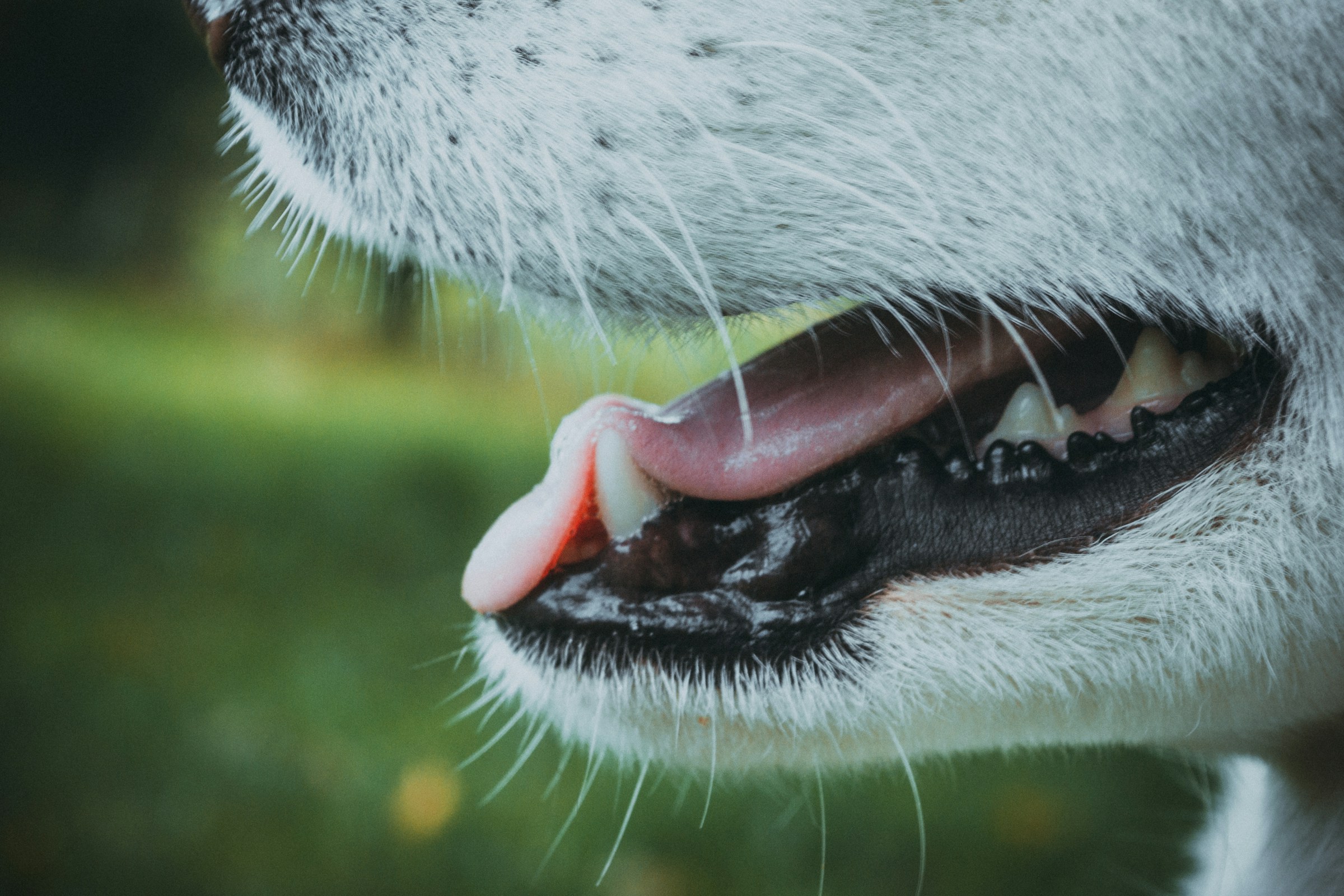

Most dog owners assume that a smelly mouth is simply the price you pay for having a dog. It’s become so normalized that “dog breath” is practically its own phrase. The truth, though, is more complicated and worth paying attention to.
Bad breath can absolutely come from poor dental hygiene. More often than not, it does. But vets consistently flag cases where the odor points to something happening deeper in the body, far from the gum line. Knowing the difference could genuinely matter for your dog’s health.
The Dental Reality: Why Teeth Are Still the Starting Point

Periodontal disease is the most common cause of halitosis in dogs and affects the majority of dogs by age three, according to the Merck Veterinary Manual. That’s a striking number, and it means most dogs are quietly dealing with some level of gum disease before they’ve even reached middle age.
The primary cause of bad breath in dogs is bad bacteria creating decay that produces smelly sulfur compounds. Volatile sulfur compounds may also play a role in periodontal disease, affecting the integrity of the tissue barrier and allowing endotoxins to produce periodontal destruction, endotoxemia, and bacteremia.
Too much plaque and tartar build-up can push the gums away from the teeth, exposing new areas for bacteria to develop. This not only inflames the dog’s gums but can lead to cavities, infection, tissue destruction, tooth loss, and even pus formation. So while teeth are the most common culprit, the downstream consequences go well beyond cosmetics.
When the Smell Isn’t “Doggy” Anymore: Reading the Odor
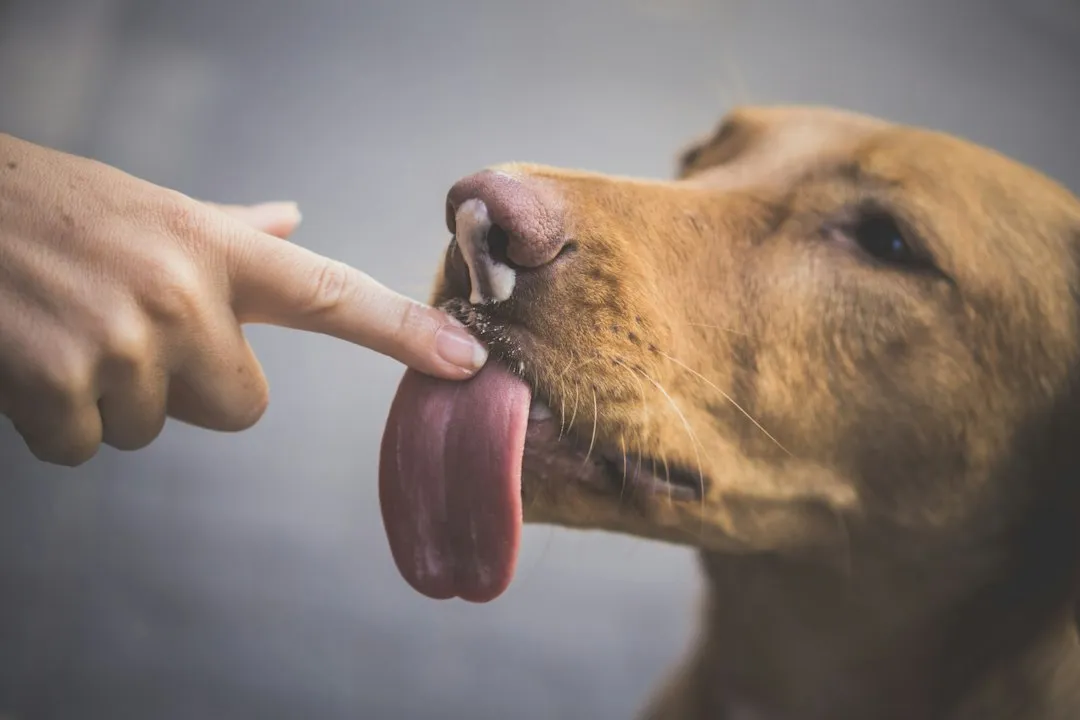
Each systemic disease can have a slightly different effect on the odor coming from your pet’s mouth. Dogs with diabetes tend to have slightly sweet-smelling breath, while kidney problems can trigger an ammonia-type smell.
A sweet or fruity odor suggests diabetic ketoacidosis, an ammonia-like breath points to kidney disease, and a musty smell may indicate liver disease. These are not random associations. They reflect specific chemical processes occurring inside the body that eventually express themselves through the lungs and mouth.
Occasionally the odor points to kidney, liver, or other systemic disease, and the smell itself can tell you which. That’s the kind of early diagnostic clue that vets rely on before bloodwork even comes back.
Kidney Disease: When the Body Can’t Filter Properly
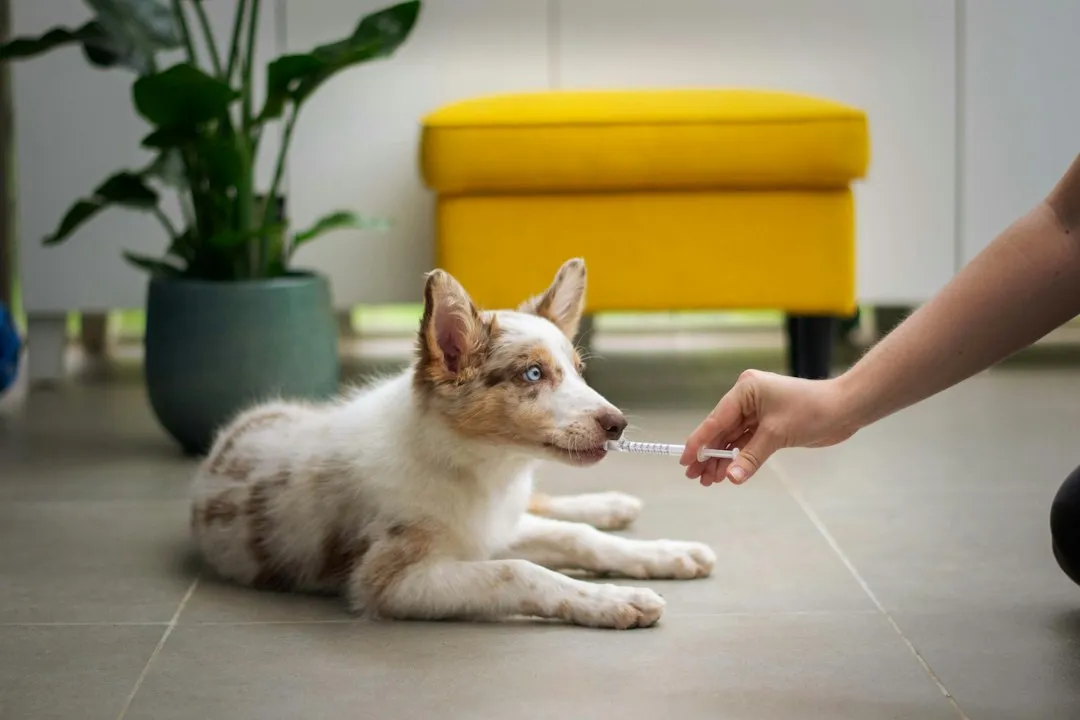
Chronic renal failure in dogs is characterized by polyuria, polydipsia, anorexia, diarrhea, weight loss, pallor of mucous membranes, oral ulceration, and halitosis. The halitosis in these cases has a particular quality that’s hard to miss.
A urine-like or ammonia smell may indicate kidney disease or kidney failure. This happens because the kidneys are no longer adequately clearing waste products from the blood, and those compounds eventually make their way into exhaled air.
Clinical signs such as polyuria, vomiting, diarrhea, and halitosis were more prevalent in cases with advanced kidney disease stages and were reported as troublesome by owners, according to a 2025 real-world study of dogs with chronic kidney disease. Mean age of chronic kidney disease diagnosis in dogs was 10.7 years.
Diabetes and the Sweet-Smelling Warning Sign

When diabetes becomes unregulated or untreated for long enough, the body starts breaking down fat, creating molecules called ketones. Dogs producing ketones secondary to diabetes may have an acetone or sweet smell to their breath.
Diabetic dogs may experience periods of halitosis when the diabetes is poorly controlled, which resolves when the condition comes back under control. That fluctuating quality to the breath is itself a useful indicator for owners and vets to track.
Dogs with diabetes often have other symptoms such as weight loss, changes in appetite, and increased thirst and urination. If your dog’s breath suddenly smells oddly sweet and those other signs are present, a vet visit shouldn’t wait.
Liver Disease: Toxins Find Their Way Out
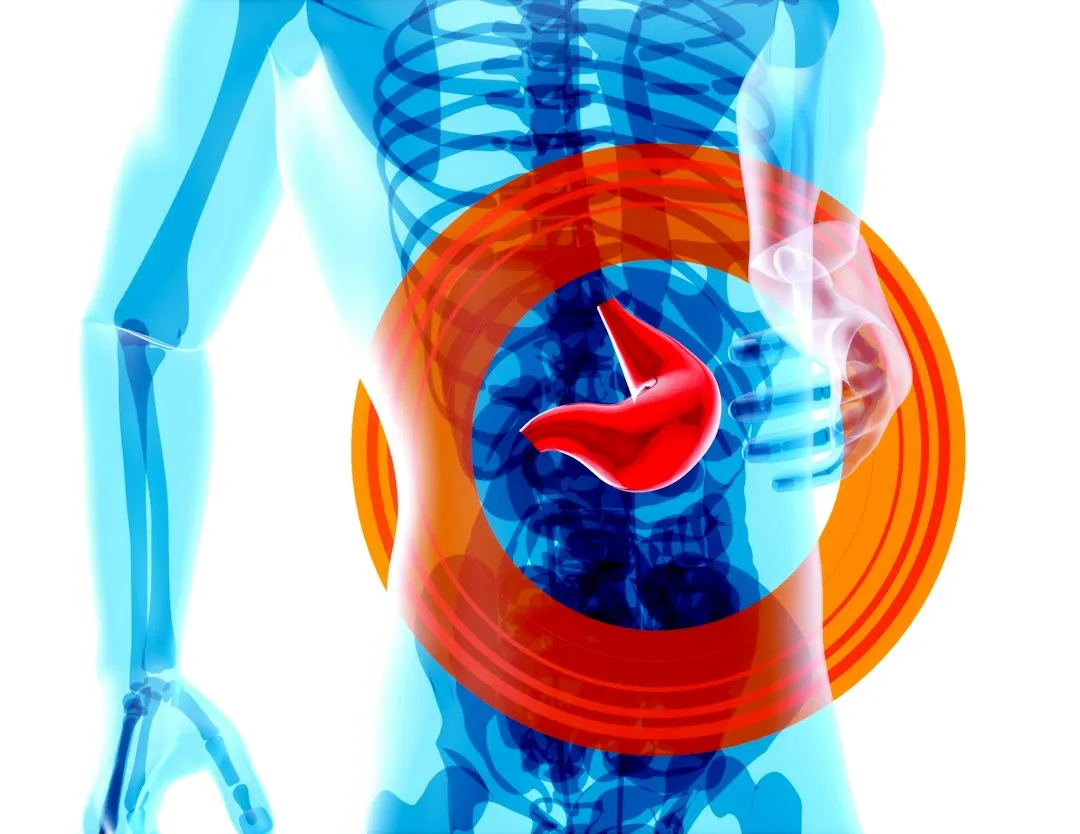
Liver disease can cause the breath to smell musty or like a dead animal. That’s because when the liver can no longer properly filter out toxins, stinky sulfur compounds such as thiols are released into the lungs.
The liver plays a critical role in detoxifying the body. When it isn’t working properly, toxins build up and can produce a distinctly foul odor on the breath. Dogs with liver disease may also show signs such as yellowing of the whites of the eyes or gums, vomiting, loss of appetite, and a swollen abdomen.
Other warning signs of liver disease can include vomiting, diarrhea, or a yellowish tint to the gums and eyes. When these signs cluster together with persistent bad breath, they form a pattern worth investigating urgently.
Oral Tumors: The Cause That’s Often Overlooked
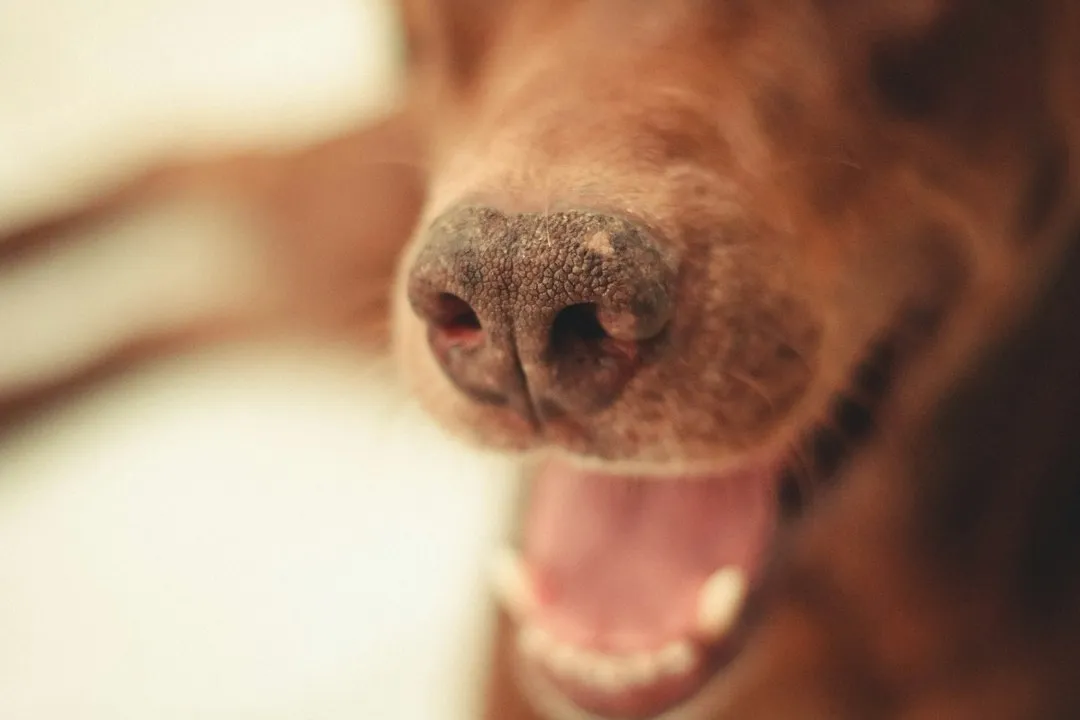
Oral tumors, whether benign or malignant, can cause bad breath due to tissue decay and infection in the affected area. These growths might also make it difficult for your dog to eat or chew normally.
Oral tumors can cause bad breath as the cells, which multiply at an extremely fast rate, often die as a result of lack of blood flow. This necrosis of the cells can smell like rotting vegetables.
Bad breath in dogs can be caused by an oral mass or tumor, and tissue that is dying or infected produces a very strong, often rot-like odor. If you notice a growth in your dog’s mouth, excessive pawing at the face, difficulty eating, or bleeding from the mouth, have your dog examined by a veterinarian promptly.
Gastrointestinal Issues: When the Gut Speaks Through the Mouth
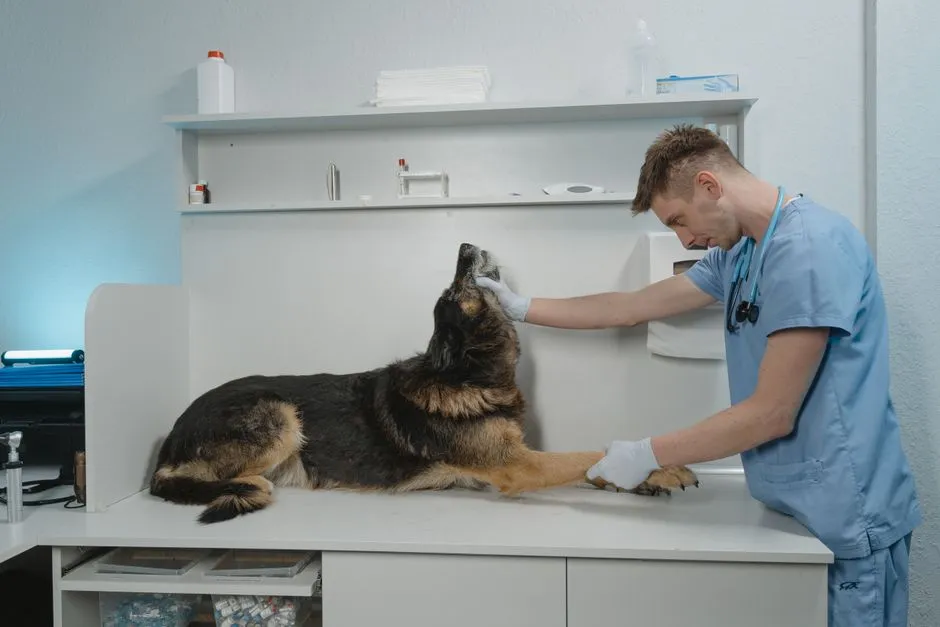
Bowel obstructions from foreign objects, acid reflux, and other gastrointestinal issues can manifest as bad breath. That’s because these health issues mean that bad-smelling gases associated with digestion don’t move in the right direction in the intestinal tract.
Gut dysbiosis can cause issues such as acid reflux, poor nutrient absorption, and gases from undigested food traveling up the esophagus, all of which can contribute to bad breath. It’s a reminder that the digestive tract is one continuous system, not a set of isolated compartments.
If bad breath is accompanied by other symptoms such as weight loss, vomiting, or changes in drinking and urination habits, it could indicate a systemic illness that requires veterinary attention. Gastrointestinal causes are often suspected only after dental causes are ruled out, which is why a thorough exam matters.
Breed and Age: Who’s More at Risk

Small breeds and those with flat noses, known as brachycephalic breeds, more often have periodontal disease, likely due to their anatomical predisposition. The nose and throat may also be sources of bad breath, especially if any co-existing disease is present.
Smaller dog breeds, older dogs, and breeds with short snouts are more prone to bad breath. For these dogs especially, regular oral assessments aren’t optional. They’re an important part of general health monitoring.
Almost all older animals have some stage of periodontal disease. Combine that with the increased likelihood of kidney or liver disease as dogs age, and it becomes clear why senior dogs deserve particularly close attention when their breath changes.
The Diagnostic Process: How Vets Actually Investigate
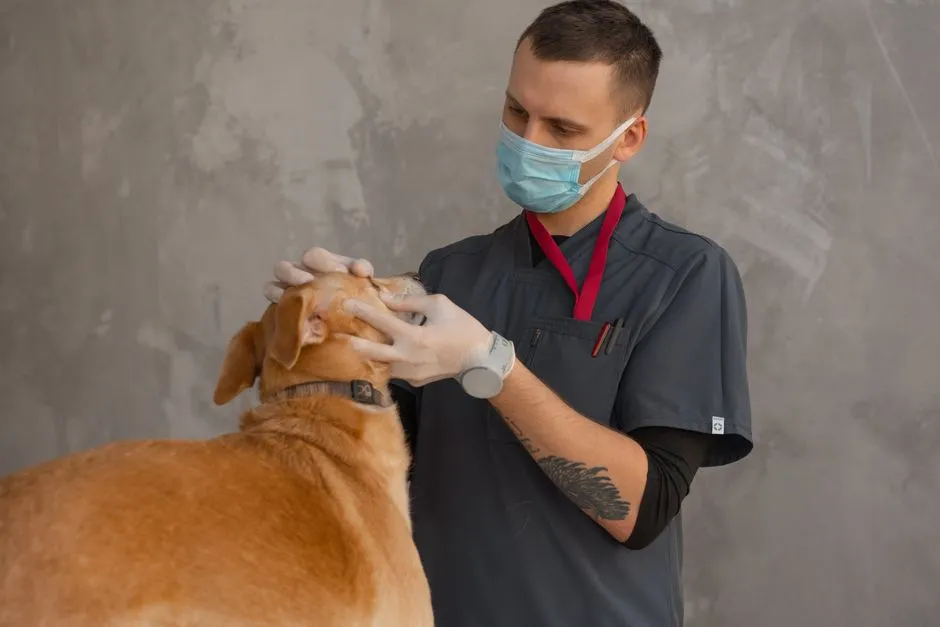
If the veterinarian feels that oral or dental disease may not be the sole cause of the bad breath, he or she will recommend additional tests such as blood or urine tests and procedures to rule out other possible causes.
A veterinarian will assess dental health, check for periodontal disease, and consider bloodwork to rule out kidney disease, liver disease, and diabetes, all of which can cause breath changes that dietary interventions cannot address.
As UC Davis Veterinary Medicine notes, if a dog has a healthy-looking mouth but persistent halitosis, non-dental disease must be ruled out rather than assuming dental origin. This is the key clinical insight: a clean-looking mouth does not automatically mean the mouth is the source of the problem.
Prevention and What You Can Actually Do
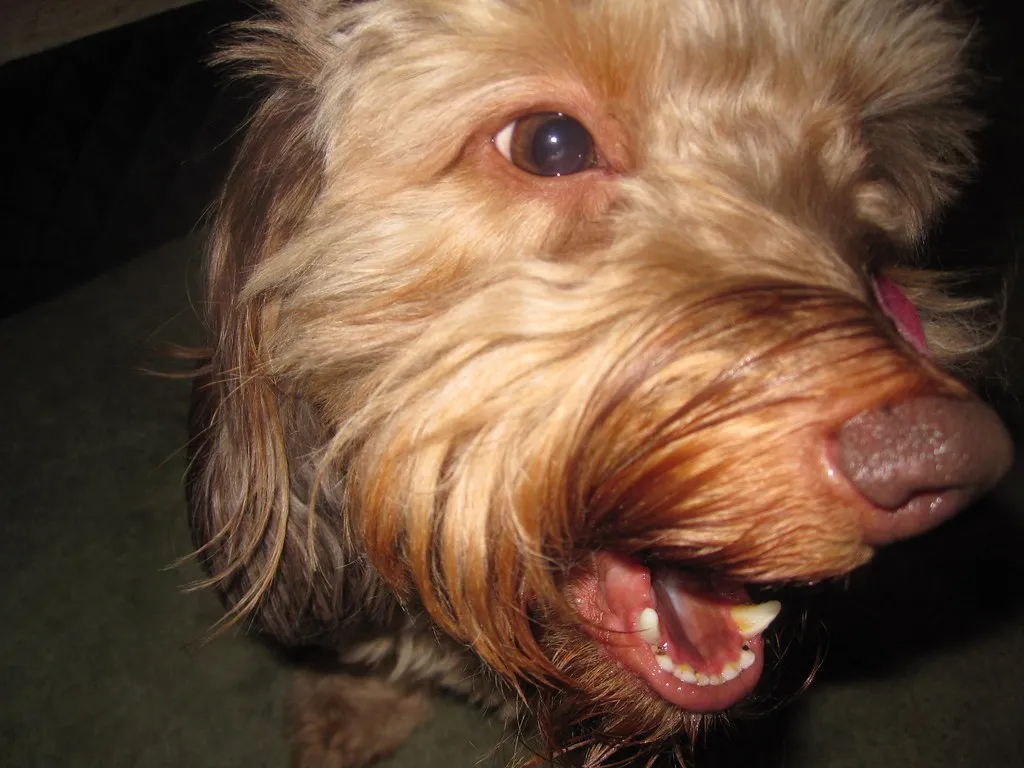
Daily tooth brushing is the gold standard to remove bacteria from the dental and other oral surfaces. Together with regular professional periodontal treatments, this will help prevent development of periodontal disease and bad breath.
A diet missing certain nutrients can interfere with your dog’s oral health. Research shows that dietary deficiencies in vitamin A, vitamin B2 (riboflavin), vitamin B3 (niacin), vitamin B5 (pantothenic acid), and vitamin B9 (folic acid) are associated with early signs of gum disease.
Be mindful of substances that could potentially harm your dog’s liver or kidneys, as certain human medications, houseplants, and foods can be toxic to pets. Keeping these items out of your dog’s reach minimizes the risk of organ disease or failure – and by extension, reduces one more potential source of breath problems.
The Takeaway

Bad breath in dogs is easy to dismiss as a minor inconvenience, part of the territory of pet ownership. Sometimes it is. But sometimes it’s the first signal your body ever gets that something more serious is underway inside your dog.
The smell itself carries information. Sweet and fruity means one thing; ammonia-like means another; musty or rot-like points somewhere else entirely. Learning to notice the quality of the odor, not just its presence, puts you in a much better position to advocate for your dog at the vet.
A dog can’t tell you when something feels wrong. What their breath smells like might be the closest thing to a message they can send.
AI Disclaimer: This article was created with the assistance of AI tools and reviewed by a human editor.