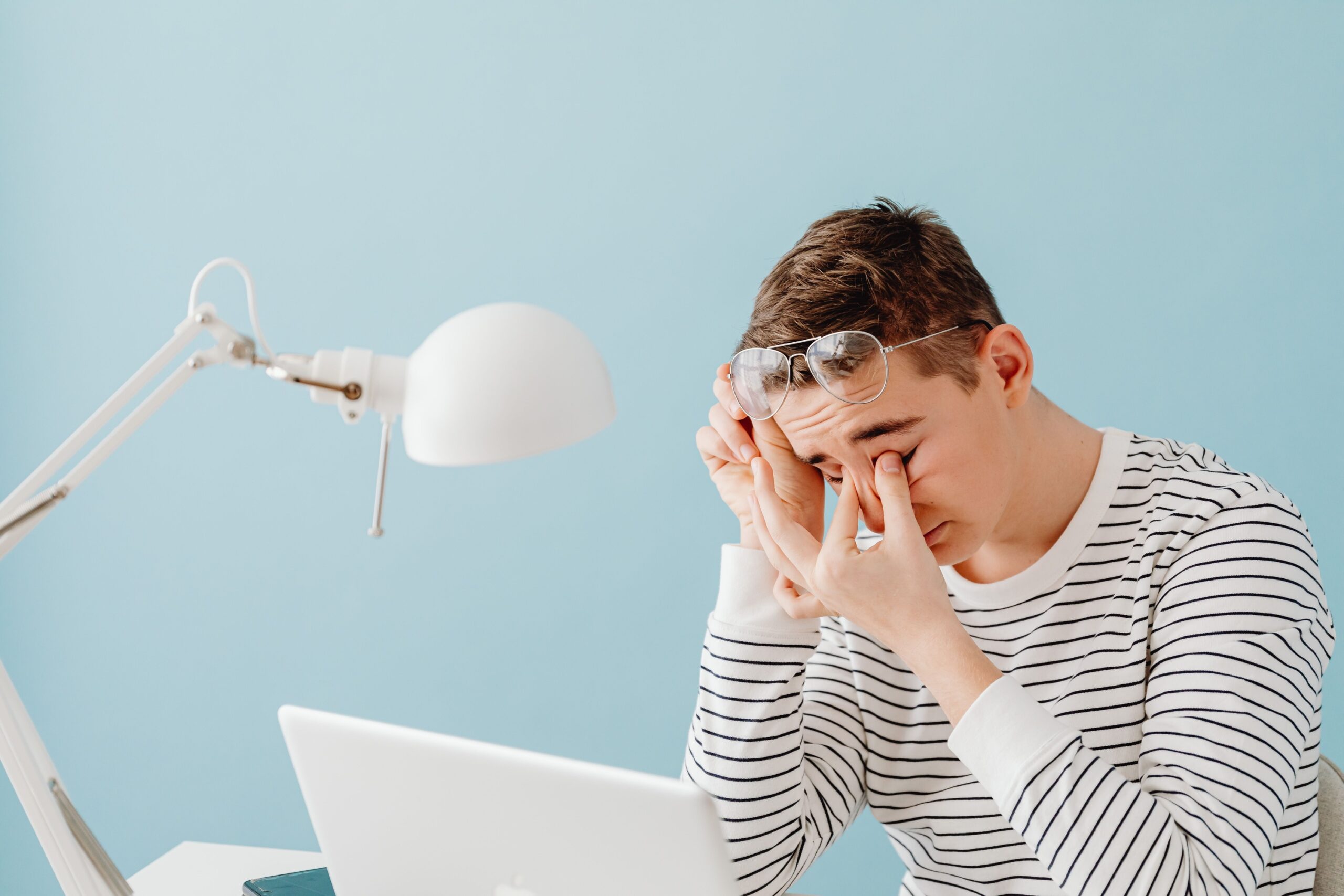

Most people take reasonably good care of their teeth, their skin, their hearts. Their eyes? Not so much. The habits that quietly harm vision tend to feel harmless in the moment, which is precisely what makes them so persistent. Eye doctors see the consequences of these habits every single day, and many of the conditions they treat could have been avoided entirely.
The good news is that most of the damage is preventable. The not-so-good news: some of the most common culprits are things people do without even thinking about them.
1. Rubbing Your Eyes
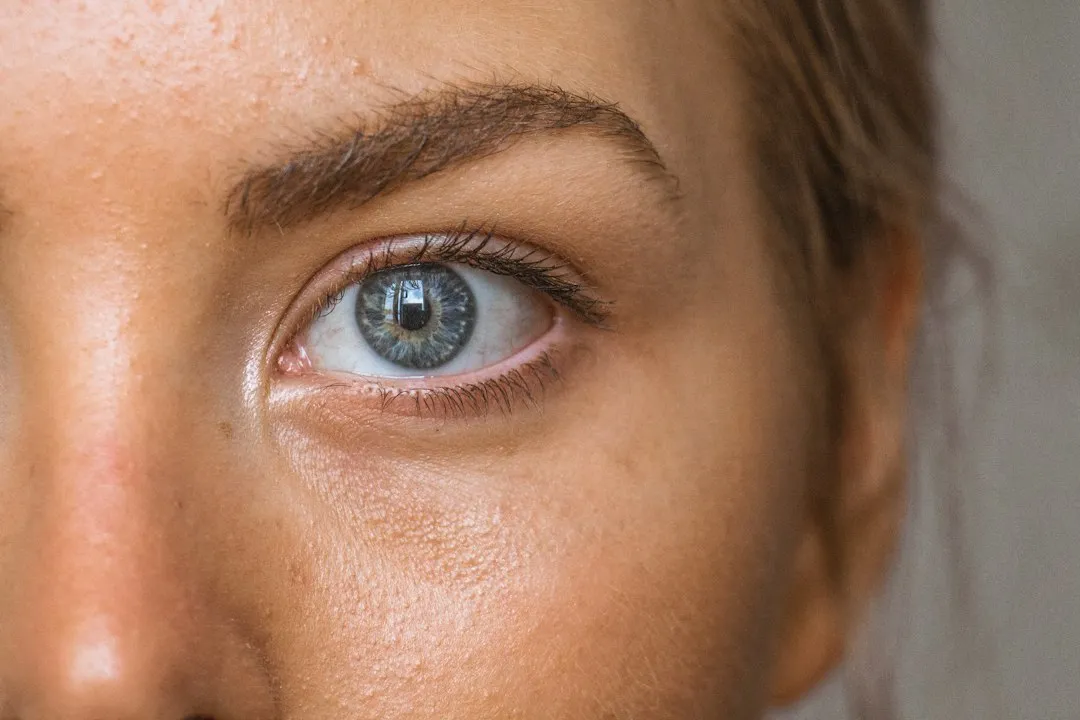
To patients, eye rubbing might seem innocuous, but to the ophthalmologist, it’s an action that can have sight-threatening consequences and is something that patients should be warned against. It feels satisfying in the moment, especially during allergy season or after a long day in front of a screen. That momentary relief, though, comes with a real cost.
Chronic eye rubbing can result in the weakening of the cornea and a distortion called keratoconus, where continuous rubbing causes the corneal tissue to thin and become more cone-shaped. If the damage is severe enough, a corneal transplant may be required.
Rubbing also raises concern for those with glaucoma. The condition is most often caused by an increase in intraocular pressure, which can damage the optic nerve, and research suggests that rubbing the eyes can increase that pressure further. If your eyes feel itchy or irritated, a safer response is to pause, blink, and use sterile, preservative-free lubricating eye drops instead of rubbing with your fingers.
2. Sleeping in Contact Lenses
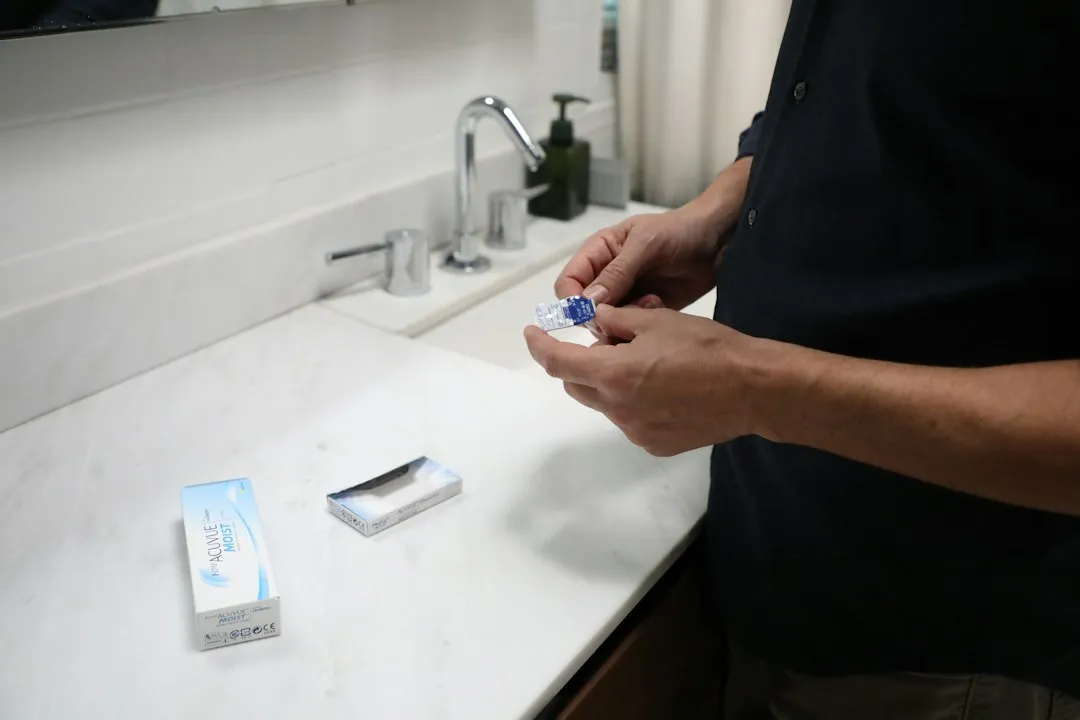
Eye doctors are clear on this one: sleeping in contact lenses carries a serious risk of painful eye infections and cornea damage, unless the lenses have specific FDA approval for extended wear. It’s a habit that many people admit to, often out of sheer exhaustion or forgetfulness.
Sleeping in contacts allows microbes and bacteria from the lens to multiply overnight. This can lead to complications such as a corneal ulcer, which can be vision-threatening and may ultimately require a corneal transplant.
Experts from the American Academy of Ophthalmology also recommend taking contacts off when showering and swimming, to avoid a potentially blinding eye infection. The risk isn’t theoretical. In 2023, actress Tori Spelling was in the news after leaving her contacts in for 20 days and developing an ulcer that required treatment with antibiotic drops, which eye doctors cited as a clear example of why proper lens hygiene is so critical.
3. Skipping Sunglasses
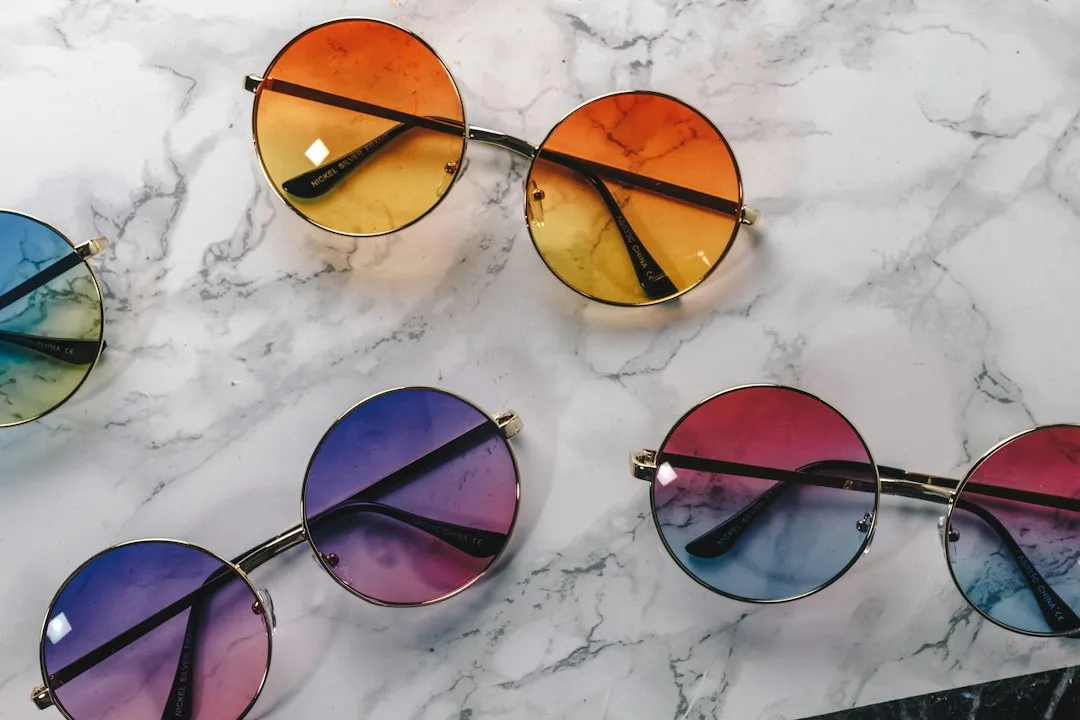
Sunglasses often feel like a fashion choice more than a medical one. In reality, they’re one of the most important tools you have for long-term eye health. Chronic UV exposure increases the risk for eye diseases including cataracts, diabetic retinopathy, and age-related macular degeneration.
Many people don’t realize just how strong UV rays are, even when the weather is chilly and overcast. Wearing sunglasses or sport goggles is an important part of both eye and sun protection year-round. The damage accumulates over years, not days, which is why it’s easy to underestimate.
According to the American Academy of Ophthalmology, more than nine out of ten eye injuries can be avoided by wearing proper eye protection. That figure covers more than just sunlight: sports, outdoor work, and harsh environments all factor in. A good pair of UV-blocking sunglasses addresses several of those risks at once.
4. Smoking and Vaping

Smoking and vaping rank among the worst activities one can engage in for eye health. There are severe diseases that destroy irreplaceable parts of the eye, such as the retina, which occur far more often in people who smoke. The connection is well-established and consistent across decades of research.
Smoking is also associated with increased rates of cataract formation, which leads to a clouding of the lens and often requires surgery to remove. It increases the chances of developing other serious eye diseases as well. The damage isn’t reversible once it sets in, which makes quitting sooner rather than later genuinely consequential for vision.
Vaping carries similar risks to smoking when it comes to the eyes, and its effects are still being studied. What ophthalmologists agree on is that inhaling any kind of toxic substance affects the vascular system, including the delicate blood vessels that feed the retina and optic nerve. That’s not a gamble worth taking.
5. Ignoring Digital Eye Strain
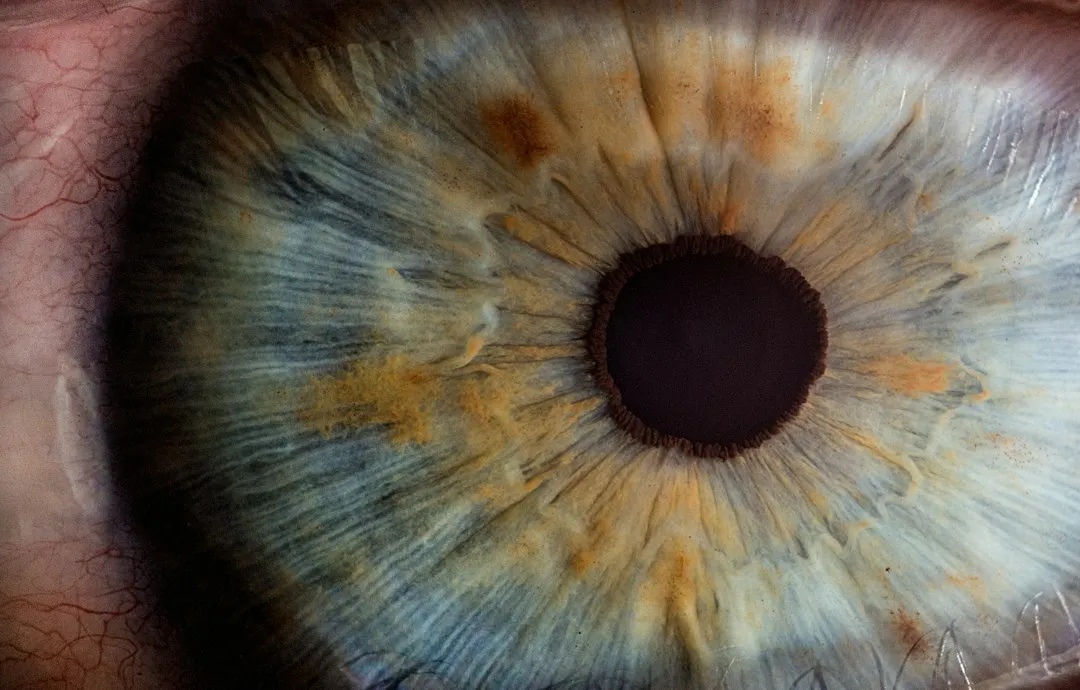
Roughly two thirds of the U.S. population reports symptoms of digital eye strain tied directly to prolonged screen usage. Given that the average U.S. adult spends more than seven hours per day on screens, with many workers and students well exceeding that threshold, this number shouldn’t be surprising. What is surprising is how few people actively do anything about it.
When people look at a phone, laptop, or book too closely for an extended period, it can increase the risk of myopia in young people and cause eyestrain for people of all ages. A 2025 dose-response meta-analysis published in JAMA Network Open, covering 34 studies with over 314,000 participants, found higher odds of myopia with increasing screen time, ranging from one hour of daily exposure up to four hours or more.
Eye doctors recommend following the “20-20-20 Rule” for preventing and relieving digital eye strain: take a 20-second break every 20 minutes to look at something 20 feet away. When people concentrate on a screen, they tend not to blink as often, which adds to the problem. Making a conscious effort to blink fully and regularly helps maintain proper eye lubrication throughout the day.
6. Skipping Routine Eye Exams
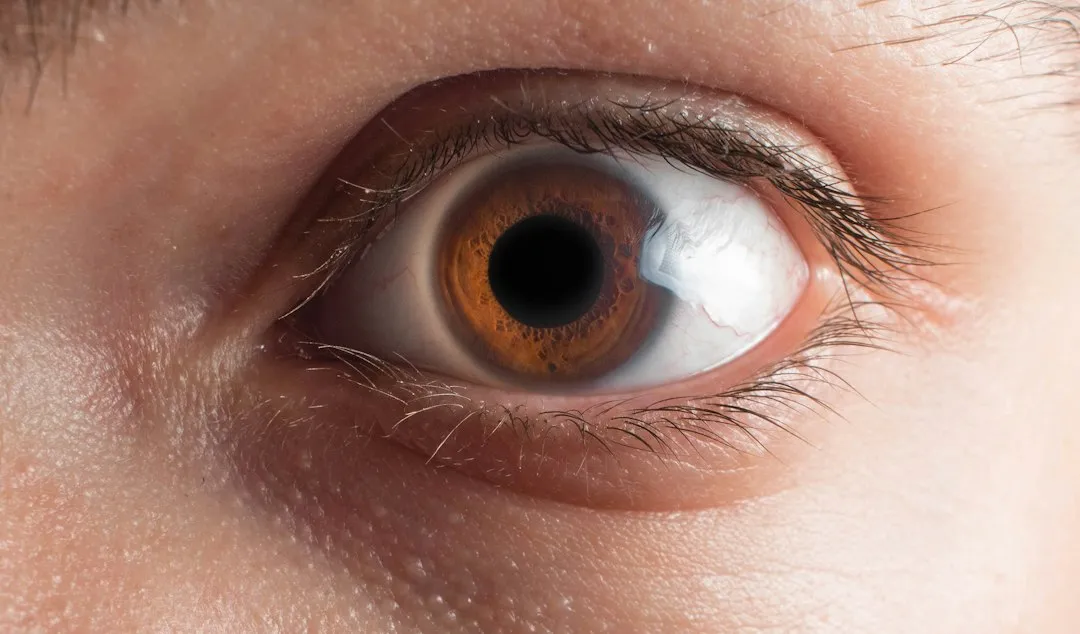
Many eye diseases begin without any symptoms at all, which is precisely why a dilated eye exam is so important. An ophthalmologist is able to spot eye diseases early, when treatment is most effective, simply by looking into your eye. By the time most people notice something is wrong, the disease has often already progressed.
The American Academy of Ophthalmology recommends that all healthy adults get a baseline eye exam before the age of 40. After that, regular screenings become even more important, as the risk of conditions like glaucoma, macular degeneration, and diabetic retinopathy increases with age. It’s particularly critical to keep up with appointments, including dilated exams, if you have any condition that already puts your eye health at risk.
Skipping exams is one of those habits that feels harmless until it isn’t. The eye doctor’s office is where early-stage glaucoma gets caught, where a detaching retina gets flagged before it fully tears, and where systemic conditions like diabetes show up in the retinal blood vessels before a patient even knows something is wrong. It’s one of the more consequential appointments to keep.
The Takeaway
None of these six habits require dramatic lifestyle changes to address. Most of them cost nothing to fix: stop rubbing, take out your contacts before bed, wear your sunglasses, ditch the cigarettes, take a screen break, and see your eye doctor regularly. Simple on paper, genuinely protective in practice.
Vision is one of those things that people tend to appreciate most once it starts to slip. The habits above are worth breaking now, well before that conversation with a specialist becomes more complicated than it needs to be.
AI Disclaimer: This article was created with the assistance of AI tools and reviewed by a human editor.