

For most people, the morning routine runs on autopilot: coffee, toothbrush, out the door. It feels logical. You want to clear that coffee taste, freshen your breath, and start the day clean. The problem is that this sequence, repeated daily for years, may be quietly working against you in ways that don’t show up until real damage has already been done.
Dental professionals have been making this point consistently, and the science behind it is more nuanced than most people realize. It’s not about giving up coffee. It’s about understanding what happens inside your mouth in the minutes after that first sip.
Coffee Is More Acidic Than Most People Realize

Coffee sits around a pH of 4.8, well below the critical threshold of 5.5 for enamel demineralization. To put that in perspective, neutral water is pH 7, and when your mouth’s pH drops below 5.5, minerals leave enamel faster than saliva can replace them. That means every cup creates a short window of chemical vulnerability in your mouth.
Coffee’s acidity temporarily softens your tooth enamel, the protective outer layer of your teeth, and when you brush immediately after drinking coffee, you risk scrubbing away tiny particles of that softened enamel. The issue is not just the coffee itself. It’s the combination of acid exposure followed immediately by mechanical abrasion.
What Actually Happens to Enamel After You Drink Coffee
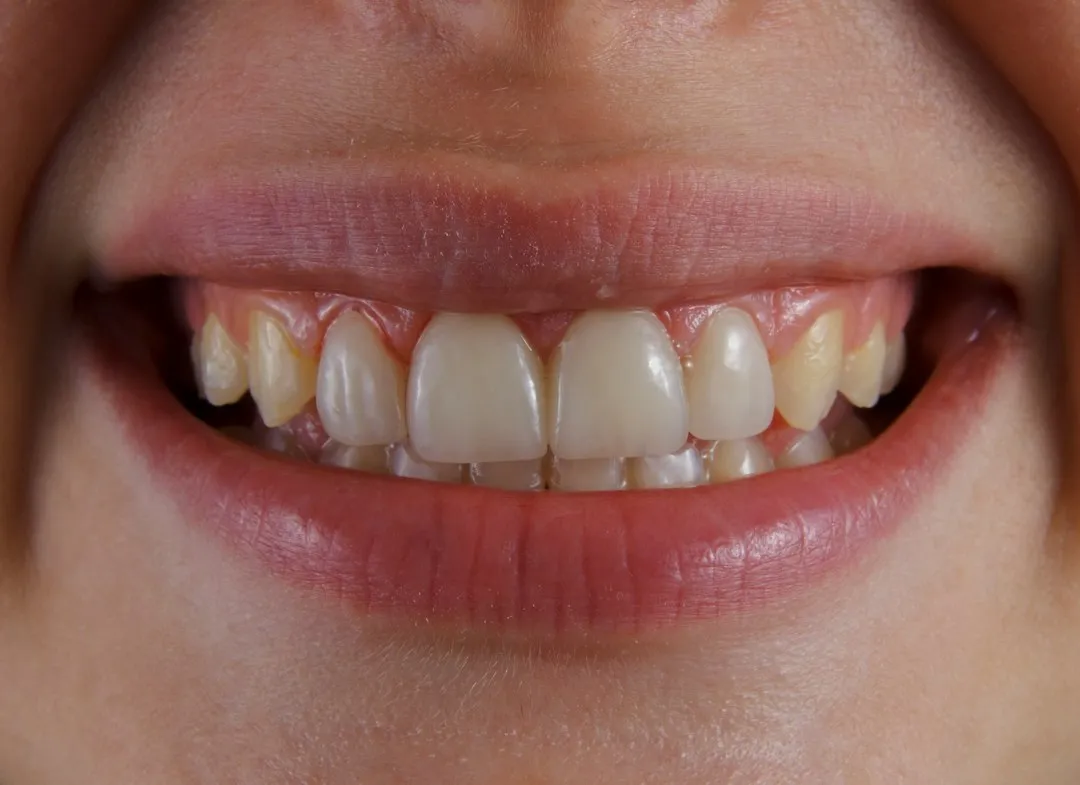
Superficial staining of teeth by coffee elicits demineralization by affecting the hydroxyapatite matrix, which is the mineral structure that gives enamel its hardness and durability. Research has shown that coffee can cause roughly an 8 to 9 percent loss of calcium and phosphate from enamel, indicating potential erosion.
Although coffee is acidic and can affect the surface of enamel, contributing to staining, recent research suggests that the effects may not be as extreme as those of other popular beverages. Still, that temporary softening window is exactly when brushing becomes most harmful. The mechanical friction of a toothbrush against weakened enamel is the real danger, not the coffee alone.
The 30-Minute Rule and Where It Comes From
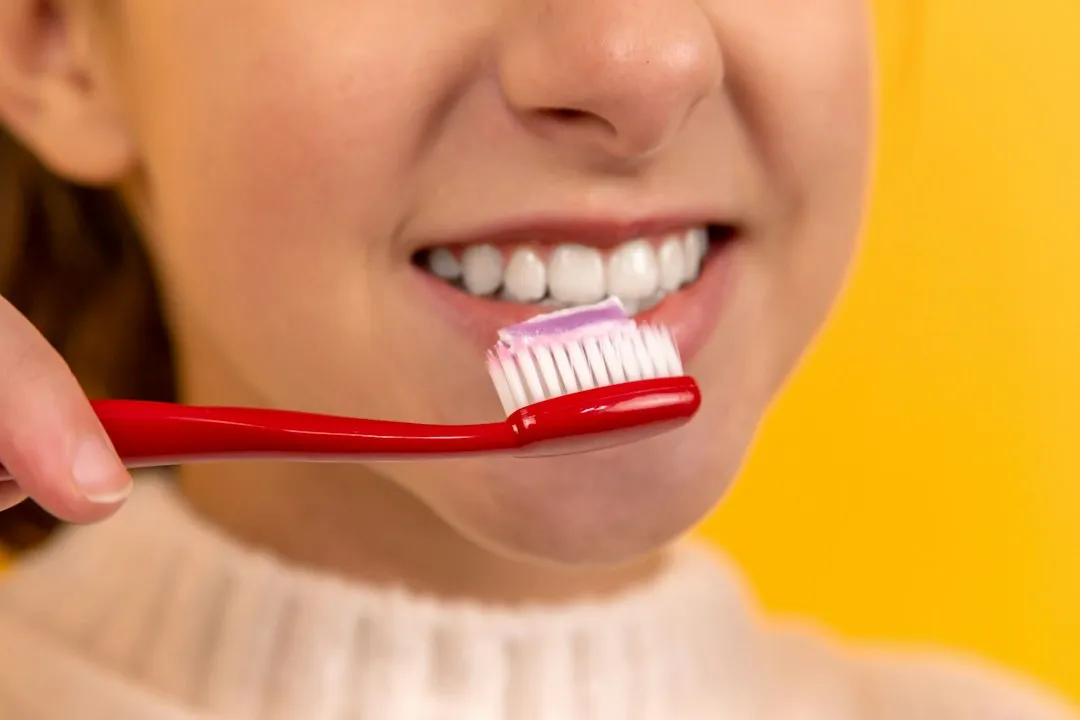
The American Dental Association recommends waiting 30 to 60 minutes after eating acidic foods before brushing. This recommendation exists because saliva needs time to do its job. Dentists often describe what happens after eating using the Stephan curve: mouth pH falls sharply within minutes of a sugar or acid exposure, then climbs back toward neutral over roughly 20 to 60 minutes as saliva does its work.
Research has suggested a waiting period of one hour before tooth brushing after an erosive challenge, which reduced toothbrush abrasion by approximately 24 percent, whereas a half-hour waiting period reduced abrasion by 13 percent. So the 30-minute guideline is a practical minimum, not a perfect ceiling. The longer you can wait, the better your enamel’s recovery.
Brushing Softened Enamel Increases Wear Significantly
Brushing immediately after drinking coffee is like scrubbing a softened nail. A study titled “Impact of brushing force on abrasion of acid-softened and sound enamel” warns that brushing softened enamel increases surface loss by 50 percent. That figure is worth sitting with for a moment. Roughly double the enamel loss, just from a timing mistake that takes seconds to fix.
Enamel doesn’t regenerate, so once it’s gone, it’s gone forever. This is the detail that turns what sounds like a minor routine tweak into something genuinely important for long-term oral health.
How Saliva Actually Repairs Your Enamel
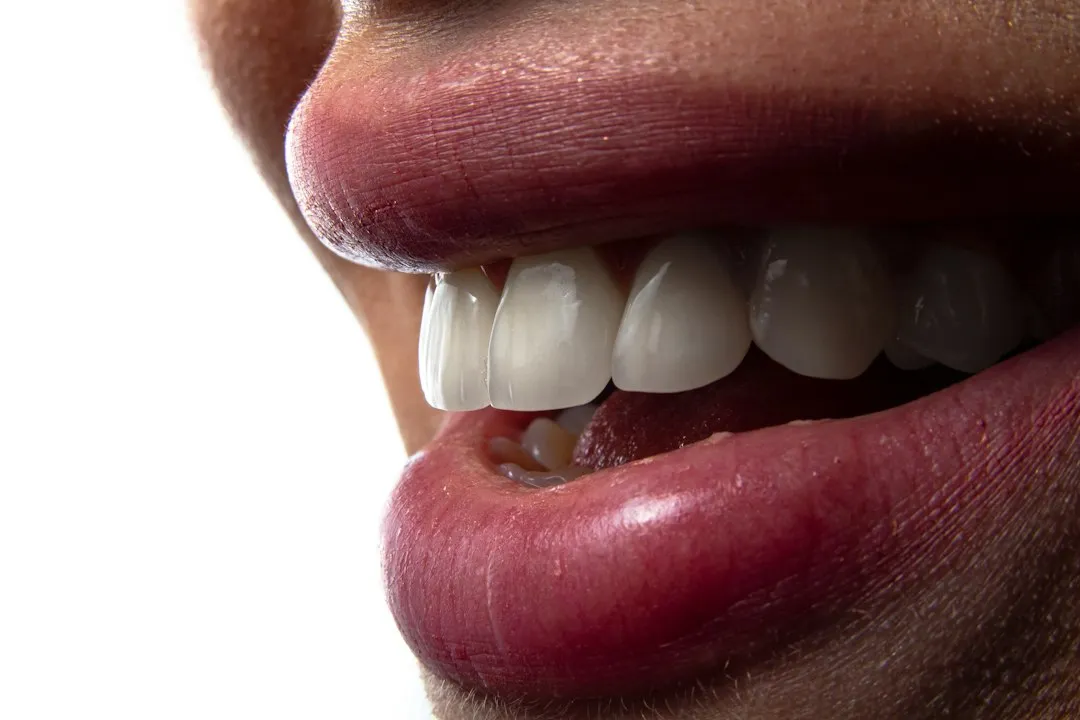
Saliva has a significant role in remineralization of dental enamel. It not only has a buffering capacity to neutralize the oral cavity’s low pH generated after acidic encounters, but also acts as a carrier of essential ions, such as fluoride, calcium, and phosphate, which have a positive role in enamel’s remineralization.
Tooth remineralization can begin within a few minutes after an acid attack ends, once saliva raises the pH around the enamel above the critical level of about 5.5. Studies have found tooth-surface pH can recover above this level in roughly 2 to 5 minutes, allowing calcium and phosphate from saliva to begin redepositing into weakened enamel. The catch is that brushing during this window interrupts the process entirely.
Why Brushing Before Coffee Is the Better Option
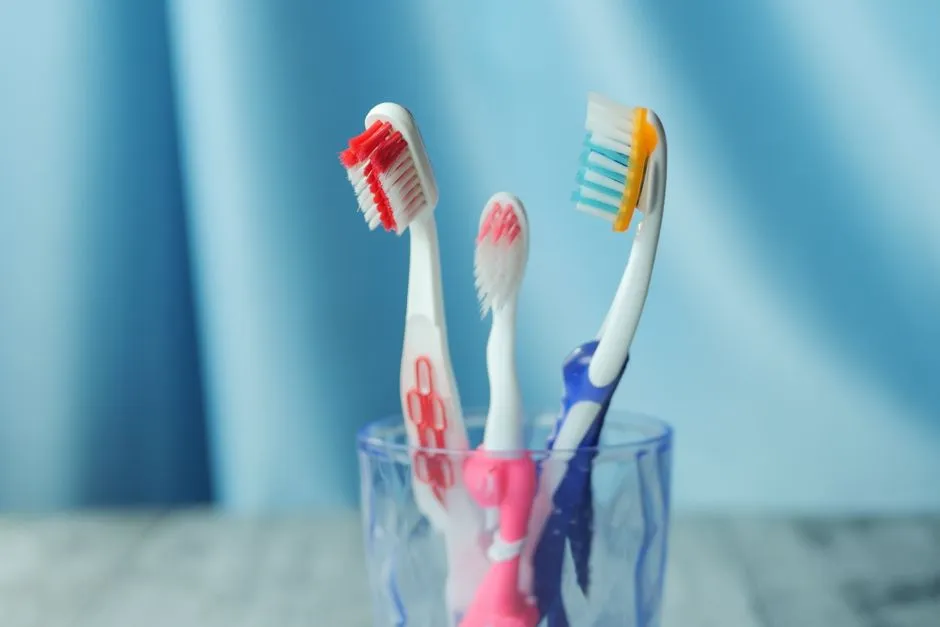
Brushing your teeth before consuming coffee helps to remove any plaque and bacteria that have accumulated overnight and helps to prepare your teeth to better withstand the staining effects of coffee. There’s a practical logic to this that often gets overlooked: a clean enamel surface is less porous and gives coffee pigments fewer places to grip.
Brushing before coffee creates a clean surface that makes it harder for stains to stick. Fluoride toothpaste also strengthens enamel, protecting your teeth against acid attacks. Think of the fluoride as a brief protective coating applied before the acid arrives, rather than an after-the-fact cleanup crew.
The Overnight Bacteria Factor
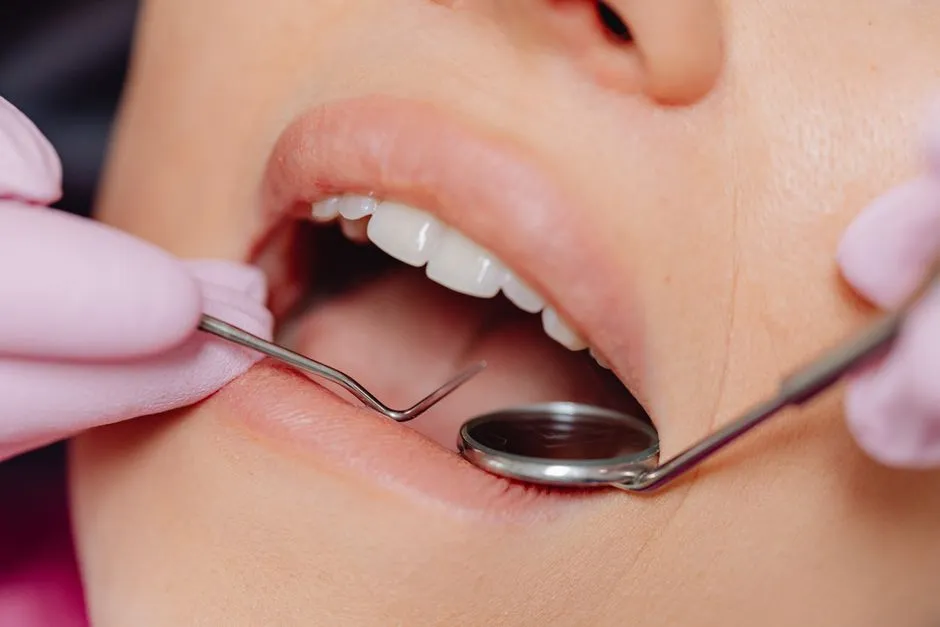
Most people focus on the coffee part of this equation and miss the equally important overnight biology. While you sleep, saliva production drops significantly, which allows bacteria to multiply on the tooth surface and along the gumline. Morning plaque is thicker and more active than at any other point in the day.
Brushing first thing removes plaque and bacteria, giving fluoride from toothpaste a chance to protect your teeth before coffee arrives. Brushing after consuming coffee may lead to brushing the acidity and stains from coffee into your tooth enamel, potentially causing damage over time. That’s not cleaning. That’s essentially pushing the problem deeper into the surface.
Staining Versus Erosion: Understanding the Difference

These two effects are frequently lumped together, but they’re distinct problems. Under immersion conditions, highly acidic beverages produced the most pronounced enamel surface changes, whereas coffee induced mainly staining. So coffee is more of a stain threat than a severe erosion threat on its own. The erosion risk rises when brushing is timed poorly, because the mechanical action on softened enamel accelerates what the acid started.
While soft drinks and fruit juice were found to damage tooth enamel significantly due to high acidity, coffee consumption resulted mainly in extrinsic staining, with minimal surface modification. This is actually reassuring, and it means that with correct brushing timing, coffee drinkers can manage both staining and erosion risk without dramatic lifestyle changes.
What to Do If You’ve Already Had Your Coffee
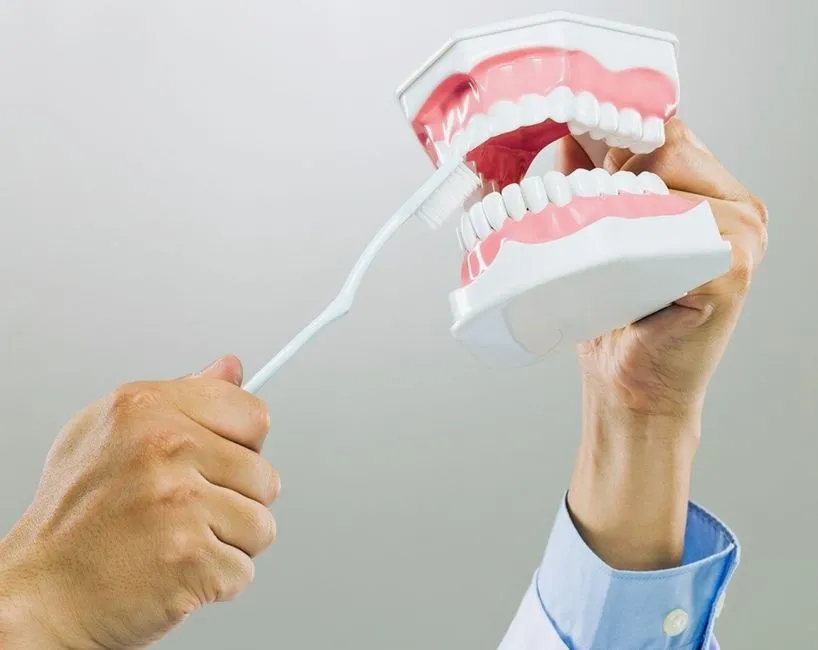
If your routine is already out of order and the coffee is gone, a few simple steps can reduce the damage while you wait. If you don’t have time to brush in the morning and need to do it less than 30 minutes after drinking coffee, waiting a few minutes and rinsing with water can help wash away acids and pigments.
If you enjoy more than one cup daily, rinse your mouth with water after each serving to wash away acids and pigments. You can also chew sugar-free gum to stimulate saliva, which naturally helps neutralize acids. Sugar-free chewing gum supports remineralization mainly by stimulating saliva, which buffers acid and carries minerals back to the enamel. These aren’t substitutes for brushing properly, but they help bridge the gap.
How Often and How Hard You Brush Also Matters
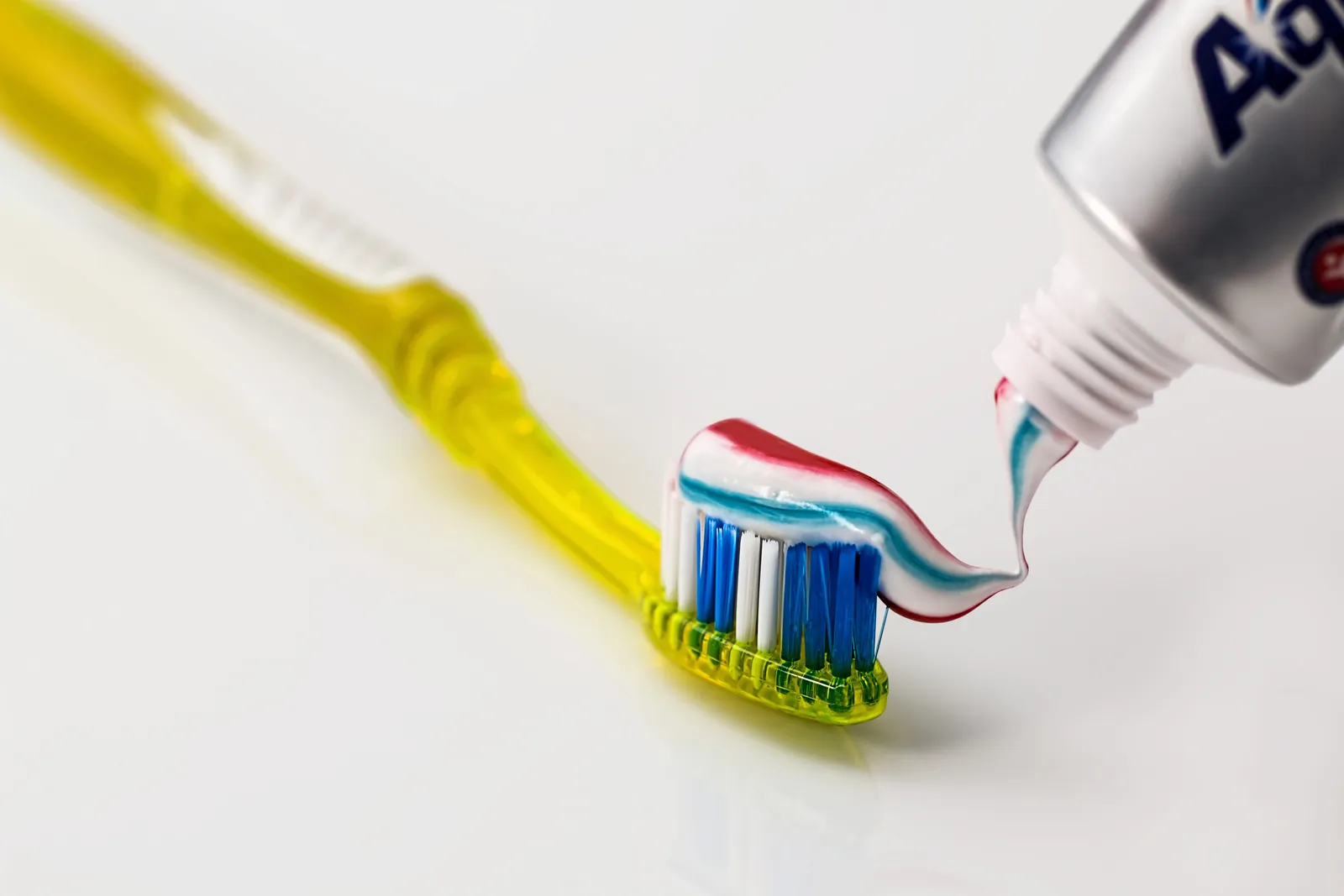
Limit brushing to twice a day. Overbrushing can wear down enamel, especially if done right after drinking coffee. This is a point many enthusiastic brushers overlook. More frequent brushing doesn’t protect teeth better if the timing is wrong. Twice daily, with correct timing, outperforms three or four times daily done carelessly.
Some people try using whitening toothpaste or high-abrasive brushes after coffee, but those products are too abrasive to be used right after drinking an acidic drink. Abrasive products amplify the problem rather than solving it. A soft-bristle brush and non-abrasive toothpaste, used at the right time, will protect enamel far more effectively than any whitening formula used immediately post-coffee.
The Takeaway
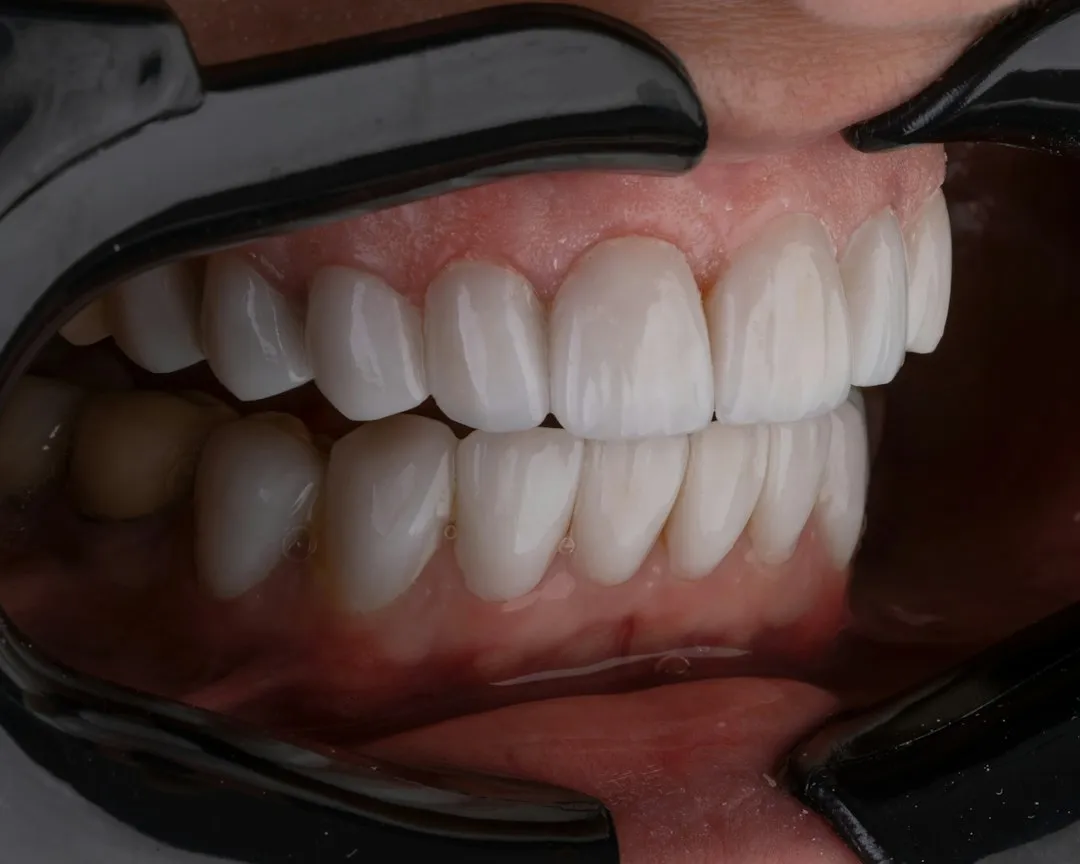
The advice here isn’t complicated, and it doesn’t require giving up coffee. Dental professionals are increasingly pointing out that this common habit of brushing immediately after coffee might actually be doing more harm than good. The fix is simply a matter of sequencing: brush first, then drink your coffee, and rinse with water afterward if needed.
Enamel is one of the hardest substances in the human body, but it has one critical weakness. It can’t grow back. Enamel is temporarily softened right after acid exposure, so waiting around 30 to 60 minutes before brushing avoids scrubbing away softened mineral. That’s a small window of patience that pays off over decades of healthier teeth.
AI Disclaimer: This article was created with the assistance of AI tools and reviewed by a human editor.