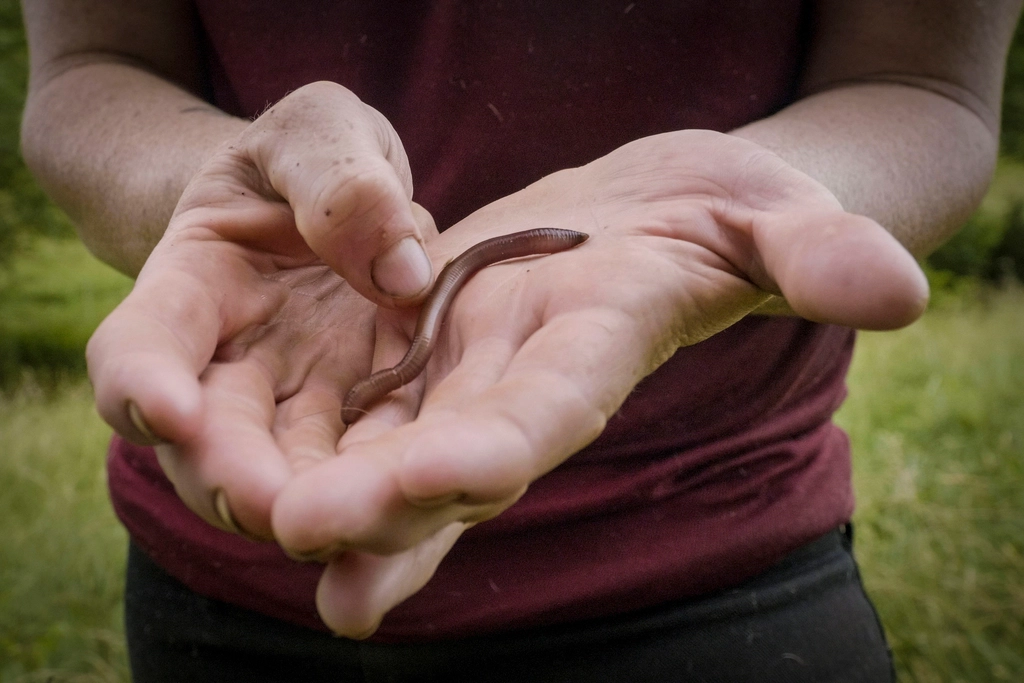

1. Earthworms Blanketing the Surface
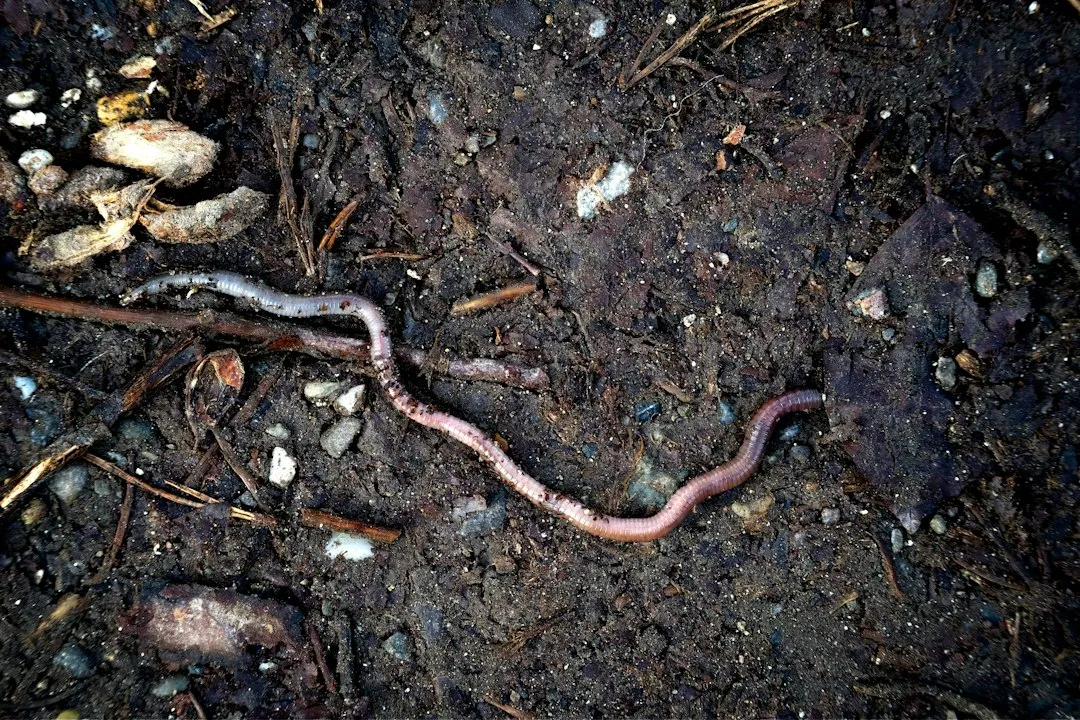
Walk outside after a heavy downpour and you might find dozens or even hundreds of earthworms stretched across the patio, sidewalk, and lawn. It’s one of the most common post-rain sights, and most people assume the worms are fleeing drowning tunnels. That explanation, however, is mostly a myth. Earthworms are unable to drown like a human would, and they can even survive several days fully submerged in water.
Soil experts now think earthworms surface during rainstorms for migration purposes. It gives them an opportunity to move greater distances across the soil surface than they could do through soil, which they cannot do when it is dry because of their moisture requirements. Essentially, a rain-soaked surface is the earthworm equivalent of a clear highway.
Another explanation involves raindrop vibrations on the soil surface sounding similar to predator vibrations, like those made by moles. Earthworms often come to the surface to escape moles. Birds exploit this behavior by mimicking rain hitting the ground, drumming their feet to encourage earthworms to the surface so they can feed on them.
2. Floating Rafts of Fire Ants
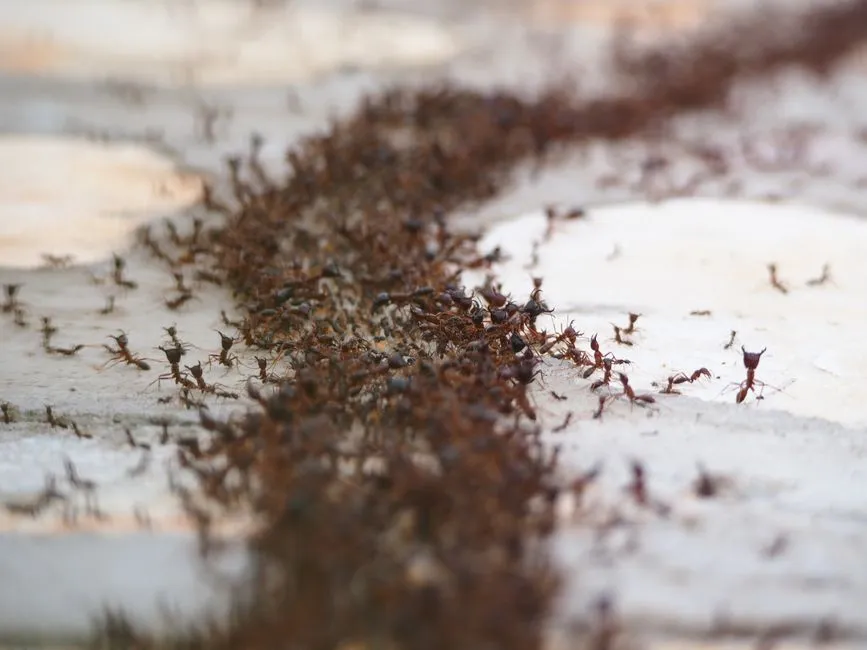
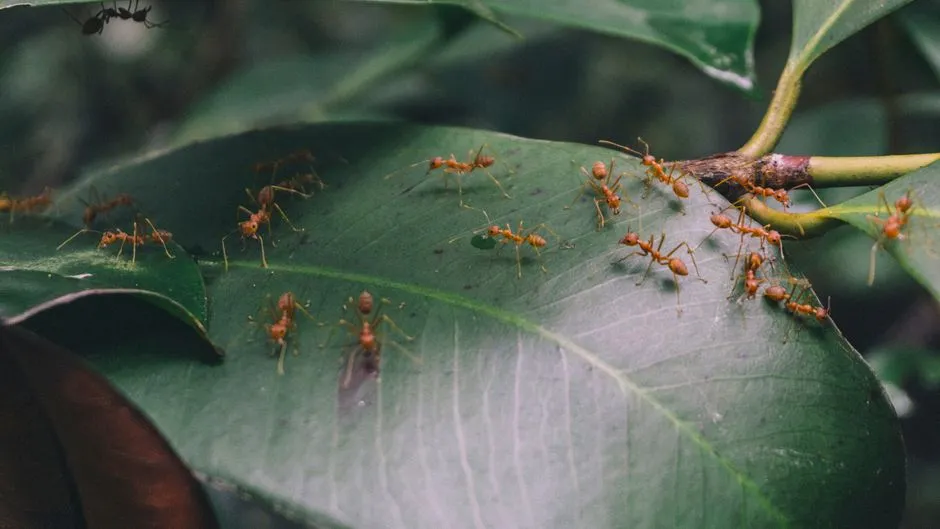
If you’ve ever seen a strange, floating clump of ants during heavy rains or flooding, you’re not imagining things. Fire ants are notorious for their ability to survive floodwaters by forming living rafts. This is one of the more alarming backyard discoveries possible after a serious storm.
When flooding strikes their nest, fire ants emerge from underground, link their legs together, and form a watertight ball or “living raft” that can float on the water. Worker ants carefully protect the queen in the middle and carry any eggs along until they come across dry land where they can re-establish a colony in the soil.
These living structures can survive for days on water, carrying thousands of ants including the queen across floodwaters and into your yard, garage, or home. In January 2024, red fire ants were observed forming rafts to travel on flood waters in the northeastern Australian state of Queensland, with the extreme weather threatening a countrywide spread of the highly invasive species.
3. Sudden Mushroom Explosions
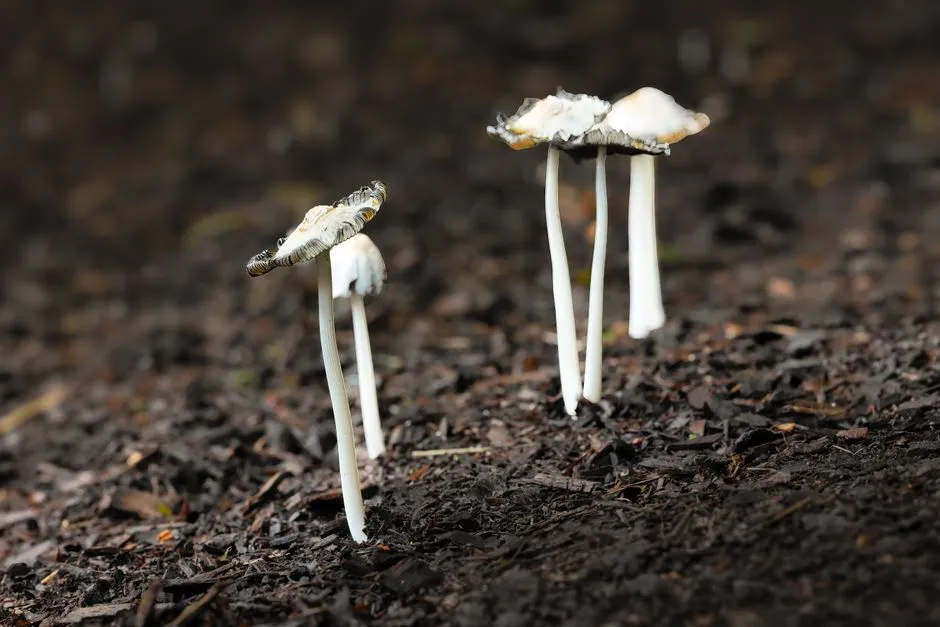
Mushrooms appearing in lawns during wet weather are a common sight, and while they may look alarming, they’re usually not a sign that your lawn is diseased, according to the University of Minnesota. The most common reason they start popping up is due to heavy rain or excessive irrigation.
False parasols, a species called Chlorophyllum molybdites, are saprotrophs, meaning they feed on decaying organic matter in the soil like dead leaves and grass clippings. They thrive in well-maintained lawns and are natural decomposers. After heavy rain, the fungus rapidly grows mushrooms to release spores into the air.
They often appear in clusters or in the iconic “fairy ring” shape because they’re connected underground, with each mushroom growing at the edge of an expanding fungal colony hidden in the soil. These mushrooms can seem to appear overnight because they mostly grow by expanding existing cells rather than creating new ones, allowing them to take quick advantage of the right temperature and moisture conditions.
4. Winged Termite Swarmers
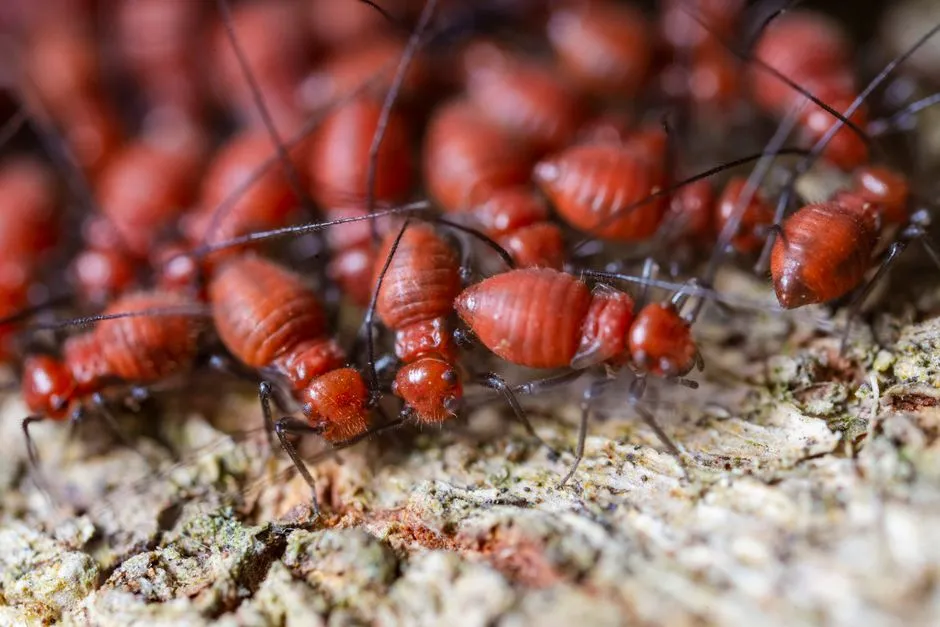
These termites with wings, also known as swarmers or alates, typically emerge when temperatures and humidity levels rise to mate and start new colonies. Seeing what looks like a swarm of large flying ants drifting through your yard after rain is a classic post-storm experience that many homeowners misidentify.
Subterranean termites need moisture to survive, so softened soil and elevated humidity make it easier for colonies to expand their foraging tunnels, and warm days following rain are the classic trigger for termite swarms. After a soaking spring or fall rain, thousands of winged reproductives may swarm from the colony, seeking to mate and start new colonies. When the mates pair off, they lose their wings and go underground to begin a new nest.
Flying termites leave their colonies when their nest reaches maturity, which means that seeing a swarm of flying termites indicates that there is already a large colony nearby. Finding discarded wings along windowsills or door frames after such a swarm is a sign worth taking seriously.
5. Millipedes on the Move
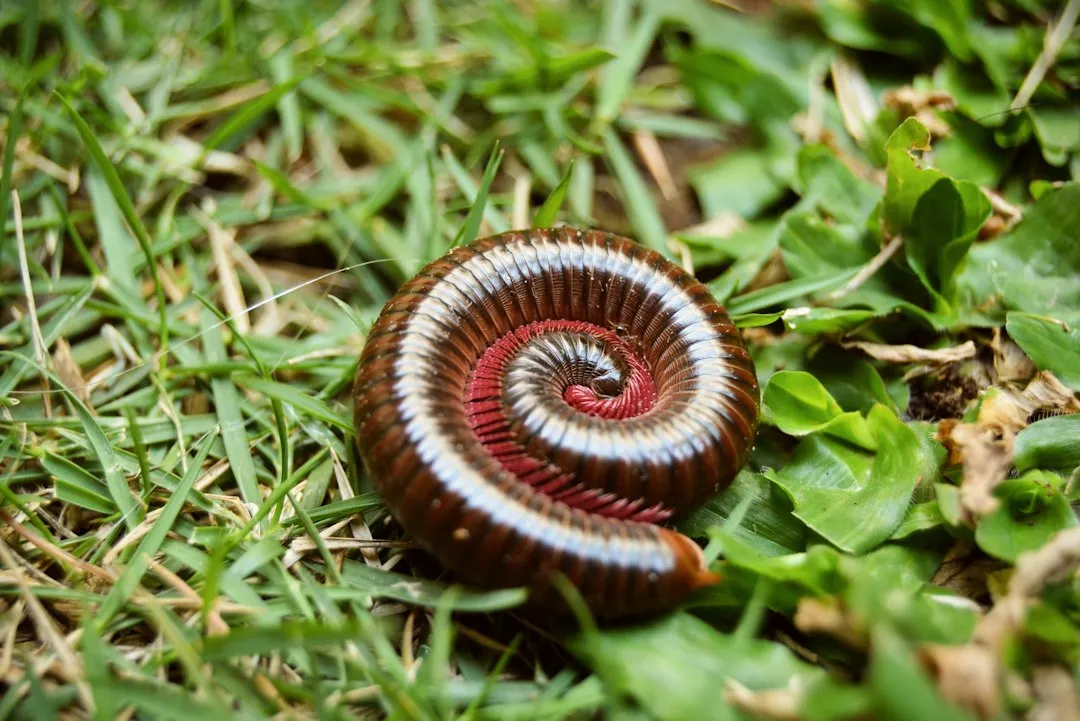
Millipedes, close relatives of centipedes, often hide under mulch, rocks, leaves, and in basements or crawl spaces. After heavy rain, they suddenly appear in numbers that can genuinely startle anyone stepping outside for the first time post-storm. Their movement is not random at all.
Millipedes breathe through spiracles along their body segments and live almost exclusively in moist soil and decaying organic matter. When the ground becomes waterlogged, their habitat becomes uninhabitable and they migrate upward and outward in large numbers, crossing driveways and patios in search of drier conditions. This is a well-documented survival behavior, not a pest surge.
Unlike centipedes, millipedes are harmless to humans. They don’t bite and they don’t sting, though some species can secrete a mildly irritating fluid as a defense mechanism. The main reason their sudden appearance feels so strange is simply the sheer number of them moving at once, sometimes in the hundreds across a single yard.
6. Cockroaches Emerging from Drains and Foundations
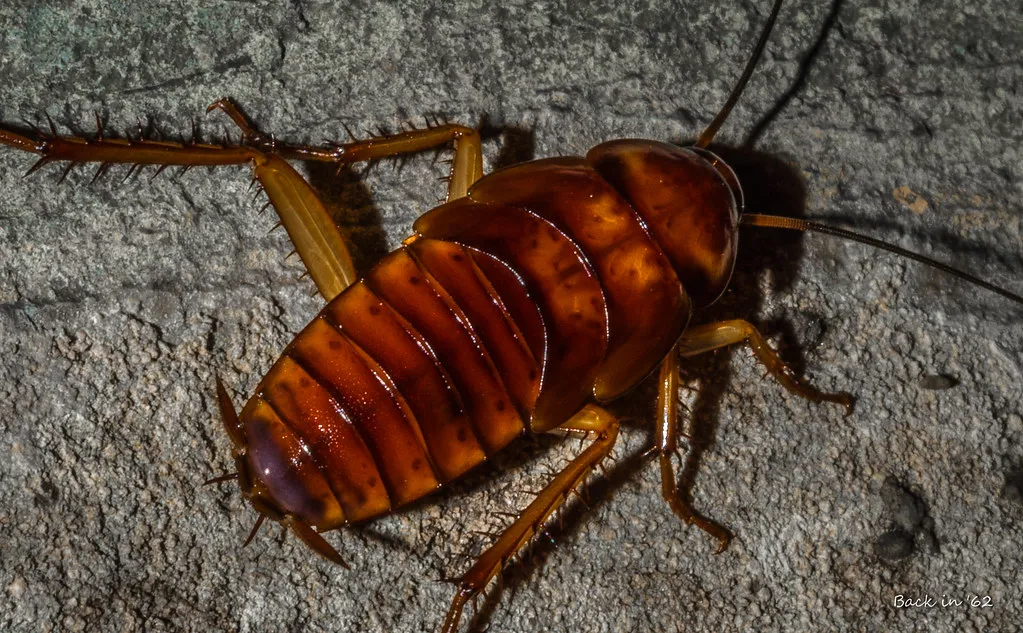
Roaches tend to live in places that flood easily, especially in winter and early spring. To survive winter, cockroaches need to find a humid, warm place to wait out the cold. Often these are places like drains, pipes, foundations, sewers, and crawl spaces. When heavy rainfall floods these locations, newly awakened cockroaches are displaced.
As long as they can avoid drowning, cockroaches actually thrive in rainy weather. Like all living things, roaches need moisture to survive, and they can only permanently inhabit an area that’s humid enough for them to get what little water they need.
After heavy rains, lingering humidity makes all kinds of places more livable for roaches. Unfortunately, if cockroaches make their way into your home, they won’t be in any big hurry to leave. Cockroach infestations commonly start in rainy weather. Spotting them in the yard is one thing. Spotting them near your foundation is another conversation entirely.
7. Springtails: The Jumping Specks You Can’t Quite See
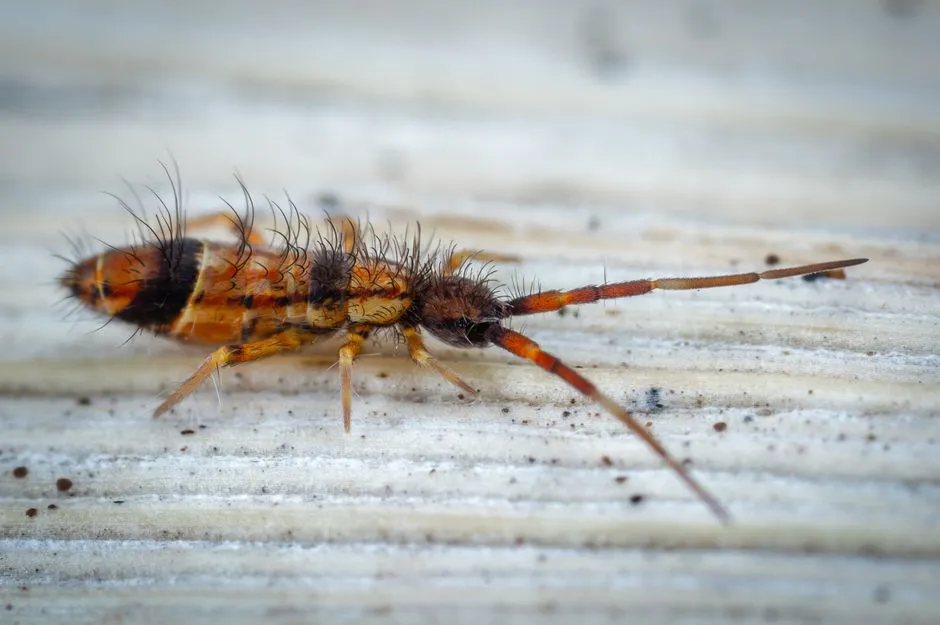
After a heavy rain, you may notice what looks like pepper sprinkled along your foundation or sidewalk. Look closer, and some of those specks start jumping. This is usually your first encounter with springtails, one of the more peculiar rain-triggered appearances in any backyard.
Those dots are most likely springtails, tiny soil creatures usually smaller than a grain of rice. Most kinds found around homes look dark gray, black, or bluish, though some appear brown or pale. Under a magnifying glass you can see a short body, stubby antennae, and six legs. They are not true insects by most modern definitions, but they are close relatives.
In most cases, those bugs are drawn by moisture in the ground rather than by anything inside your home. Soggy mulch and damp soil against the house create exactly the conditions these bugs look for. They are completely harmless and actually play an important ecological role by breaking down organic material in the soil. Still, a carpet of hopping specks across the back steps is not what most people want to see after a storm.
The Takeaway
What all seven of these post-rain appearances share is a simple underlying logic: rain reshapes the environment fast, and the creatures living in and around the soil respond just as fast. Most of what appears in a backyard after heavy rain is not a sign that something has gone wrong. It’s a sign that the ecosystem beneath the grass is very much alive and reacting to its conditions.
The fire ant raft is probably the one worth paying closest attention to, especially in the American South and increasingly in parts of Australia and beyond, given how aggressively that species can spread during flood events. The others are, for the most part, nature doing exactly what it’s supposed to do. Knowing what you’re looking at makes it considerably less alarming.
AI Disclaimer: This article was created with the assistance of AI tools and reviewed by a human editor.