

Most people have never given much thought to how long they can stand on one foot. It feels trivial, almost childlike. Yet researchers and clinicians have been paying close attention to this deceptively simple task, and what they’re finding keeps growing more significant with each new study.
From mortality risk to brain health, the one-leg balance test is quietly becoming one of the most useful tools in a doctor’s toolkit. Here’s what the science actually says.
What the Test Actually Involves
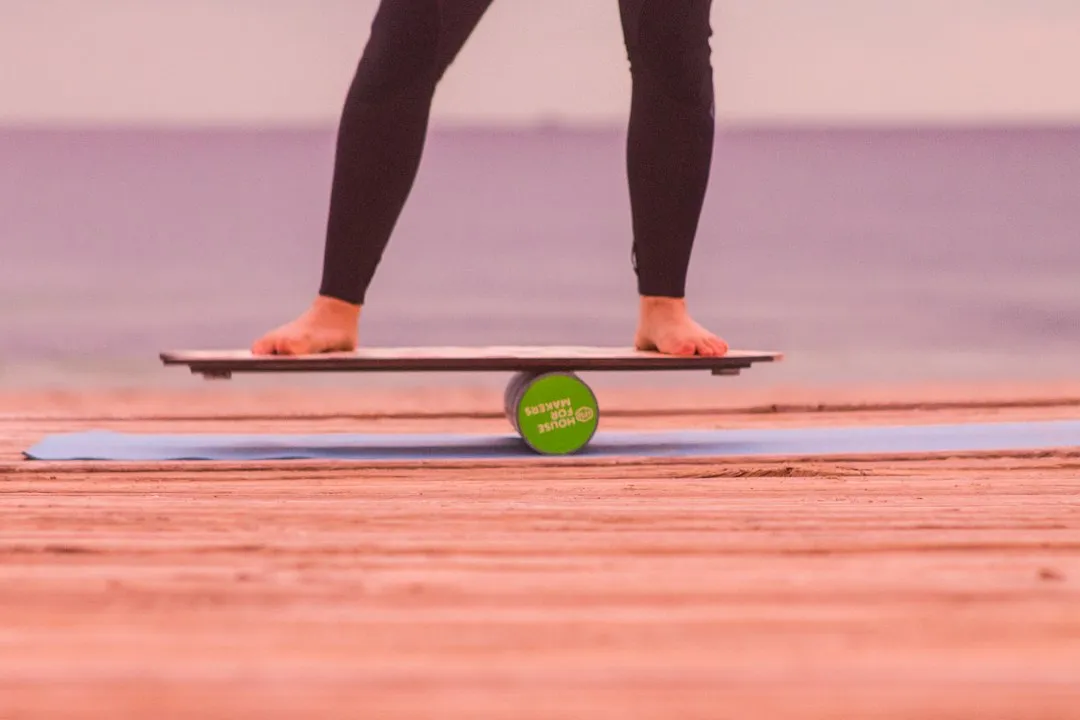
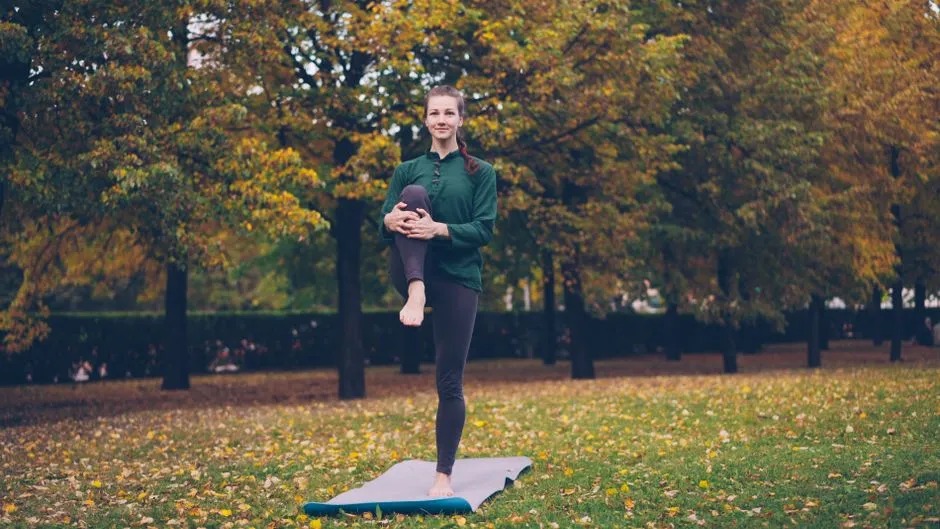
The 10-second balance test, also called the single-leg stance test, requires you to stand on one foot for at least 10 seconds. Participants are asked to place the front of the free foot on the back of the opposite lower leg, while keeping their arms by their sides and their gaze fixed straight ahead.
Participants are typically allowed up to three attempts on either foot. The whole thing takes under a minute. It requires no equipment, no lab, and no specialist to administer. That simplicity is part of what makes it so compelling to researchers looking for practical screening tools.
The Landmark Mortality Study That Changed the Conversation

A landmark 2022 study published in the British Journal of Sports Medicine tracked 1,702 adults aged 51 to 75 for an average of 7 years. Those who couldn’t hold a single-leg stance for 10 seconds had an 84% higher risk of dying from any cause within the following decade, even after adjusting for age, sex, BMI, and existing health conditions.
Among those who failed the test, 17.5% died during follow-up, compared to just 4.6% of those who passed. Of the deaths recorded, cancer accounted for roughly a third, cardiovascular disease for around thirty percent, respiratory disease for nine percent, and COVID-19 for seven percent.
Researchers proposed that this simple and safe balance test could be included in routine health checks for older adults, noting that unlike aerobic fitness and muscle strength and flexibility, balance tends to be reasonably well preserved until the sixth decade of life, when it starts to wane relatively rapidly.
How Failure Rates Rise Sharply with Age

Of the 1,702 individuals studied, 348, roughly one in five, failed the 10-second single-leg stance test, and this proportion increased progressively with age. The breakdown is striking. Among those aged 51 to 55, nearly five percent failed. Eight percent failed between ages 56 and 60. Eighteen percent failed between 61 and 65, and more than one in three failed between ages 66 and 70. More than half of those aged 71 to 75 were unable to complete the test.
That kind of steep, decade-by-decade decline is not seen with most other physical measures. It points to something happening beneath the surface, in the nervous system and muscles, that accelerates noticeably in the years after 60.
It Outperforms Grip Strength and Gait as an Aging Marker
Researchers from Mayo Clinic found that how long a person can stand on one leg is a better measure of aging than changes in strength or gait, two characteristics often used to assess healthy aging. Regardless of sex, grip strength in the dominant hand dropped by roughly four percent per decade of age, and knee strength by about one and a half percent. Balance showed the greatest reduction with age, especially the ability to stand on one leg for at least 30 seconds.
According to conclusions published in October 2024 in the journal PLOS One, the ability to balance on one leg, especially the non-dominant leg, not only declines significantly with age, but is the best indicator of neuromuscular aging. Balance on the non-dominant leg drops by approximately 2.2 seconds per decade, making it the most age-sensitive physical metric researchers have measured.
The Non-Dominant Leg Is the Real Indicator
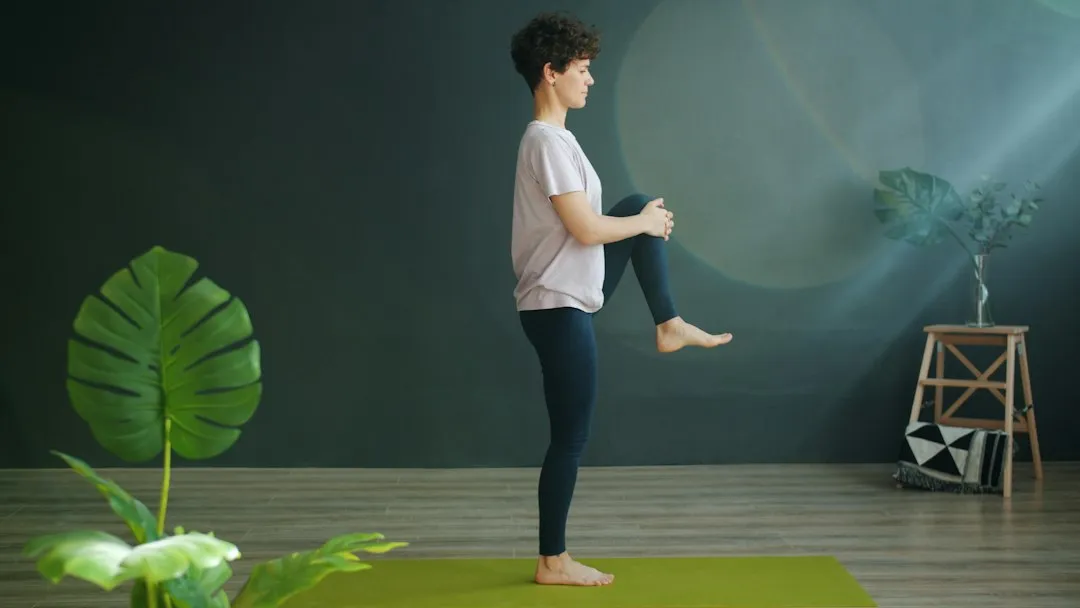
Researchers found that the one-legged balance test, especially on the nondominant leg, showed the highest rate of decline with age. This is worth knowing before you try the test yourself. Most people instinctively stand on their stronger, dominant-side leg, which can mask real deficits in neuromuscular function.
Researchers did not identify sex differences in the gait and balance tests, which suggests that male and female subjects were equally affected by age. That makes the non-dominant leg result a more universal and unbiased measure, regardless of a person’s sex or dominant side.
What It Reveals About Brain Health
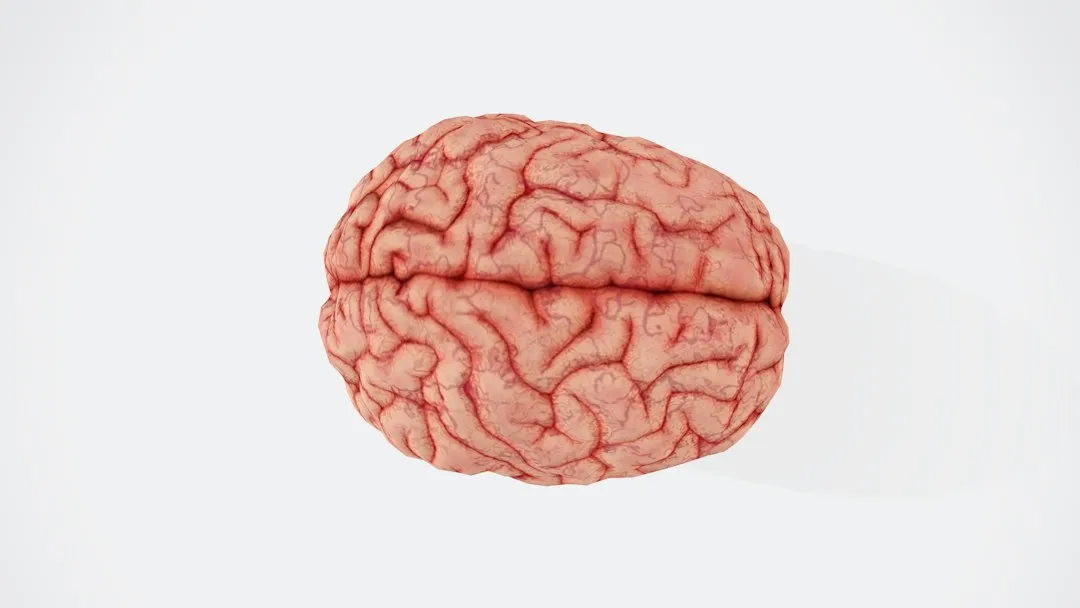
Struggling to balance on one leg for 20 seconds or longer was linked to an increased risk for small blood vessel damage in the brain and reduced cognitive function in otherwise healthy people with no clinical symptoms, according to research in the American Heart Association’s journal Stroke.
Scientists found that an inability to stand on one leg for more than 20 seconds was associated with microbleeds and “silent” strokes. One-legged standing time may be a simple test used to measure early signs of abnormalities in the brain associated with cognitive decline, cerebral small vessel disease, and stroke. This brain-balance connection is one of the most surprising and clinically important findings to emerge from this research area.
The Link to Dementia Risk
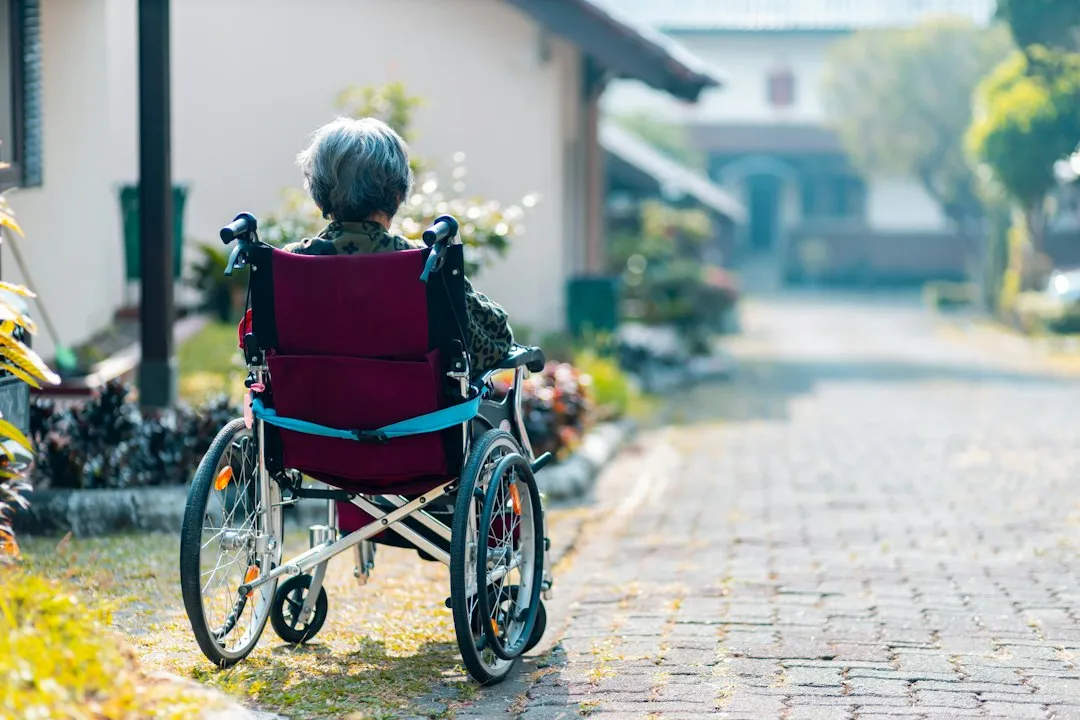
A January 2024 analysis published in the Journal of Prevention of Alzheimer’s Disease evaluated nearly 144,000 community-dwelling Korean adults and found strong evidence linking balance impairment to the future onset of dementia. Those who showed balance impairment at age 66 had significantly higher rates of new-onset dementia compared to those with normal balance.
Participants with poor balance faced an 83% higher risk of all-cause dementia compared to those with normal balance. Their risk of Alzheimer’s disease was 80% higher, and the risk of vascular dementia was almost three times higher. Because balance testing is simple, noninvasive, and predictive, the authors propose it as a valuable screening tool for identifying dementia risk in older adults, especially in those who have not yet shown signs of cognitive impairment.
The Connection to Chronic Disease

In general, those who failed the balance test had poorer health: a higher proportion were obese, and many had heart disease, high blood pressure, and unhealthy blood fat profiles. Type 2 diabetes was three times as common in this group, at roughly 38% versus around 13% in those who passed the test.
The balance test doesn’t cause these conditions, of course. Rather, it seems to surface them. Researchers interpret poor balance as a sign that the body’s integrated systems, cardiovascular, neurological, and metabolic, are under strain. It’s a window, not a diagnosis.
Why Balance Declines and What’s Actually Happening in the Body
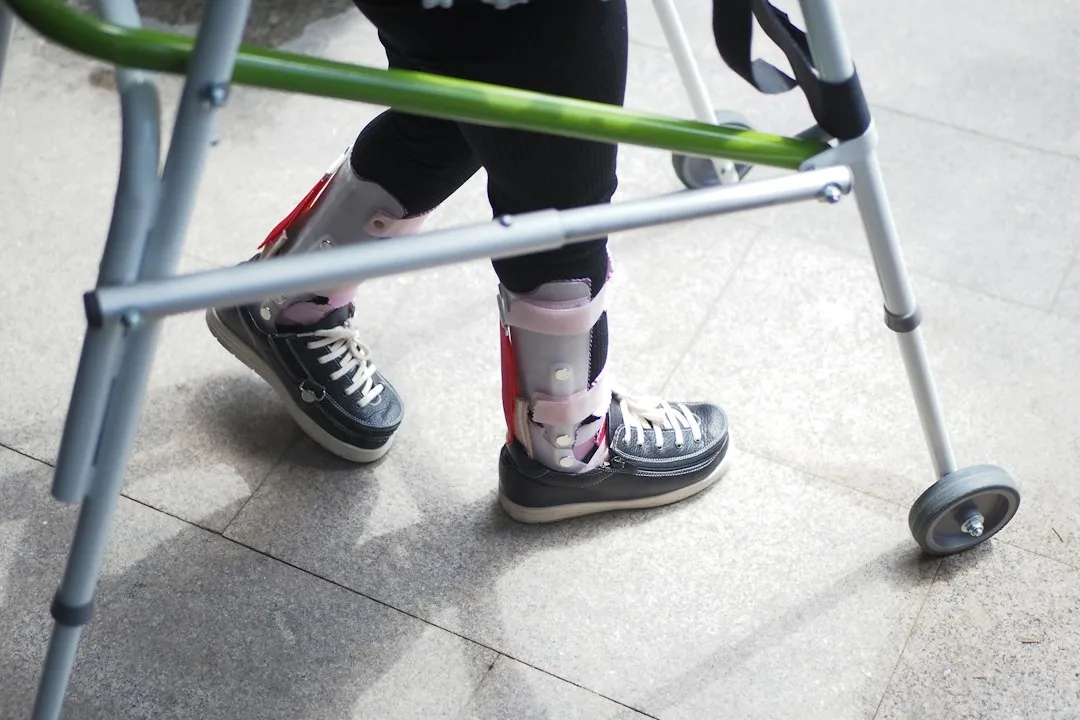
Gait and balance changes are common as we age and can lead to falls. These changes are due to declines in sensory systems, such as eyesight and hearing, as well as the neuromuscular system. The brain’s cerebellum and motor cortex must process multiple inputs simultaneously, make split-second corrections, and send commands to dozens of muscles in precise sequences. This neural processing speed declines approximately one to two percent per year after age 50.
Standing on one leg is essentially a real-time test of how well all of those systems are still talking to each other. When they’re working well, the task feels effortless. When they’re degraded, even 10 seconds becomes a challenge. That’s exactly what makes it useful as a clinical signal.
Should It Become a Routine Health Check?

An international team of researchers has called for the 10-second test to be part of routine health checks for all middle-aged and older adults. The researchers concluded that the balance test provides rapid and objective feedback for the patient and health professionals regarding static balance, and that the test adds useful information regarding mortality risk in middle-aged and older men and women.
The relationship is an association and not causal, meaning the test cannot predict when someone will die. It does, however, highlight the importance of monitoring and maintaining balance as we age. Good balance later in life can lower fall risk and help maintain independence, mobility, functional abilities, and overall quality of life. Still, it’s worth noting that this is an observational study, and as such, can’t establish cause. As participants were all white Brazilians, the findings might not be more widely applicable to other ethnicities and nations.
The Takeaway
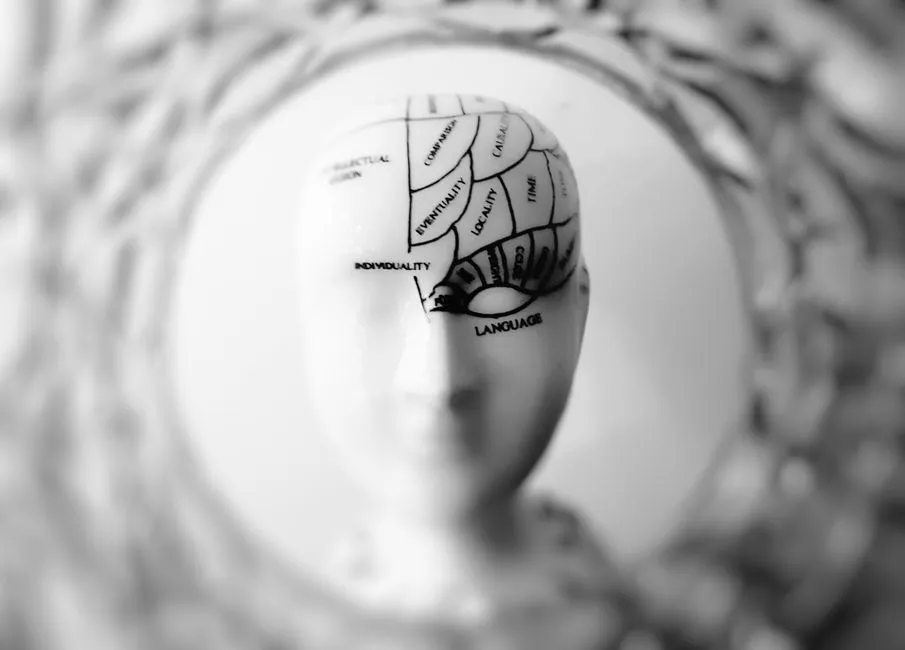
Standing on one leg for 10 seconds isn’t a party trick or a fitness milestone. It’s a genuine signal of how well the body and brain are holding together. The growing body of research connecting this simple test to mortality, brain disease, and metabolic health suggests it deserves a lot more attention than it currently gets.
The science confirms that exercises to improve balance are important at all stages of life and should be continued into old age to prevent falls. The test won’t tell you everything, but it might tell you something worth knowing, quietly and without any equipment at all.
AI Disclaimer: This article was created with the assistance of AI tools and reviewed by a human editor.