

1. The Vaccination Window Is Tighter Than You Think
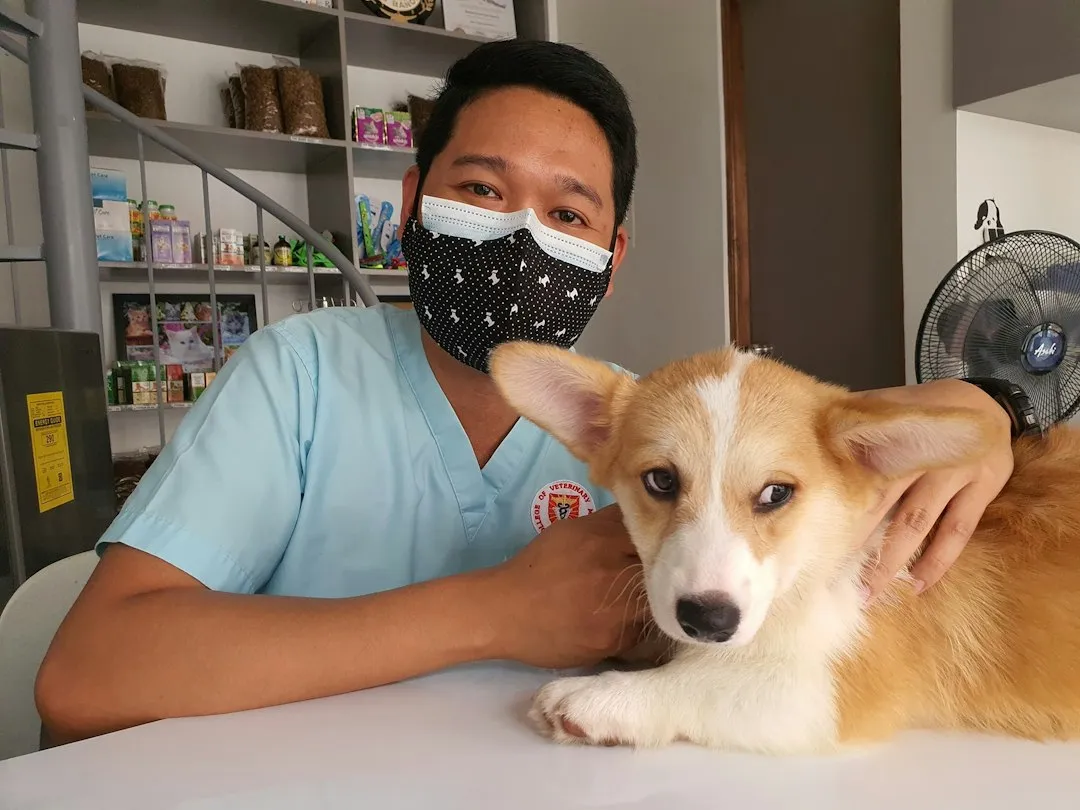
Puppies typically start receiving vaccinations at six to eight weeks old, with booster shots needed every three to four weeks until they are 16 to 18 weeks old. This isn’t a loose suggestion – it’s a carefully timed schedule designed around a biological reality.
Very young puppies are highly susceptible to infectious diseases, especially as the natural immunity provided in their mothers’ milk gradually wears off over time. To keep gaps in protection as narrow as possible, vets schedule a series of vaccinations that are generally three to four weeks apart.
A typical puppy series includes the DHPP vaccine covering distemper, hepatitis, parvovirus, and parainfluenza at six to eight, ten to twelve, and fourteen to sixteen weeks, and rabies around twelve to sixteen weeks, depending on local laws. Missing a booster or spacing them too far apart leaves your puppy unnecessarily exposed during the most vulnerable period of its life.
2. Socialization Has a Hard Deadline

The socialization period in companion animals is the time when they are most open to learning about their environment, their littermates, and other species. Providing diverse, positive experiences during this window can prevent the development of fearful responses and subsequent behavioral problems.
Social and environmental exposure in puppies has been found to be positively correlated with measures of sociability, and negatively correlated with measures of fear and aggression. Dogs that attended puppy preschool were found to be less fearful, less aggressive, and more social.
A notable portion of puppies are still not receiving adequate socialization prior to twenty weeks old, according to survey findings that emphasize the importance of socialization in the first few months of a dog’s life. This window doesn’t reopen. After it closes, behavioral change becomes far harder and takes significantly more effort.
3. Puppy Classes Are More Valuable Than Most Owners Realize

Participation in puppy socialization classes improved the obedience behavior of dogs regardless of age, and positive response to strangers in the puppy class group was significantly higher than in dogs that did not attend classes. These results are not trivial – they reflect real behavioral differences that persist into adulthood.
Research highlights that structured, controlled introductions during events like puppy classes may actually have more beneficial effects on future behavior and ability to cope with stress, when compared to unstructured exposure to unfamiliar dogs in public spaces. Not all socialization is created equal, and the format matters.
Owners who used punishment during training were more likely to report that their puppy was fearful. Four percent also reported that they would force their puppy to face its fears, a tactic known to actually increase fear. Positive reinforcement isn’t just a preference – it’s what the evidence supports.
4. Behavior Is a Health Signal, Not Just a Personality Trait

Behavior can be an important indicator of health and welfare in companion dogs. Behavioral change can signal transitions in life stages, alert caretakers to potential illnesses or injuries, and is an important factor in understanding and measuring stress.
New owners often chalk up sudden changes in their puppy’s temperament to growing pains or a bad day. Sometimes that’s true. Other times, a shift in energy, appetite, or responsiveness is the first sign that something physical is wrong. Vets routinely encourage owners to track behavioral baselines early, so that changes are easier to catch.
Understanding dog behavior, especially in the context of the human social environment, is critical to maintaining positive human-dog interactions and relationships. The earlier an owner learns to read their dog’s signals, the better equipped they are to respond when something is genuinely off.
5. The Spay and Neuter Conversation Is Breed-Specific
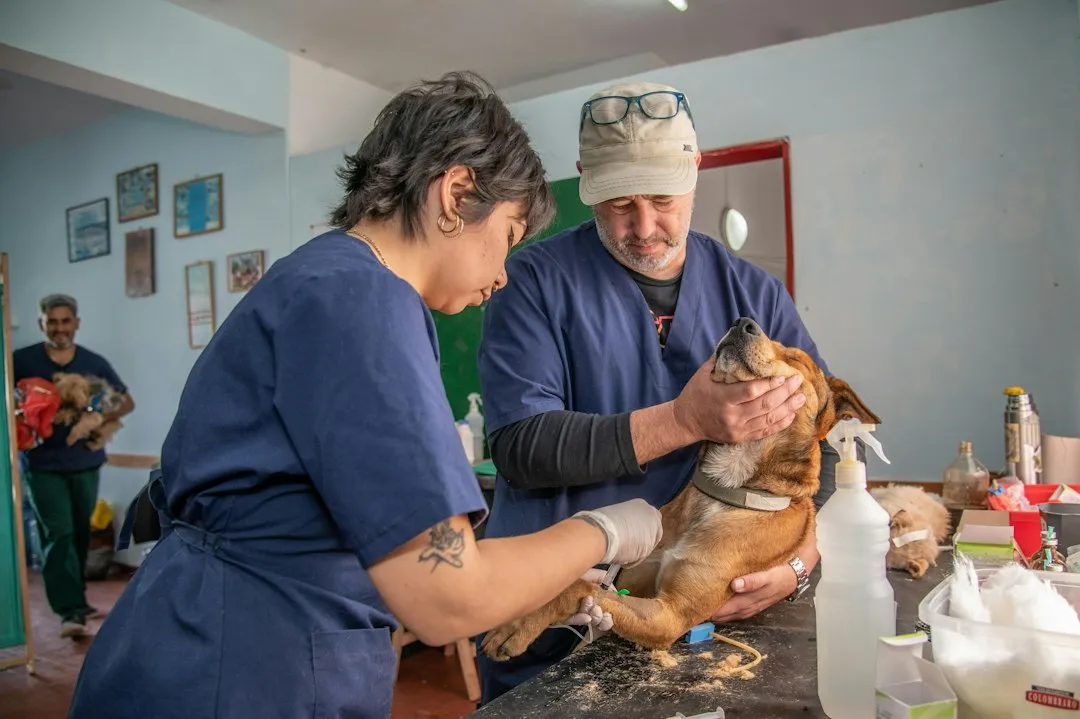
Spaying or neutering is a surgical procedure that sterilizes your puppy, preventing them from reproducing. The decision on when to do it depends on several factors, including the puppy’s breed, size, and health status. Generally, veterinarians recommend spaying or neutering between six to nine months of age.
Most veterinarians recommend spaying or neutering between six and twelve months, depending on your dog’s breed and size. Large and giant breeds may benefit from additional time to support full musculoskeletal development. This is a conversation worth having early, not at the six-month mark when decisions need to be made quickly.
The timing debate around spay and neuter has grown more nuanced over the past several years. Blanket recommendations are giving way to breed-informed guidance, and any vet worth their salt will factor in your specific dog’s size and growth trajectory before setting a date.
6. Nutrition in the First Year Sets the Foundation for Life

Your puppy or dog’s health depends on nutrition. The foods you feed your dog will have a life-long impact on overall wellbeing. Yet nutrition is one of the areas where new owners receive the most conflicting advice, much of it from marketing rather than veterinary science.
Puppies have different caloric and nutrient requirements than adult dogs, and feeding an adult formula or free-feeding without structure can lead to growth abnormalities, especially in larger breeds. A puppy food labeled “for all life stages” should meet AAFCO nutritional standards, but checking with your vet about portion sizes and feeding frequency still matters.
Treats are part of training, and that’s fine – but they can quietly add up. Keeping treat calories under roughly ten percent of daily intake is a common veterinary guideline that many owners simply aren’t aware of until a weight problem already exists.
7. Dental Health Starts Earlier Than You’d Expect

Dental cleanings are recommended annually starting as early as one year of age for some small-breed dogs and two years of age for larger-breed dogs. Brushing your dog’s teeth regularly promotes good oral health. Most owners are surprised to hear these timelines – dental disease is overwhelmingly common in dogs, and it begins earlier than most people assume.
Introducing a puppy to tooth brushing during the first few weeks at home makes the habit far easier to maintain long-term. Dogs that have never had their teeth touched often resist it as adults, which makes home care difficult and professional cleanings more stressful for everyone involved.
Small-breed dogs often keep their baby canine teeth, which may need to be removed under anesthesia. This is something vets check for around the six-month mark, and it’s worth monitoring if you have a smaller breed.
8. Parasite Prevention Is Year-Round, Not Seasonal

Heartworm, fleas, ticks, and intestinal worms are not just warm-weather concerns. Vets consistently see owners lapse on preventives during cooler months under the assumption that parasites go dormant, and that assumption leads to real infections. Heartworm disease, in particular, is preventable with monthly medication but essentially untreatable without significant risk to the dog once established.
A standard first-year puppy visit schedule includes a fecal test for parasites and dewormer at six to eight weeks, with heartworm prevention beginning alongside core vaccines. Starting prevention early, and keeping it consistent, is one of the simplest and most cost-effective things an owner can do for their dog’s long-term health.
Intestinal parasites in puppies are extremely common and often show no obvious symptoms. Many puppies arrive in their new homes already carrying roundworms or hookworms from their mother. Routine fecal testing at early vet visits isn’t optional – it’s part of the standard protocol for a reason.
9. Vet Costs Are Predictable – If You Plan for Them

Pet owners reported spending approximately $1,700 annually on their pets in 2025, about $200 more than in the previous two years. Veterinary care accounted for roughly a third of total pet-related expenditures. Dog owners spent an average of $598 on veterinary care annually.
More than half of U.S. cat and dog owners have declined recommended veterinary care because of financial considerations or other barriers, with 37% visiting the vet but declining one or more care recommendations and 15% not bringing their pet in at all. Financial barriers are real, but delaying care almost always increases its cost over time.
Pet insurance, wellness plans, and payment options through veterinary practices have all expanded considerably in recent years. Setting a basic budget for puppy care in year one – accounting for multiple vet visits, core vaccines, spay or neuter, and parasite prevention – helps owners avoid the difficult position of choosing between their dog’s health and their finances.
10. Your Vet Is a Partner, Not Just an Emergency Contact
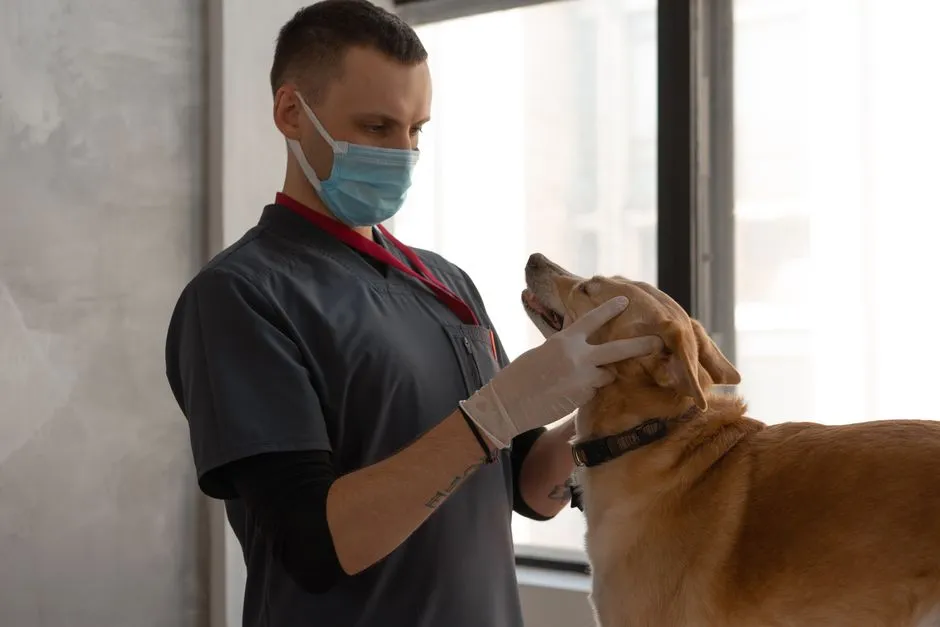
Nearly nine in ten dog owners identified as having a regular veterinarian or veterinary practice, while roughly three quarters of dog owners in 2024 said they visited a veterinarian in the past year. Having a regular vet matters. Dogs with consistent veterinary relationships receive more thorough preventive care, and problems are caught earlier.
Survey results highlight the role veterinarians can serve in educating pet owners about the importance of early puppy socialization and positive reward training. In practice, this means vets have a lot to offer beyond the physical exam – and the first few visits set the tone for whether an owner sees that relationship as a resource or just a bill.
New puppy owners often underestimate how much they don’t know, which is not a criticism – it’s just the reality of first-time ownership. Using those early vet appointments to ask questions, discuss training approaches, and talk through what the next twelve months will look like is exactly what those visits are designed for.
The Takeaway

The first year of a dog’s life shapes nearly everything that follows – its temperament, its health baseline, its relationship with people and other animals. Getting the fundamentals right early isn’t complicated, but it does require knowing what those fundamentals actually are.
Vets are not the last resort. They’re the starting point. The owners who treat them as a consistent resource rather than a crisis responder tend to end up with healthier, calmer, better-adjusted dogs – and fewer surprises down the road. That’s not a coincidence.
AI Disclaimer: This article was created with the assistance of AI tools and reviewed by a human editor.