
What an Oak Apple Gall Actually Is
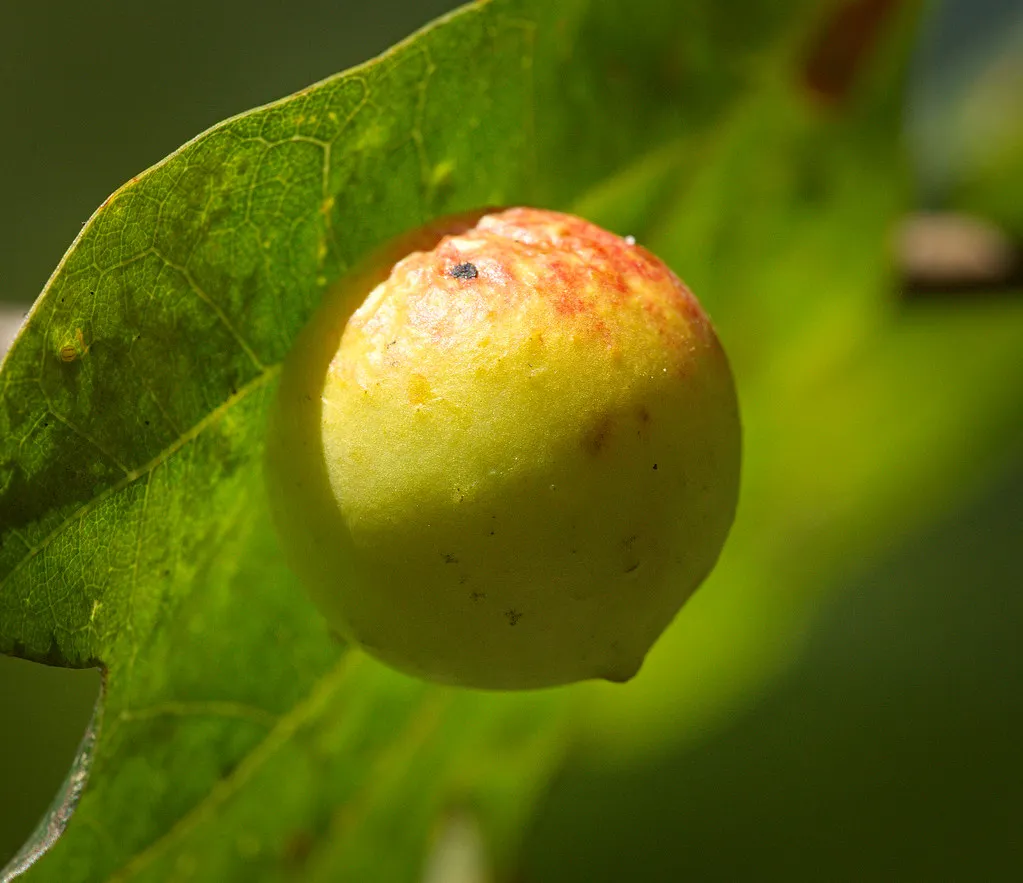
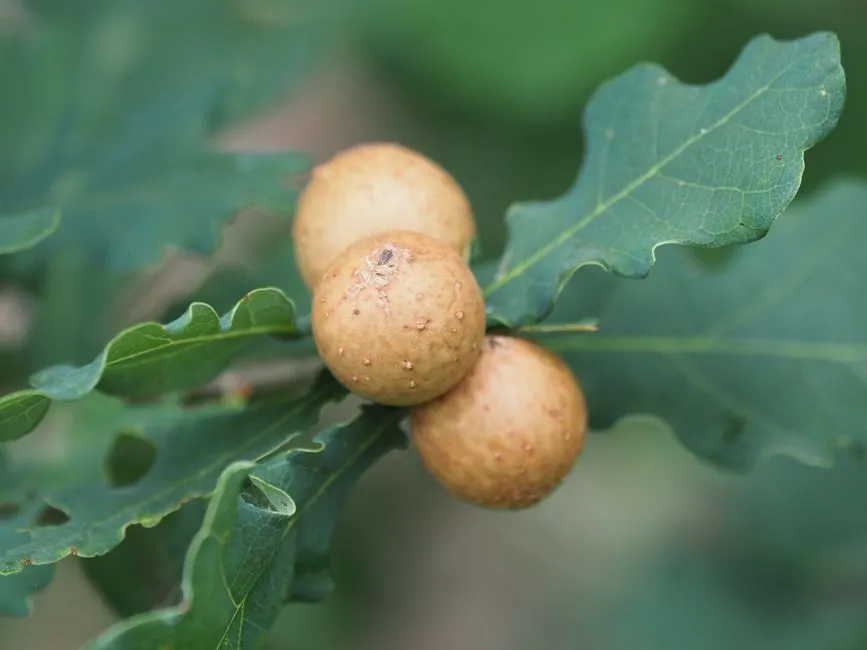
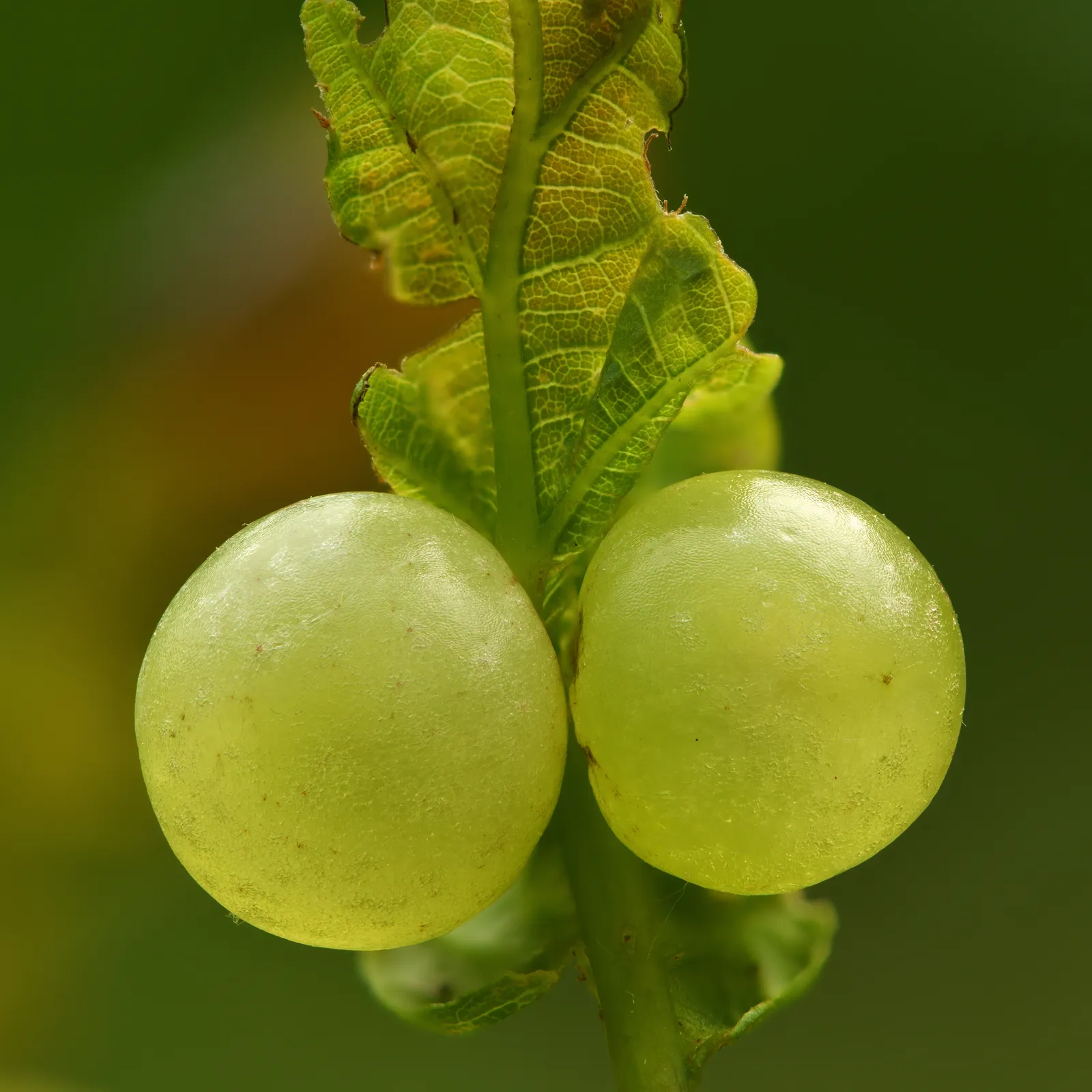
Oak apple galls are conspicuous, abnormal growths that occur on the leaves of oak trees. As their name suggests, these spherical green galls resemble apples, and they are induced by several species of wasps that use nutrients from the growth for larval development.
Plant galls are outgrowths on plant tissue induced by another organism. They display a variety of forms depending on their inducer and the species and tissue of the host, and they are referred to as an extended phenotype of the inducer. In other words, the gall is an expression of the wasp’s biology built entirely from the oak’s own cells.
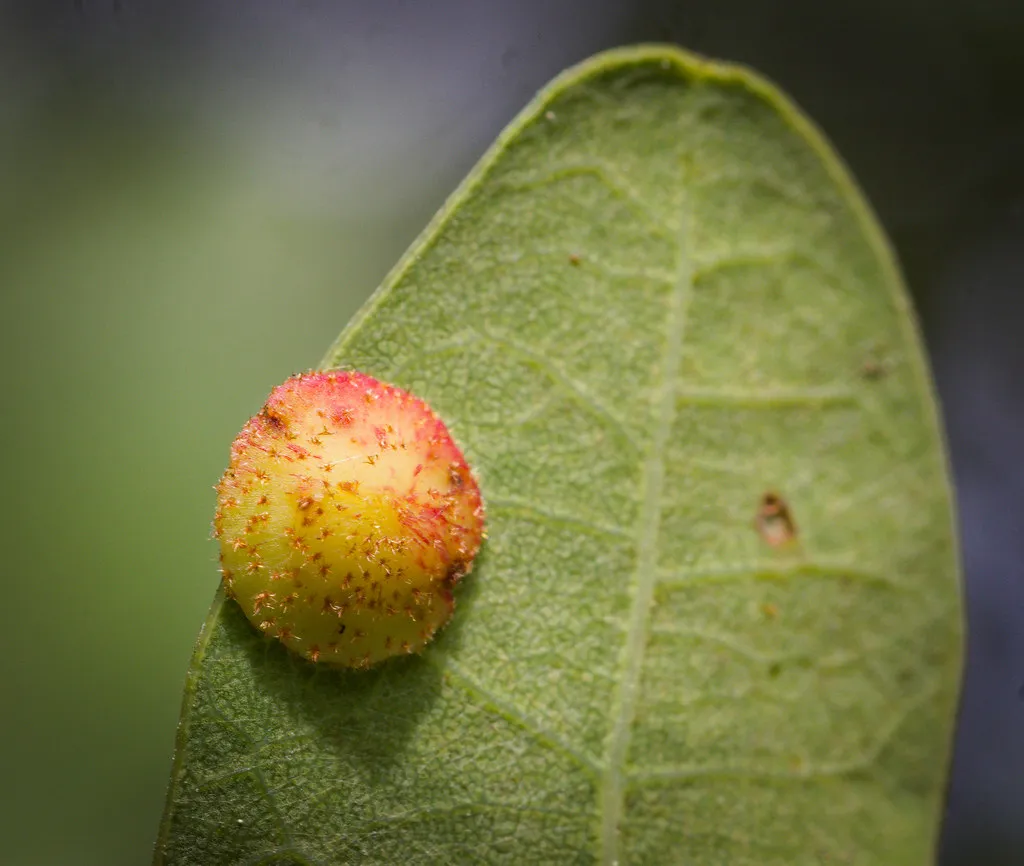
These unusual plant growths range in size at maturity from half an inch to two inches in diameter and are named for their resemblance to apples. Oak apples may be brownish, yellowish, greenish, pinkish, or reddish, which explains why they’re so often mistaken for some kind of wild fruit.
The Tiny Wasp Behind It All
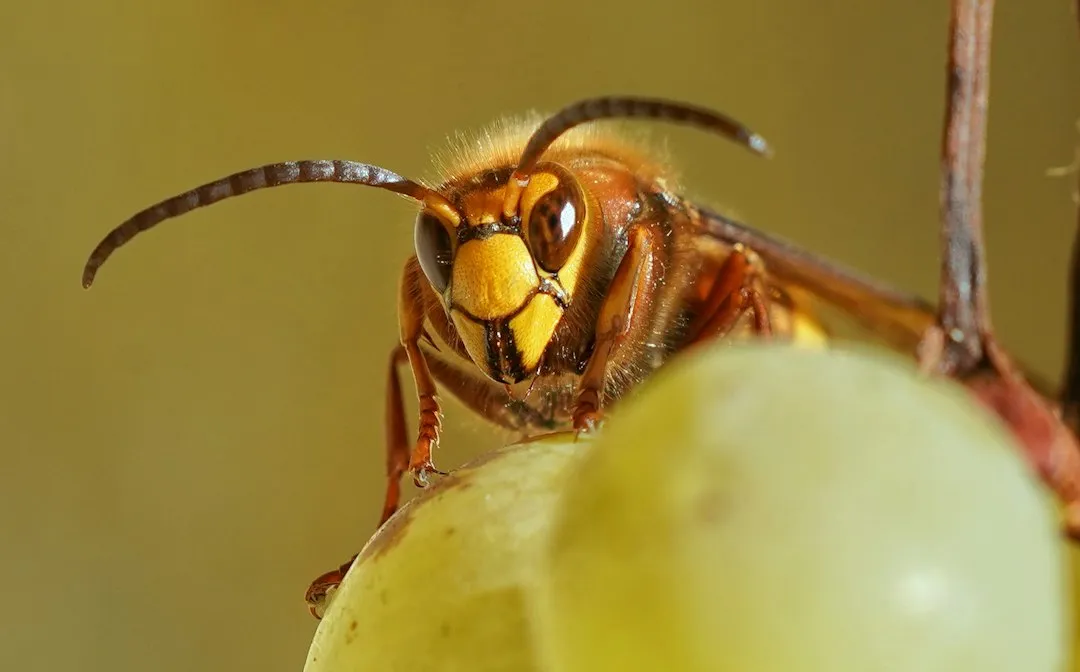
Several wasp species in the family Cynipidae, known as gall wasps, are responsible for the formation of oak apple galls. Most species that create oak apple galls occur in the genus Amphibolips. Some common oak-apple-forming species are Biorhiza pallida in Europe, Amphibolips confluenta in eastern North America, and Atrusca bella in western North America.
Of the over 800 different gall-makers on oaks, over 700 are gall wasps. In other words, when trying to identify an insect gall on an oak, there is a high probability it was produced by a gall wasp.
There are over 50 species of gall wasps known to produce oak-apple galls in North America, and there are probably at least 10 to 15 distinct species of oak-apple gall wasps found in Ohio alone. The family is vast, specialized, and remarkably successful.
How the Gall Forms: A Chemical Takeover
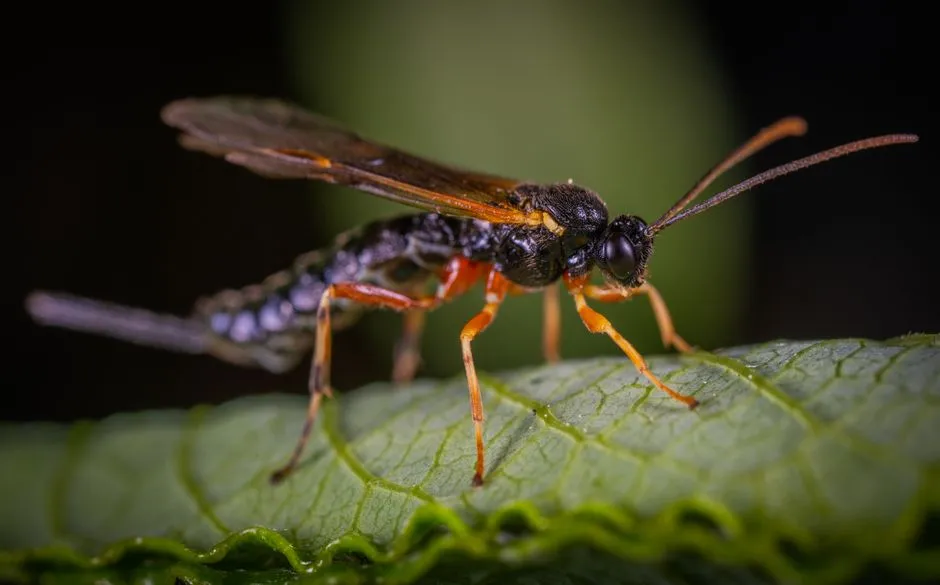
A female gall wasp has but one objective: to deposit her eggs. Finding a newly forming leaf, she carefully deposits a single egg into its central vein. Along with this egg she injects special chemicals and hormones that aid in the creation of the gall structure itself by altering the leaf’s typical growth pattern.
Part of the reason the gall-making process is so complex is because gall-making insects produce chemicals that turn plant genes on and off at just the right time to direct gall growth. Research has revealed that gall-makers are able to produce chemical replicas of plant hormones, or they produce “hormone analogs,” which are molecules that may be nothing like plant hormones, but the plant’s response is the same.
Gall formation by wasps and other gall-making insects is a complex and fascinating process that is not yet fully understood. Thus far, no researcher has ever produced a plant gall without the aid of a gall-maker. That fact alone says something about how precise and intimate this biological relationship really is.
Life Inside the Gall
Inside, thin fibers extend from the outer walls of the gall toward the center where a tiny cell sits, suspended at the core, resembling a starburst. All within the safety of this little chamber, the tiny larva feeds, grows, and matures. Sometime in midsummer, it achieves full growth and forms a pupa.
A single wasp develops within each oak apple gall in a chamber. As the wasp grows, it feeds on special cells called nutritive cells that grow within the gall. Nutritive tissue that is fed upon by the wasp is replaced by neighboring cells, so these wasps have a steady supply of food.
In general, there are two groups of oak-apple galls: those with internal tissue composed of a mass of white fibers radiating from the central larval capsule, and those with tissue that strongly resembles the flesh of an apple, spongy and juicy. The difference is visible when you cut one open, and it’s genuinely striking.
A Two-Year Life Cycle That’s Anything but Simple
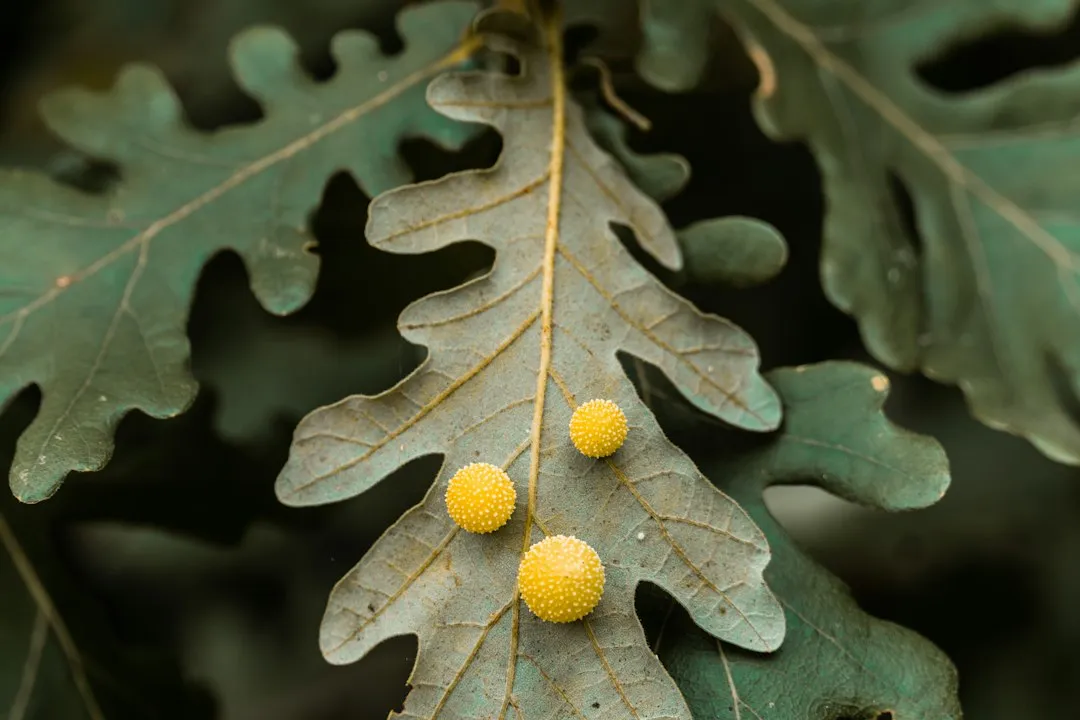
The life cycle of oak gall wasps is relatively complex and atypical in comparison to other insects. Gall wasps in the family Cynipidae engage in a reproductive strategy called cyclical parthenogenesis, which only occurs in a few animal groups. Cyclical parthenogenesis means there are alternating generations that reproduce sexually and asexually.
The spongy oak apple gall wasp Amphibolips confluenta has an interesting lifecycle that spans two years, all of which is centered upon a single oak tree. Preferring red, black, or scarlet oaks, the wasp’s life cycle begins underground where the tiny larvae hatch from eggs and take their sustenance from the roots of the tree. For an entire spring and summer, they feed beneath the soil, finally forming tiny pupae which then overwinter among the rhizomes.
Typically, the gall formed by the females of the sexual generation appears in spring and early summer, on a different part of the oak than the later asexual generation. In many species, the sexual galls are recorded less often than the asexual galls, which are often larger and persist longer.
When the Wasp Finally Leaves
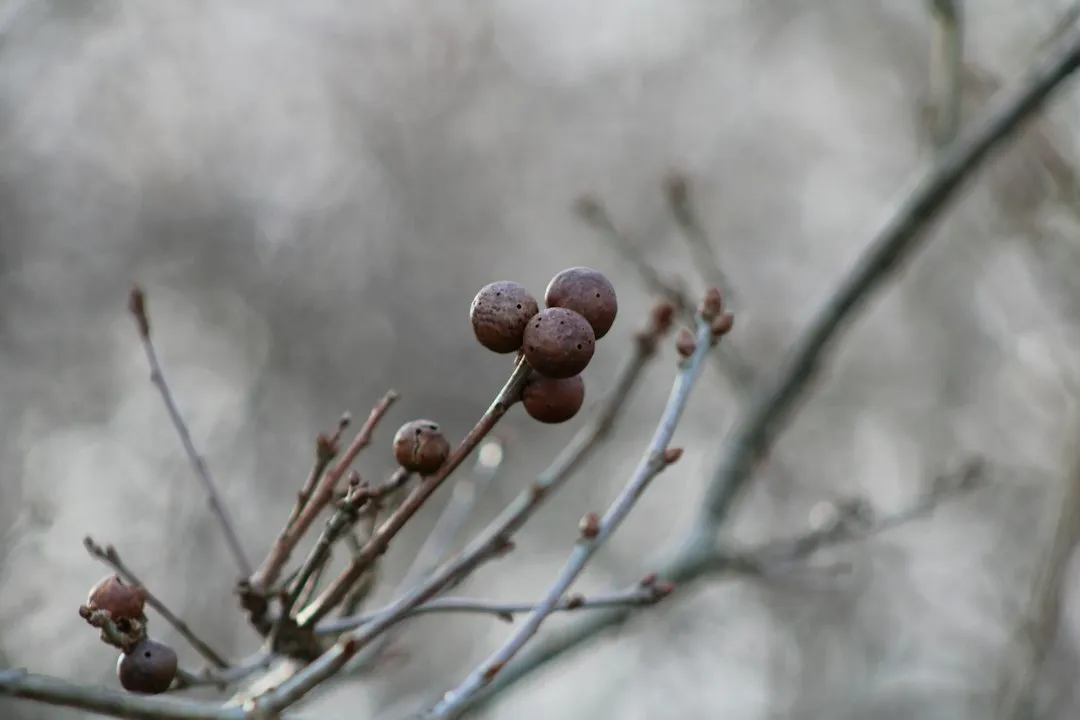
In the fall, the adult wasp hatches from the pupa and then drills a hole through the gall where it has developed up to this point. When the wasps housed within the galls finish their development and exit, the galls turn brown.
Each gall contains a central chamber with a single female wasp larva of the asexual generation, which emerges through a woodworm-like hole as an adult winged gall-wasp. The tiny exit hole is often the clearest sign that a gall is spent and the wasp has moved on.
Once the wasps vacate the galls, they become beneficial to other species. Scientists found that creatures like jumping spiders moved into the galls, using them as homes. An abandoned gall doesn’t go to waste for long.
Do Oak Apple Galls Harm the Tree?
As is the case with most plant galls, oak apple galls do not typically harm the oak tree, so management is often unwarranted. While an infestation of these wasps could theoretically harm the tree by preventing enough leaves from forming for photosynthesis, this generally doesn’t happen in a healthy forest, and the wasp is a fairly neutral parasite in this case.
Some wasp species in the family Cynipidae may cause injury or death on small branches from the galls they produce, but most species do not cause damage. In fact, galls produced by some cynipids have been considered economically valuable.
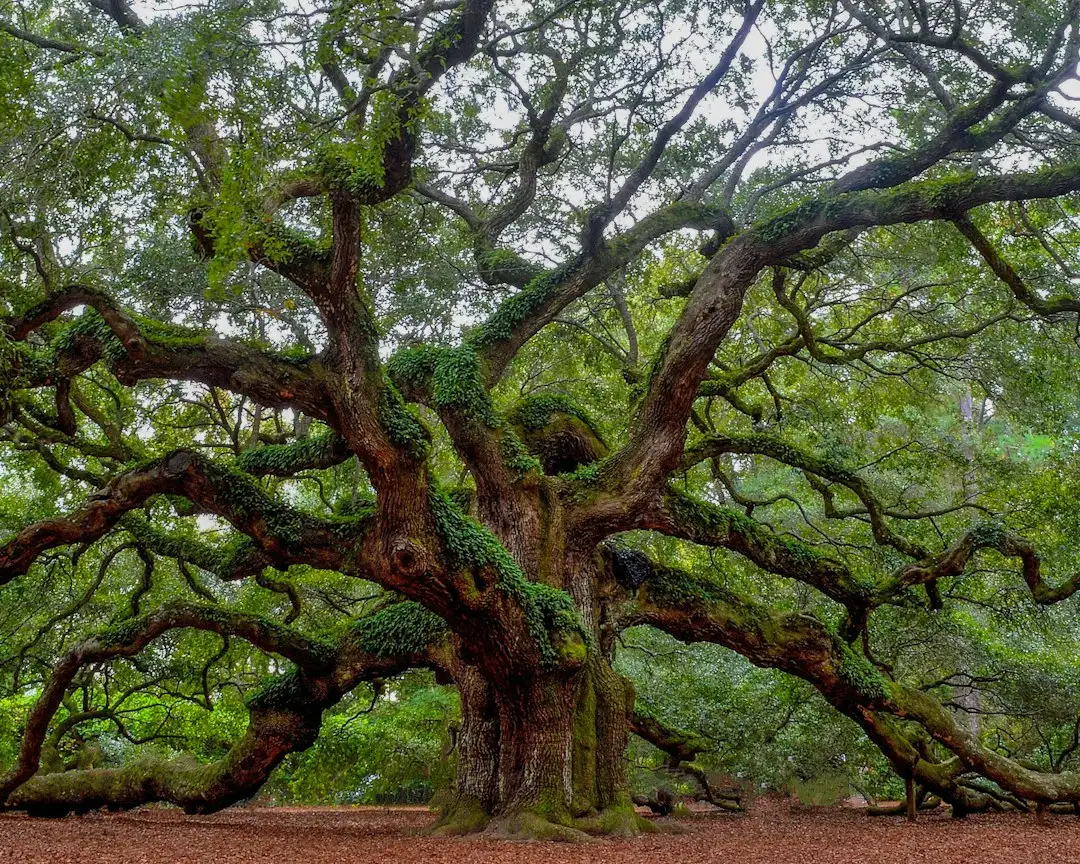
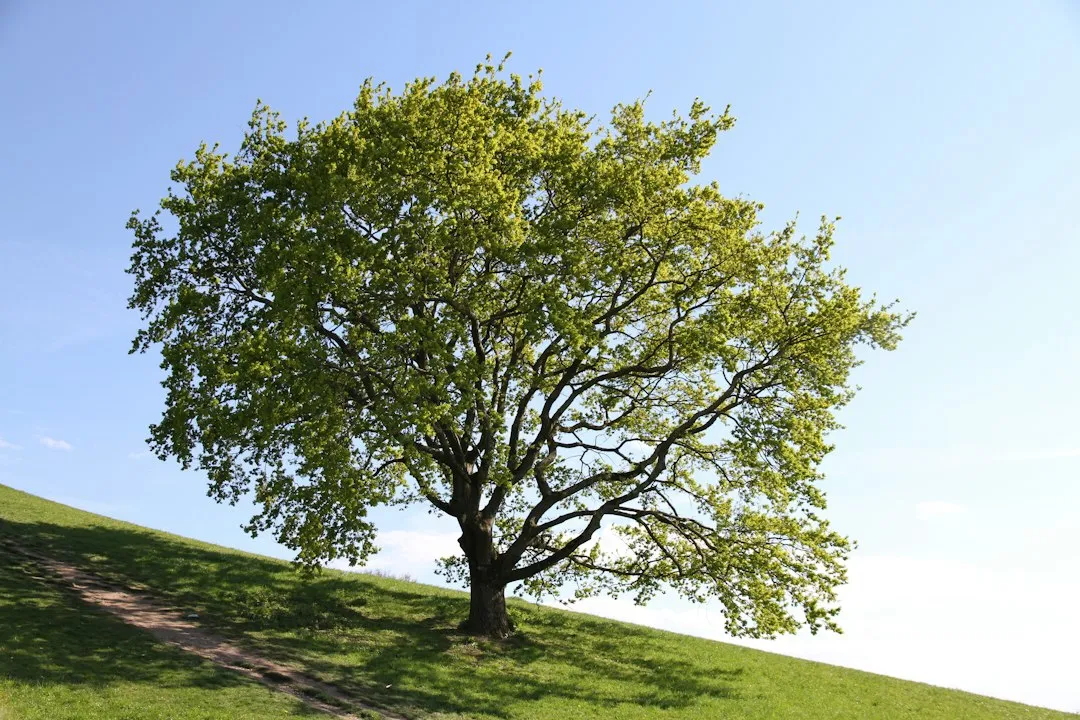
Oaks are known to host more galls than any other plant group. The sheer variety of species that oaks support, including gall wasps, reflects how ecologically central these trees are in both North American and European woodland systems.
A Surprising History: Oak Galls and the Written Word
Oak galls have been used in the production of ink since at least the time of the Roman Empire. From the Middle Ages to the early twentieth century, iron gall ink was the main medium used for writing in the Western world.
Oak gall ink was the most popular ink in Europe from the Middle Ages to the 19th century. The Book of Kells from A.D. 800, the Magna Carta, and the Declaration of Independence were all written in gall ink.
Medieval scribes carried kits including a pen knife, quills, and an inkbow of gall ink, leading to its use by numerous artists, including Leonardo da Vinci and Jane Austen. Gall ink is well known for being permanent, waterproof, and the preferred ink for parchment paper. That permanence is partly why so many historical documents have survived.
Modern Research: What Scientists Are Still Learning
Quercus species have been widely used in traditional medicine, and recently, researchers’ attention has focused on galls of the genus Quercus as a source of health-promoting phytochemicals. A review published through PubMed and Embase covering research from January 2018 to June 2023 summarized the most recent findings on the phytochemistry and bioactivity of oak galls.
Oak galls are rich in active compounds, mostly gallotannins and phenolic acids. Due to these secondary metabolites, reviewed studies demonstrated a wide range of biological activities, including antioxidant and anti-inflammatory actions, antimicrobial properties, tissue-protective effects, and antitumor, anti-aging, and hypoglycemic potential.
A study published in January 2024 in Plant Physiology focused on metabolic profiling of two morphologically distinct oak leaf galls induced by cynipid wasps. The translucent oak galls in that study contained cells to store acid, similar to cells found in fruits, which adds yet another layer of complexity to how these structures are built and sustained. Research on oak galls is genuinely still unfolding.
How to Spot Them and What to Look For
The California gallfly produces the large “oak apple” galls, named so because they are roughly apple-sized and start green before often turning a yellow-golden color, then turning brownish-gray in the fall as they age. The galls range in size from two to fourteen centimeters across and often contain multiple larvae as well as parasites and other species that form a mutual relationship by feeding off the galls themselves.
These galls are named for their round shape and green color, which resemble apples. Usually, the growths are about two inches in diameter. Oak apple galls often have bumps that are purplish in color.
Each type of wasp forms its own type of gall, which can vary in shape, size, color, and even texture. If you find two galls that look different on the same tree, you’re likely looking at the work of two distinct wasp species. Paying attention to these details turns a casual walk in the woods into something much more interesting.
The Takeaway
Oak apple galls are one of those things that reward a second look. What appears to be an oddity, a blemish, or a misplaced fruit turns out to be a precisely engineered biological shelter, a chemical negotiation between insect and plant that scientists still don’t fully understand.
These structures have fed larval wasps for millions of years, supplied ink to medieval scribes, and now attract the attention of pharmacologists looking at their antioxidant and antimicrobial compounds. Not bad for something most people walk past without a second glance.
The next time you spot one on an oak leaf, it’s worth pausing. Inside that small, apple-shaped globe, something is either growing, or it has already flown away.
AI Disclaimer: This article was created with the assistance of AI tools and reviewed by a human editor.