

Winter roads have a way of turning an ordinary commute into something you weren’t expecting. Black ice appears without warning, a dead battery can strand you miles from the nearest exit, and a brief detour in a snowstorm can become hours of waiting in a freezing car.
In 2024, roughly 39,345 people died in motor vehicle accidents in the United States, with nearly a quarter of all fatal crashes occurring in winter weather conditions. Around 70 percent of the U.S. population lives in areas that experience snowy and icy conditions during the winter months, meaning this is not a distant risk for most drivers. What sits in your trunk this season may matter more than you think.
1. Ice Scraper and Snow Brush
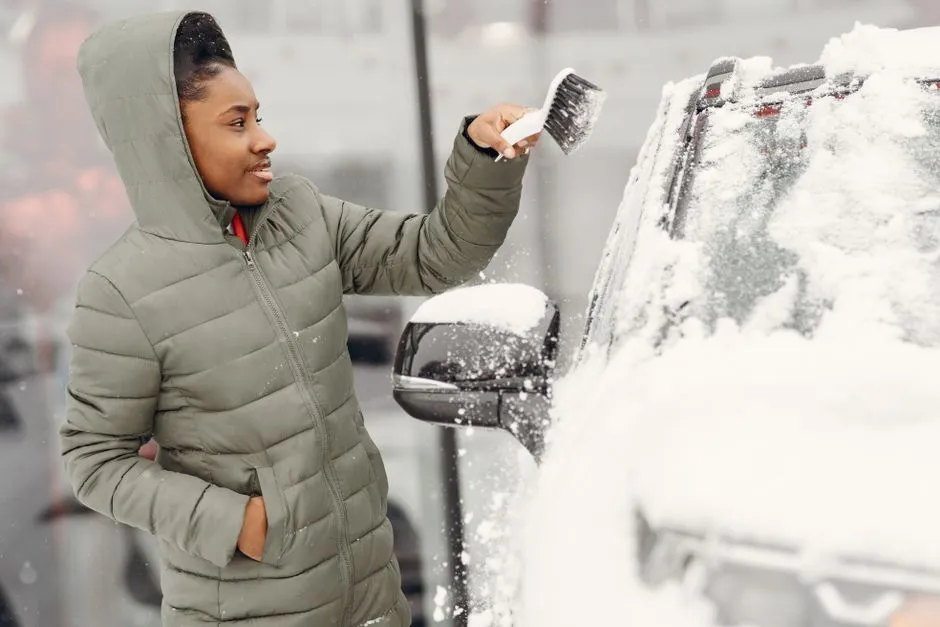
The ice scraper is one of the single most important tools you can keep in your vehicle during winter. An emergency situation can demand a speedy departure, leaving you with no time to wait for windows to defrost on their own.
According to The Zebra, 35 percent of all respondents in their winter driving survey identified the ice scraper as the most valuable tool to keep in a winter driving safety kit. That number speaks for itself.
A compact snow brush and ice scraper is essential for clearing frost, ice, and snow from your windshield, windows, headlights, and roof to maintain proper visibility. A long-handled model that can reach the roof of a sedan or SUV is well worth the extra few dollars.
2. Jumper Cables or a Portable Jump Starter
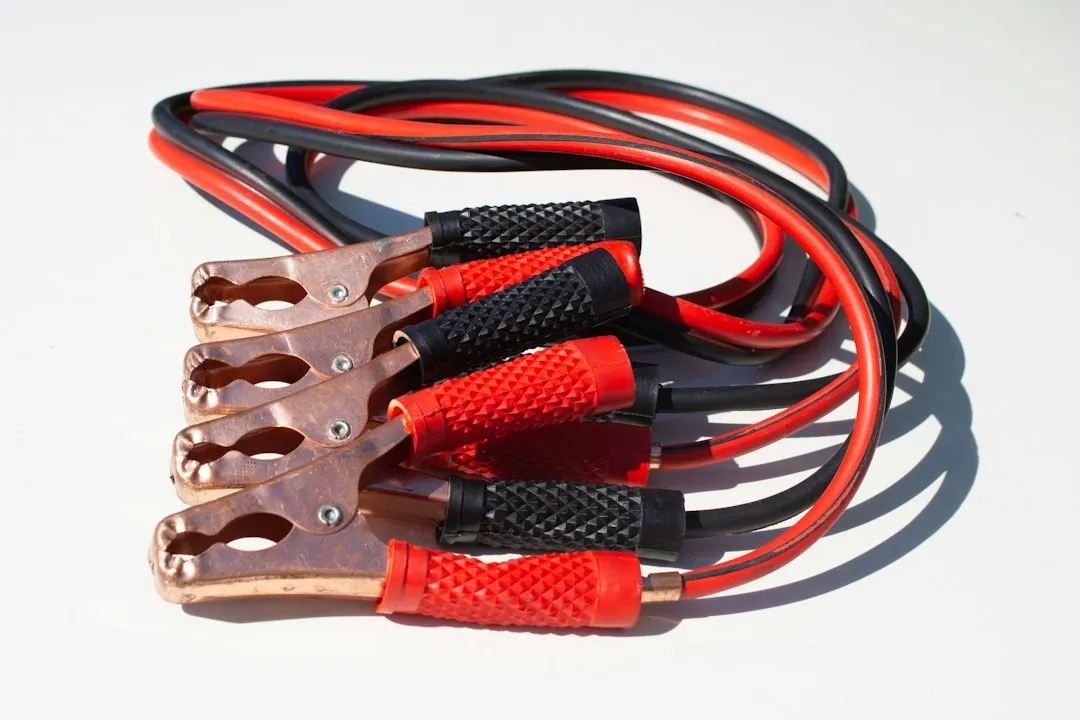
Cold weather drains your battery fast. At 32 degrees Fahrenheit, a car battery loses about 35 percent of its strength. At 0 degrees Fahrenheit, it loses roughly 60 percent. Simultaneously, your engine requires nearly twice as much power to start because the oil has thickened.
A dead battery is one of the most common vehicle-related emergencies. Jumper cables get you back on the road quickly, especially if you can flag down a passing motorist or contact a tow service.
A portable jump starter is a self-contained lithium-ion power bank that starts your car without needing a second vehicle, which makes it an especially practical option when you’re stranded somewhere remote or late at night. Both options belong in every winter car kit, and the American Red Cross lists jumper cables among its core car emergency essentials.
3. Warm Blankets and Extra Clothing

Cold temperatures pose one of the most serious risks during winter travel emergencies. Drivers who become stranded may be exposed to freezing conditions for extended periods.
Hypothermia is an unusually low body temperature, and a reading below 95 degrees Fahrenheit is considered a medical emergency. If your car shuts off and won’t start, it takes the heat with it. Be sure to have plenty of warm clothing and blankets available for both you and any passengers. Consider adding a heat-reflective emergency blanket to your supplies, as these are specifically designed to trap heat and keep you warmer than a standard household blanket.
FEMA’s own WinterReady guidelines list blankets and warm clothes as non-negotiables in any vehicle emergency kit. Wool blankets are a particularly reliable choice because wool retains warmth even when damp.
4. Flashlight with Extra Batteries
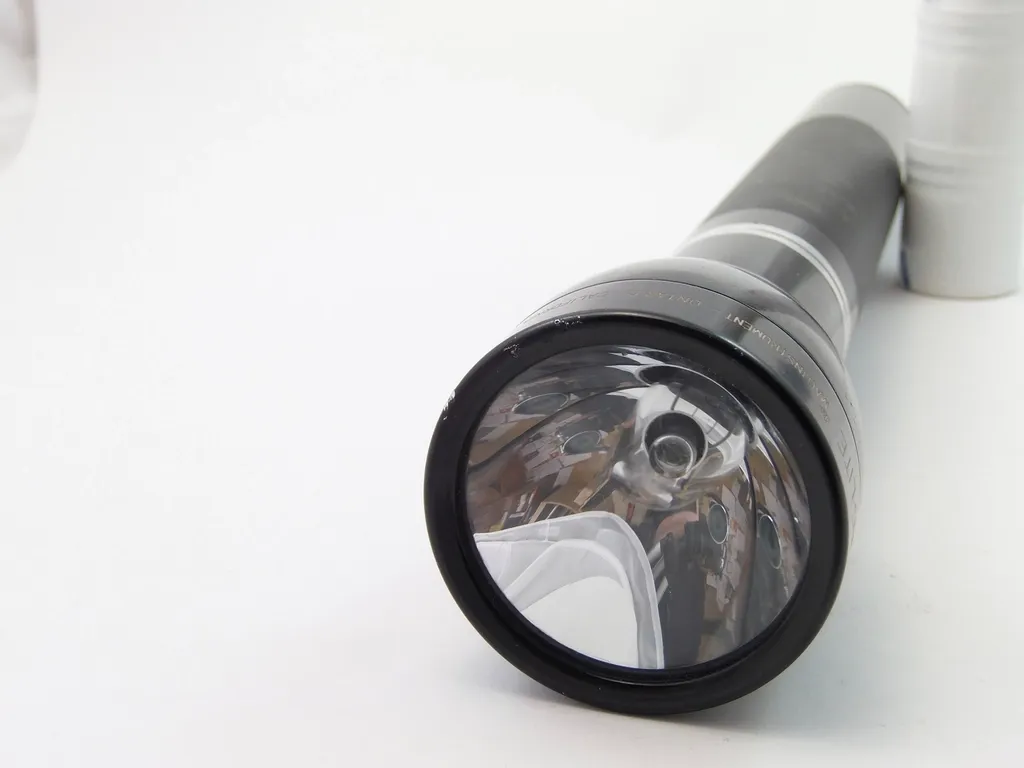
A flashlight with extra batteries illuminates your surroundings if you are stranded at night or in bad weather. Winter days are short, and breakdowns don’t schedule themselves around daylight hours.
Look for at least one waterproof flashlight with a solid IPX rating. Swap out batteries each spring and fall, and always keep spare batteries in the kit, as cold weather drains them faster than normal.
A headlamp is also worth tucking into the kit alongside a standard flashlight. If you need both hands free to work under the hood or signal for help, a headlamp removes a real obstacle without any added bulk.
5. First Aid Kit
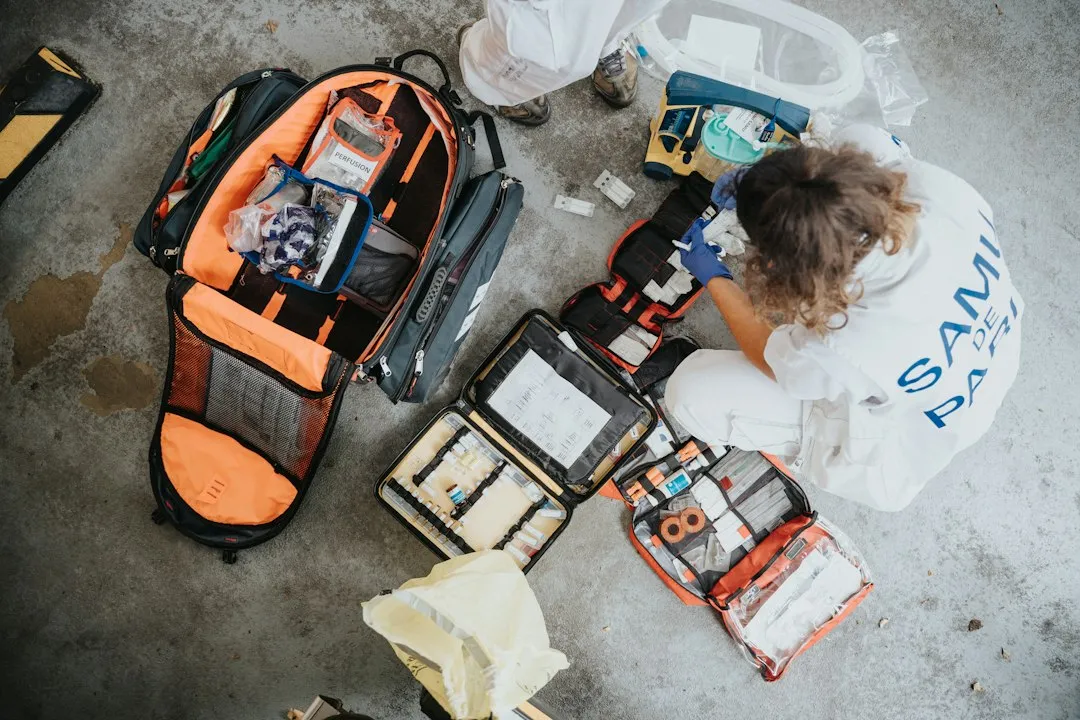
A first aid kit is essential to keep in the car year-round for wounds, burns, or any type of injury. Winter collisions, minor fender-benders on icy roads, or even the simple act of slipping on frozen pavement can all result in injuries that need immediate attention before help arrives.
Annually, there are approximately 156,000 crashes caused by icy roads, meaning the odds of being near an accident scene at some point over a winter season are not insignificant. Having even a basic kit with bandages, antiseptic, and pain relief can make a real difference while waiting for emergency services.
A comprehensive first aid kit is designed to treat injuries until professional help arrives. Agencies like FEMA and the American Red Cross both recommend including a first aid kit as one of the core supplies in any vehicle emergency kit.
6. Small Shovel and Traction Aid
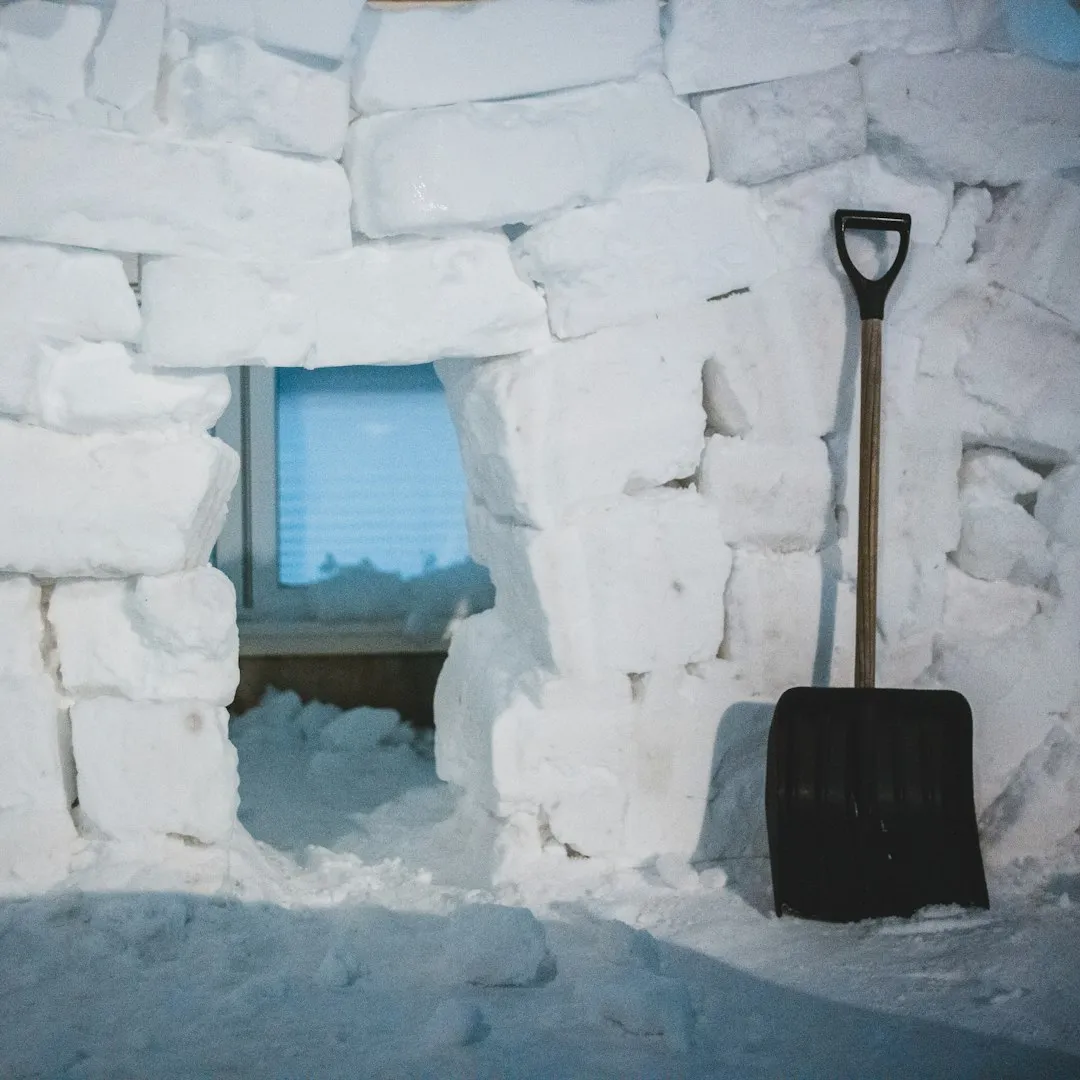
A small shovel digs your vehicle out of snow if you become stuck off-road or in a drift. Compact, collapsible designs store easily in a trunk without taking up much space, and the difference they make when your front wheels are buried in packed snow is immediate.
A bag of cat litter can also be used for tire traction if you get stuck in snow or ice. Sand works equally well. Traction mats are another option, placed directly under the drive wheels if your tires are spinning on ice.
Part of the reason winter roads cause so many accidents is that snow and slush can reduce speed by 30 to 40 percent on major roads, and it can take up to ten times longer to stop on a snow-covered surface. Getting unstuck quickly reduces the time you and your passengers spend exposed on the roadside.
7. Food, Water, and a Portable Phone Charger
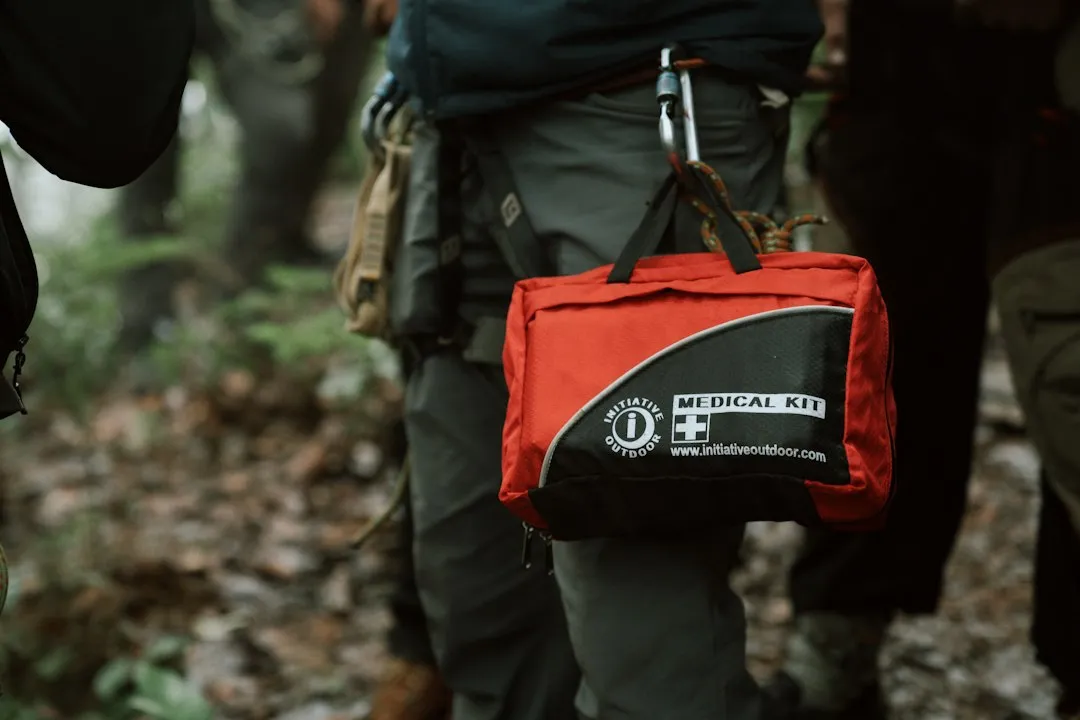
A winter car emergency kit should include essential supplies such as food, water, and safety equipment designed for cold-weather emergencies. Non-perishable options like energy bars, nuts, or dried fruit are ideal because they survive extreme temperature swings without spoiling.
Store water in flexible containers to allow for expansion if the liquid freezes overnight. Even a small amount of water can be critical during an extended wait, especially for children or older passengers who are more vulnerable to dehydration in stressful conditions.
A portable phone charger and a charged power bank are also practical additions. They ensure you can communicate even if your car battery dies completely. A cell phone car charger lets you keep your phone active if your car stalls for any reason, and cell coverage is rarely guaranteed in rural or mountainous winter terrain.
8. Reflective Triangles or Road Flares
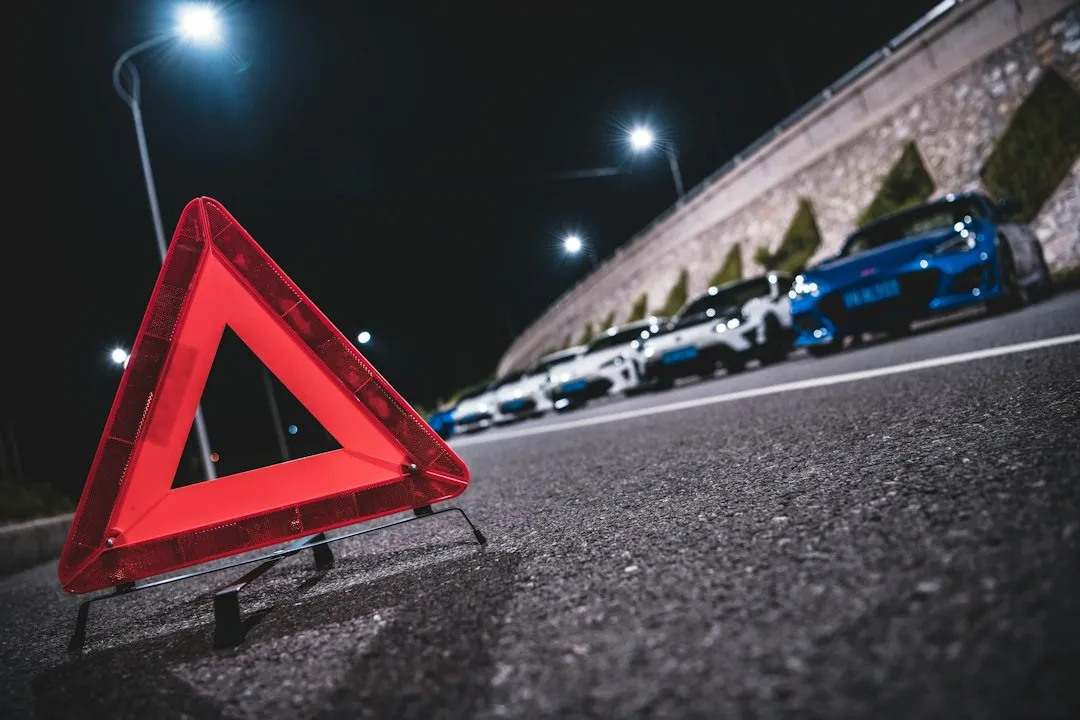
Flares and reflective flags alert other drivers to your disabled vehicle, which becomes critically important at night or during a snowstorm when visibility is already compromised. A stationary vehicle on the side of a winter road without any warning signals is a serious hazard for everyone on that stretch.
Approximately 15 percent of all weather-related car crashes happen during snowfall or sleet, causing nearly 900 fatalities and injuring around 76,000 people yearly. Accumulating snow obscures road markings and reduces visibility, while sleet creates a thin ice layer that can be deceptively hazardous.
Reflective triangles are reusable and compact, making them the more practical long-term choice. Road flares provide a more vivid signal in heavy snow but require careful handling. Having at least one of each covers both scenarios reliably.
9. Windshield De-Icer Spray
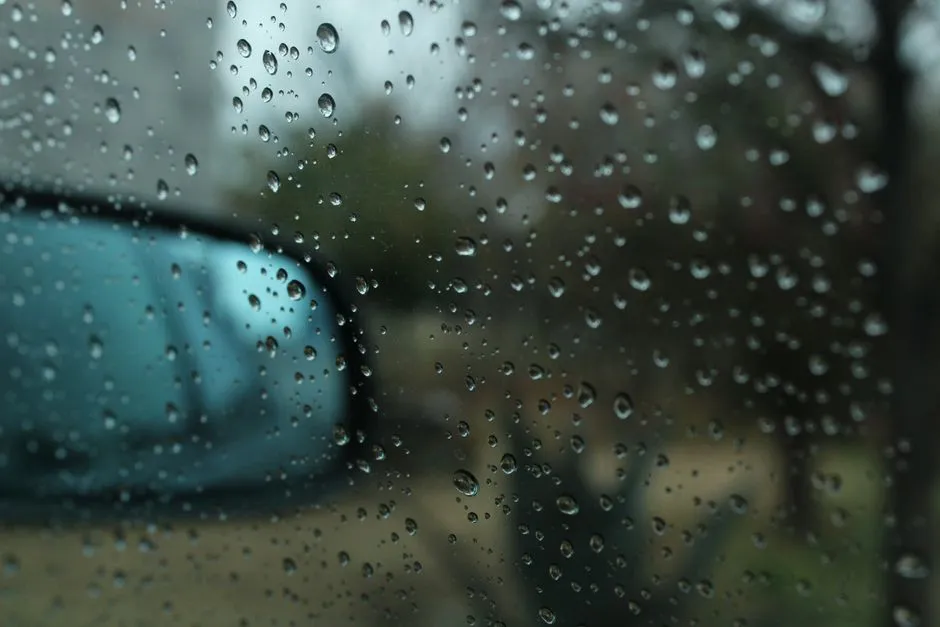
An ice scraper handles most mornings well, but there are days when a thick layer of ice bonds to the glass in a way that makes manual scraping genuinely slow and difficult. A bottle of windshield de-icer spray works alongside the scraper rather than replacing it, cutting the process down significantly.
Sleet and snow can reduce visibility and make it more difficult to control your vehicle on icy roadways, which is exactly why getting your windows fully clear before moving is not optional. De-icer is particularly useful for door handles and locks that freeze shut, a common frustration in overnight cold snaps.
Keep a spare bottle in the trunk rather than inside the car, since temperatures inside a parked car can drop low enough to affect some spray formulations. A quick check of the label for a minimum effective temperature is worth doing before each winter season.
10. Emergency Whistle and Roadside Safety Items
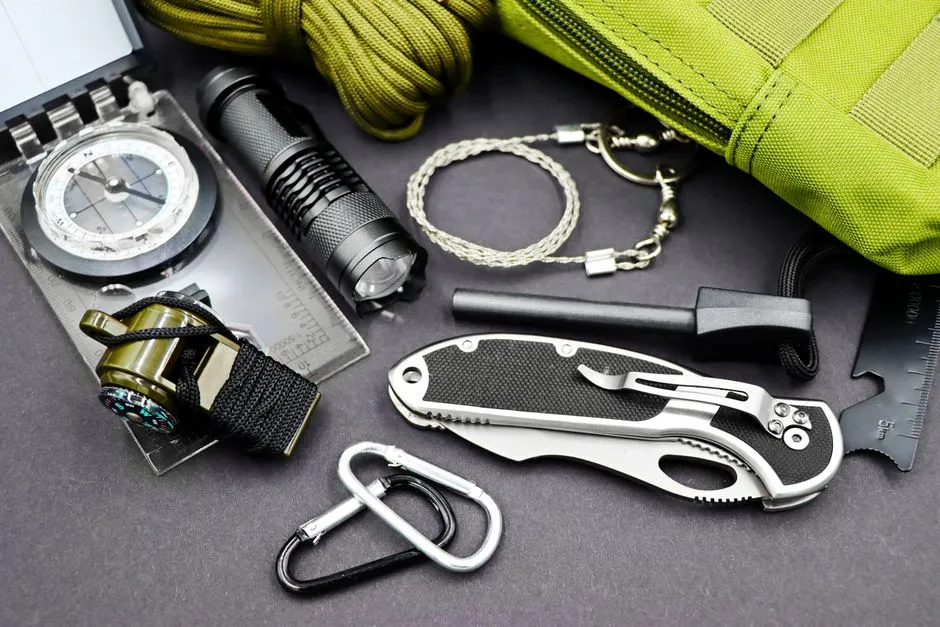
Emergency preparedness guidelines from the Utah Division of Emergency Management recommend including a plastic whistle with a neck cord in your vehicle kit, alongside flashlights and chemical glow sticks. A whistle requires no battery, no signal, and no functioning technology to summon help.
Surprisingly, the vast majority of vehicles on the road don’t carry any emergency car kit at all. Even among those who do carry a kit, roughly 30 percent of owners don’t check to make sure it’s fully stocked. Small items like a whistle, duct tape, or a utility knife often close the gaps that a standard prepackaged kit leaves behind.
Keep in mind that items stored in your vehicle will experience extremes in both hot and cold temperatures, so only include items that can withstand those ranges. You may also need to rotate items more frequently than supplies stored indoors. A quick inventory at the start of each winter season takes only minutes and can reveal expired supplies or missing items before they become a problem.
The Takeaway
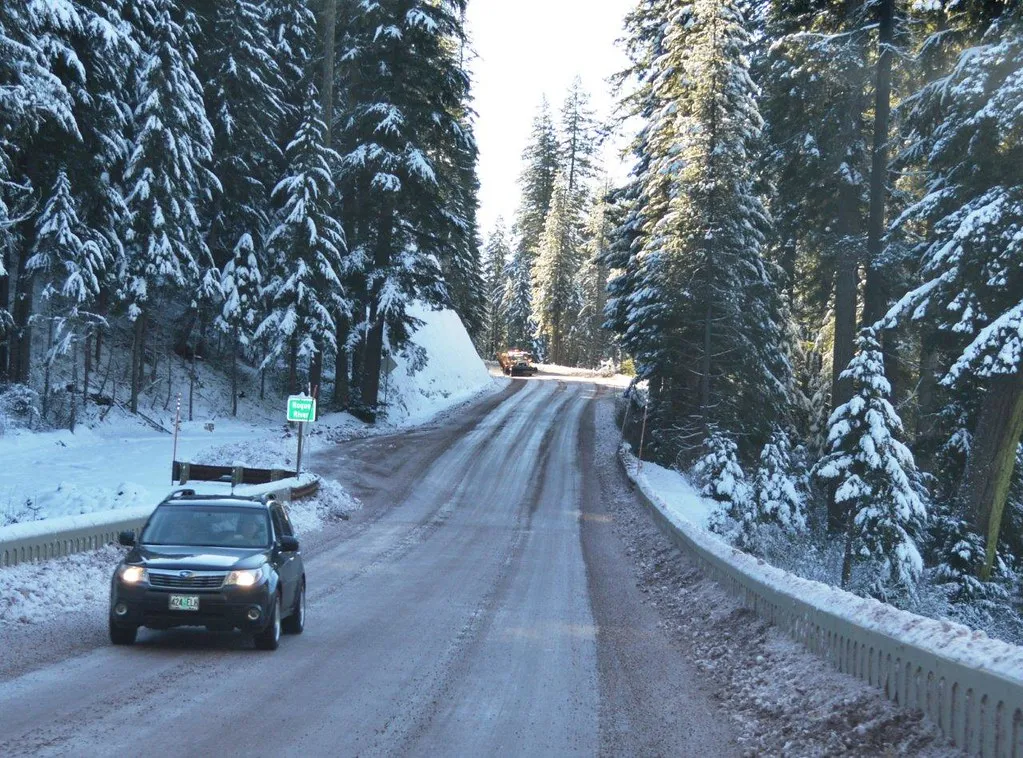
None of these items are expensive, and most take up very little space. The real cost of skipping them only becomes obvious when you actually need one of them on a cold January roadside. Having a well-equipped winter emergency kit in your car isn’t just a precaution. It could mean the difference between a minor inconvenience and a potentially life-threatening situation.
Winter preparedness doesn’t require a dramatic overhaul of your routine. It requires one afternoon, a storage bin, and the items listed above. That’s a reasonable trade for the peace of mind that comes with knowing you and your passengers are covered, whatever the road decides to throw at you.
AI Disclaimer: This article was created with the assistance of AI tools and reviewed by a human editor.