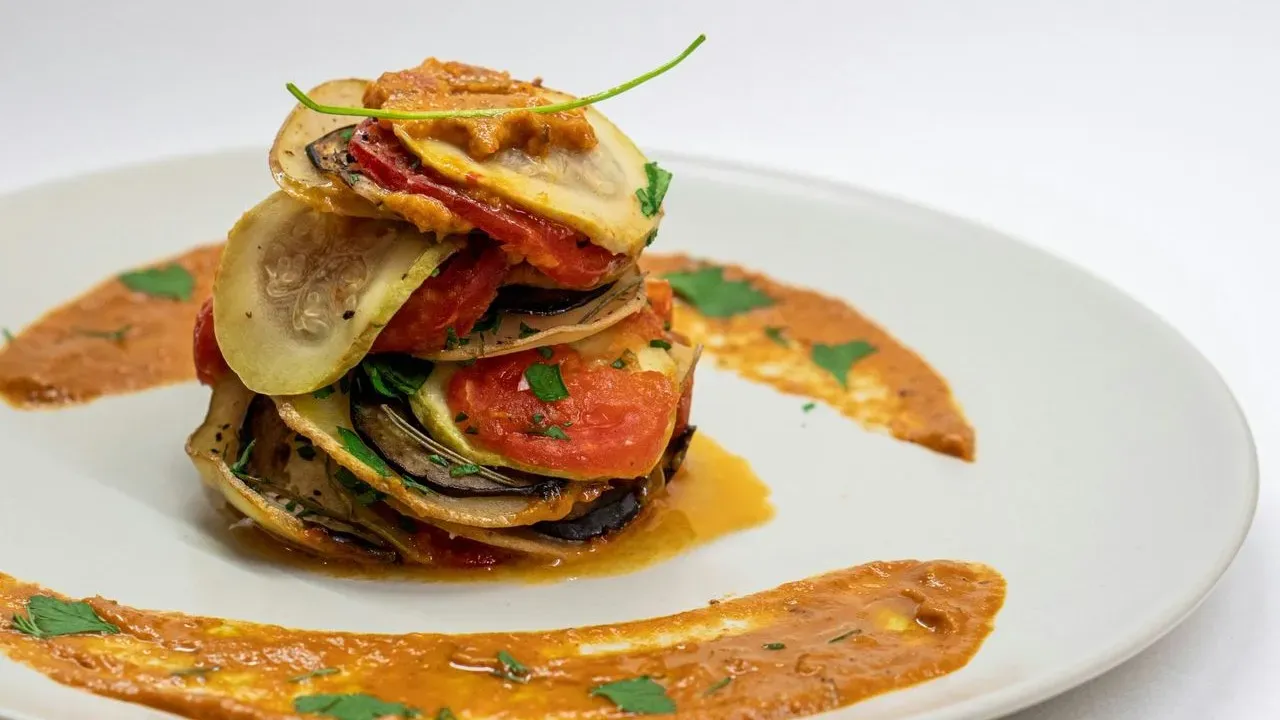

Gardeners and home cooks often pack away summer vegetables once cooler weather arrives, yet early October brings a fresh window for one classic dish. Eggplant, zucchini, tomatoes, and peppers reach peak ripeness in many regions right now, offering a final burst of flavor before frost. A simple sheet-pan approach turns these ingredients into a satisfying meal while adding protein and texture through crispy spiced chickpeas.
Harvest Timing Changes the Dish
The assumption that ratatouille belongs only to peak summer overlooks how October light and cooler nights concentrate flavors in late-season produce. Gardeners pulling the last of their eggplants and peppers find the vegetables hold up well to roasting, which draws out natural sweetness without extra effort. This timing aligns with the practical need to use what remains in the ground before the season closes. Many cooks discover that the same vegetables that shine in quick sautés also deliver deeper results when given time in a hot oven. The result feels substantial enough for cooler evenings yet still celebrates the garden’s final offerings.
Sheet-Pan Method Simplifies Preparation
Traditional ratatouille often requires multiple pans and careful layering on the stovetop. The sheet-pan version reduces active time by letting the oven handle the work. Vegetables are cut into similar sizes, tossed with oil and herbs, then spread in a single layer for even browning. This hands-off technique frees cooks to tend to other tasks while the dish develops its signature stewed character. Cleanup stays minimal, an advantage during busy harvest weeks when time in the kitchen competes with time outdoors.
Crispy Chickpeas Add Protein and Texture
Chickpeas roasted alongside the vegetables bring a welcome contrast to the soft, yielding ratatouille base. Spices such as cumin, paprika, and a touch of cayenne create a savory crunch that turns the dish into a more complete meal. The legumes absorb some of the vegetable juices while staying crisp on the surface. Home cooks report the addition makes the recipe more filling without relying on meat or extra starches. It also stretches the yield, useful when garden hauls vary from week to week.
Practical Steps for Garden Cooks
– Choose firm, glossy vegetables still on the plant or recently picked. – Cut everything uniformly so pieces finish cooking together. – Roast chickpeas separately or on a second tray to preserve their crunch. – Season simply with olive oil, salt, garlic, and fresh herbs from the garden. – Serve warm or at room temperature for flexible weeknight meals. These adjustments keep the focus on what the garden provides rather than on elaborate technique. The approach turns an end-of-season surplus into repeated meals that feel both familiar and renewed. As daylight shortens, such straightforward dishes help bridge the gap between summer abundance and winter planning.
AI Disclaimer: This article was created with the assistance of AI tools and reviewed by a human editor.