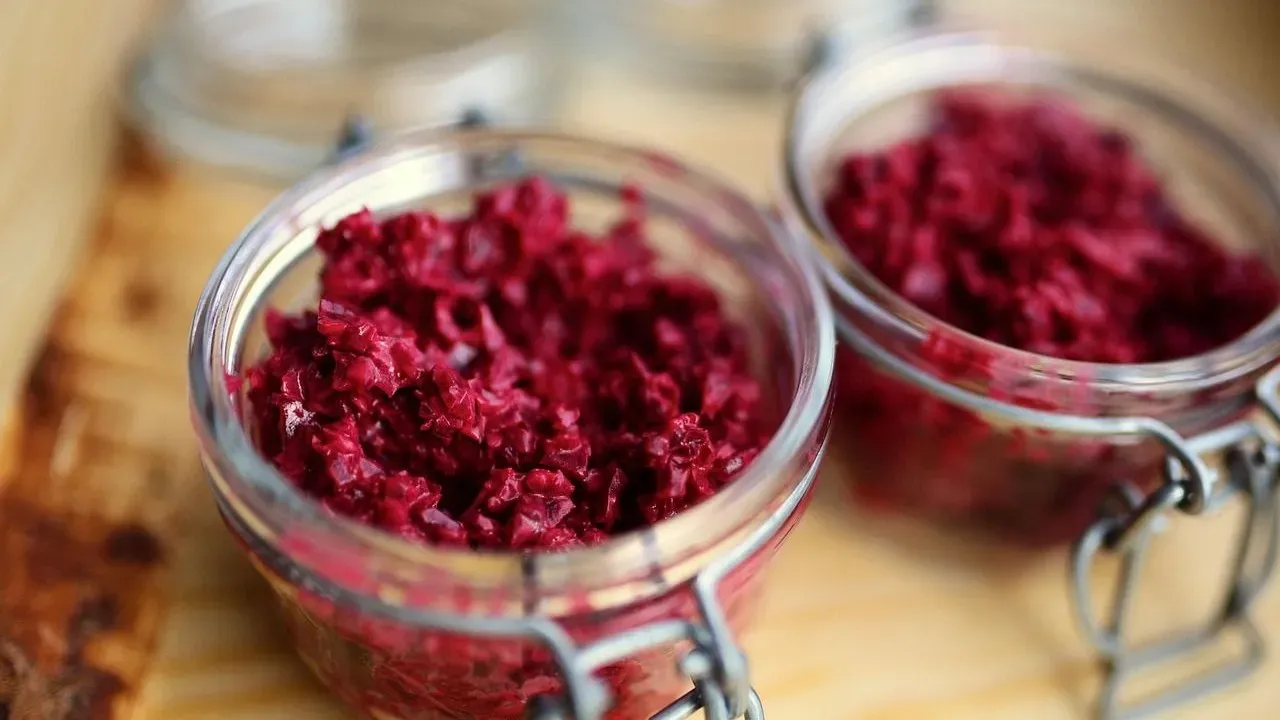

As October brings peak harvest season for beets, many home cooks reach for pickling as a reliable way to extend the crop. A sealed jar of store-bought pickled beets stays shelf-stable for 12 to 18 months in the pantry. Once opened, the clock changes sharply, and refrigeration becomes essential for safety and quality.
The Seal Changes the Rules
A properly sealed jar creates an acidic, airtight environment that limits spoilage. Vinegar lowers the pH enough to keep the product stable at room temperature for well over a year. Opening the jar introduces air and potential bacteria, so the same high-acid product now needs cold storage to slow growth.
Beets themselves rank as a low-acid vegetable, similar to carrots or green beans. Without sufficient vinegar, home-canned versions could support dangerous bacteria. Tested recipes call for twice as much vinegar as water to reach safe acidity levels, and that ratio must stay exact rather than adjusted for taste.
Storage Times by Type
Commercial and home-canned pickled beets follow clear patterns once the differences between sealed and opened jars are understood. The figures below reflect official guidance on high-acid canned foods.
| Form | Location | Duration |
|---|---|---|
| Store-bought, unopened | Pantry, below 85°F | 12-18 months |
| Store-bought, opened | Refrigerator | 5-7 days |
| Home-canned, sealed | Cool, dark spot, 50-70°F | About 1 year |
| Home-canned, opened | Refrigerator | 3-4 days |
Printed dates on commercial jars represent quality estimates, not hard safety cutoffs. A sealed jar several months past its date usually remains fine if the lid shows no damage.
Signs of Trouble
Certain changes signal that a jar should be discarded. A bulging or leaking lid, visible mold, or fizzing brine when opened all point to spoilage. An off smell or cloudy liquid that was previously clear also warrants caution. Normal shifts, by contrast, do not mean the product has gone bad. Beets often release more color into the brine over time, and slight softening can occur with age. These pigment changes and minor texture shifts remain typical for the product.
Keeping Jars at Their Best
Unopened jars belong in a cool, dry pantry or cabinet. After opening, move the container to the refrigerator immediately and keep the beets fully covered by brine. Always use a clean utensil rather than fingers or a used spoon to avoid introducing contaminants. Home canners should follow tested recipes exactly and verify the seal before storage. A lid that stays concave and rings clearly when tapped indicates a proper seal.
Jars that fail the seal test can be refrigerated for short-term use, reprocessed within a day, or frozen instead of left at room temperature. Proper handling turns pickled beets into a dependable pantry staple through the colder months.
AI Disclaimer: This article was created with the assistance of AI tools and reviewed by a human editor.