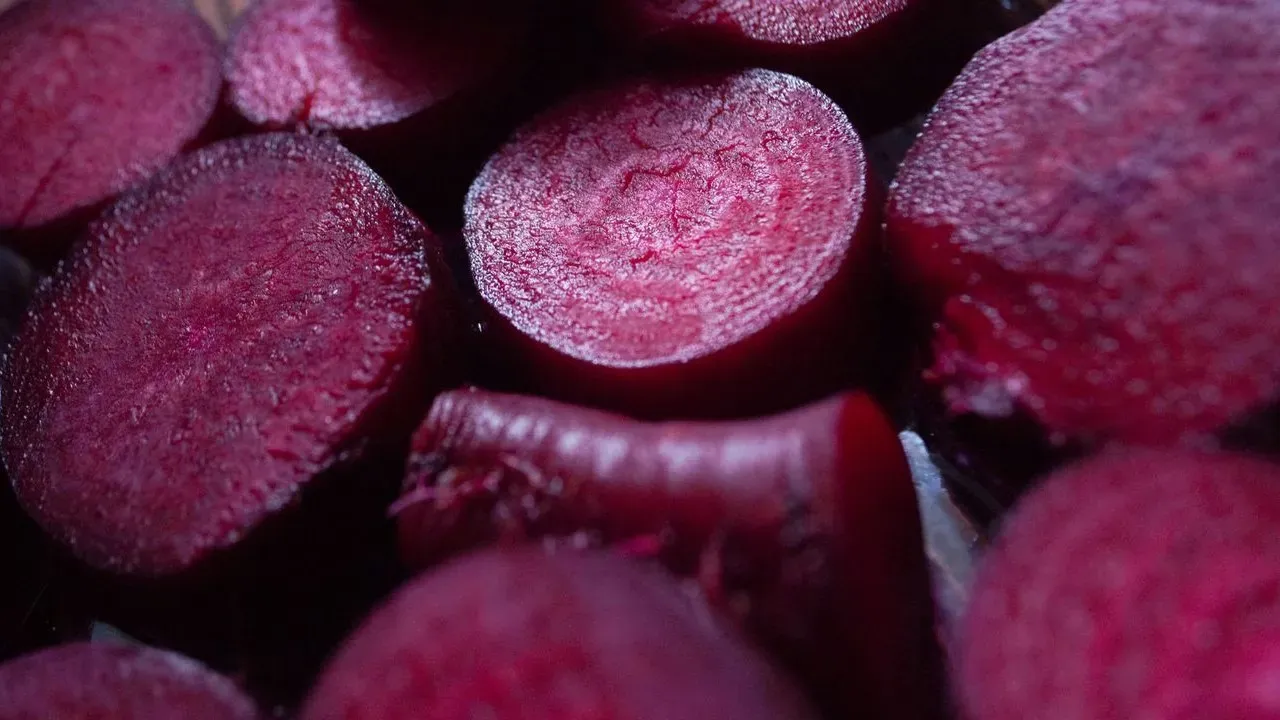

Fresh beets earn their reputation as sturdy keepers in the garden and kitchen, yet many home growers watch them soften far sooner than expected. The leafy tops play a quiet but decisive role in that decline. Leaving them attached after harvest pulls moisture from the roots, accelerating shriveling and reducing storage time.
Why the Greens Accelerate Decline
Beet roots and their leafy tops serve different purposes even after harvest. The greens continue to transpire, drawing water upward from the root to stay turgid. This process leaves the root drier and softer within days rather than weeks. Trimming the tops to one or two inches above the root stops the drain immediately. Extensions from South Dakota State University and Ohio State recommend this step as soon as the beets come indoors. The root then loses moisture at a much slower, steadier rate.
How Long Properly Stored Beets Last
With greens removed, whole fresh beets keep for two to three weeks in a refrigerator crisper drawer set between 32 and 40 degrees Fahrenheit. High humidity helps maintain firmness without encouraging mold. A true root cellar at similar temperatures and 90 to 95 percent humidity can extend that window to two to four months. Beet greens stored separately last only two to three days before wilting. Cooked beets follow standard leftover guidelines and remain good for three to four days in the refrigerator. Freezing works best after full cooking rather than a quick blanch, with plain cooked beets holding quality for eight to twelve months at zero degrees Fahrenheit.
Selecting and Handling Beets at Harvest
Shelf life begins with the beets chosen or pulled from the garden. Firm, smooth, round roots with a slender taproot store best. Avoid any that already appear flabby, rough, or shriveled. Smaller beets, one to two inches across, often suit pickling or quick cooking, while larger ones can turn fibrous. Do not wash the roots before storage. Excess surface moisture speeds softening and mold development. Keep them unwashed in a perforated bag or loose in the crisper until ready to use.
Recognizing Real Spoilage Versus Normal Aging
A little surface wrinkling after a week or two does not mean the beets are unsafe. Slight dulling of the outer color is also common and harmless if the interior stays firm. The deep red juice that stains hands and boards comes from natural betalain pigment and signals nothing about decay. True spoilage shows clearer warning signs. Soft, slimy patches, visible fuzzy mold, or a sour fermented odor indicate it is time to discard the root. Deep discoloration throughout or a deflated texture points to advanced moisture loss beyond normal aging.
Practical Steps for Longer Freshness
– Trim greens to one or two inches right after harvest or purchase. – Store roots unwashed in the crisper or root cellar. – Keep greens separate and use them within a few days. – Refrigerate cooked beets within two hours and finish within three to four days. – Cook beets fully before freezing for best results. These habits turn beets from a forgotten vegetable into a reliable staple through fall and winter. Home gardeners who master the greens step often find their harvest lasts noticeably longer with minimal extra effort.
AI Disclaimer: This article was created with the assistance of AI tools and reviewed by a human editor.