
The Slow Drift That’s Easy to Miss
Long hair, body shape, and the slow weekly drift of gradual change can hide meaningful weight loss for months. A five-kilogram cat dropping to 4.7 kilograms across three months has already lost roughly six percent of its body weight, which is clinically significant.
Body condition score matters, but so does muscle condition score. Older cats often lose muscle before fat, so a cat can look relatively normal at first glance while already being clinically thin.
Unintended weight loss of more than five percent over one to three months in a cat aged ten or older warrants a veterinary visit, not a wait-and-see approach.
Why Muscle Goes First
Senior cats have a decreased ability to absorb fat and protein. Over time, they can lose roughly one third of their lean body mass, meaning the weight a cat would have without any fat at all.
Research shows a significant negative correlation between age and protein digestibility. While obesity tends to be the predominant weight concern in cats between seven and twelve years of age, in those older than twelve, being underweight becomes a far greater life-threatening risk factor.
As cats get older, their ability to digest and absorb nutrients decreases, particularly protein and fat. Because their nutritional needs are not met, the body draws from muscle and fat tissue, causing both weight and muscle loss.
Hyperthyroidism: The Number One Culprit
Hyperthyroidism is the most common hormonal disorder in older cats, typically caused by a benign thyroid tumor that leads to an overactive metabolism. Symptoms include weight loss, increased appetite, hyperactivity, and vomiting, and early diagnosis is critical to avoid complications like heart disease.
Hyperthyroidism typically occurs in middle-aged and older cats, and roughly ten percent of cats ten years of age or older develop the condition.
Cats with too much thyroid hormone have a greatly increased metabolic rate, causing weight loss despite a ravenous appetite. These excessive hormone levels push the body into constant overdrive, which frequently leads to high blood pressure and a type of heart disease called hypertrophic cardiomyopathy.
Chronic Kidney Disease and the Silent Weight Slide
Chronic kidney disease is among the most frequent and clinically relevant metabolic disorders in cats, and its prevalence increases with age, estimated at somewhere between twenty and fifty percent in cats over ten years of age.
Cats lost a median of nearly nine percent of body weight in the twelve months before a CKD diagnosis, but weight loss was already detectable up to three years before diagnosis and accelerated after the disease was confirmed. Cats below average body weight at the time of diagnosis had significantly shorter survival times.
The multifactorial nature of CKD, combined with nonspecific clinical signs in its early stages, explains why so many cases are diagnosed late. This is part of why routine screening is so important for aging cats, even those that appear healthy.
Diabetes and the Cat That Won’t Stop Eating
Diabetes can affect senior cats, particularly neutered males. Factors that increase risk include inactivity, genetics, chronic pancreatitis, and hyperthyroidism.
A pattern of eating more while simultaneously losing weight points most often toward hyperthyroidism or diabetes. In diabetes, the body cannot use glucose properly, so despite adequate food intake, the cat continues to burn through its own tissue for energy.
Increased thirst and urination alongside weight loss are the clearest early warning signs owners can watch for at home. If thirst and urination are elevated, kidney disease or diabetes should both be considered promptly.
Gastrointestinal Disease: Often Overlooked
In older cats, four problems account for a large share of unexplained weight loss presentations: chronic kidney disease, hyperthyroidism, diabetes mellitus, and gastrointestinal disease, including inflammatory bowel disease or alimentary lymphoma.
Many cats show only subtle changes in stool characteristics. In some geriatric cats, fat digestibility was found to be as low as thirty percent, with large stools and low body weight as the only clinical signs, without frank diarrhea.
If vomiting, soft stool, or appetite inconsistency are present, gastrointestinal disease and dental pain move higher on the list of likely causes.
Dental Pain: A Cause Nobody Sees Coming
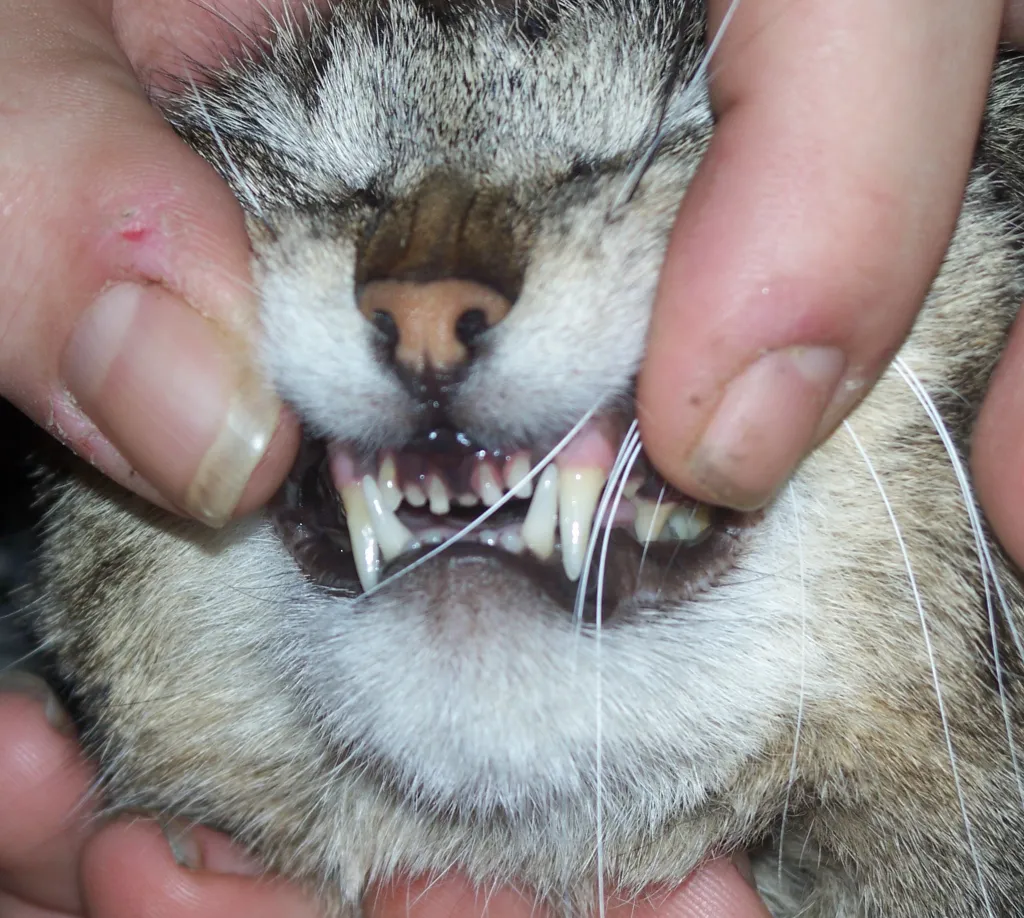
It is easy to overlook the mouth when thinking about weight loss, yet a cat in chronic dental pain will simply stop eating enough to maintain its weight. The discomfort rarely comes with obvious signs like pawing at the face or drooling.
A large screening study of apparently healthy older cats found that roughly thirty-five percent had moderate to severe dental disease, a rate that underscores how quietly oral problems develop and go undetected in this age group.
Dental disease, specifically gingivitis and tartar accumulation, was present in the majority of older cats screened, with a meaningful proportion requiring further dental assessment including cleaning or tooth extractions. Pain from untreated dental disease can suppress appetite for weeks before an owner connects the dots.
How Rapidly Does the Body Change as Cats Age?
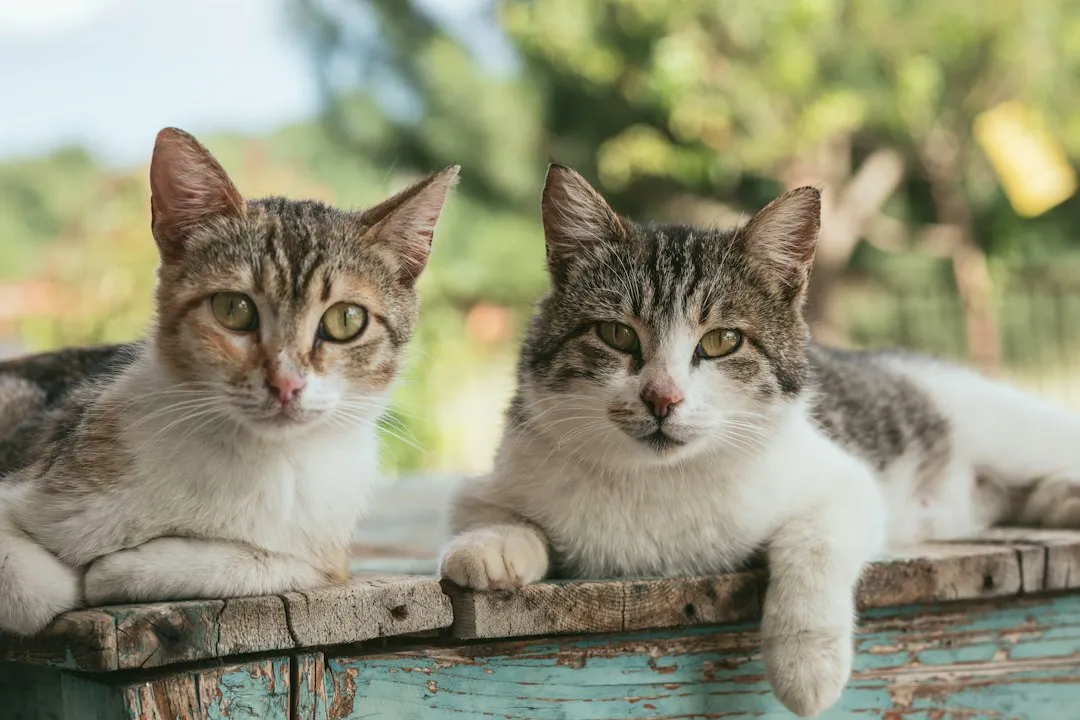
A large prospective cohort study performed 1,231 veterinary examinations on 209 pet cats aged between approximately seven and sixteen years, following them every six months for up to seven years.
Muscle condition, measured across ten skeletal landmarks, decreased gradually through the early senior years before declining at a much steeper rate from around age ten onward, reaching markedly low scores by age sixteen.
The research makes clear that the decline is not a sudden event but a long trajectory, which is exactly why baseline monitoring started early makes such a difference. After cats reach eleven years old, they need more nutrition just to maintain their resting body weight, not less, as many owners assume.
What Vets Actually Find at Screening
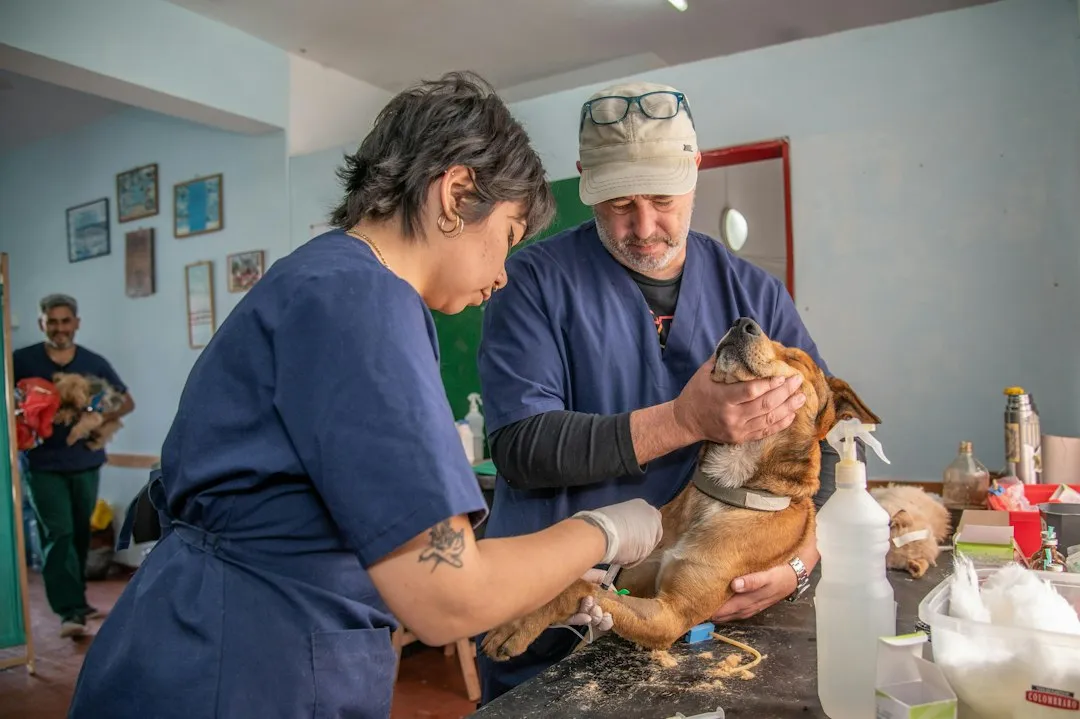
At baseline screening of apparently healthy older cats, twenty-one percent were found not to be healthy at all, diagnosed with conditions including CKD and hyperthyroidism. Disease occurred significantly more frequently in senior cats compared to mature adult cats.
Within two years, more than half of senior cats that were confirmed healthy at the start of a study had developed new diseases, most commonly CKD, hyperthyroidism, gastrointestinal conditions, or neoplasia.
The high prevalence and two-year incidence of physical examination abnormalities and systemic diseases in apparently healthy older cats make a strong case for regular health screening beginning at age seven.
What Owners Can Do Right Now
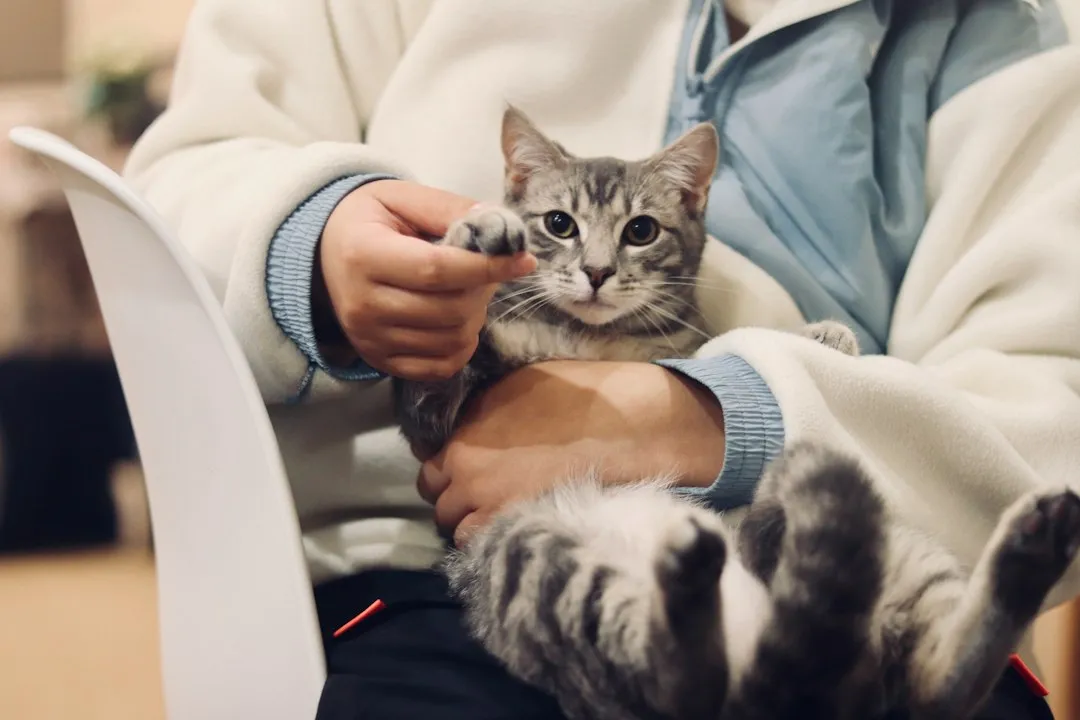
For senior cats, a proactive approach to care means screening for weight loss as well as illness. In practical terms, this often means veterinary visits and blood work every six months to assess blood sugar, thyroid levels, and kidney function.
Routine wellness exams in older cats can detect unexplained weight loss that might indicate hyperthyroidism as well as checking thyroid levels before symptoms become severe.
At home, owners can weigh their cat monthly using a baby scale or a kitchen scale and keep a simple log. A five percent loss in weight is significant and warrants a prompt examination by a veterinarian. Catching that five percent early, before the decline accelerates, is where good outcomes begin.
The Takeaway
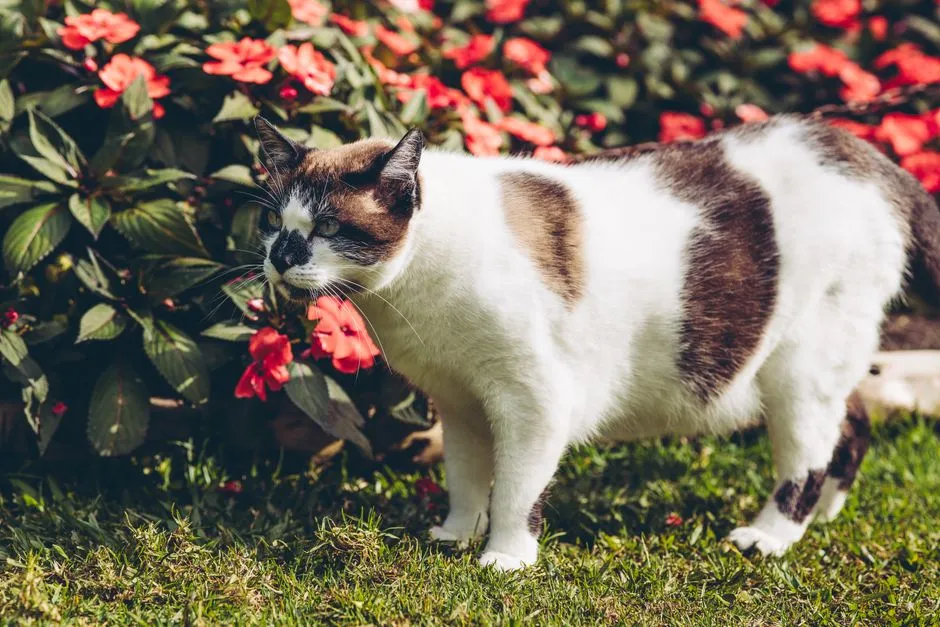
Unlike dogs, cats don’t typically lose weight without a medical reason. Common causes include hyperthyroidism, diabetes, kidney disease, and cancer, and every one of those conditions is more manageable when found early.
The challenge is that cats are extraordinarily good at looking fine. A gradual weight loss across six months rarely sets off any alarms for an owner who sees their cat every day. That slow drift is exactly the thing vets wish more owners were watching for.
A simple monthly weigh-in, combined with twice-yearly senior checkups, is not excessive. For a cat past ten years old, it may be the most important thing you do for them.
AI Disclaimer: This article was created with the assistance of AI tools and reviewed by a human editor.