
Most people grab a jar of peanut butter off the shelf without giving the label a second glance. It’s peanut butter – how complicated could it be? Quite complicated, as it turns out. The difference between a jar that genuinely supports your health and one that quietly works against it often comes down to a few lines of text printed on the back.
Dietitians know exactly what to look for, and their criteria are more specific than you might expect. Here are the ten label details they check before a jar ever makes it into their cart.
1. The Ingredient List Length
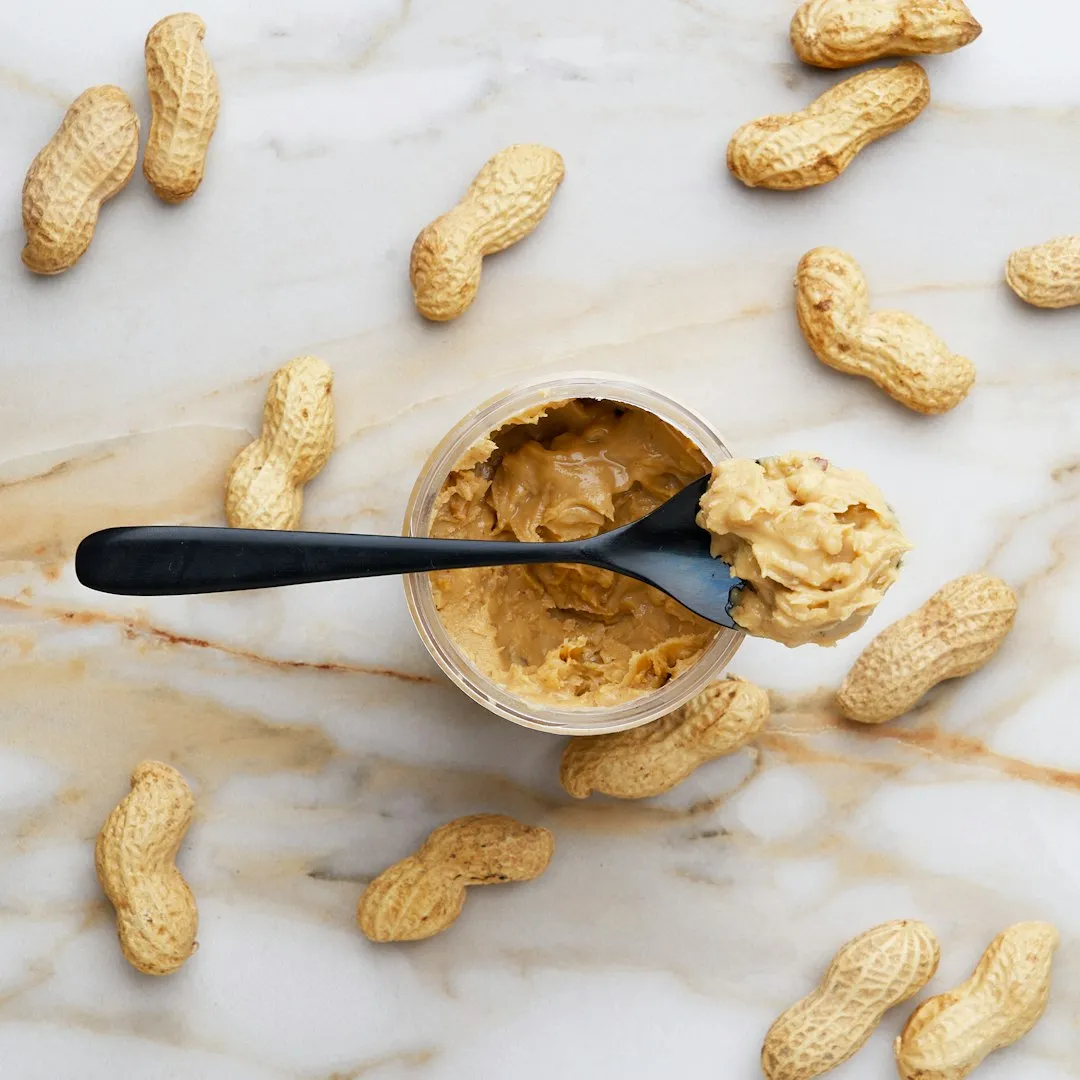
Healthy peanut butter should have just two ingredients: peanuts and sometimes a pinch of salt. Yet some manufacturers, even “all-natural” brands advertising themselves as healthy, pack their products with additives you simply don’t need. The shorter the ingredient list, the closer you are to what peanut butter actually is at its core: ground peanuts.
When you examine the ingredient list, fewer ingredients generally mean fewer problems. Two is ideal: peanuts and salt. Three might be acceptable if it’s something like oil used for blending in natural brands, but anything longer should be treated with suspicion.
2. Whether Peanuts Are Listed First
When reading the ingredients, peanuts should always be the first ingredient listed, since the FDA requires at least 90 percent of peanut butter to be comprised of peanuts. If peanuts are not listed first, the product is not real, FDA-approved peanut butter.
Some lower-quality brands list sugar before peanuts, along with hydrogenated oils, molasses, and corn syrup solids. That’s a clear sign of a product built more around flavor engineering than nutrition.
3. The Presence of Hydrogenated Oils
Oils, especially fully or partially hydrogenated oils, should not be in your peanut butter. These are often added to extend shelf life and prevent separation, but they can have negative impacts on blood cholesterol and triglyceride levels and increase the risk of heart disease.
In 2015, the FDA determined that partially hydrogenated oils are not safe to eat, as they have been linked to an increased risk of heart disease. Now, they’re absent from the majority of peanut butters on the market. Still, some manufacturers use a loophole by adding fully hydrogenated oils, which don’t contain trans fats but are highly processed saturated fats that offer no nutritional value and displace the healthy fats you should be getting from the peanuts.
4. Added Sugar in Any Form
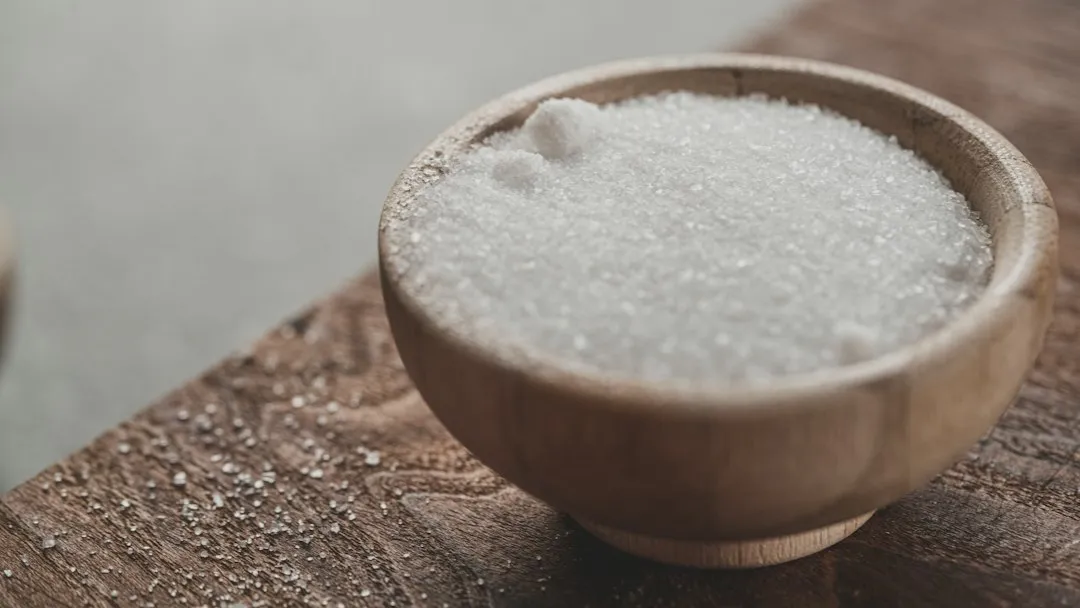
Peanut butter naturally contains some sugar, often one to two grams per serving, even if it’s not listed in the ingredients. The key is to avoid added sugars like molasses, maltodextrin, and corn syrup, which add empty calories.
According to the American Heart Association, daily sugar intake should not exceed 25 grams for women and 36 grams for men. A two-tablespoon serving of some peanut butter brands can contain up to two grams of added sugar, which may seem low but adds up quickly with frequent use. Added sugar in peanut butter can appear in different forms, including molasses, honey, agave syrup, or dried cane syrup.
5. The Oil Separation Clue
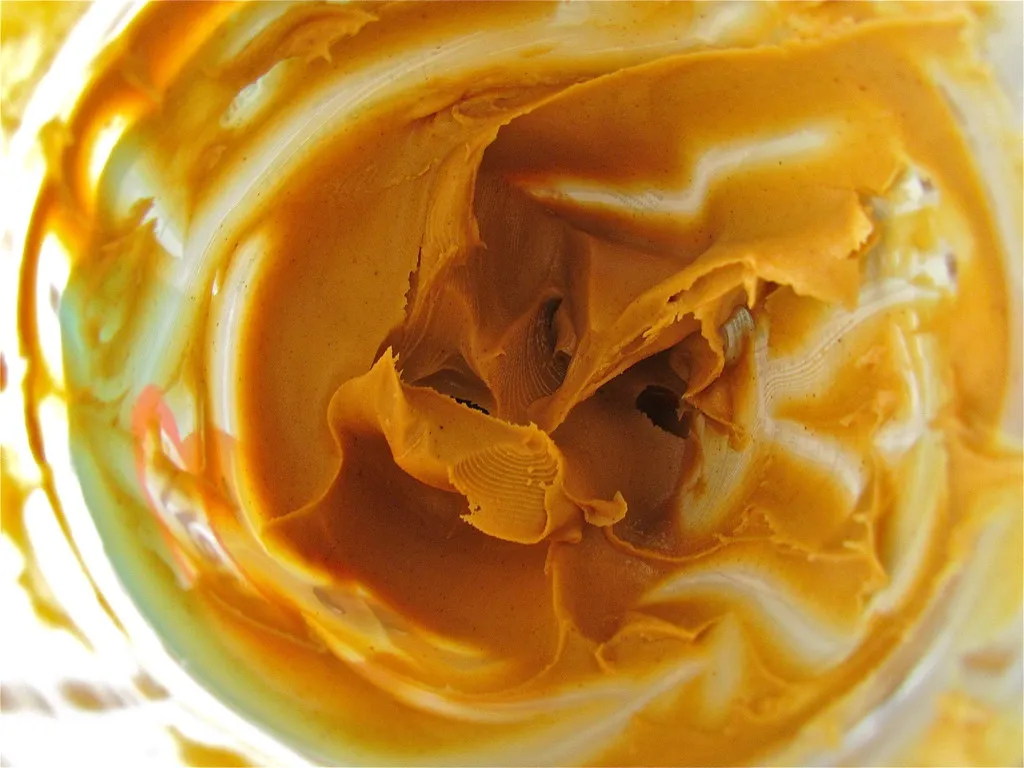
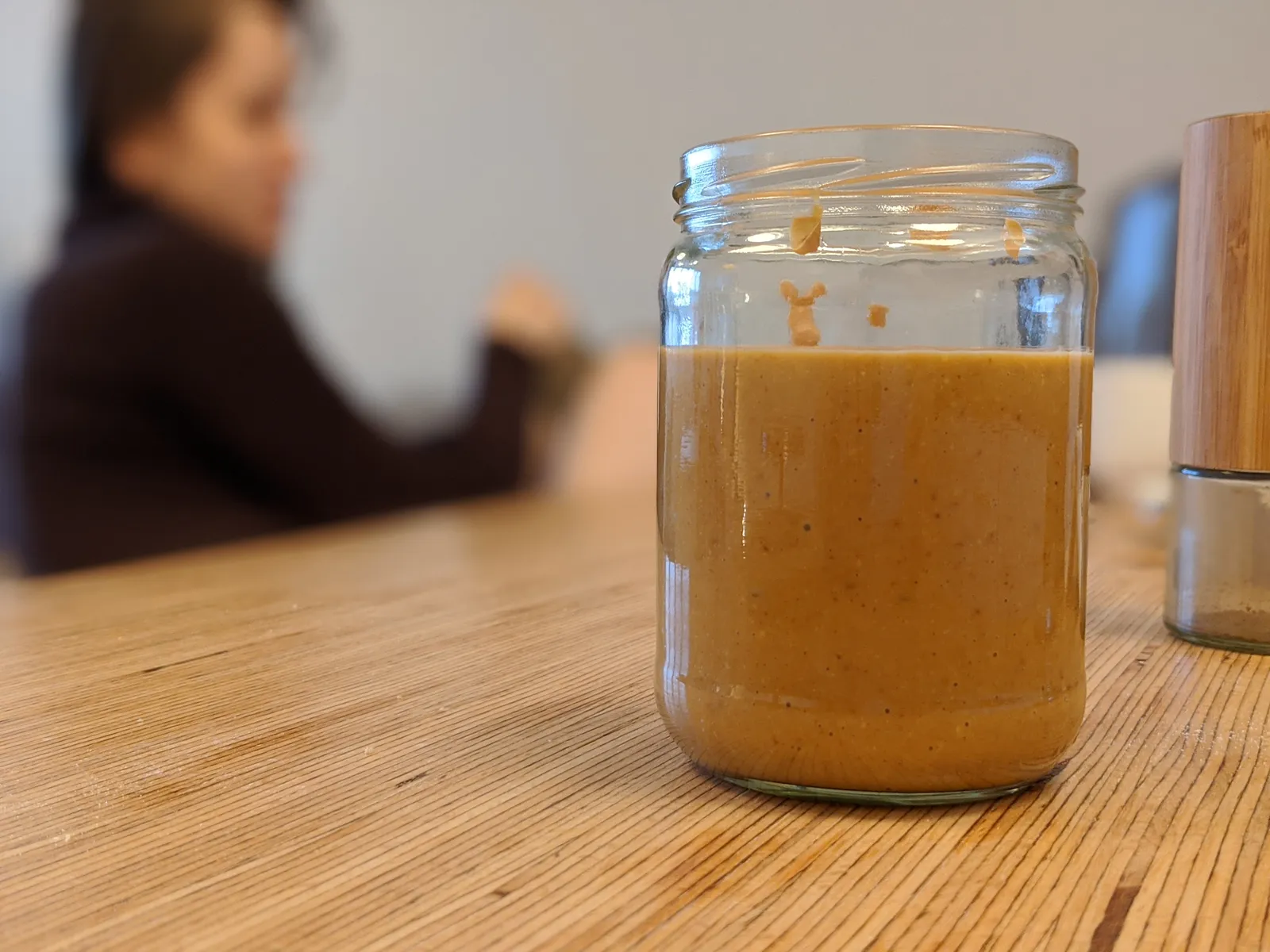
If you want a healthy peanut butter, dietitians recommend looking for one thing first: oil separation. Peanut butters that have some natural oil separation, not “no stir” peanut butters, are generally made without unnecessary ingredients to stabilize or sweeten them.
This is one of the most practical in-store checks you can do. If the oil does not move inside the jar when you tilt it, that stiffness signals the presence of stabilizers. A little stirring required at home is actually a reassuring sign.
6. Sodium Content
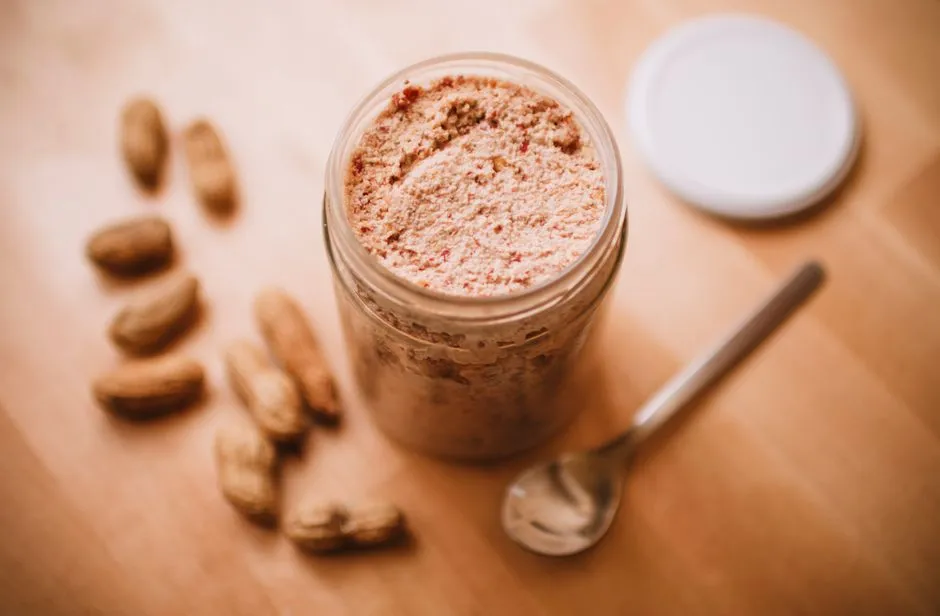
The healthiest peanut butter option includes brands that have less than 100 milligrams of sodium per serving. A sodium level of 120 milligrams or less per two-tablespoon serving supports heart-health goals, and some unsalted versions contain zero milligrams, making them suitable for people managing hypertension.
A small amount of added salt in peanut butter isn’t inherently a problem for most people. The concern arises when sodium climbs well above that benchmark, which can happen in brands that use salt to mask the flavor of less desirable ingredients.
7. The “Natural” and “Organic” Label Trap
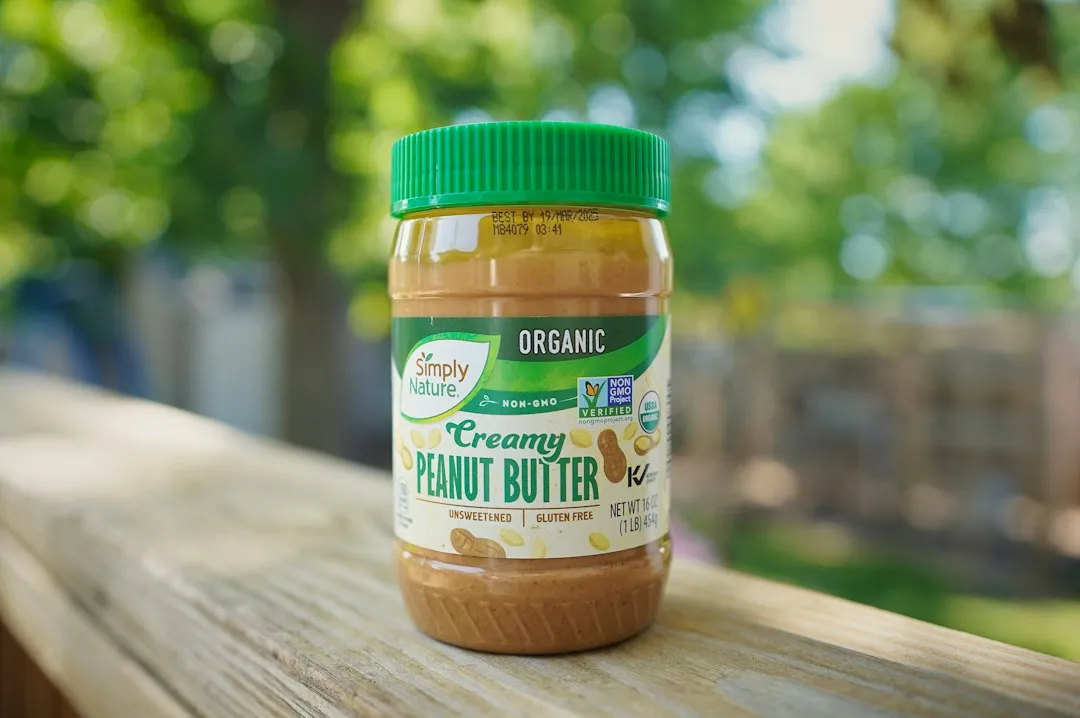
A key pitfall to avoid is assuming that “organic” guarantees low sodium or no added sugar. Some organic peanut butters contain over 250 milligrams of sodium or four grams of added cane syrup per serving, so always verify the Nutrition Facts panel regardless of front-label claims.
The term “natural” does not necessarily mean healthier. Whether a natural jar of peanut butter is made with just peanuts and salt, or a “regular” peanut butter is made with added oil, there can be little to no difference in the amount of saturated fat between the two. Reading past the front label is non-negotiable.
8. The Fat Profile Breakdown
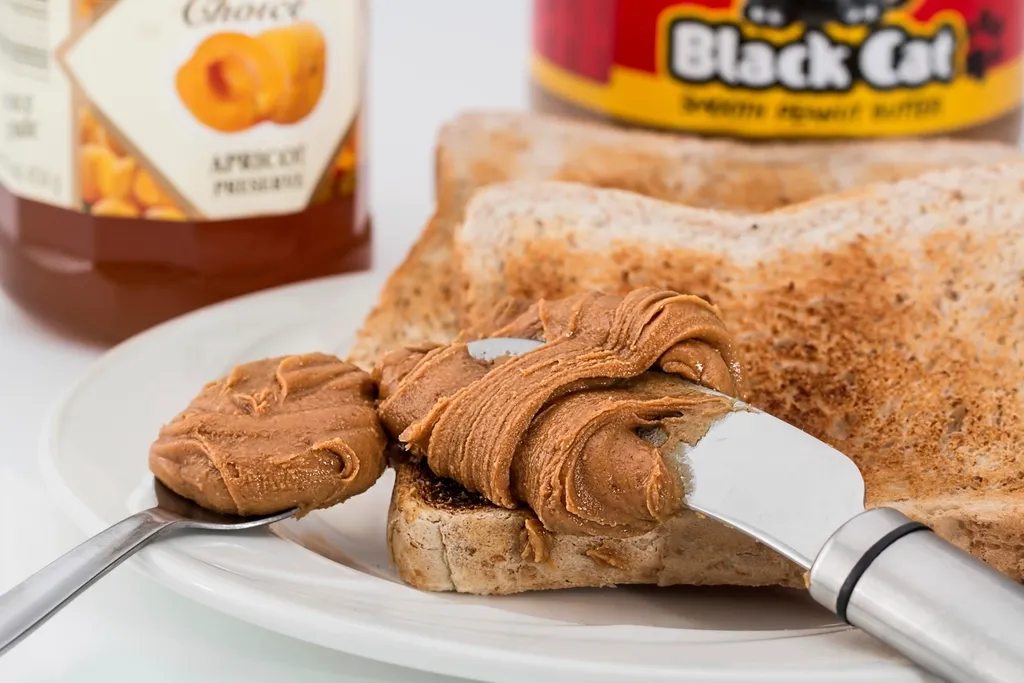
Peanut butter contains plenty of heart-healthy unsaturated fatty acids. Peanuts and peanut butter are rich in oleic acid, a type of omega-9 fatty acid which helps lower LDL or bad cholesterol. This is one of the nutritional strengths that makes real peanut butter worth eating in the first place.
Fat in peanut butter should mostly come from unsaturated sources, known for supporting heart function and lowering LDL cholesterol. Saturated fat should be kept under control, and any trace of trans fats, which may still hide under terms like “partially hydrogenated oils,” should be avoided entirely.
9. Calorie Count as a Red Flag Signal
A two-tablespoon serving of peanut butter contains about 190 calories. If you see a higher calorie content, it could indicate extra ingredients, like sugars, that add empty calories. It’s a quick sanity check that takes about three seconds.
Reduced-fat peanut butters might sound healthier, but you’re likely trading those healthy fats for more carbs. According to the Cleveland Clinic, low-fat peanut butters may have the same amount of calories or higher because they often contain extra ingredients, usually sugar or salt, to improve the taste after removing the fat. The label on “light” versions often tells a revealing story.
10. Emulsifiers and Hidden Stabilizers
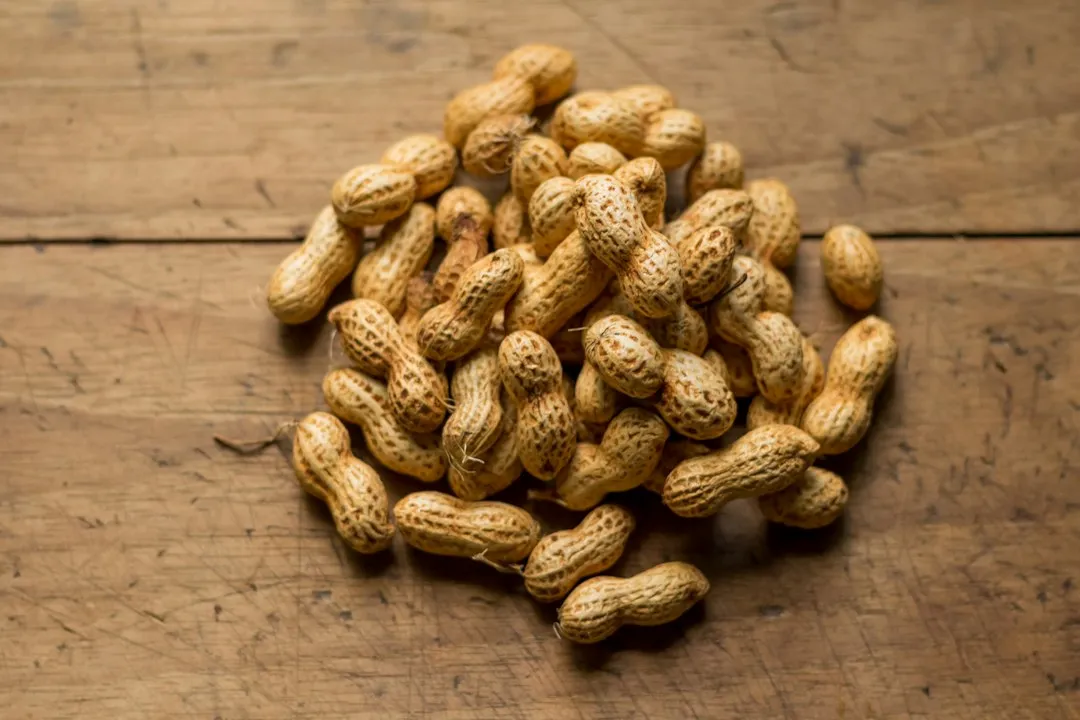
You may also see additives like mono- and diglycerides added to peanut butter, as they act as an emulsifier and prevent oil separation. Some brands disguise unwanted additives under vague names, and labels that say “spread,” “no-stir,” or “sweetened” often include emulsifiers, added sugars, or hydrogenated oils.
If the brand in question features ingredients beyond peanuts, they will likely include added sugar, salt, palm or hydrogenated vegetable oils, molasses, preservatives, and high-fructose corn syrup to improve flavor, extend shelf life, and prevent the natural separation of oil. Each of those additions moves the product further from food and closer to a processed spread.
The Takeaway
Peanut butter is genuinely nutritious when it’s kept simple. With the global peanut butter market valued at around 8.3 billion dollars in 2025, there’s no shortage of brands competing for shelf space, and not all of them have your health in mind. The front of the jar is marketing territory. The back is where the truth lives.
Scan the ingredient list first, not the front label. If it contains more than two recognizable items, pause and read further. That one habit, practiced consistently, is essentially what separates the dietitian’s cart from everyone else’s.
AI Disclaimer: This article was created with the assistance of AI tools and reviewed by a human editor.