

Why Back Stiffness Gets Worse After 50
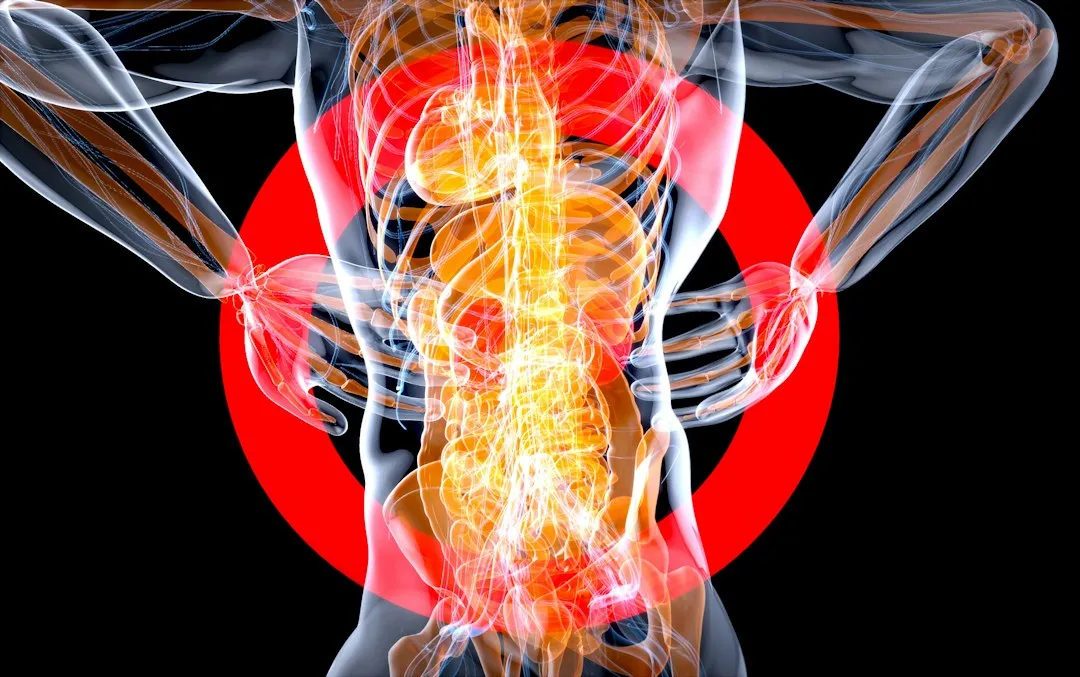
According to the World Health Organization, lower back pain affected roughly 619 million people globally in 2020, with projections reaching 843 million by 2050. Lower back pain becomes significantly more common after age 45, tending to peak between 50 and 55 years of age, with women experiencing it at a higher rate than men.
A survey of U.S. adults found that around 28 percent reported having chronic low back or sciatic pain, and roughly 44 percent of those with chronic low back pain had been dealing with it for five years or longer. That’s not a minor inconvenience. For many, it shapes how they move through their entire day.
The discs in our spine lose water content with age, and by the time we reach our fifties, they are typically around 20 percent less hydrated than at age 30, meaning there is less cushioning between the vertebrae. The muscles that support the spine, especially the deep core muscles, stop activating as efficiently, while the more visible surface muscles become chronically tight from overcompensation.
What Actually Happens to Your Spine Overnight

Your spine literally changes shape while you sleep. When you lie down, gravity stops compressing your discs and they reabsorb fluid. You can actually be up to 2 centimeters taller in the morning than at night. This sounds like a benefit, but it temporarily makes your spine stiffer and more vulnerable to strain.
Morning stretches help transition your spine from this swollen, stiff state to being ready to move. This is why even a few minutes of deliberate movement right after waking up makes such a noticeable difference compared to simply jumping into activity.
Stretching first thing helps shake off morning stiffness, gets your heart rate up after a night’s rest, and increases blood flow throughout your body. It is especially beneficial for those with arthritis and for people who have irritation from a herniated disc in the lower back.
The Knee-to-Chest Stretch: The Top Recommendation
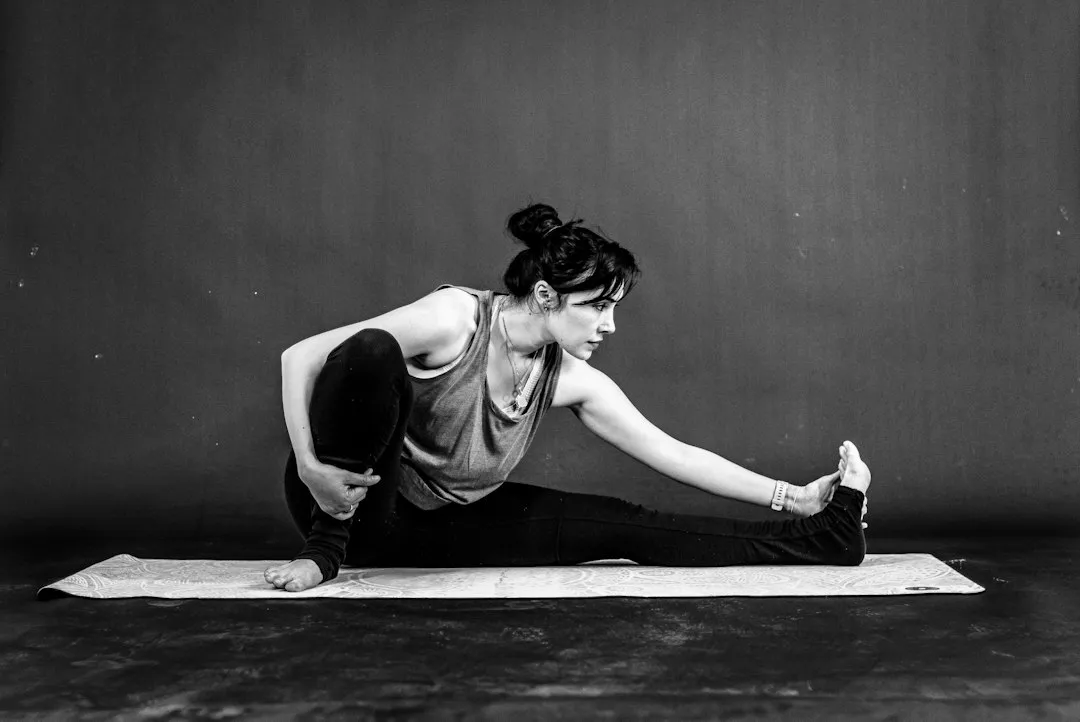
Among the most widely recommended options, the knee-to-chest stretch stands out because it gently stretches and relieves pressure on the lower back, increases flexibility, promotes circulation, and can help open up the spaces around the lumbar nerves. It requires no equipment and can be done while still in bed.
The knee-to-chest stretch helps lengthen the lower back, relieving both tension and pain. To perform it, lie on your back, bring one knee toward your chest, and gently hold it with both hands for 15 to 30 seconds. Switch legs and repeat. For added benefit, draw both knees to the chest together. This alleviates lumbar stiffness and provides gentle decompression.
The single knee-to-chest is part of a formal exercise framework developed for individuals with chronic low back pain, known as Williams flexion exercises. The underlying principle is that limiting pressure on the posterior aspect of the lumbar vertebrae reduces the risk of disc herniation. This exercise is also understood to help open the intervertebral foramen, stretch surrounding ligaments, and distract the apophyseal joints. Regular practice reduces pain, improves lower pelvic stability, and increases range of motion.
The Cat-Camel Stretch for Spinal Mobility
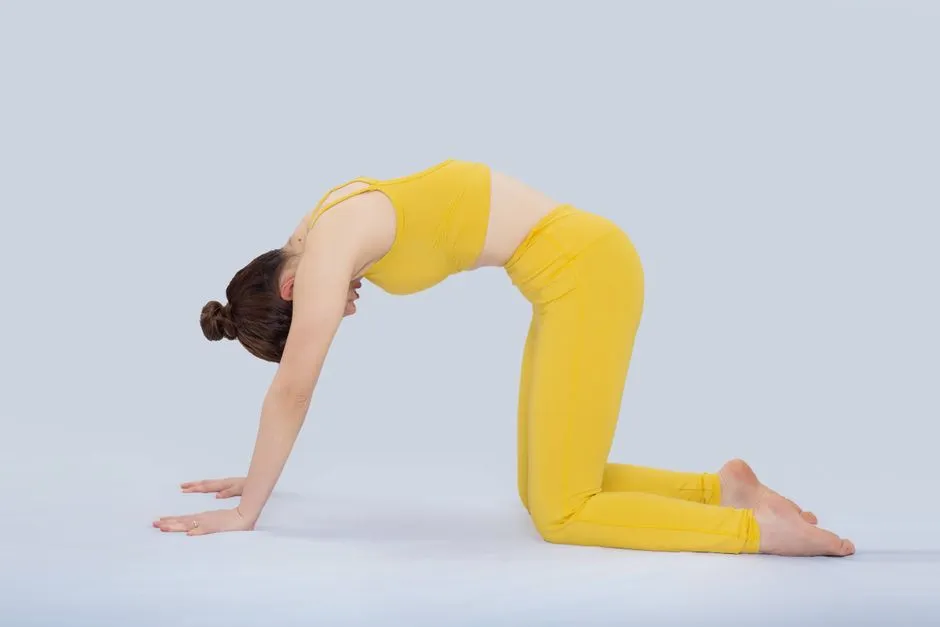
The cat-camel stretch begins on hands and knees. From there, you gently arch your lower back upward, then slowly sink your belly downward as you look slightly up. Physical therapists frequently pair this with the knee-to-chest stretch as a morning combination because it moves the spine through its full natural range of motion.
Cat-camel stretches alongside single knee-to-chest movements are commonly included in evidence-based physiotherapy protocols for low back conditions. They complement each other well because one targets flexion and the other cycles through both flexion and extension, warming up the entire lumbar region.
Done slowly, without forcing the range, the cat-camel typically takes under two minutes. The goal is not to push to any extreme position, but to encourage fluid movement in joints that have been still for several hours.
Hip Flexor Stretches: Often Overlooked, Always Important
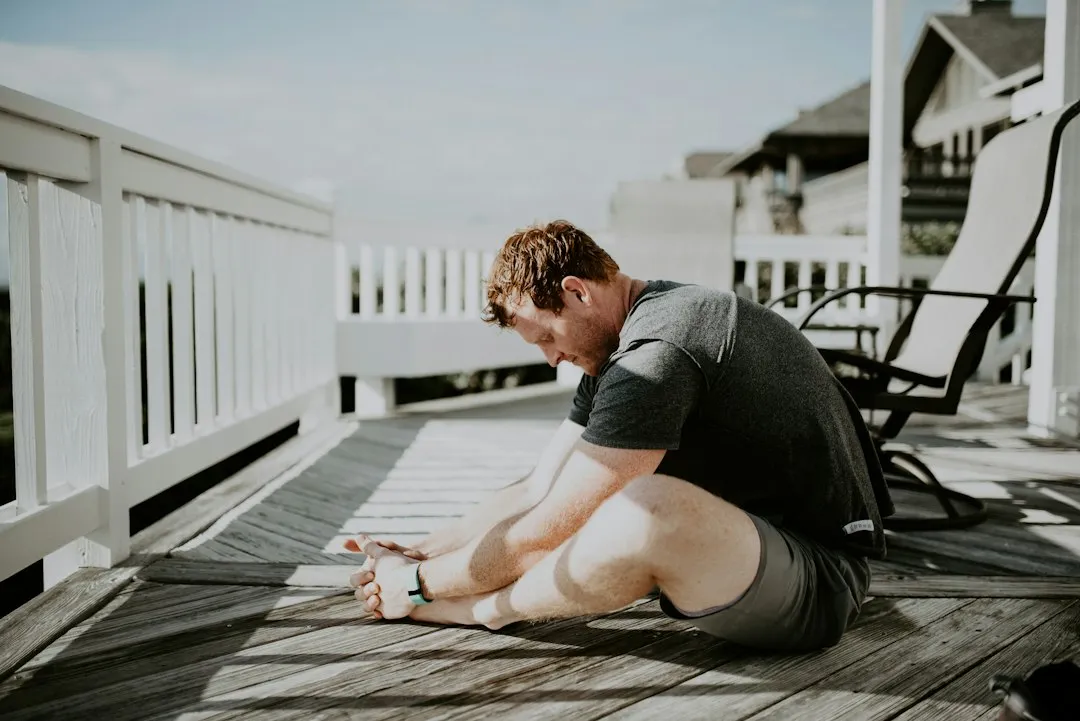
Physical therapists broadly agree that individuals over 50 benefit considerably from stretching their hip flexors daily. Many recommend doing this multiple times throughout the day. Most of us sleep with our knees slightly pulled toward our chest, which shortens the hip flexors overnight. Tight hip flexors contribute directly to morning lower back pain, hip tightness, and difficulty standing fully upright when first getting out of bed.
As people get older, more time is spent sitting, which leads to joints naturally becoming stiffer and muscles losing flexibility. Gentle daily stretching helps combat these effects by preserving the range of motion in joints and maintaining muscle flexibility.
Better mobility and flexibility from consistent stretching makes daily tasks such as walking, getting up from a chair, climbing stairs, and turning to look behind you feel noticeably easier. That kind of functional improvement tends to be underestimated until you feel the difference.
The Thoracic Spine Stretch (The “Book Opener”)
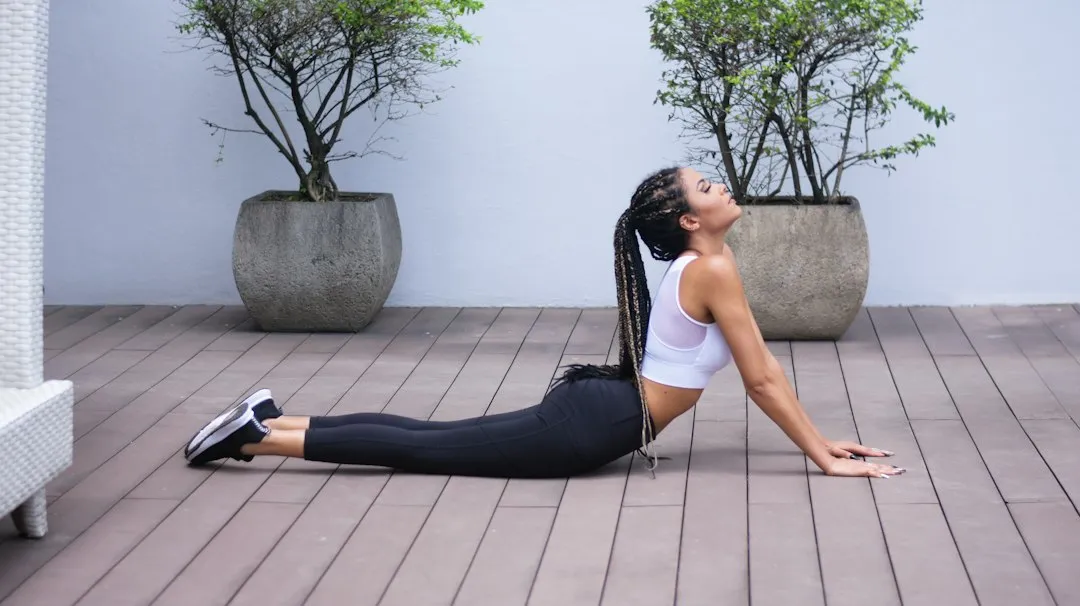
If you wake up with a stiff lower or mid back, the thoracic spine stretch is particularly well suited for the morning. It opens the chest, improves posture, and mobilizes the thoracic spine before you even stand up. This one can be done entirely in bed, which makes it easy to build into a routine.
Lie on your side with your arms straight out in front of you. Without moving your legs, roll your top arm and shoulder backward as if opening a book. Let your arm fall toward the bed while keeping your knees together. The rotation targets the mid-back, an area that often gets neglected despite being closely connected to lower back discomfort.
An upper-back stretch like this helps prevent slouching and hunched shoulders, and it can be especially beneficial for anyone who spends a lot of time at a computer or reading. In other words, it’s relevant for most adults today, regardless of occupation.
Child’s Pose: Borrowed from Yoga, Backed by Evidence
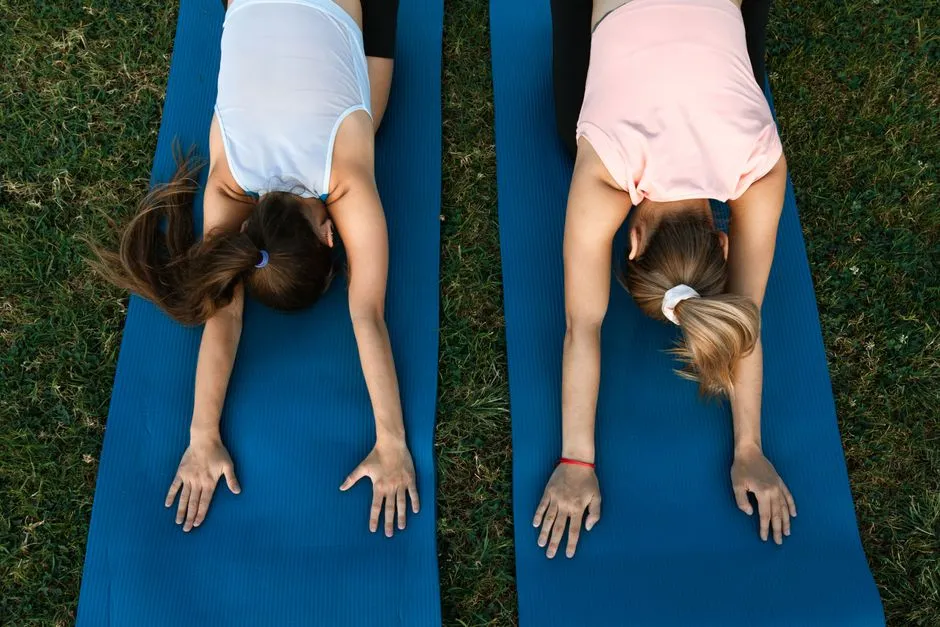
Child’s pose stretches the lower back, hips, and ankles, gently releases tension in the shoulders and neck, and is recognized for its ability to calm the nervous system. Physical therapists have adopted it precisely because it places the spine in a comfortable flexion position without requiring any strength or balance.
Exercises like child’s pose put the back into a flexion position, which research indicates can be particularly helpful for people whose pain eases when bending forward rather than extending backward. A rough pattern described in physical therapy literature notes that pain which eases with sitting or bending forward, and worsens with standing or arching, often responds better to flexion-biased movements like child’s pose and knee-to-chest stretches.
The key with child’s pose is to hold it without tension in the shoulders. Let gravity do the work. Even 30 seconds in this position after waking can meaningfully reduce the sensation of tightness before you stand.
Why Consistency Matters More Than Duration

Morning stretching addresses stiffness before it compounds throughout the day. Left untreated, morning stiffness often worsens with periods of inactivity, making movement increasingly uncomfortable as the day progresses. A consistent morning stretching habit prevents this pattern and keeps you moving more comfortably through the entire day.
Age is associated with increased tissue stiffness and a higher risk of low back pain, particularly in older, sedentary workers who spend long periods sitting. Research published in January 2025 found that trunk stiffness significantly increased with age, particularly when fitness level was factored in. This matters because it shows that regular movement, including stretching, can offset some of the stiffness that otherwise accumulates with age.
Just 10 minutes each morning can improve mobility, ease stiffness, and help protect your joints. You don’t need a gym, equipment, or a long block of time. That low barrier is part of why physical therapists recommend this approach so consistently.
Stretching Alone Is Not the Full Picture

For most nonspecific lower back pain, gentle and regular movement helps more than rest. Evidence supports a starter set of core-stabilizing moves, specifically the modified curl-up, side plank, and bird dog, along with daily walking and easy stretches such as knee-to-chest and cat-cow.
A 2024 randomized trial published in The Lancet involving roughly 700 adults who had recently recovered from a low back pain episode found that those assigned a progressive walking program stayed pain-free nearly twice as long before their next flare-up compared to the control group: roughly 208 days versus 112. That is a striking result for such a simple intervention.
Research published in 2025 found a significant association between decreased muscle strength and a higher risk of low back pain among middle-aged and older adults. Stretching keeps the joints and tissues mobile, but building muscular support around the spine is what provides long-term protection.
When to Talk to a Physical Therapist
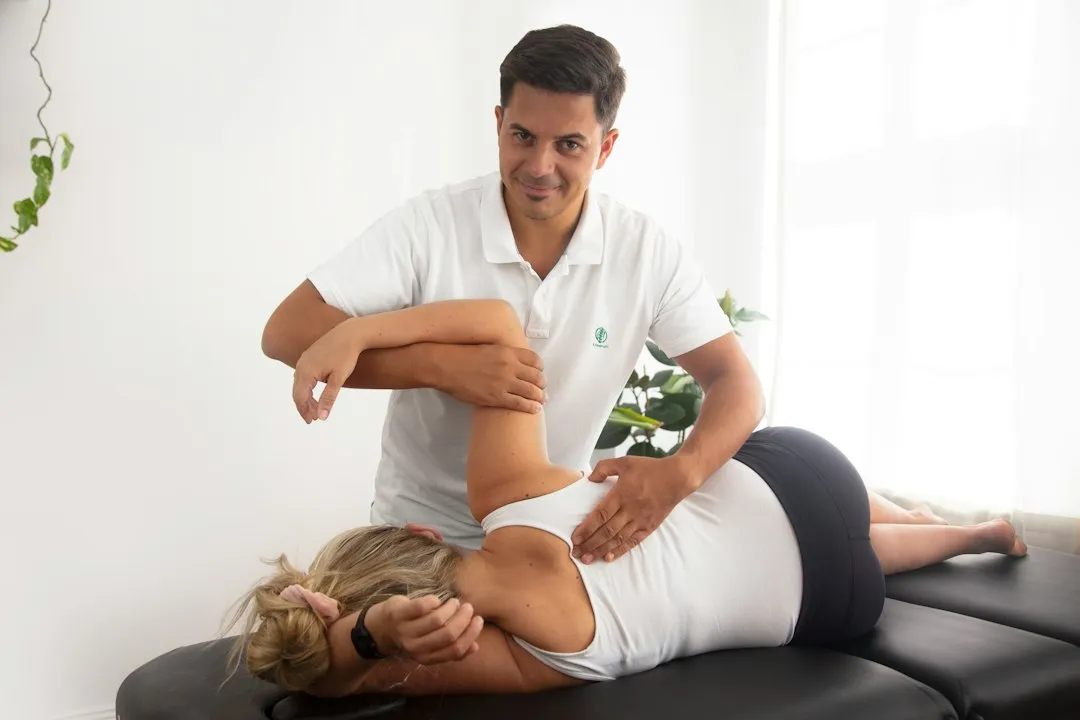
The knee-to-chest stretch and similar morning exercises are commonly used to reduce feelings of tightness in the lower back, hips, and gluteal area. Medical evidence suggests they may help many people feel more comfortable and move more easily, though they are not the right approach for every type of pain.
These stretches may help relieve stiffness and improve comfort, especially after prolonged sitting or mild muscular tightness, but good technique matters. The movement should feel like a light stretch, not sharp or radiating pain. They should be avoided or modified during certain injuries, after recent surgery, or when symptoms suggest nerve compression.
If pain follows an injury, radiates down a leg, or comes with numbness, fever, or bladder changes, seeing a doctor is important before continuing any exercise routine. Morning stretching is a powerful habit, but it works best as one part of a broader conversation with a healthcare provider when the pain is significant or persistent.
A Simple Starting Routine You Can Do Tomorrow Morning

The good news about everything outlined above is that it doesn’t have to be complicated. A practical starting routine includes two knee-to-chest holds of about 20 seconds each, followed by 10 slow cat-camel repetitions, a hip flexor stretch held on each side, and finally a child’s pose for 30 seconds. The whole sequence takes under 10 minutes and can be done before your feet touch the floor.
After 55, stiffness usually stems from reduced joint circulation, slower neuromuscular activation, and long hours spent sedentary, not simply tight muscles. That means the approach needs to address circulation and movement, not just passive holding. Moving slowly and intentionally through these stretches, rather than simply holding static positions, tends to produce better results for most people.
Start with what feels manageable. Two or three of these stretches done consistently will outperform a full routine done once and then abandoned. The spine responds well to regular, gentle input.
Final Thoughts

Back stiffness after 50 is genuinely common, well-documented, and rooted in real physiological changes. Non-specific mechanical causes account for around 90 percent of back pain cases, and back pain is the leading global cause of disability, costing the U.S. roughly 100 billion dollars annually in direct healthcare spending alone. Those numbers underscore how serious this issue is at a population level.
Yet the solution for most people does not require medication, expensive equipment, or complex programs. A consistent 10-minute morning routine, built around movements that physical therapists have used for decades, can meaningfully shift how your back feels each day. The evidence points clearly in that direction.
The best time to start is tomorrow morning, still in bed, before you even think about coffee.
AI Disclaimer: This article was created with the assistance of AI tools and reviewed by a human editor.