
It Is Not a Sudden Invasion
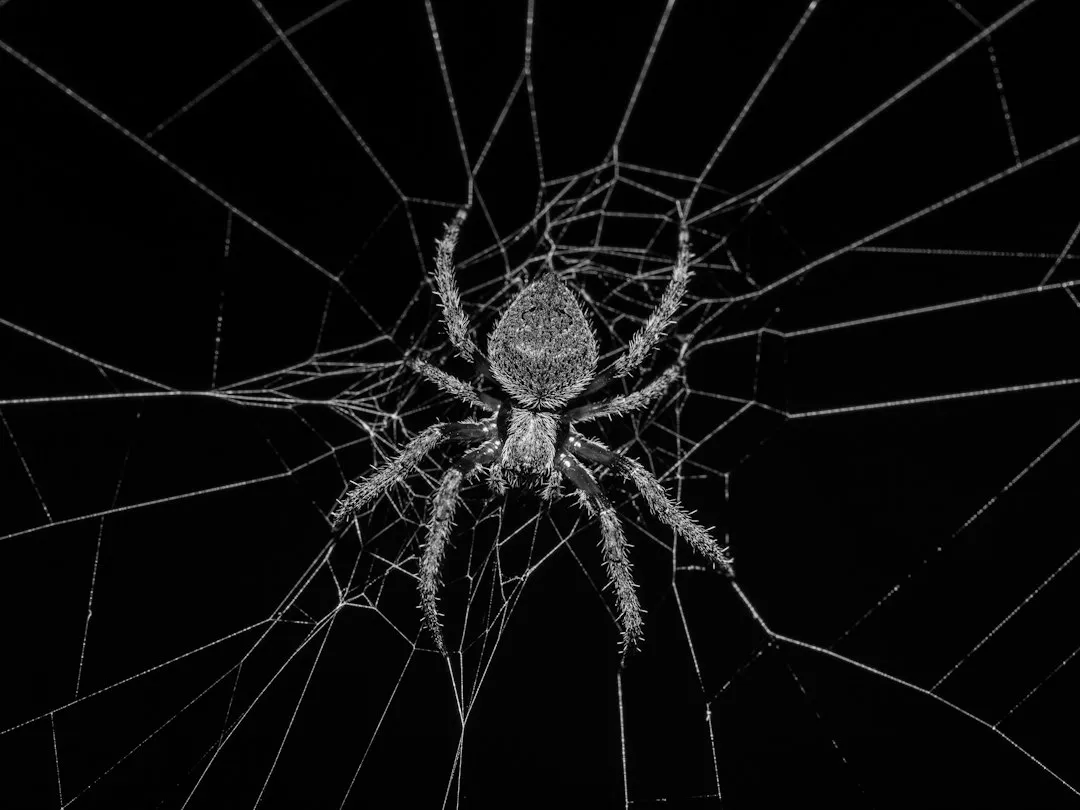
The sudden appearance of extensive spider webs indicates natural biological processes that have been building throughout the summer. The spiders were there all along, just much smaller and far less conspicuous. The spider may look as though it appeared without warning, but it often spent weeks growing inside nearby foliage before building a web large enough to notice.
Most outdoor spiders hatch in spring, develop through summer, and reach adult size in late summer and early fall. The large spiders visible in September and October are the same populations that were present all summer but as much smaller immature individuals. The population did not explode. It simply grew up.
Spiders Are Cold-Blooded, and Fall Changes Everything
Spiders are cold-blooded creatures, meaning their activity levels are influenced by the temperature of their environment. As fall approaches, the cooler temperatures signal to spiders that it’s time to prepare for the winter. During this time, spiders are more active in hunting for food and finding safe places to build their webs.
The warm days and cool nights of early autumn provide ideal conditions for the energy-intensive activities of mate-seeking, courtship, and reproduction. As daylight decreases in fall, hormonal changes trigger reproductive readiness in mature spiders that completed development during summer. Their biology is essentially running on a precise internal clock tuned to seasonal cues.
Fall Is Mating Season for Most Spider Species
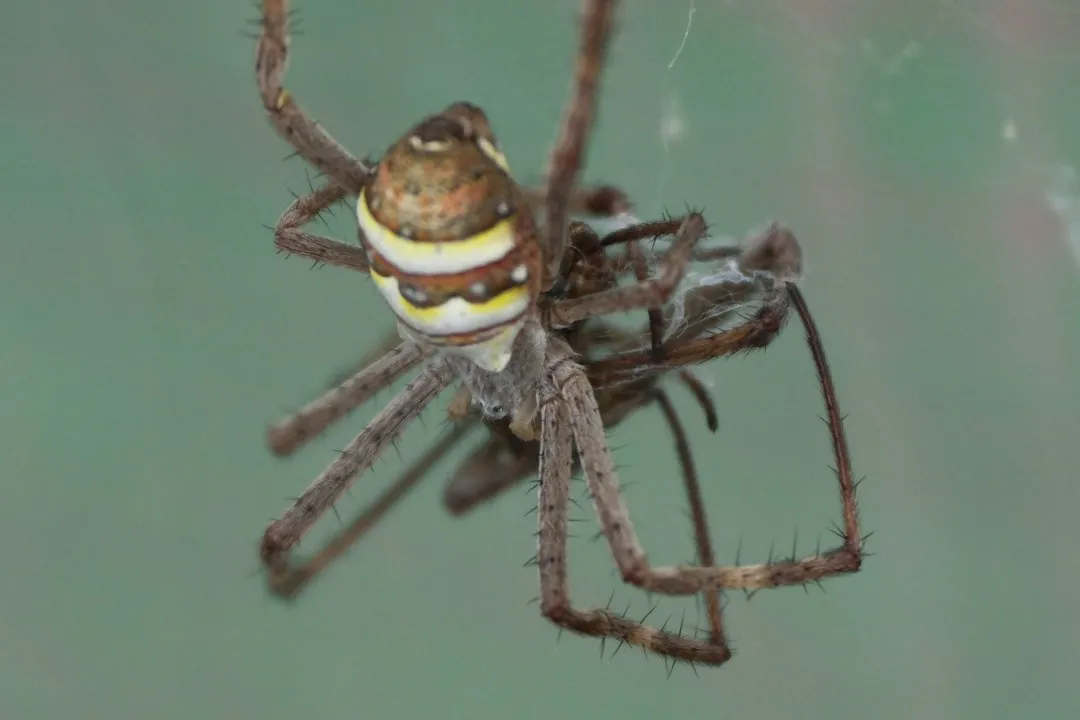
Spider mating season runs from mid-August through early October, with peak activity in September. This timing is not a coincidence. Most spider species follow annual patterns that time reproduction to ensure offspring survive winter and disperse successfully the following spring.
Fall is the prime mating season for many spider species. Male spiders become more active as they search for mates, leading to an increase in web-building activity. Many homeowners notice more spider webs in September for a simple reason: spider activity often peaks as temperatures start to shift and many species enter their mating season. Male spiders roam more widely in search of mates, and webs are frequently rebuilt or moved to take advantage of changing insect traffic around lights and entry points.
The Spiders Are Simply Much Bigger Now
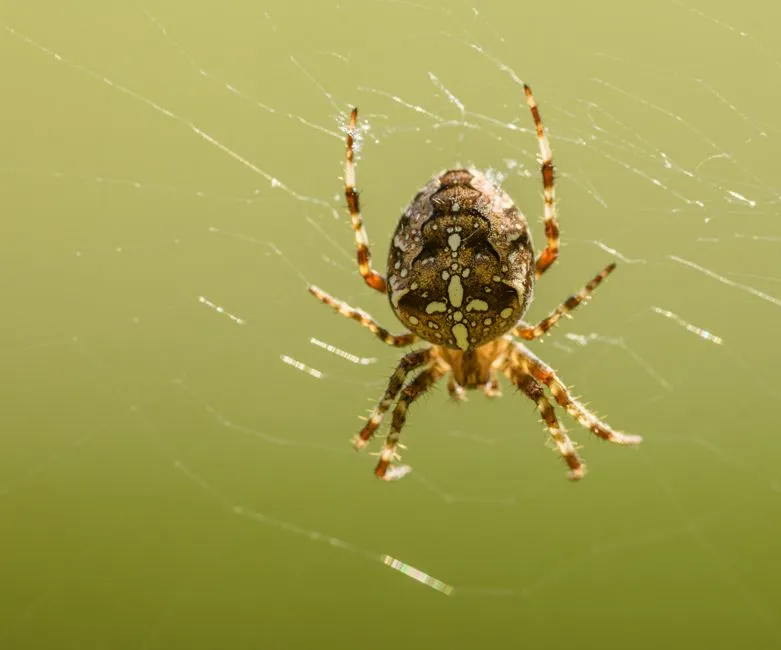
The garden orb weaver becomes much easier to see in late summer and fall. Mature females are larger, their webs span wider openings, and evenings often stay warm enough for moths, flies, beetles, and other small insects to remain active. Size is the most obvious factor driving that sense of sudden discovery.
All that growth comes from months of steady eating. Every mosquito, fly, and moth caught in the web helped fuel their journey from tiny hatchling to full-grown adult. Adult females of species like the Joro spider can measure roughly an inch in body length, and their webs can span three feet or more, so a yard that seemed spider-free in July can look dramatically different by September.
Morning Dew Makes Hidden Webs Impossible to Miss
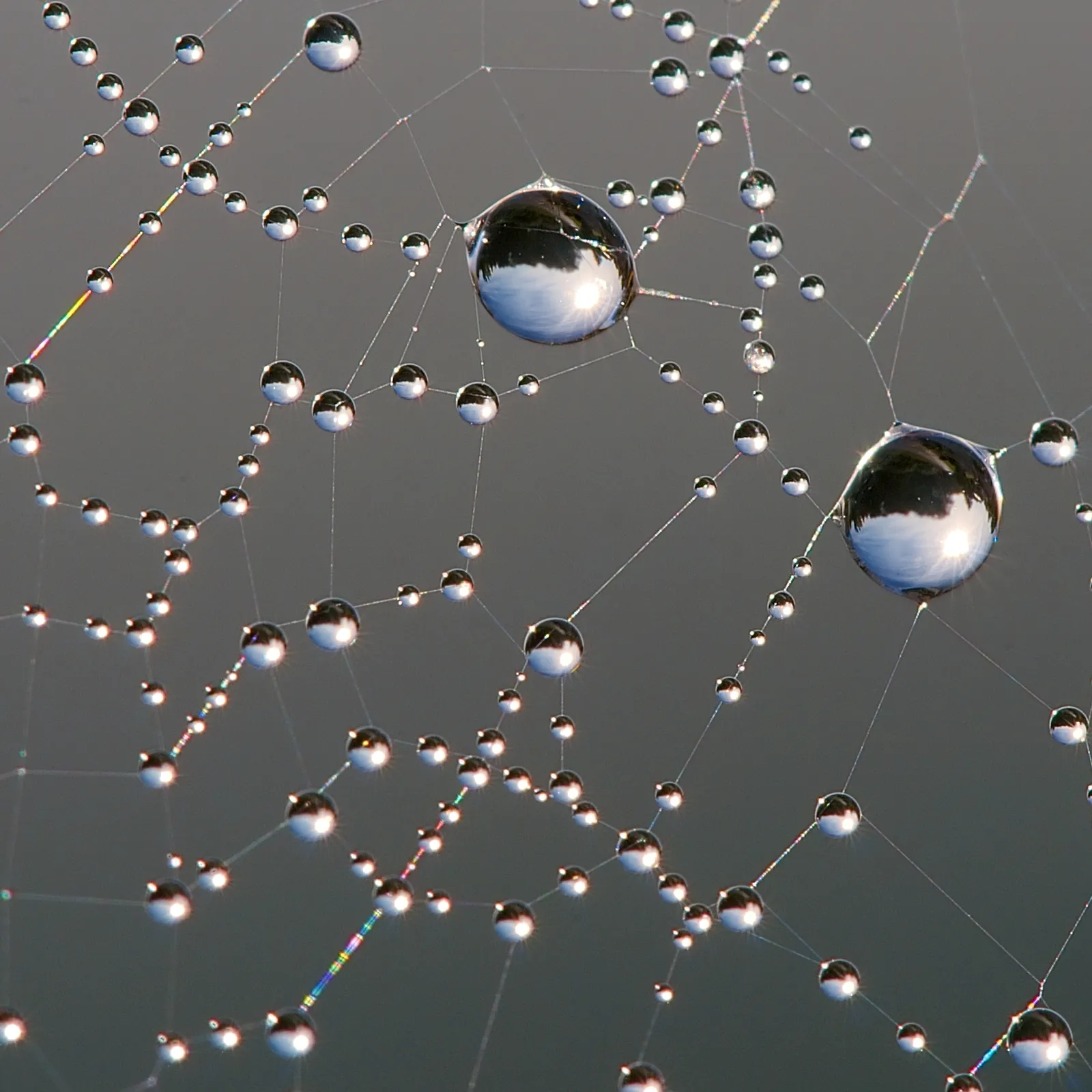
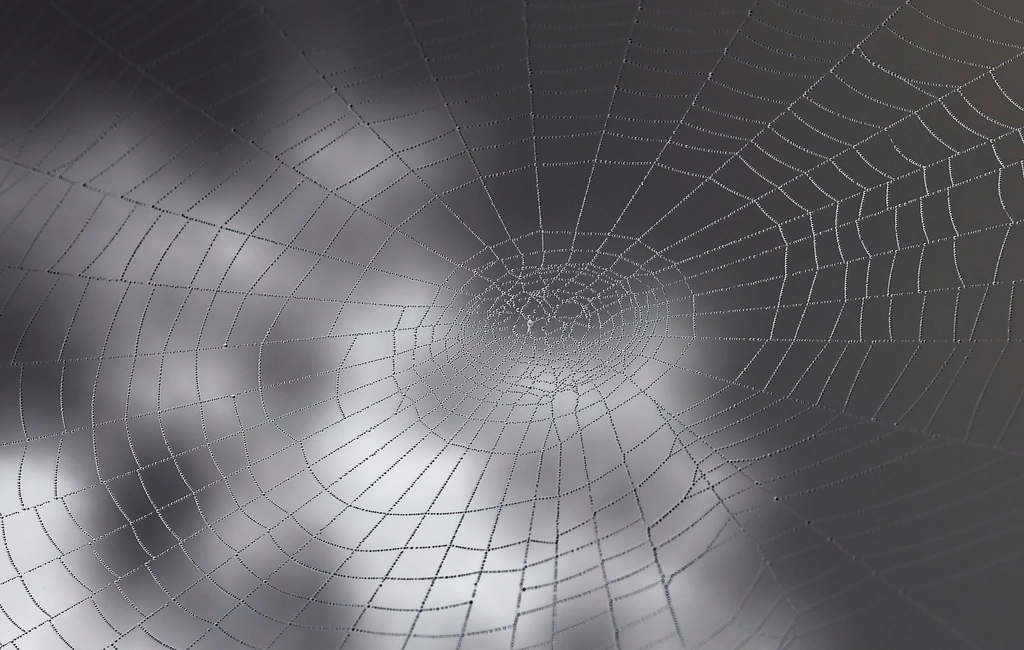
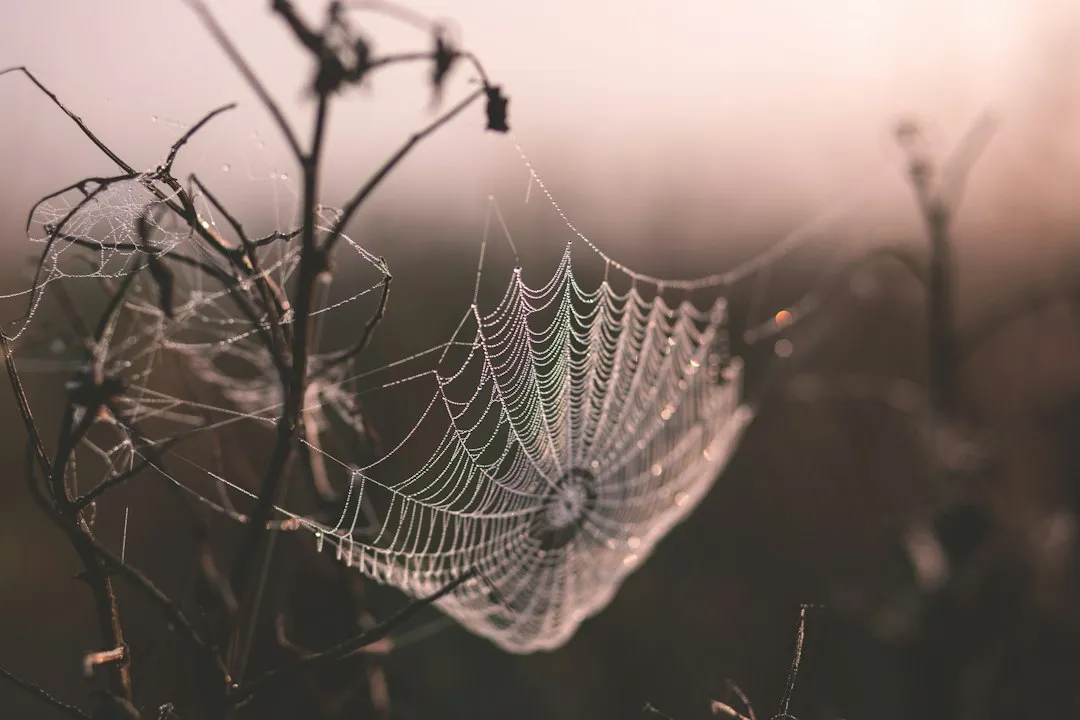
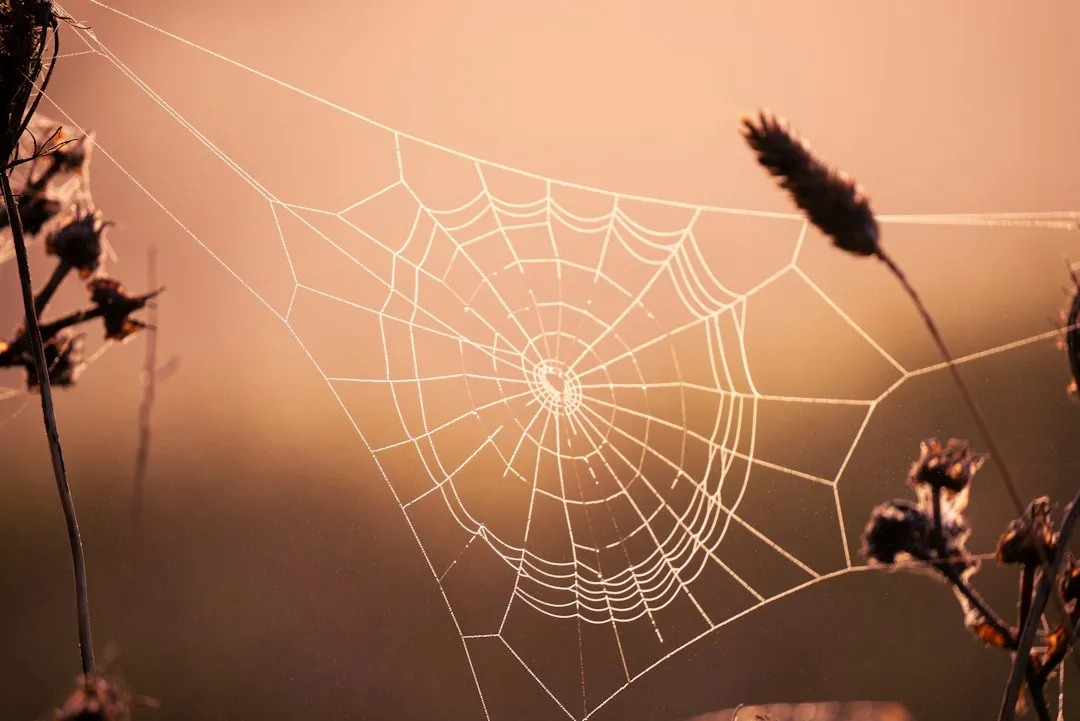
Spiders build webs all year round, but autumn is the best time to spot them outdoors. Morning dew and mist droplets suddenly reveal a multitude of hidden webs that were previously virtually invisible thanks to the transparent nature of silk. This optical effect is a big reason why early fall feels so dramatically different.
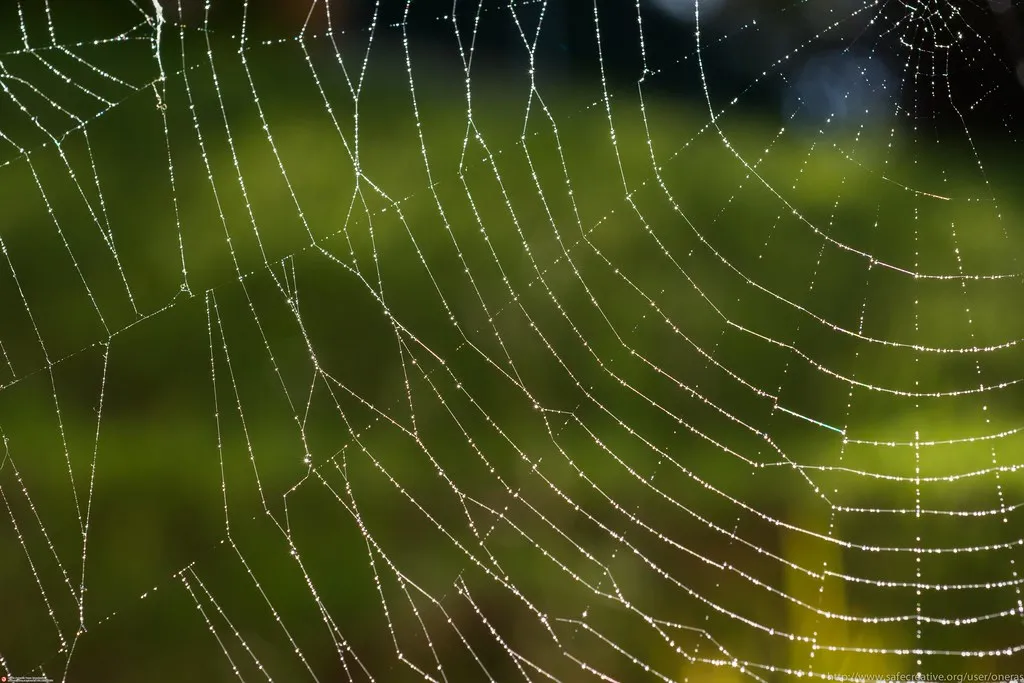
Morning dew and lower-angle fall sunlight make webs more visible than in summer. Webs that went unnoticed all summer become obvious as conditions highlight them. Morning dew condensing on fresh webs during pre-dawn hours increases web visibility to human observers while simultaneously restoring some adhesive function through moisture addition to glue droplets. Dew-covered webs demonstrate enhanced prey capture during early morning hours when many flying insects demonstrate peak activity.
Abundant Insects Keep the Webs Coming
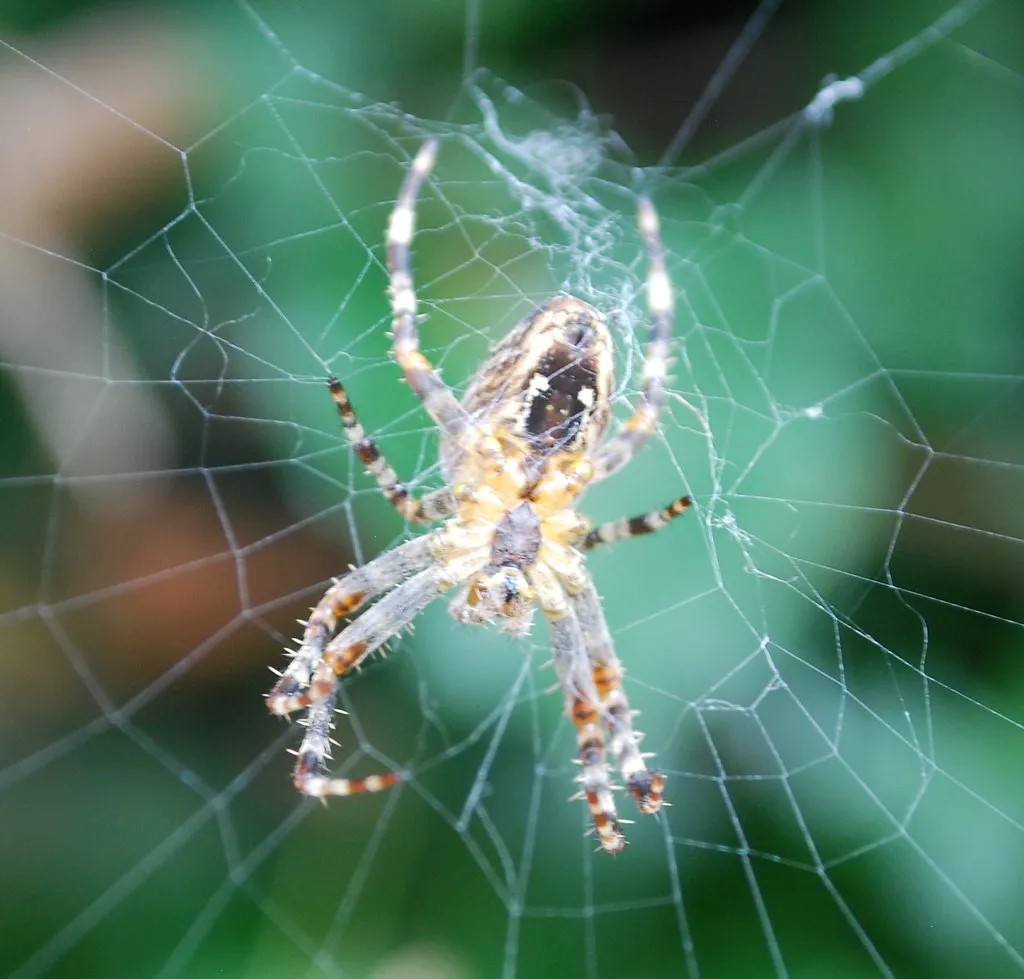
Another reason for the abundance of spider webs in the fall is the increase in insect activity. Many insects, like flies and mosquitoes, are still active during the early fall, providing a rich food source for spiders. The more prey available, the more webs you’ll see as spiders work to capture their meals.
Bigger spiders need bigger meals, and that means building bigger traps. A wide, round web can cover a lot of open air where bugs like to fly. Spiders tend to follow their food. Outdoor lights that attract flying insects, and sheltered spots near eaves and railings all become attractive locations.
Orb Weavers Are the Most Visible Architects
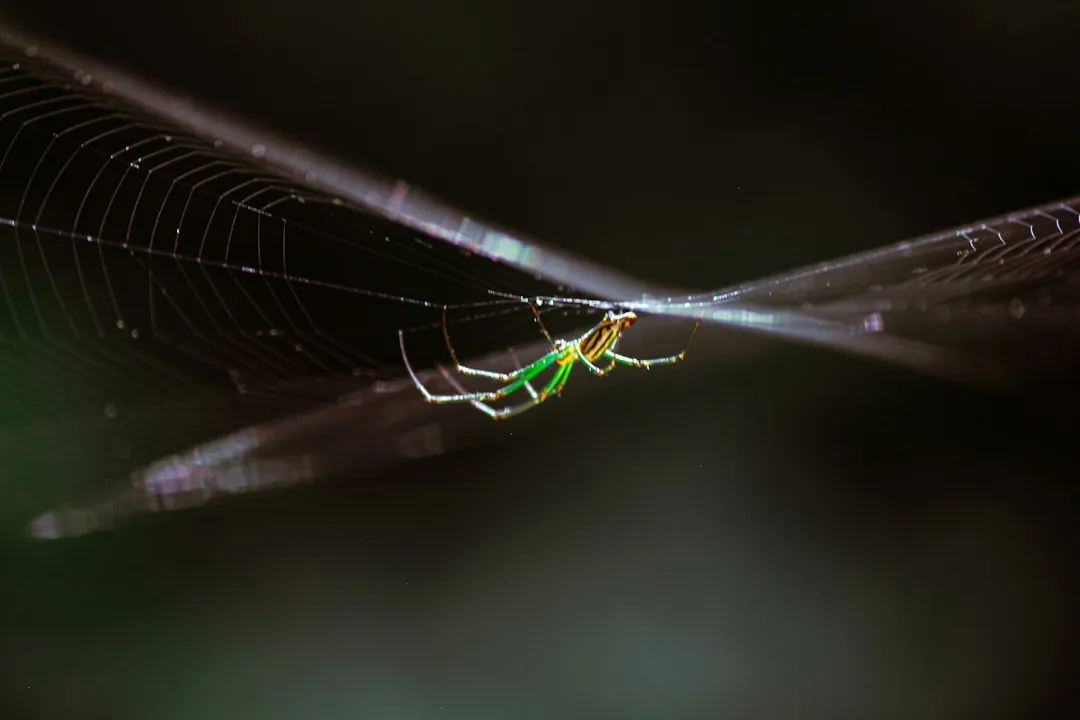
One of the most common types of spiders you’ll see in the fall are orb-weavers. These spiders create large, circular webs that are often found in gardens, on porches, and around outdoor lights. Orb-weavers are generally harmless to humans and play a beneficial role in controlling insect populations.
Young spiders are small, and their first webs may sit deep inside hedges, low plants, or shaded ground cover. As the spiders mature, adult females become larger and begin using wider spaces between branches, fence posts, roof supports, and patio beams. That shift makes fall activity seem sudden even when the spiders have been nearby for weeks.
Grass Spiders Create Those Low, Flat Webs in Your Lawn
Funnel spiders, also known as grass spiders, are small to medium-sized spiders that spin sheet webs of nonsticky silk with a characteristic funnel extending to one side. These are the flat, carpet-like webs you see draped across lawn grass in the early morning. There is actually a web spun above the funnel, which is where the spider hides while waiting for prey. These webs are nearly invisible unless covered with dewdrops on a cool morning.
Youngsters hatch in spring and begin building their own little webs in the area. You might not notice them at first, but by late summer or early fall, their webs will be big and sparkly in the morning dew, just like their mama’s was, and the cycle starts anew. The lawn was never actually empty of webs. They were just waiting for the right light to be seen.
Your Yard’s Features Determine How Many Webs Appear
Research published in Biological Invasions points to prey availability and habitat or web-placement opportunities as factors likely influencing spider presence, and studies of related web-building spiders associate density with food availability. A spider may find your property useful because it offers elevated anchor points like eaves, fence rails, and tall shrubs.
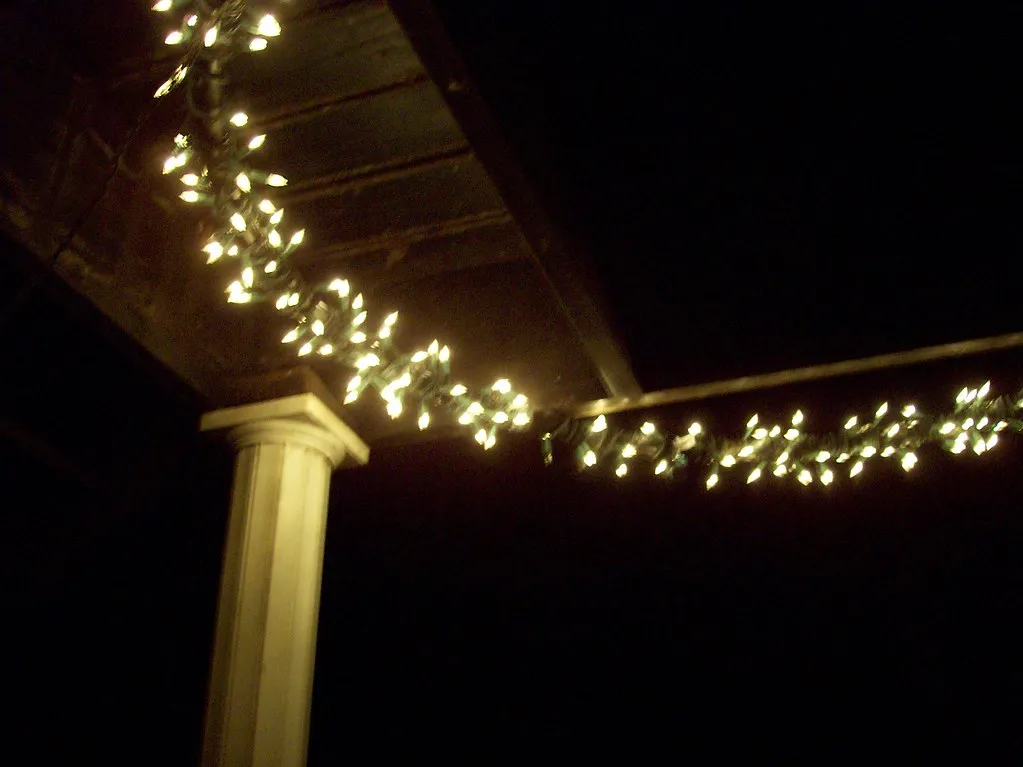
A watered yard with mature plants, porch lighting, and covered patios can provide both food and secure places to attach silk. Research has shown that arboreal orbweavers prefer to position their webs in lighted areas to take advantage of the light attracting prey; they are commonly found near porch lights. If your yard ticks several of those boxes, expect to see more webs, not fewer.
Spiders Are Actually Doing Your Garden a Favor
All of these spider species are common and native to the area and can be considered beneficial predators: they feed upon a wide range of other pests that homeowners are equally concerned about. The webs filling your yard are essentially working traps reducing the local mosquito, fly, and moth population at no cost to you.
For most homeowners, the fall appearance of these webs reflects a predictable life-cycle event, not a sudden household infestation that requires emergency action. The good news is that this surge is temporary and stops on its own by November. Orb weaver populations in colder regions, for instance, end abruptly with the first hard freeze, which typically occurs in November or December.
The Takeaway
Those webs are not a warning sign. They are the closing chapter of a story that began the previous spring, when tiny spiderlings hatched, fed quietly through summer, and grew into the architects now decorating your yard. The fall conditions just finally make that story visible.
If the webs bother you near walkways or doors, a broom or gentle pressure washer takes care of them easily. If the areas around your home continue providing the shelter spiders are looking for, new webs can quickly appear in the same locations. That’s why many people find themselves clearing the same corners of the porch, garage, or front entry over and over again throughout the fall. The cycle is predictable, and so is its end. By the time the first real freeze arrives, the webs will be gone on their own.
AI Disclaimer: This article was created with the assistance of AI tools and reviewed by a human editor.