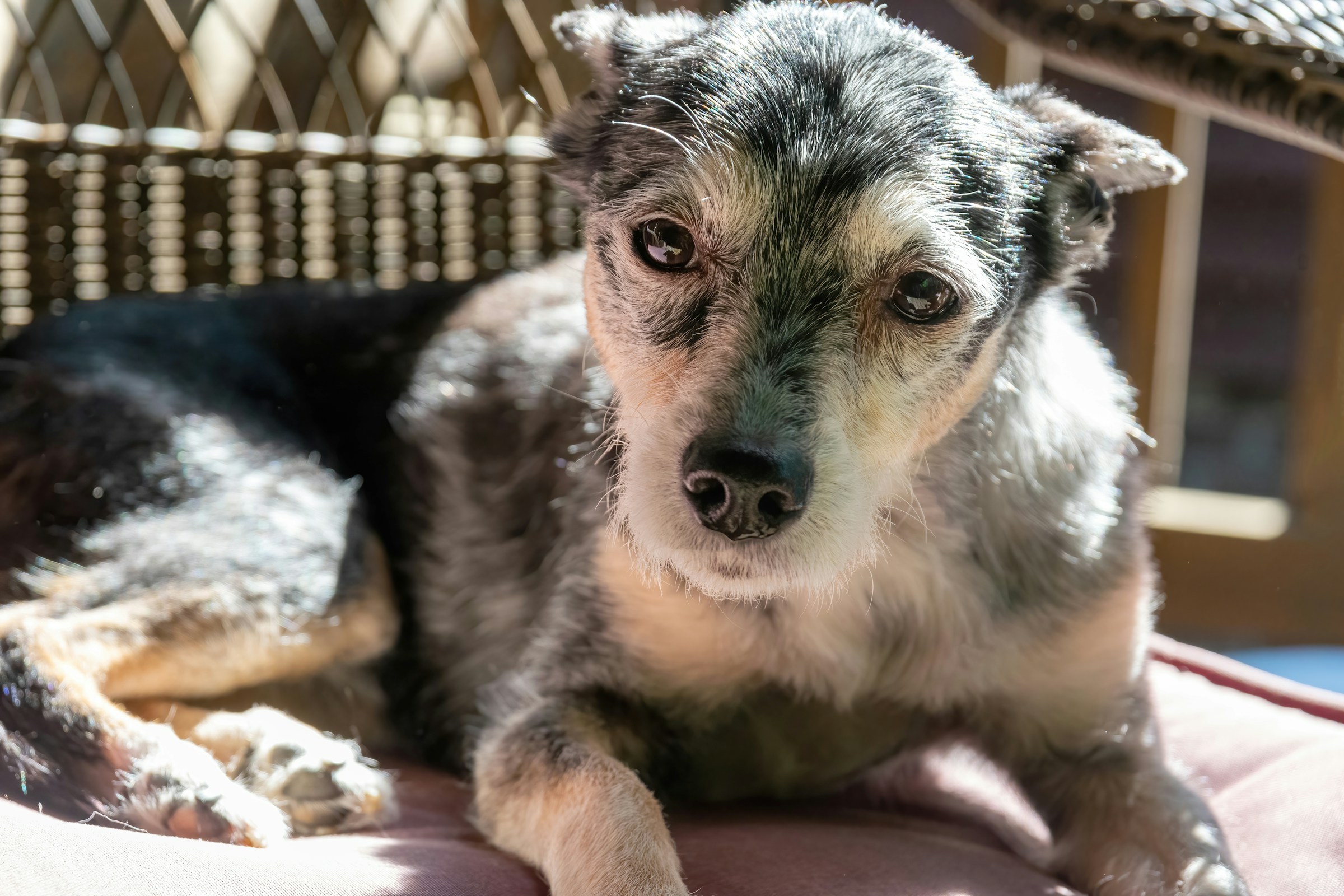

1. Confusion, Night Pacing, or Getting “Lost” Indoors
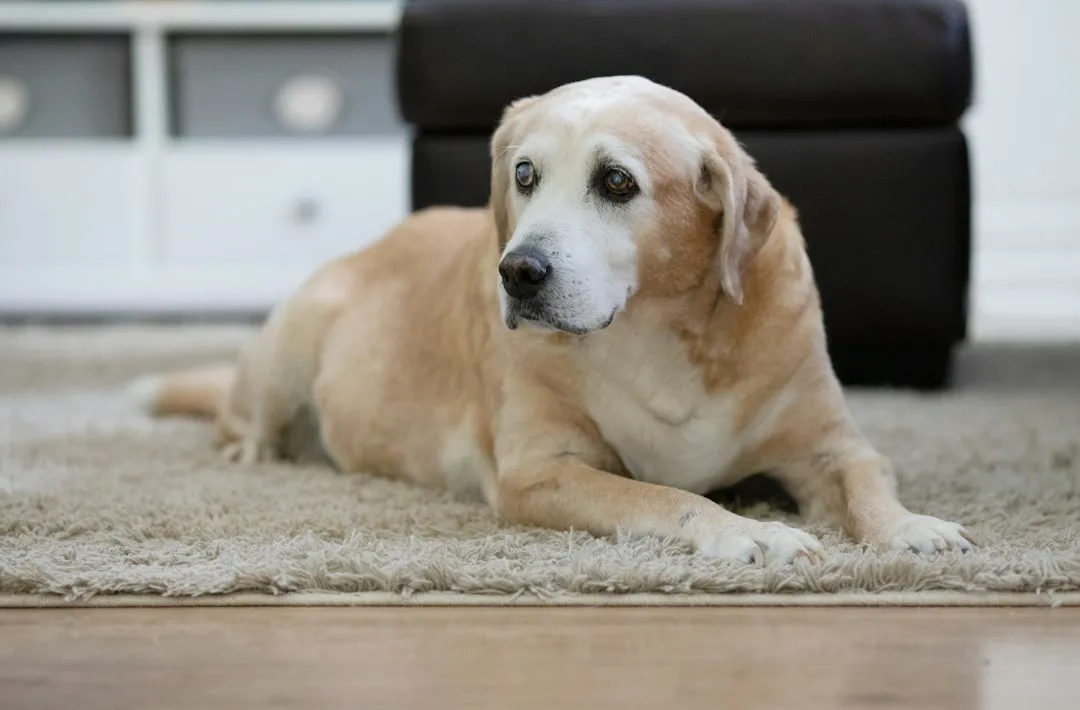
A dog that wanders the hallway at 2 a.m., stares at walls, or occasionally gets trapped behind furniture is showing something worth taking seriously. Older dogs can develop canine cognitive dysfunction (CCD), sometimes called “doggie dementia,” which is linked to age-related changes in the brain, including the loss of nerve cells, reduced blood flow, and changes in how the brain functions overall.
The prevalence of CCD increases with age, affecting between roughly one in seven and more than one in three dogs over eight years, and up to roughly seven in ten beyond fifteen years. That’s a substantial portion of the senior dog population. One large cross-sectional study estimated the prevalence rate of CCD at 14.2%, yet only 1.9% of affected dogs had been formally diagnosed by a veterinarian.
CCD is underdiagnosed partly because caregivers assume behavior changes are a result of normal aging, and sometimes veterinarians may not recognize the signs either. Earlier diagnosis genuinely matters, as treatment and environmental adjustments can slow progression and meaningfully improve a dog’s comfort and quality of life.
2. Sudden Changes in Appetite or Unexplained Weight Loss
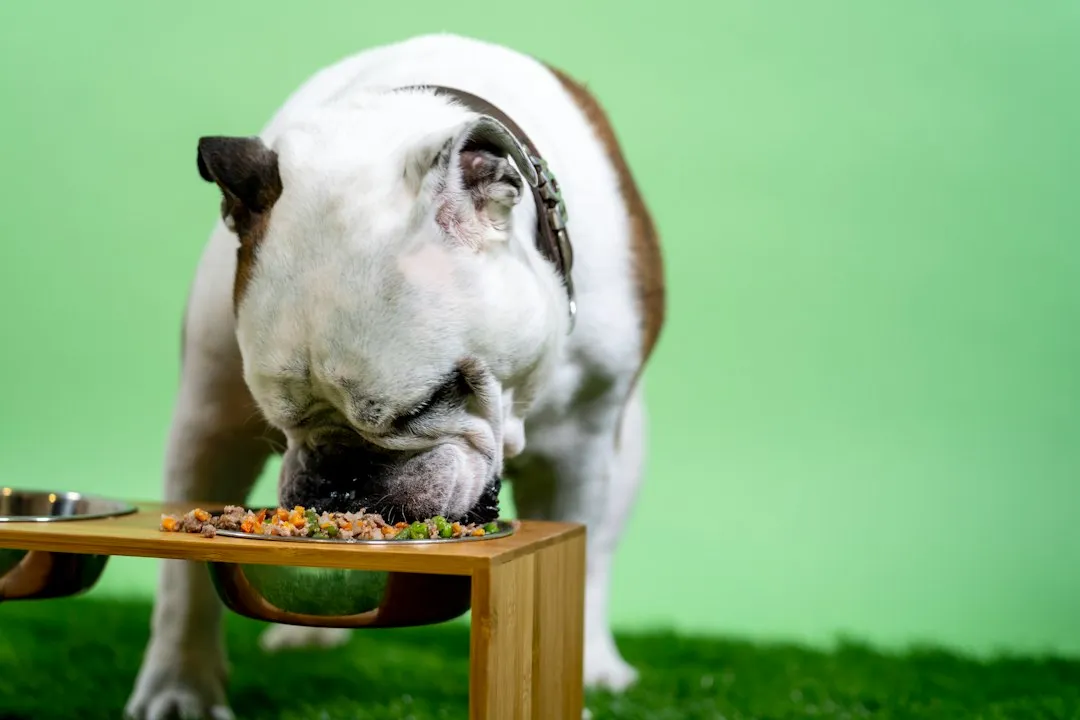
Vets get concerned when owners casually say their dog just doesn’t eat as much anymore, because subtle changes in appetite and weight are often the earliest signs of serious disease, from kidney failure to cancer to chronic pain. It’s easy to normalize these shifts, especially since they often arrive slowly.
Even a seemingly modest five to ten percent body weight change in an older dog can be medically significant. A dog that was once excited for meals but now eats slowly, leaves food, or seems picky may be nauseous, in pain, or anxious.
Unexplained weight loss without a change in diet or activity level can indicate cancer, diabetes, organ disease, or dental pain, and it should always be investigated. Tracking weight monthly and noting how quickly meals disappear gives vets far more useful information than a single weigh-in at an annual exam.
3. Difficulty Moving, Stiffness After Rest, or Reluctance to Jump
A 2024 survey found that the three most commonly reported clinical signs in older dogs by owners were slowing down on walks (reported by more than half of respondents), dental tartar, and being stiff on rising. Stiffness on rising, in particular, is easy to overlook because it often passes within a few minutes of movement.
Hesitating to jump on the couch, limping after a nap, or looking stiff getting up can be pain talking, though arthritis is often labeled as a condition of old age and dismissed. That dismissal can leave a dog in unnecessary discomfort for months or even years before anyone intervenes.
In senior dogs, subtle changes often signal something significant developing underneath. Vets who regularly examine older dogs know that what looks like routine stiffness can sometimes be early bone cancer or spinal disease. Mobility changes deserve a proper exam, not just a shrug.
4. Persistent Coughing or Changes in Breathing
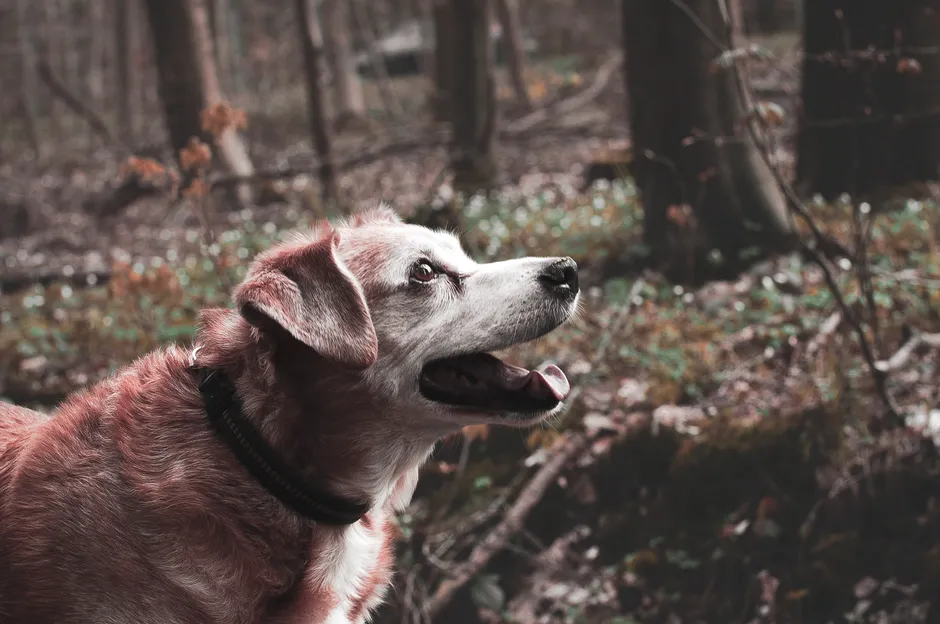
A new or worsening cough in a senior dog can be a sign of heart disease, particularly in small breeds, while dilated cardiomyopathy is more common in large breeds. A cough that sounds wet or occurs at night or on waking is particularly concerning.
Around three quarters of senior dogs have some form of heart disease, which can worsen over time and lead to congestive heart failure, a condition where the heart is unable to pump enough blood, causing pressure and fluid to build up around the lungs. That’s not a minor background statistic. It means heart disease is one of the most common threats facing older dogs.
Early detection is key to managing heart disease and slowing its progression. Signs include persistent coughing, difficulty breathing even at rest, fatigue, reluctance to exercise, and a swollen abdomen. None of these should be attributed to aging without a proper cardiac evaluation.
5. Increased Thirst and More Frequent Urination
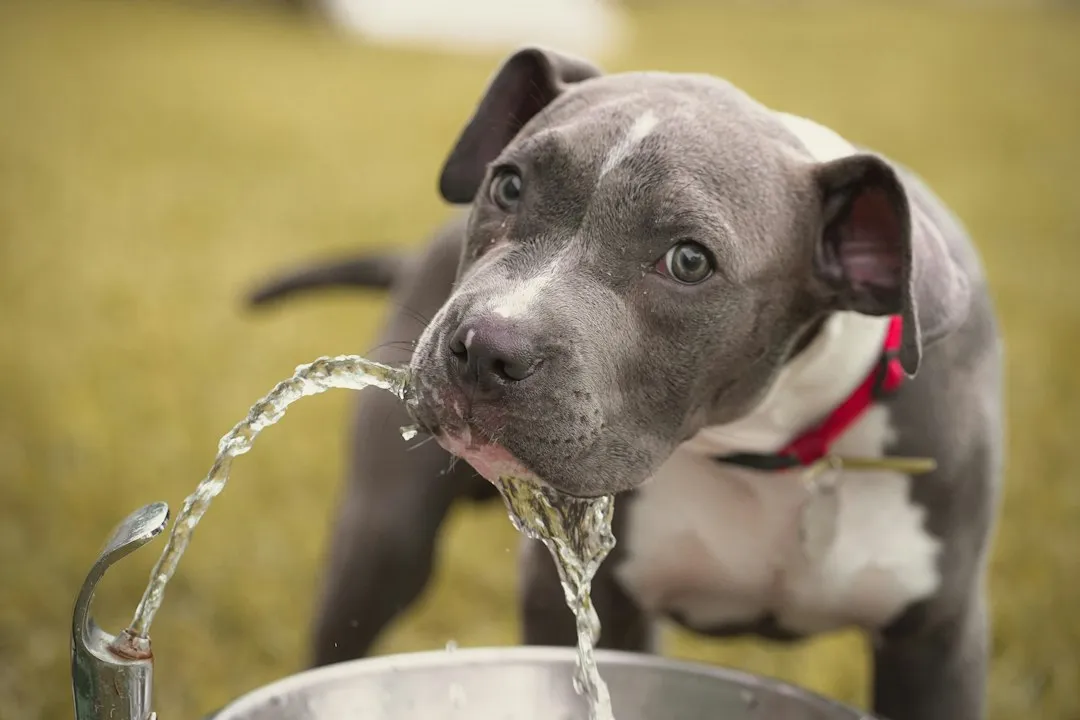
A dog suddenly emptying the water bowl faster than usual, or asking to go outside more often, is sending a signal that deserves follow-up. A dog that is drinking noticeably more water and urinating more frequently may have diabetes mellitus, kidney disease, Cushing’s disease, or a uterine infection in unspayed females, all of which require prompt diagnosis.
Kidney disease occurs when the kidneys no longer function correctly and are unable to remove toxins from the body. Left untreated, it can often lead to chronic kidney failure, which cannot be cured or reversed. That irreversibility is exactly why catching it early is so critical.
Routine veterinary exams and blood work can detect kidney disease long before visible signs appear. This makes twice-yearly senior wellness checks one of the most practical tools available to owners who want to stay ahead of the problem rather than react to it.
6. New Lumps, Skin Changes, or Coat Deterioration

Any new growth on or under the skin should be assessed by a vet. Many lumps in older dogs are benign, with lipomas being very common, but some are malignant and early detection is important. Owners should not assume a lump is harmless without having it checked.
Physical changes in the skin and coat worth monitoring include dry, flaky, or oily skin, excessive shedding or bald patches, and lumps, bumps, or growths. Coat quality, in particular, is often a window into what’s happening internally, especially with thyroid function.
Dogs with hypothyroidism often seem more tired than usual, less willing to move, and may gain weight even though food intake hasn’t increased. The coat loses its shine, hair loss appears sometimes symmetrically, the skin becomes dry and flaky, and recurrent skin infections are common. These changes are treatable once identified, which is why a vet visit rather than a grooming appointment is the right first step.
7. House-Training Accidents in a Previously Reliable Dog
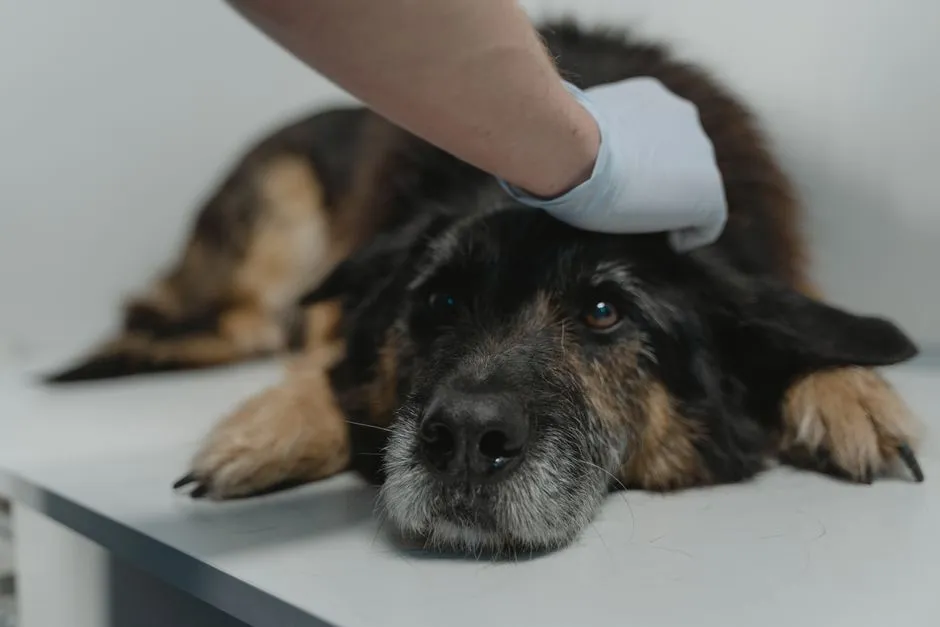
Indoor accidents in a dog that has been reliably house-trained for years are not a behavior problem. They’re a medical symptom. House-trained dogs may begin having accidents indoors as they age, with possible reasons including reduced mobility, cognitive changes, urinary problems, kidney-related concerns, or difficulty reaching outdoor areas. Any sudden change in bathroom habits should be discussed with a veterinarian.
Canine Cognitive Dysfunction can cause confusion, sleep disruption, anxiety, and house-soiling in older dogs. So what looks like a training regression can actually be a neurological symptom in disguise. The two look almost identical from the outside.
Tracking when accidents happen, how frequently, and whether there are other behavioral changes alongside them gives a vet important context to work with. Don’t correct the dog. Investigate instead.
8. Irritability, Snapping, or Sudden Personality Shifts
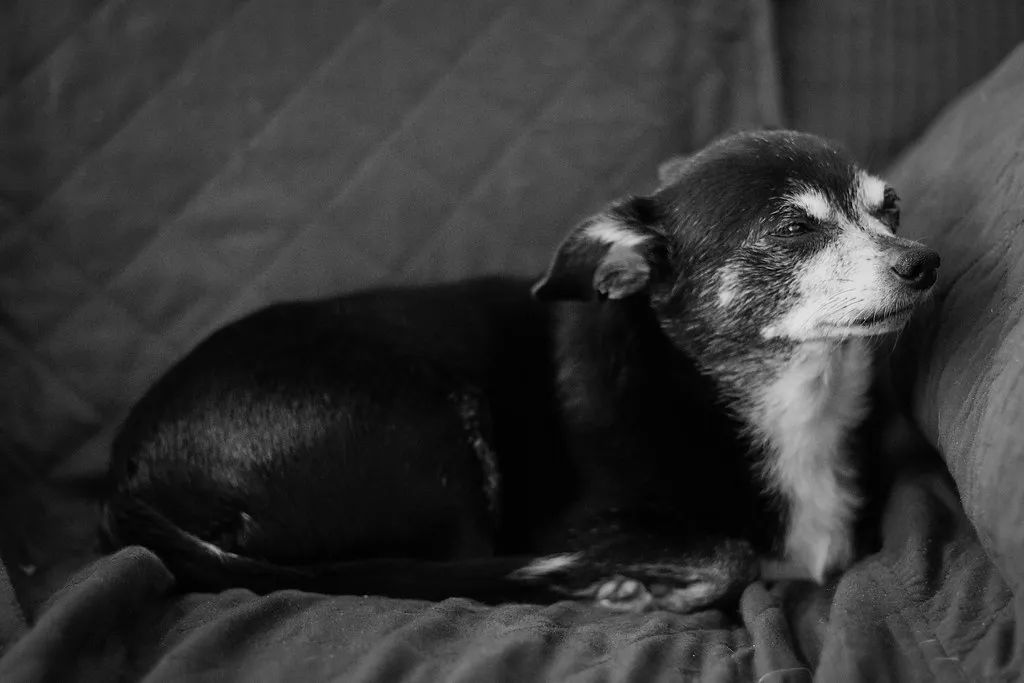
Senior dog behavior changes are often caused by aging-related physical, metabolic, cognitive, or sensory decline, not “just old age.” Pain, arthritis, and chronic medical conditions commonly drive behavior changes and may be subtle or hidden. A dog that snaps when touched near the hips may be telling you something quite specific about where it hurts.
Sudden behavior changes in older dogs are a red flag that shouldn’t be ignored. Senior dog behavior changes might indicate underlying health issues such as pain, cognitive decline, or sensory impairments including vision or hearing loss. Owners often interpret these shifts as the dog becoming grumpy or antisocial, when the real cause is physical discomfort.
Behavior changes should never be ignored and always warrant a veterinary exam to rule out treatable medical causes. Managing the underlying condition often resolves the irritability without any behavioral intervention at all.
9. Vision or Hearing Decline That Seems to Appear “Overnight”

Vets regularly hear about older dogs who suddenly start bumping into things or refusing stairs right after a well-meaning home rearrangement. Dogs adapt so well to early vision loss that owners often don’t notice anything is wrong until the environment changes and the compensating stops working. The loss was already there. The rearranged furniture just exposed it.
Minor hearing loss and gradual vision decline are common in older dogs. A dog may be less responsive to calls or may startle more easily, which can indicate reduced hearing. These changes deserve documentation and a vet’s assessment, not just adaptation at home.
Both vision and hearing loss can also be symptoms of underlying conditions rather than simple age-related decline, so a thorough examination can help distinguish between the two. Early identification also allows owners to make targeted home adjustments that genuinely improve safety and reduce stress for the dog.
10. Significant Sleep Pattern Changes or Daytime Restlessness
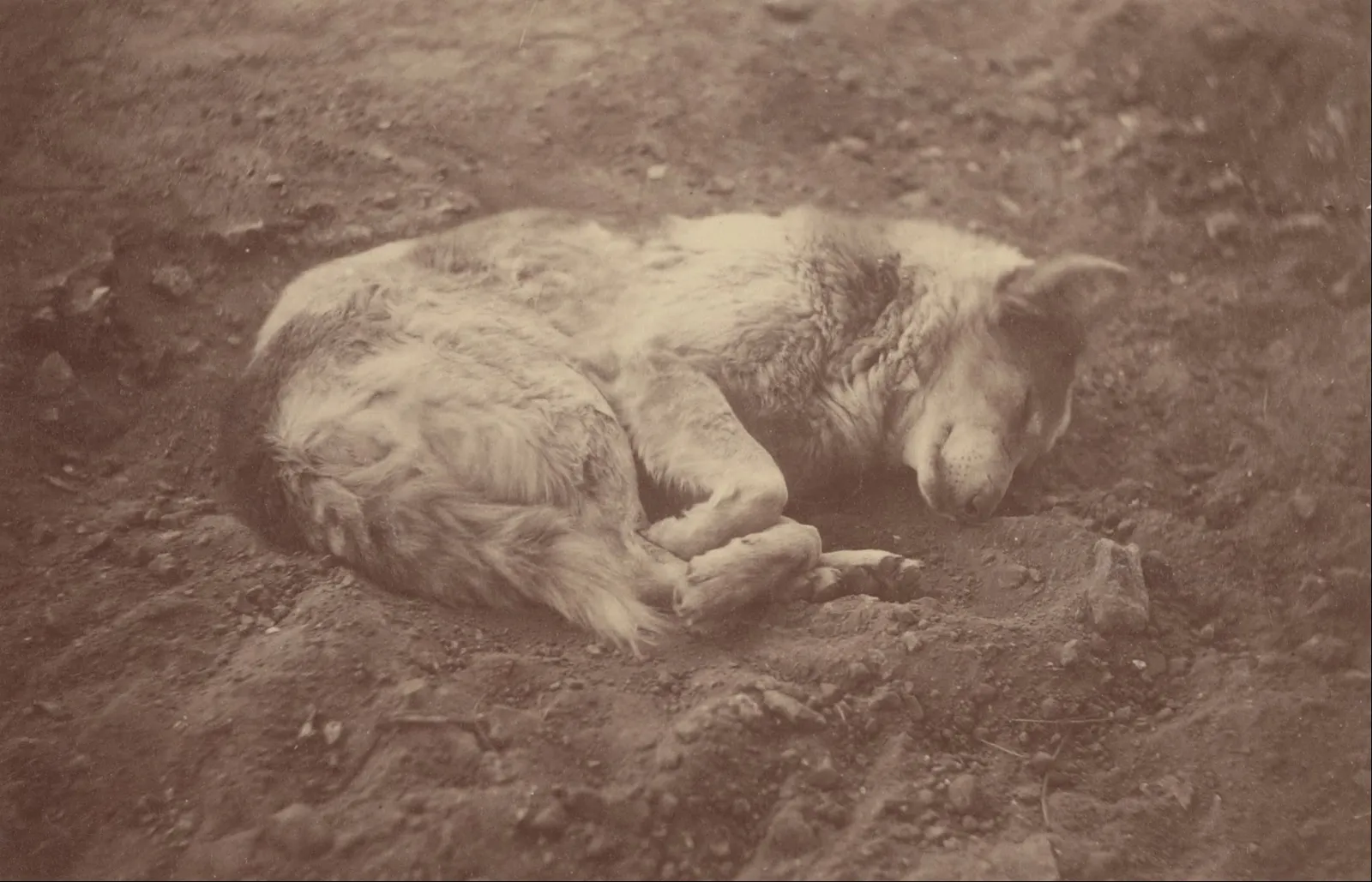
A decreased interest in playing or exercise, combined with increased sleep or restlessness at night, are behavioral changes worth monitoring in a senior dog. The combination of sleeping heavily during the day while pacing or whining at night is particularly associated with cognitive dysfunction.
Dogs often hide pain, especially chronic discomfort, but subtle changes may indicate that a senior dog is struggling. Possible signs include whining or vocalizing, restlessness, difficulty getting comfortable, avoiding touch, changes in sleeping patterns, and licking certain areas repeatedly.
A change in behavior may not only be indicative of CCD but might be the first or only sign of disease, pain, and impaired welfare. Sleep disruption in an older dog is rarely just a quirk. Treated early, many of the underlying causes are manageable.
What the Research Consistently Shows
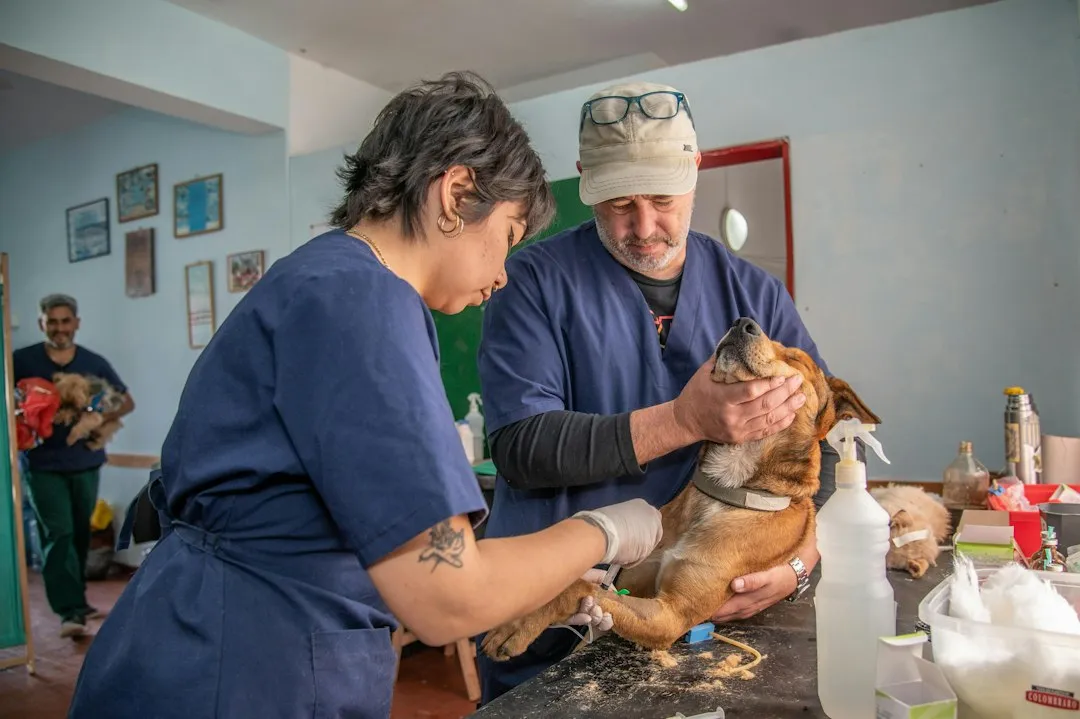
The vast majority of veterinary professionals, between 85 and 100 percent across surveyed clinicians, considered it moderately to extremely important for owners of senior dogs to seek veterinary advice for all 15 of the most commonly observed clinical signs. The gap between what vets consider urgent and what owners actually act on remains wide.
Noticeable changes should not always be dismissed as “just getting older.” Appetite changes, increased thirst, weight fluctuations, mobility problems, grooming changes, bad breath, sleep changes, behavioral differences, sensory decline, and bathroom changes can all provide important clues.
The most consistent thread running through veterinary guidance on senior dogs is straightforward: when something changes, find out why. Older dogs can’t advocate for themselves, and the changes that seem most ordinary are sometimes the ones that carry the most weight. A vet visit prompted by something that “probably isn’t anything” has caught serious illness early more times than most owners would expect.
AI Disclaimer: This article was created with the assistance of AI tools and reviewed by a human editor.