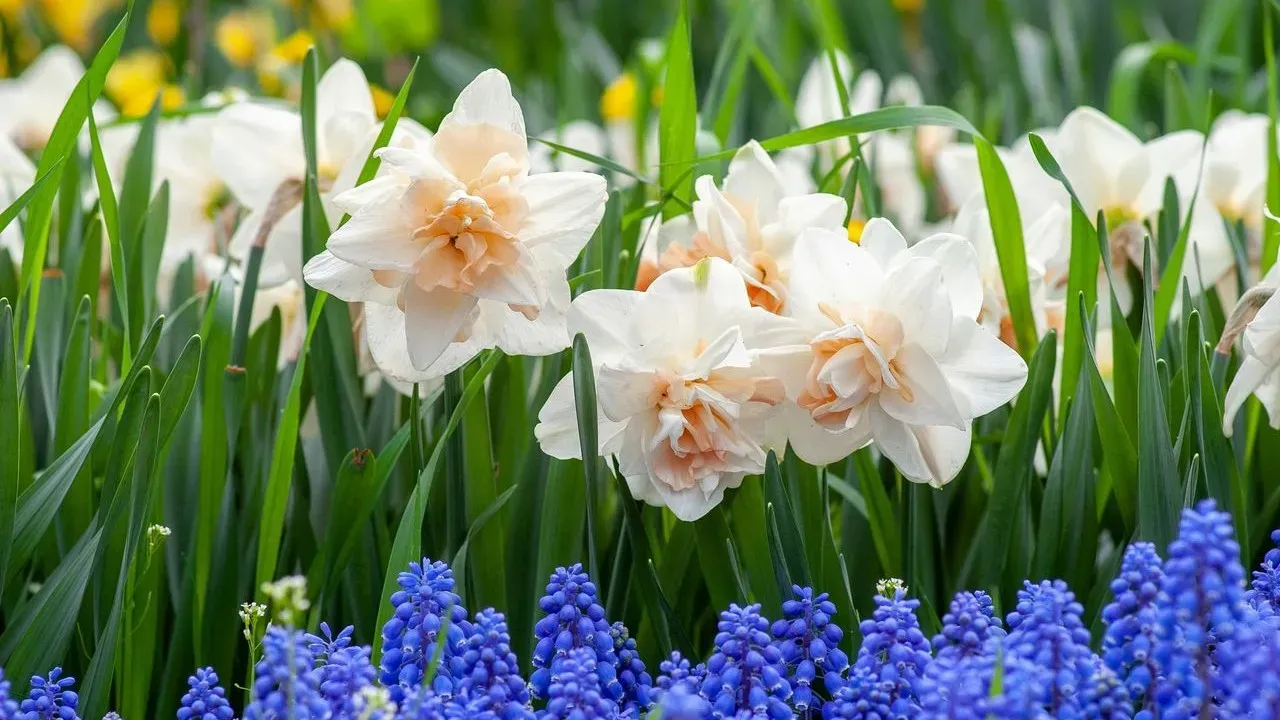

Gardeners looking ahead to the quiet months can already set the stage for vivid displays that arrive when most landscapes still feel bare. Primrose and polyanthus stand out as compact perennials that push through cold weather to offer bright blooms very early in the year. Their reliable performance in shaded spots makes them a practical choice for many home gardens.
Why These Plants Earn a Place in Cool-Season Plans
Primrose and polyanthus earn attention because they remain cold-hardy while delivering color at a time when few other flowers appear. The plants form neat clumps that brighten borders, woodland edges, and containers without demanding constant attention. Their ability to tolerate low light allows them to thrive where summer sun would otherwise scorch more delicate species.
Many gardeners value the way these perennials return year after year with minimal intervention once established. The early flowers also provide a welcome lift during late winter or the first weeks of spring, when outdoor spaces can otherwise look dormant. Because the foliage stays evergreen in milder climates, the plants maintain visual interest even outside peak bloom periods.
Selecting Locations That Match Their Needs
Successful plantings begin with sites that offer protection from intense afternoon sun. Areas beneath deciduous trees work especially well, since the canopy provides dappled shade during warmer months while allowing more light to reach the ground in winter. Gardeners in regions with hot summers often find that east-facing beds or spots near taller shrubs create the right balance of morning sun and afternoon relief.
Soil that drains well yet holds some moisture supports steady growth without waterlogging the roots. Raised beds or amended garden soil can improve conditions in heavier clay areas. Spacing plants appropriately prevents overcrowding and encourages air circulation that helps keep foliage healthy.
Simple Steps for Planting and Ongoing Care
Planting in early fall gives roots time to settle before colder weather arrives. Gardeners typically set young plants at the same depth they grew in their containers and water them thoroughly afterward. A light layer of mulch helps moderate soil temperature and retain moisture during the first season.
Once established, these perennials require only occasional watering during dry spells and light feeding in spring. Deadheading spent blooms encourages additional flowers, while dividing clumps every few years keeps plants vigorous. Pests and diseases rarely cause serious problems when basic cultural needs are met.
- Choose well-drained soil with moderate fertility.
- Water consistently until roots establish, then reduce frequency.
- Remove faded flowers to prolong the display.
- Divide mature clumps in early spring or fall as needed.
Planning Ahead for Reliable Early Displays
October offers an ideal window to order or purchase plants and prepare beds for the coming season. By focusing on cold-hardy selections suited to local conditions, gardeners can count on repeated color without heavy maintenance. The combination of shade tolerance and early bloom time makes primrose and polyanthus a dependable addition to mixed borders or woodland-style plantings.
Over time, these perennials reward consistent but light care with repeated seasons of interest. Their compact habit also suits smaller gardens or containers placed near entryways where the first flowers can be enjoyed up close.
AI Disclaimer: This article was created with the assistance of AI tools and reviewed by a human editor.