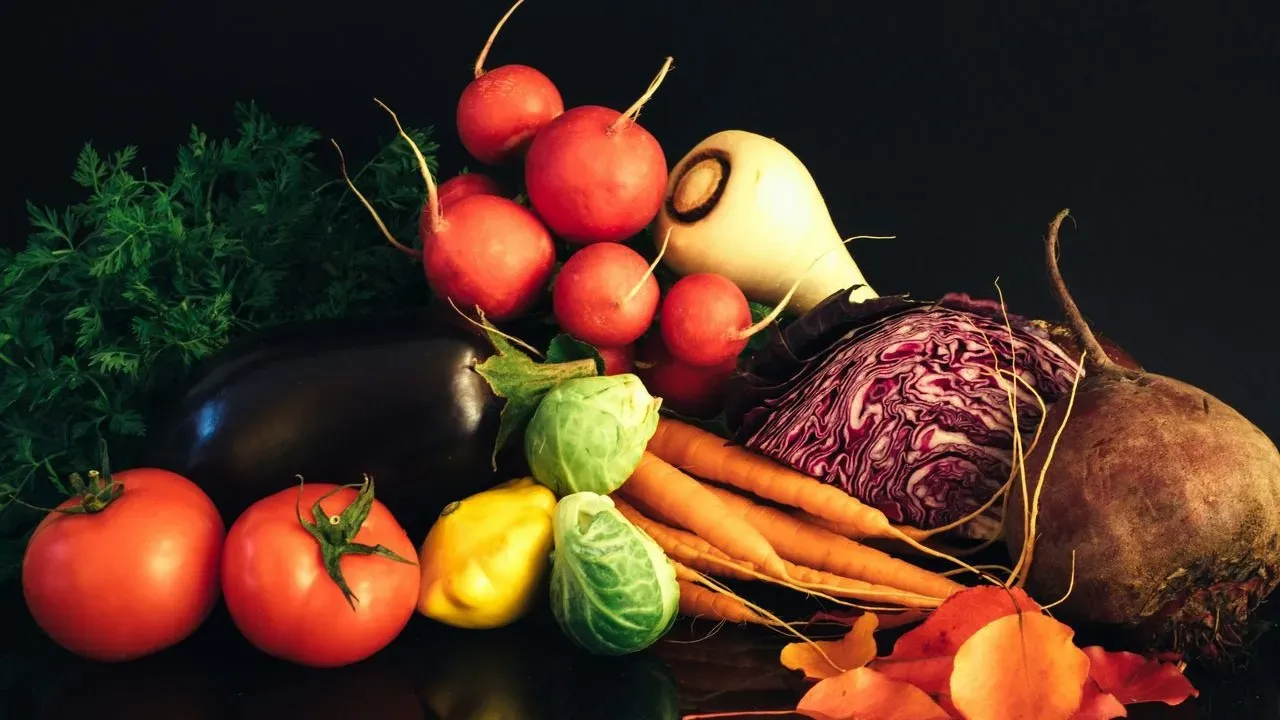

Gardeners often assume the season winds down once cooler weather arrives, yet November still offers meaningful opportunities to add vegetables to the soil. Planning now, while October days remain mild, allows time to prepare beds and select crops suited to shorter days and cooler temperatures. Homestead Gardener highlights this window in its guide to vegetables that can go in the ground during the eleventh month ([1]).
Why Late Planting Matters
Many regions experience a second wave of growth once summer heat fades. Soil that has been worked through the year often holds enough warmth and moisture to support new seedlings even as daylight shortens. Extending the harvest season this way reduces reliance on stored produce and keeps garden beds active rather than empty.
November plantings also build resilience. Crops started now can mature before the first hard freezes in many climates, providing fresh greens and roots when supermarket options feel limited. The approach rewards those who view the calendar as flexible rather than fixed.
Essential Soil Preparation
Successful November planting begins with cleanup. Removing grass clippings and old plant debris prevents disease carryover and creates a cleaner surface for new seeds or transplants. This simple step improves airflow and reduces competition for nutrients.
Adding organic matter follows naturally. Compost, aged manure, or leaf mold mixed into the top layer boosts fertility and structure, helping roots establish quickly in cooling conditions. A fresh compost pile started at the same time supplies future amendments without extra cost.
Harvesting and Timing
Clearing remaining fall vegetables frees space and reveals soil condition. Pulling the last tomatoes, peppers, or leafy greens signals the shift toward cooler-season crops. Gardeners who harvest promptly avoid frost damage and keep beds ready for immediate replanting.
Local frost dates guide decisions. Checking average first-freeze records helps determine whether a particular vegetable will reach maturity before temperatures drop too far. Starting seeds indoors or purchasing young plants can shave weeks off the timeline.
Looking Ahead
November planting turns the end of one season into the start of another. With beds refreshed and timing considered, gardeners gain weeks of additional produce and maintain the satisfaction of active soil. The practice rewards steady attention more than dramatic effort, offering quiet returns through the colder months.
AI Disclaimer: This article was created with the assistance of AI tools and reviewed by a human editor.