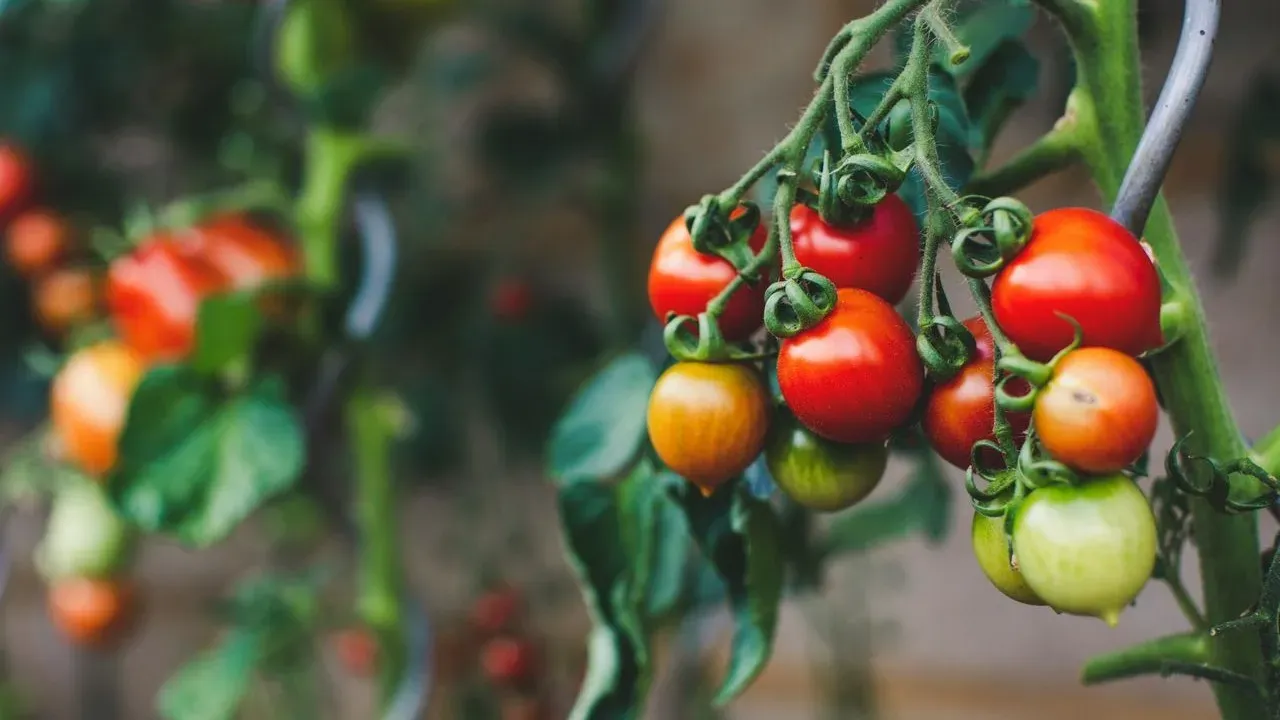

Across much of the country, the first cold nights of October bring a real risk to warm-season crops still ripening in the garden. Tomato plants, which thrive in heat, can suffer serious damage or die when temperatures dip to freezing. A few timely steps can often extend the harvest by days or even weeks. The original guidance on this topic comes from a detailed gardening resource that outlines multiple practical approaches. ([1])
Why Tomatoes Need Protection Now
Tomatoes stop growing and begin to decline once nights turn consistently cool. Frost forms when surface temperatures reach 32 degrees or below, and even a light covering of ice crystals can rupture plant cells. The result is blackened leaves, soft fruit, and stems that collapse within hours. Gardeners who monitor forecasts closely often gain an extra window to act before damage sets in.
Many regions see their first frost between mid-September and mid-October, depending on latitude and elevation. Plants that have already produced a full summer crop may still hold green fruit that can ripen indoors if harvested in time. Acting before the temperature drops protects both the remaining harvest and the possibility of a few more outdoor pickings.
Simple Covers That Work Overnight
Lightweight fabric row covers or old bedsheets draped over plants create a barrier that traps daytime warmth. The material should reach the ground on all sides and be secured with stakes, rocks, or clips so wind does not pull it away. These coverings can raise the temperature around the plant by several degrees, often enough to prevent light frost.
Individual plants can be shielded with plastic jugs, buckets, or cardboard boxes placed over them at dusk. Remove the covers each morning once the sun returns and temperatures rise above freezing. Reusing household items keeps the method inexpensive while still delivering reliable short-term protection.
Extra Steps for Stronger Defense
Watering the soil thoroughly before a cold night helps because moist ground releases heat more slowly than dry soil. Avoid wetting the foliage itself, as excess moisture on leaves can worsen freeze damage. Mulching around the base of the plants with straw or shredded leaves adds another layer of insulation to the root zone.
For potted tomatoes, moving containers to a sheltered porch, garage, or against a south-facing wall provides natural warmth from the building. Larger in-ground plants benefit from temporary windbreaks made from burlap or plastic sheeting supported by stakes. These barriers reduce the chilling effect of wind that often accompanies the first cold fronts.
Knowing When to Harvest Instead
When forecasts call for a hard freeze, it may be wiser to pick all usable fruit rather than risk total loss. Green tomatoes placed in a paper bag or on a windowsill can ripen over the following weeks. Fully ripe fruit should be eaten or processed immediately, while slightly underripe tomatoes often finish coloring indoors without losing much flavor.
Monitoring local weather services each evening during the transition months allows gardeners to decide between covering and harvesting. Keeping a few basic supplies on hand, such as old blankets and stakes, makes last-minute protection far easier when a surprise frost warning appears.
Key points to remember: Check forecasts daily, cover plants before sunset, remove coverings once temperatures rise, and harvest what you can if a hard freeze is expected.
AI Disclaimer: This article was created with the assistance of AI tools and reviewed by a human editor.