

The Phosphoric Acid Problem
Dark cola is made with phosphoric acid for preservation and taste, and phosphoric acid may cause kidney damage, especially in those who already have kidney disease. This is the detail that separates cola from other carbonated drinks. Clear sodas like lemon-lime drinks don’t carry the same concern.
Carbonated beverage consumption has been linked with diabetes, hypertension, and kidney stones, all risk factors for chronic kidney disease. Cola beverages, in particular, contain phosphoric acid and have been associated with urinary changes that promote kidney stones.
Noncola carbonated beverages showed no increased risk at all, with an odds ratio of essentially the same as not drinking soda. That’s a meaningful distinction. The phosphoric acid in cola, not carbonation itself, appears to be the key variable.
What Two Cans a Day Actually Does
Drinking two or more colas per day was associated with increased risk of chronic kidney disease, with an adjusted odds ratio of 2.3. That figure comes from a published study in Epidemiology and the findings held up across multiple analyses.
Drinking two or more colas per day was associated with a 2.3 times higher risk of chronic kidney disease compared to people who didn’t drink cola, and this held true for both regular and diet versions. The sugar-free swap doesn’t solve the problem.
Consumption of two or more glasses of cola per day, or more than four cups of sugary beverages a week, was associated with more than a two-fold risk of chronic kidney disease. Most heavy cola drinkers clear that threshold without realizing it.
Diet Soda Is Not the Safe Alternative

Kidney function declined over two decades in women who drank several diet sodas a day, according to researchers from the Nurses’ Health Study. Compared with women who did not drink diet soda, soda-drinking women had a 30% greater reduction in kidney function over 20 years.
The diet soda drinkers experienced a drop in their glomerular filtration rate, an important measure of kidney function. The rate of decline was three times as much as for women who didn’t drink diet sodas. Glomerular filtration rate is the number nephrologists watch most closely. Seeing it fall three times faster is not a minor finding.
Switching to diet cola avoids the sugar problem but keeps everything else. You still get the phosphoric acid, the caramel coloring, and the caffeine. The kidney disease risk for diet cola drinkers was essentially the same as for regular cola drinkers in the research.
The Kidney Stone Connection

Certain ingredients in soda, including fructose and phosphoric acid, may increase the risk of kidney stones. Kidney stones, in turn, are not just painful. They’re also a recognized risk factor for long-term kidney damage when they occur repeatedly.
Evidence indicates that a decrease in consumption of soft drinks acidified by phosphoric acid, such as colas, is associated with a reduced risk of stone recurrence. The American College of Physicians has cited this in its guidelines for people who have already had kidney stones.
A study cited by the American College of Physicians found that kidney stone patients who agreed to change their beverage habits and abstain from soda, specifically colas acidified with phosphoric acid, cut their risk of a recurrence by about 15 percent. For people prone to stones, that reduction matters enormously.
The Sugar Load and Its Downstream Effects
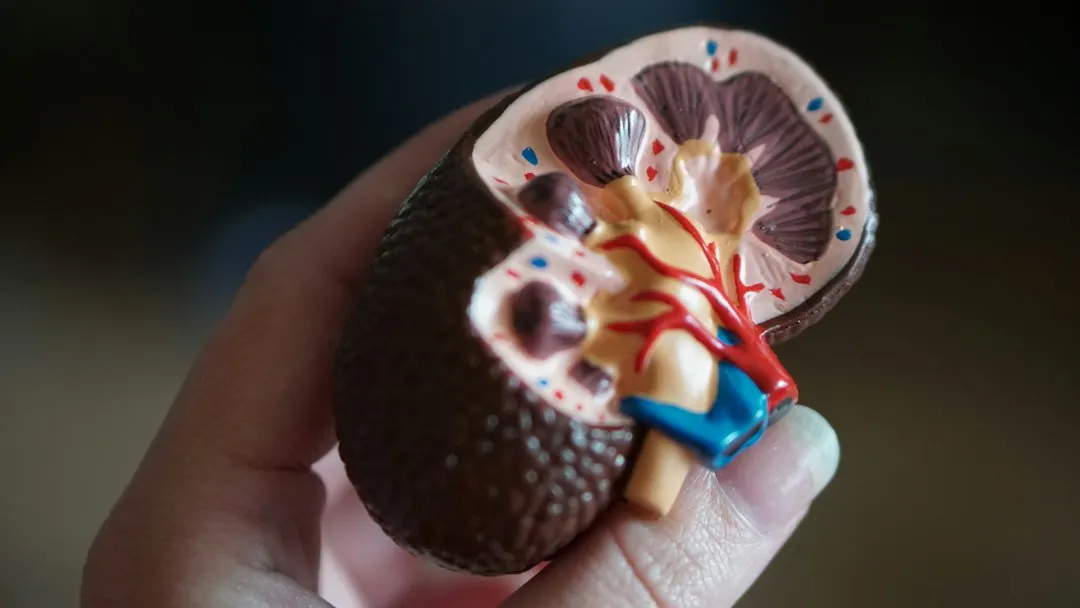
According to a 2015 study, drinking more than four sugar-sweetened carbonated drinks per week was associated with an increased prevalence of chronic kidney disease. High sugar content in the blood can damage blood vessels in the kidneys, making high blood sugar and diabetes risk factors for developing chronic kidney disease.
Consuming foods and drinks loaded with sugar can cause unwanted weight gain, which could eventually lead to obesity, diabetes, hypertension, elevated uric acid levels, and kidney stones. Each of those conditions independently stresses the kidneys. Together, they compound.
A 2024 study based on participants’ self-reported intake suggests that drinking more than one serving of sugar-sweetened or artificially sweetened beverages per day was linked to an increased risk of developing kidney disease. That threshold is lower than many people assume.
A Large-Scale 2024 Study Adds Weight to the Evidence
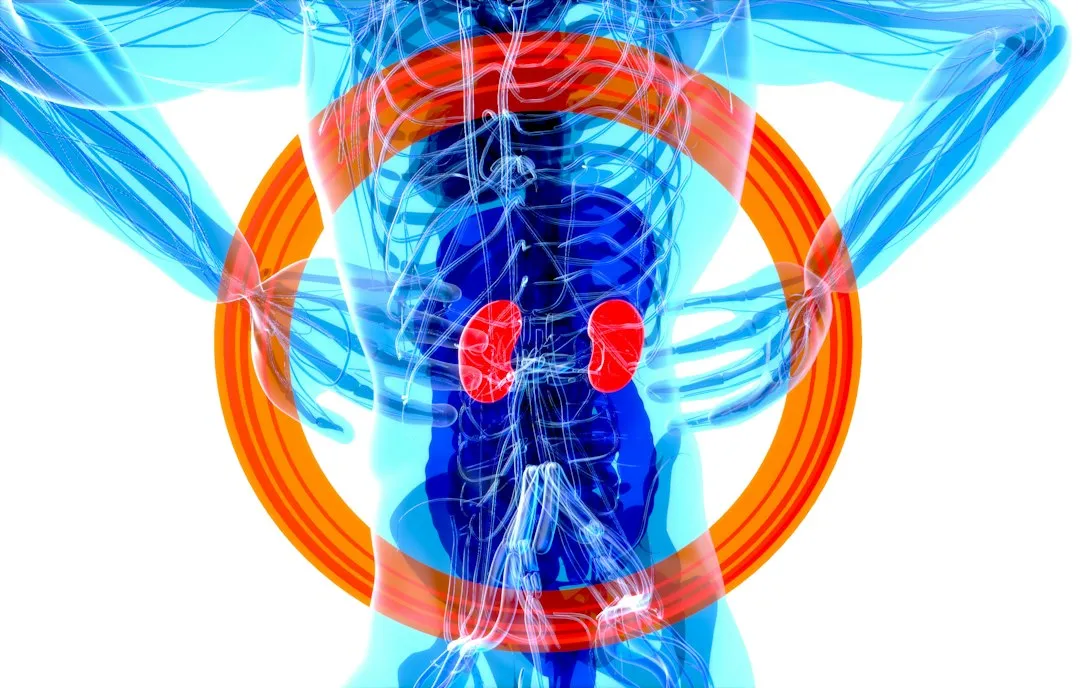
A prospective analysis of 191,956 participants from the UK Biobank examined participants with information on beverage consumption and no history of chronic kidney disease at recruitment. Daily consumptions of sugar-sweetened beverages, artificially-sweetened beverages, and natural juices were measured via 24-hour dietary recall. This kind of large-scale, prospective design makes the findings harder to dismiss.
Although several studies had already linked sugary beverages to chronic kidney disease, this 2024 study published in Frontiers in Nutrition aimed to examine the associations of sugar-sweetened beverages, artificially-sweetened beverages, and natural juices with chronic kidney disease risk, and assess the extent to which the associations were mediated through metabolic syndrome.
How the Risk Shows Up in Population Data

Researchers examined survey data on beverage consumption among 3,003 African-American men and women who were 54 years old on average and did not have kidney disease at the start. After following participants for about 8 to 10 years, researchers found that 185 people, roughly 6 percent, developed chronic kidney disease.
After researchers accounted for factors that can contribute to kidney damage such as smoking, obesity, high blood pressure, diabetes, and inactivity, they found that drinking mainly sodas and sweetened fruit drinks were associated with a 61 percent higher risk of kidney disease. When researchers looked at beverages individually, soda was the main culprit.
How Much Is Considered Too Much
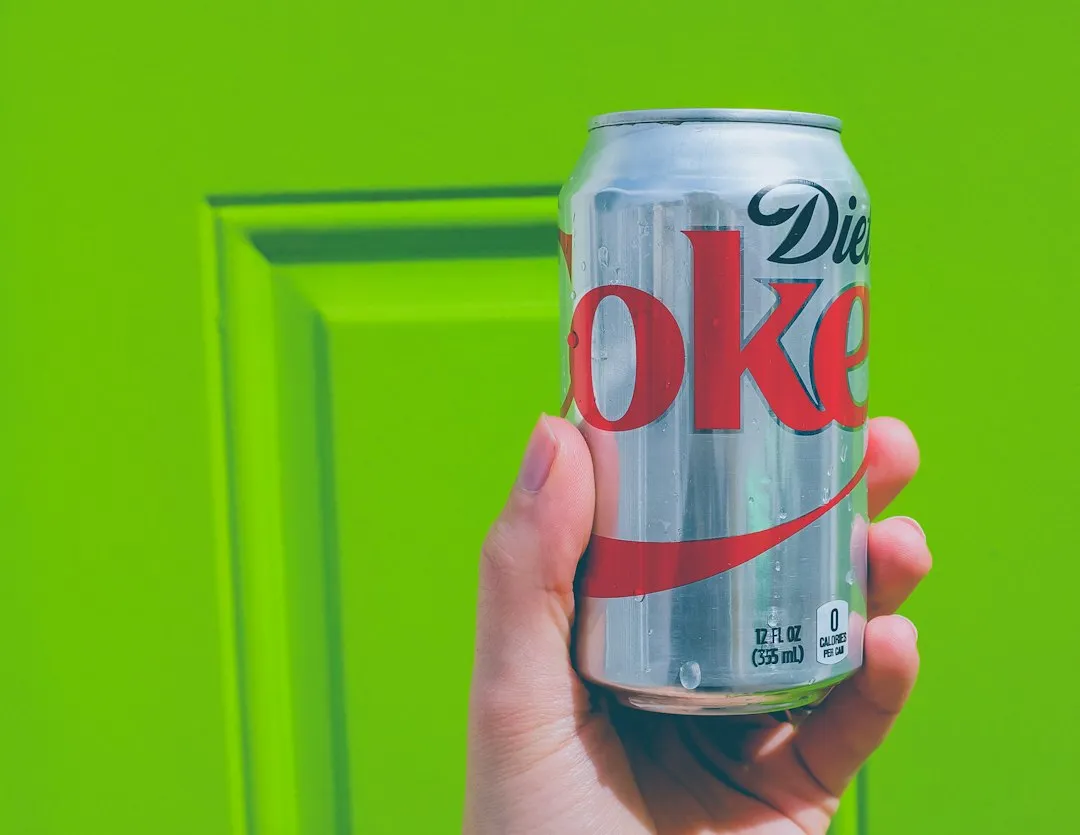
Most of the serious health risks in the research show up at around two or more servings per day. That’s the threshold where kidney disease risk more than doubled, and where bone density effects become meaningful over time. Still, one can per day is not without consequences.
Drinking one diet soda daily did not decrease kidney function more than normal. Drinking two or more diet sodas, though, appeared to cause problems. The dose matters, but the margin between “fine” and “risky” is narrower than most cola drinkers imagine.
The concentrated sugar content in a soda can make blood sugar management more challenging, and should be limited for those with diabetes or existing kidney disease, while even individuals with a family history of kidney disease should watch their sugar intake and blood sugar levels closely.
What Kidney Doctors Recommend Instead

Fluid recommendations from the National Kidney Foundation for kidney stone prevention include water, coffee, and lemonade, which have been shown to have a beneficial effect, with the exception of grapefruit juice and soda. The guidance is specific about what helps and what doesn’t.
Current guidelines recommend increasing fluid intake, maintaining a balanced calcium intake, reducing dietary intake of sodium and animal proteins, and increasing intake of fruits and fibers. Removing cola fits neatly into that framework.
Water, herbal teas, and kidney-friendly low-sodium or electrolyte drinks are the safest options according to clinical guidance on beverages for kidney health. None of them are exciting, but the kidneys don’t need excitement. They need volume and the right chemistry.
Why This Keeps Getting Overlooked

Cola is deeply embedded in daily routines. It’s at every meal, every meeting, every movie. The health warnings around soda tend to focus on weight and teeth, which feel manageable or distant. Kidney damage, by contrast, is largely silent until it’s serious.
Soda consumption is linked to chronic diseases such as obesity, type II diabetes, kidney disease, cirrhosis, and cardiovascular disease. Even sugar-free sodas can further strain your kidneys. The “diet” label has reassured millions of people who may be drinking their way toward the same risk.
Health promotion messages often focus on restricting selected unhealthy beverage choices, but there is a lack of comprehensive information about the health implications of the wide range of beverage options. That gap in public awareness is part of why the problem persists.
The Quiet Conclusion Kidney Specialists Have Already Reached

Nephrologists don’t make dramatic announcements about cutting cola from their own lives. They just quietly do it, because the research they read every day makes the choice obvious. The same evidence they use to counsel patients ends up shaping what they pour at home.
Evidence indicates that a decrease in consumption of soft drinks acidified by phosphoric acid, such as colas, is associated with a reduced risk of stone recurrence. Fruit-flavored soft drinks are often acidified by citric acid and carry a different profile. Even within the soda category, not all drinks carry the same risk.
The broader takeaway is simple: dark cola is the one beverage category where kidney specialists, across multiple clinical guidelines and decades of research, consistently land on the same answer. Drink less of it. Drink more water. The kidneys will quietly thank you, which is exactly how healthy kidneys prefer to operate.
AI Disclaimer: This article was created with the assistance of AI tools and reviewed by a human editor.