
Why a Fuller Water Bowl Actually Means Something
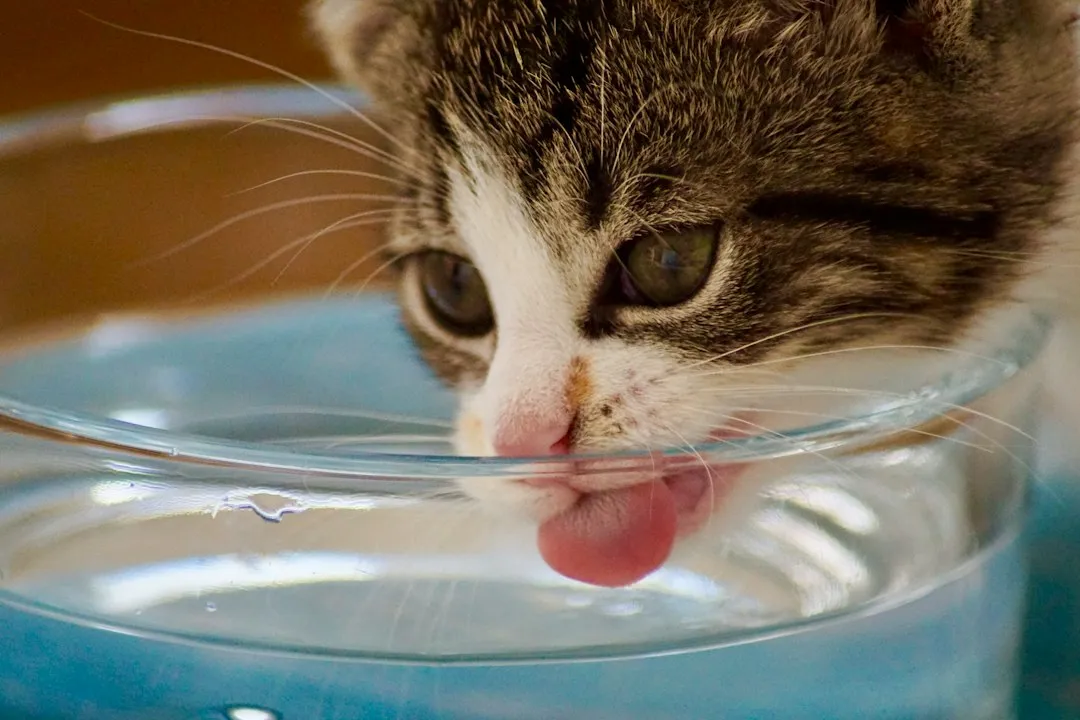
Cats normally drink between 40 and 60 milliliters of water per kilogram of body weight each day, which works out to roughly a quarter to half a cup for a 10-pound cat. When that amount climbs significantly and consistently, it crosses into what veterinarians call polydipsia, a medical term for abnormal thirst. Drinking more than 60 ml per kilogram per day is considered abnormal and warrants evaluation.
Cats are masters at hiding illness, and increased thirst is often an early warning sign of underlying disease. The challenge is that many owners assume their cat is simply warm, bored, or going through a phase. In senior cats, that assumption deserves a second look.
Chronic Kidney Disease: The Most Common Culprit
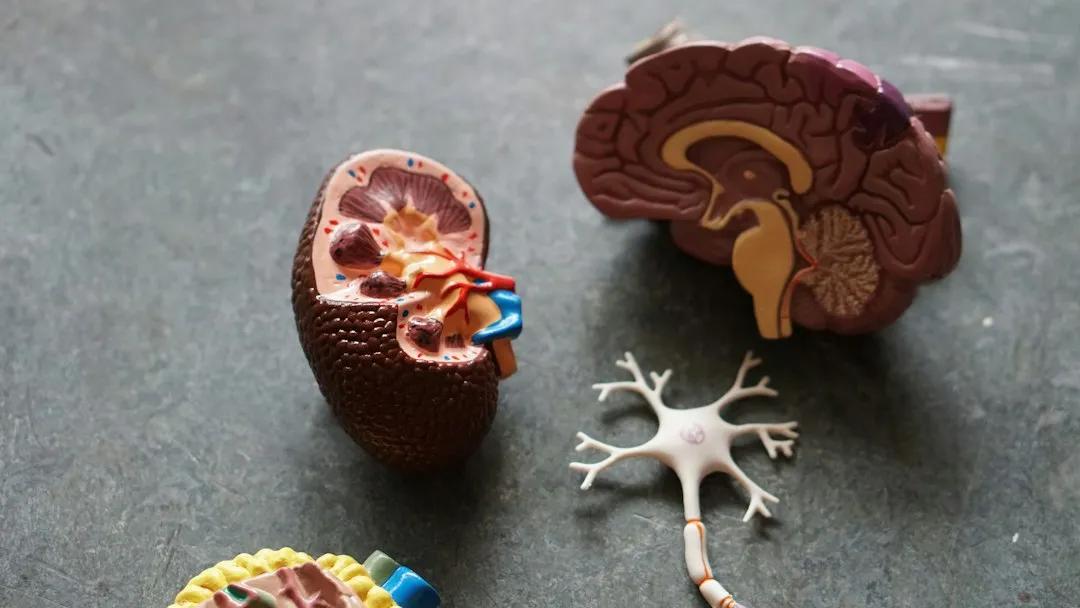
The most common reason older cats begin drinking and urinating excessively is because their kidneys are starting to decline. Chronic kidney disease affects up to roughly four in ten cats over age 10, and the vast majority of cats over age 15. Those are significant numbers by any measure.
When a cat has kidney disease, their kidneys are unable to filter blood effectively and make properly concentrated urine, which causes cats to urinate more frequently and therefore drink more water. As the kidneys lose their ability to concentrate urine, cats drink more to stay hydrated, and this condition can progress gradually, making early detection critical.
Hyperthyroidism: The Thyroid Gland Gone Overactive
Hyperthyroidism is an endocrine condition caused by a usually benign mass in the thyroid tissue in the neck, which produces excess thyroid hormone. Cats drink more, want to eat more, typically lose weight, and develop poor coat condition. It is a condition of middle-aged to older cats and is diagnosed via blood tests.
Hyperthyroidism is the most common endocrinopathy affecting the geriatric feline population, with a prevalence of 6 to 10 percent reported in cats greater than 10 years of age. Increased thirst and urination are frequent clinical signs in hyperthyroidism, occurring in over half of affected cats. That overlap with kidney disease makes it particularly tricky to diagnose without testing.
Feline Diabetes: When Blood Sugar Drives the Bowl
The two most common signs of diabetes noticed by owners at home are weight loss despite a good appetite and increased thirst and urination. High levels of sugar in the blood can overwhelm the ability of the kidney to filter glucose, allowing sugar to spill into the urine, and this high urine glucose concentration pulls excessive amounts of water into the urine, resulting in increased urine volume and a compensatory increase in thirst.
Diabetes mellitus is the second most common endocrine disease in cats, seen more frequently in middle-aged to senior cats, and more common in males than in females. The odds of developing diabetes are substantially higher in cats aged 9 years and older compared to younger adult cats. Weight management in younger cats genuinely matters here.
The Tricky Overlap Between Thyroid and Kidney Disease
Studies have found that between 15 and 51 percent of cats with hyperthyroidism have underlying chronic kidney disease, and the two conditions often appear on the same differential diagnoses list because they share a number of historical findings and clinical signs. This overlap is not just an academic point. It directly affects how vets choose to treat.
Concurrent hyperthyroidism and kidney disease is extremely common and creates a complex treatment balancing act, partly because hyperthyroidism increases blood flow to the kidneys, which can artificially mask declining kidney function on blood tests. Resolution of the hyperthyroid state can unmask chronic kidney disease, since excess thyroid hormones increase the glomerular filtration rate, and treatment of hyperthyroidism will decrease that rate, leading to an increase in key waste markers in the blood.
What the Litter Box Can Tell You First
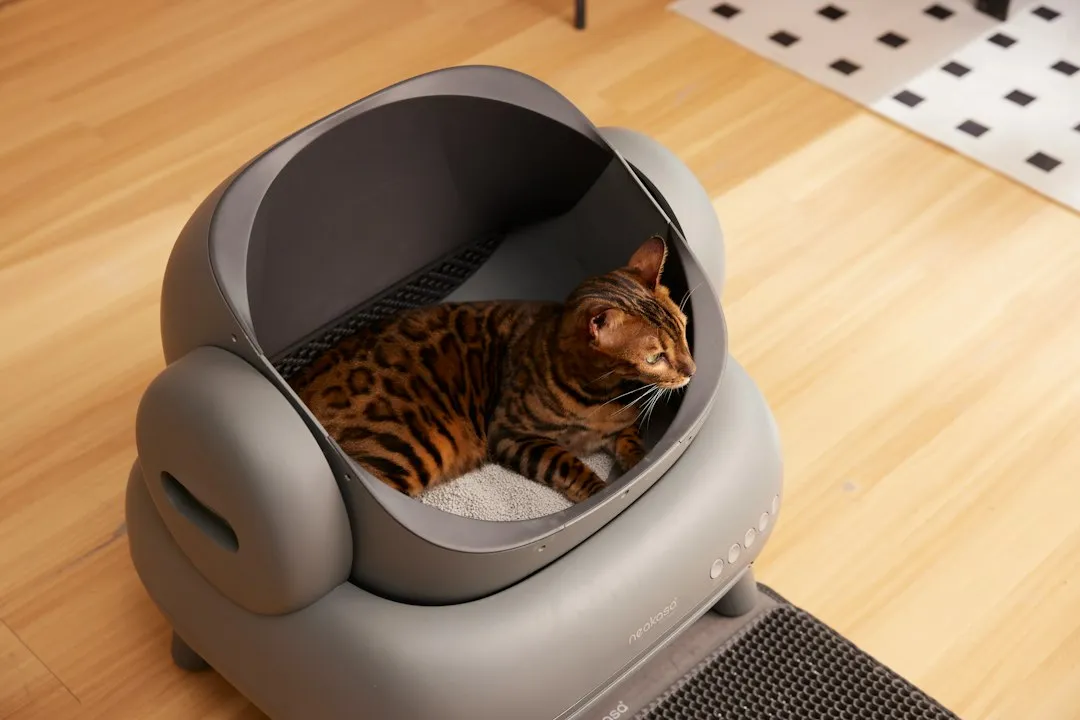
What goes in must come out, so you may see larger-than-normal urine clumps in the litter pan because your cat is urinating more. In fact, the first sign of a problem might be that the litter box is getting full more quickly and the clumps are getting heavier and harder to scoop.
Cats with increased thirst will also need to urinate more frequently, so they may visit the litter tray more than usual. For owners who don’t watch the water bowl closely, the litter box is often where the first real clue shows up. It’s worth paying attention to both.
Other Signs That Accompany the Thirst
While increased water consumption is a key indicator, there are other signs that may accompany excessive thirst in elderly cats, including frequent urination, weight loss, lethargy, changes in appetite, and vomiting or diarrhea. No single sign tells the whole story on its own.
If you notice your older cat drinking and urinating more, especially if they are losing weight, not eating as well, or showing changes in their personality, it’s time to schedule an appointment for an exam and possibly a kidney screening. The combination of symptoms, not just the thirst alone, is what helps vets prioritize which tests to run first.
What Vets Actually Test For
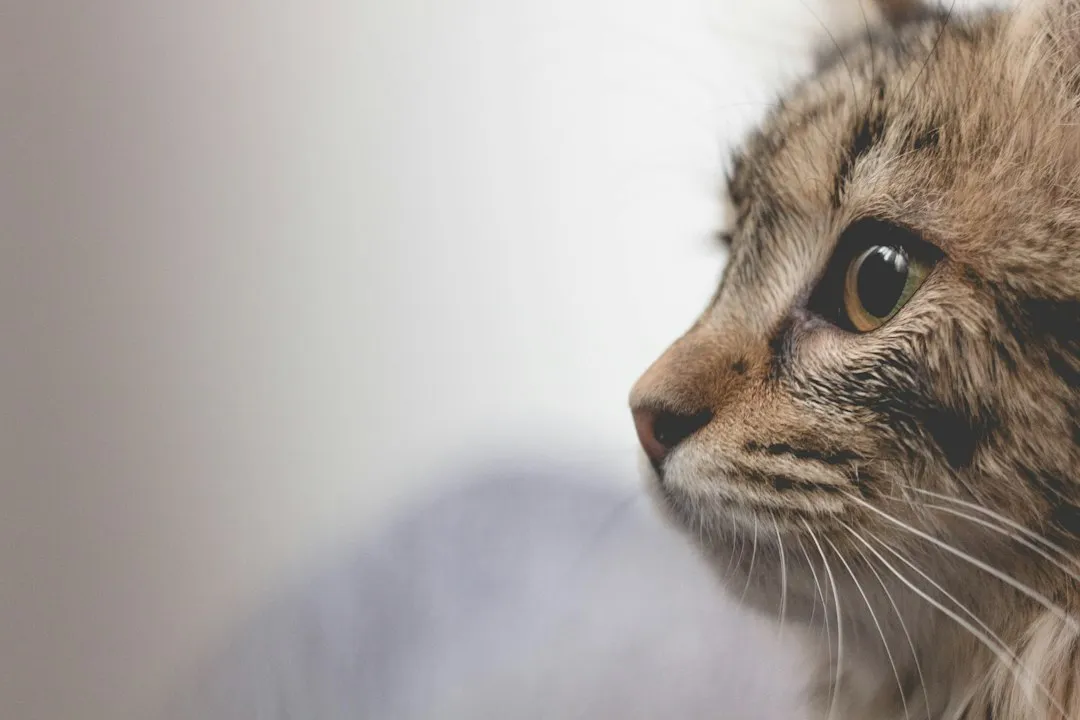
The standard workup for new-onset excessive thirst and urination typically includes a complete blood count, a chemistry panel covering kidney waste markers, glucose, liver enzymes, and electrolytes, along with urinalysis, a total T4 test for thyroid status, and SDMA for early kidney disease detection. These tests together give a fairly complete picture of what’s driving the symptom.
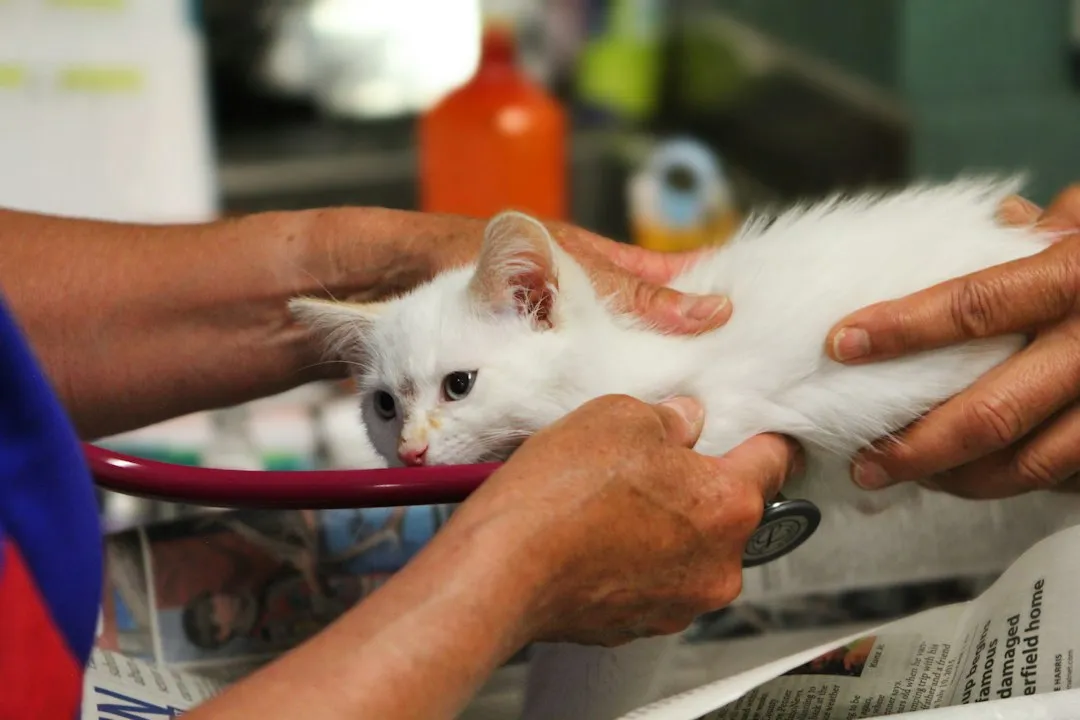
Your vet will perform a physical exam, bloodwork, and urinalysis to identify kidney, thyroid, or diabetic conditions. Regular veterinary checkups are essential for elderly cats, especially if they are drinking more water than usual, and routine blood tests and urine analysis can help detect potential health issues early, allowing for timely intervention.
When “Acting Normal” Doesn’t Mean All Is Well
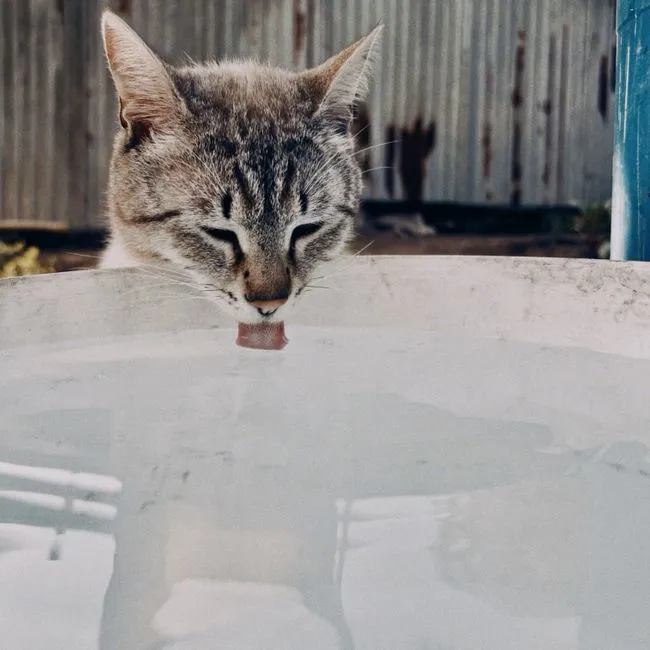
If you’ve noticed your older cat drinking a lot of water but otherwise acting normal, it’s natural to feel both curious and unconcerned. While increased water intake might seem harmless at first, it could be a subtle sign of an underlying health issue, and understanding the potential causes can help you ensure your cat stays healthy in their golden years.
If your elderly cat is drinking a lot of water, it’s important to monitor their behavior closely. While occasional increases in thirst may not be cause for alarm, persistent or excessive drinking warrants a vet visit, since early detection of underlying conditions can significantly improve your cat’s quality of life and prognosis. Cats are famously good at masking discomfort, and “acting normal” can be deceptive even to attentive owners.
How to Track It at Home Before the Appointment
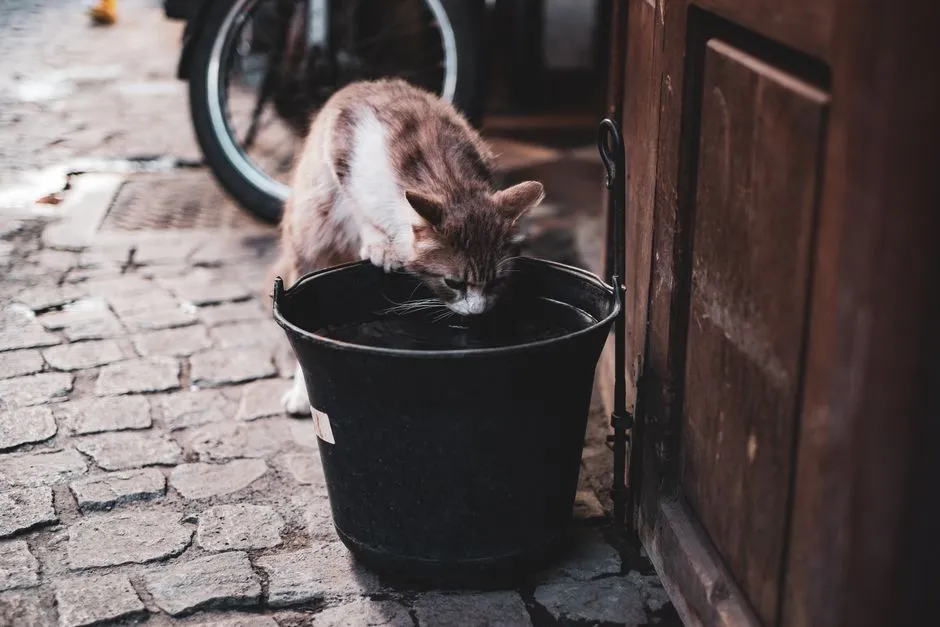
To monitor your cat’s intake accurately, measure the water you provide daily and note how much is consumed, observe how frequently your cat visits the water bowl, and check for other changes such as weight loss or lethargy. Bringing that data to the vet appointment makes the conversation more productive and helps the vet identify patterns more quickly.
Monitoring water intake often provides useful information on whether an underlying condition is being managed well, with good control generally associated with a return to normal water intake. Tracking the bowl isn’t just a diagnostic step. It becomes a useful ongoing tool even after a diagnosis is made and treatment has begun.
The Takeaway
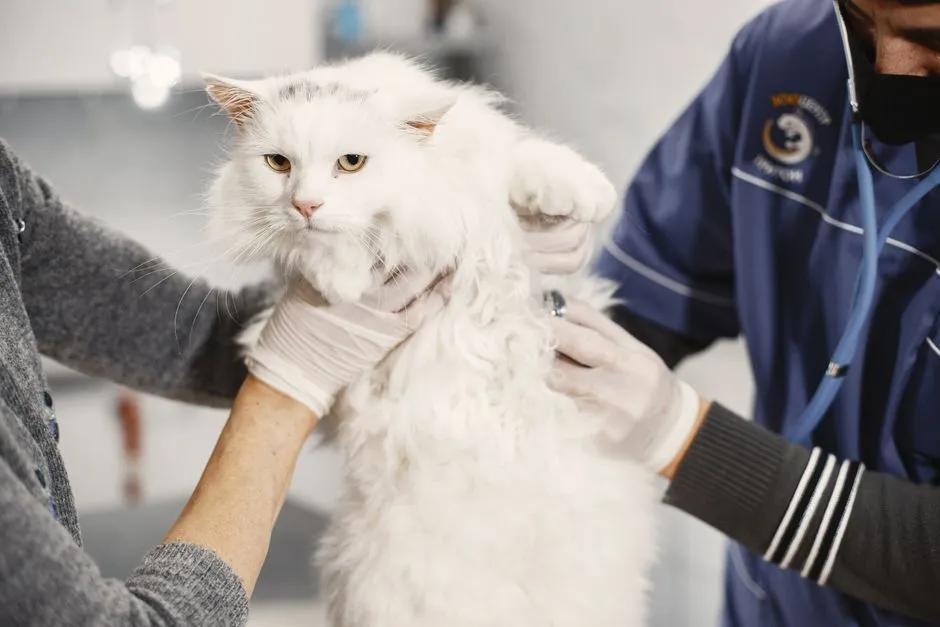
A water bowl that empties faster than it used to isn’t just an inconvenience. In older cats, it’s one of the body’s most reliable ways of flagging that something has changed internally. The three conditions most likely to be behind it, chronic kidney disease, hyperthyroidism, and diabetes, are all manageable when caught early.
The window for early intervention is real, and it opens quietly. Watching the bowl, noting the litter box, and booking a checkup when something feels off are small actions that can genuinely extend a cat’s quality of life. Senior cats don’t ask for much, but they do leave clues.
AI Disclaimer: This article was created with the assistance of AI tools and reviewed by a human editor.