

It All Starts with Ancient Instinct
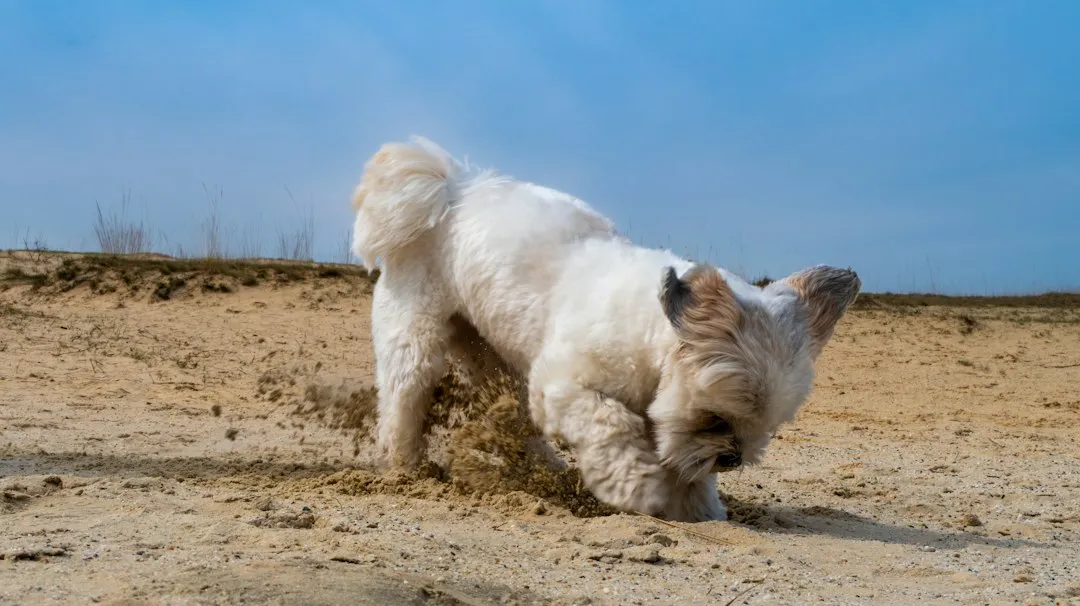
The ancestors of domestic dogs dug to create dens or shelters, or to bury food for later consumption, and those that dug well would have been more likely to breed and survive. That’s a long history to simply train away. These hard-wired traits are so ingrained despite having no obvious function in the modern living situation and many years of humans domesticating canines to meet their changing expectations.
Digging is an instinctive behavior dogs inherited from their wolf ancestors, as noted by the American Kennel Club. All dogs dig to some extent; it comes as naturally to them as barking or wagging their tails. So when your dog returns to the same hole, they’re not being difficult. They’re being exactly what evolution shaped them to be.
Their Nose Knows Something You Don’t
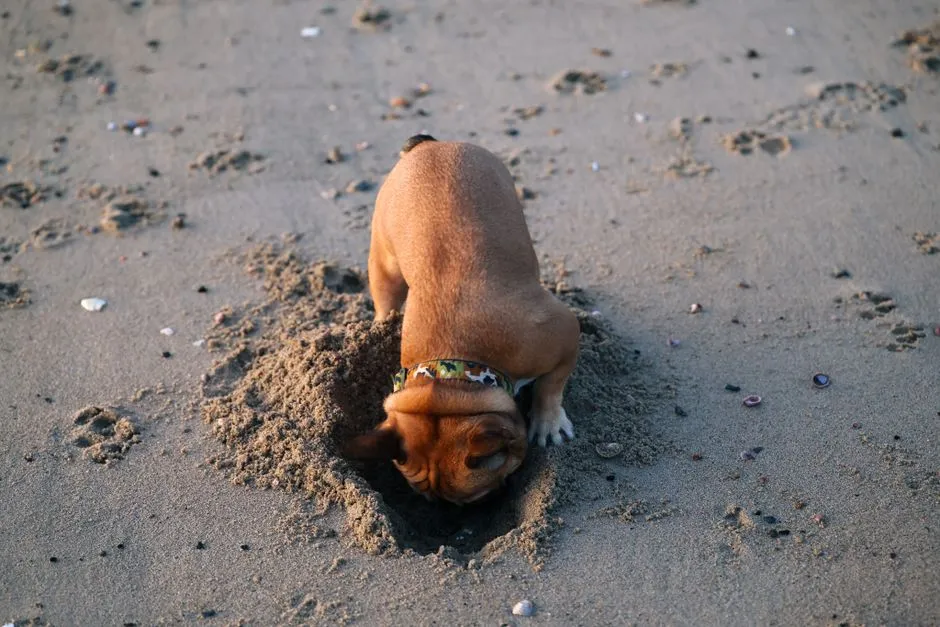
With their ability to hear high frequency sounds and their highly acute sense of smell, some dogs dig as a direct result of odors or sounds, such as those from voles and moles that attract the pet from beneath the ground. This is one of the clearest explanations for why a dog returns to one particular spot, because that spot still holds the scent.
If your dog has an obsession with a particular spot in the yard, they might be on the hunt for underground critters. Dogs have an acute sense of smell and can detect small animals like moles, gophers, or insects beneath the surface. The digging behavior becomes a way to get closer to their potential prey, even if they never actually catch anything.
If the digging is associated with prey drive, it usually takes place in a single area located near roots, shrubs, or rocks and is in a “path” layout. If your garden has a plant bed, tree roots, or dense shrub cover nearby, that’s your biggest clue.
Breed Predisposition Makes a Real Difference

Some dog breeds are genetically predisposed to digging. In Dachshunds, a key breed characteristic is digging to follow small prey into underground burrows and tunnels. This instinct is so strong that merely finding a disturbance in the soil can be enough to stimulate their prey drive.
Many terrier breeds were developed to hunt small animals that lived underground, so scratching, pawing, and tunneling are deeply wired into the way they interact with the world. Dachshunds are another classic digging breed, thanks to their history as brave little ground hunters.
You may also notice strong digging habits in Beagles, who love following scents wherever they lead, and in northern breeds like Siberian Huskies, who often dig to create a cool place to rest when warm. Even mixed-breed dogs can inherit these tendencies, especially if they have hound, terrier, or working-dog roots. So the breed of your dog alone can tell you a lot about why that hole keeps reappearing.
Temperature Seeking: The Cool Earth Solution
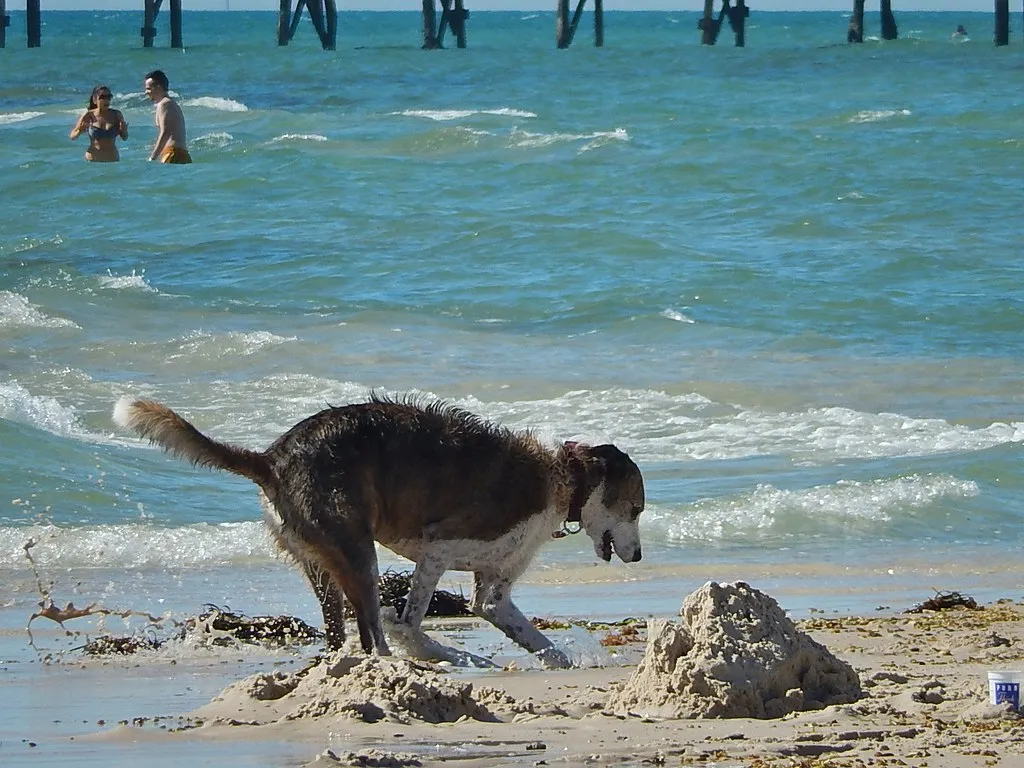
In warm weather, dogs may dig a space in the earth to stay cool. This behavior is especially common among breeds with thick coats, like Alaskan Malamutes and Siberian Huskies. A shaded corner of the garden, where the ground stays cooler, naturally becomes the repeat destination.
Some dogs dig because they enjoy the coolness of the earth just a few inches below the surface. For these dogs, providing a shaded grassy area where they can still observe their surroundings can be beneficial. It’s essentially their version of finding a cool tile floor on a hot afternoon. The spot that works once tends to be visited again and again.
Boredom: When Digging Becomes the Hobby

Dogs are highly intelligent and social animals who need mental and physical stimulation to stay happy. If your dog is left alone in the yard for extended periods with nothing to do, digging can become a way to entertain themselves. Dogs dig to burn off energy, alleviate boredom, and give themselves a “job.”
Digging in soil and playing with roots is entertaining, and the digging becomes self-reinforcing. Digging is a natural behavior and is best controlled rather than eliminated. Once a dog discovers a particular spot is satisfying to dig, the behavior gets repeated. The location is remembered, the reward is expected, and the cycle continues.
If your dog does not have new ideas and now knows all the smells present in your soil, they will try and find out how much deeper they can dig. It’s a form of self-directed exploration when there’s nothing else on offer.
Separation Anxiety and the Need to Escape

Anxiety can also drive digging behavior, and the context often looks different. Anxiety-related motivations include separation anxiety, fear of loud noises, and stress-related self-soothing behaviors. A dog in a panic when left alone might claw or dig at doors, window frames, or during storms.
Digging can also be a coping mechanism for dogs dealing with stress or anxiety. Much like how some humans pace when nervous, dogs may dig to channel their anxiety into a physical activity. This can be particularly true for dogs with separation anxiety, who may dig furiously when left alone. Digging provides a distraction and an outlet for pent-up nervous energy.
In some cases, digging is a symptom of a deeper issue like separation anxiety or storm phobia, rather than stimulation-seeking. When the underlying anxiety is treated, destructive digging typically improves as the dog becomes more comfortable and secure.
Burying and Caching: The Hidden Treasure Theory

Dogs dig to bury or retrieve bones. This behavior is older than domestication itself, tied to a time when food couldn’t be left out and survival required preservation. A dog that buries something valuable in one spot will return to that exact location over and over, either to check on it or to dig it up.
Whether your dog is outside digging in your new plant bed or inside digging between couch cushions, one of the most common reasons dogs dig is to hide their bones, food, and toys from the world. The repetition at one specific spot is often just the dog revisiting its personal pantry. If you’ve recently given your dog a chew treat or a toy and noticed digging shortly after, this is likely your explanation.
Nesting Instincts, Especially in Female Dogs

Female dogs, especially those that are unspayed, may dig as part of their nesting behavior. This instinct becomes more pronounced during heat cycles or if a female dog is pregnant or experiencing a false pregnancy. The garden becomes a potential birthing site in the dog’s mind, and one sheltered, soft-soiled corner keeps getting chosen for the purpose.
Stress, fear, separation-related distress, and generalized anxiety can make a dog seek a sheltered space or repeat comfort-seeking routines like digging and arranging bedding. Some dogs show nesting-like behavior when their environment changes, such as after a move, a new baby, houseguests, schedule changes, or loud noises.
This behavior is not limited to female dogs; in some cases, male dogs may also display similar nesting behaviors, especially when they feel anxious or need to find a sense of security. The garden hole, in this context, is essentially a dog’s attempt at building a safe room.
Attention-Seeking: Yes, It Really Works on Us
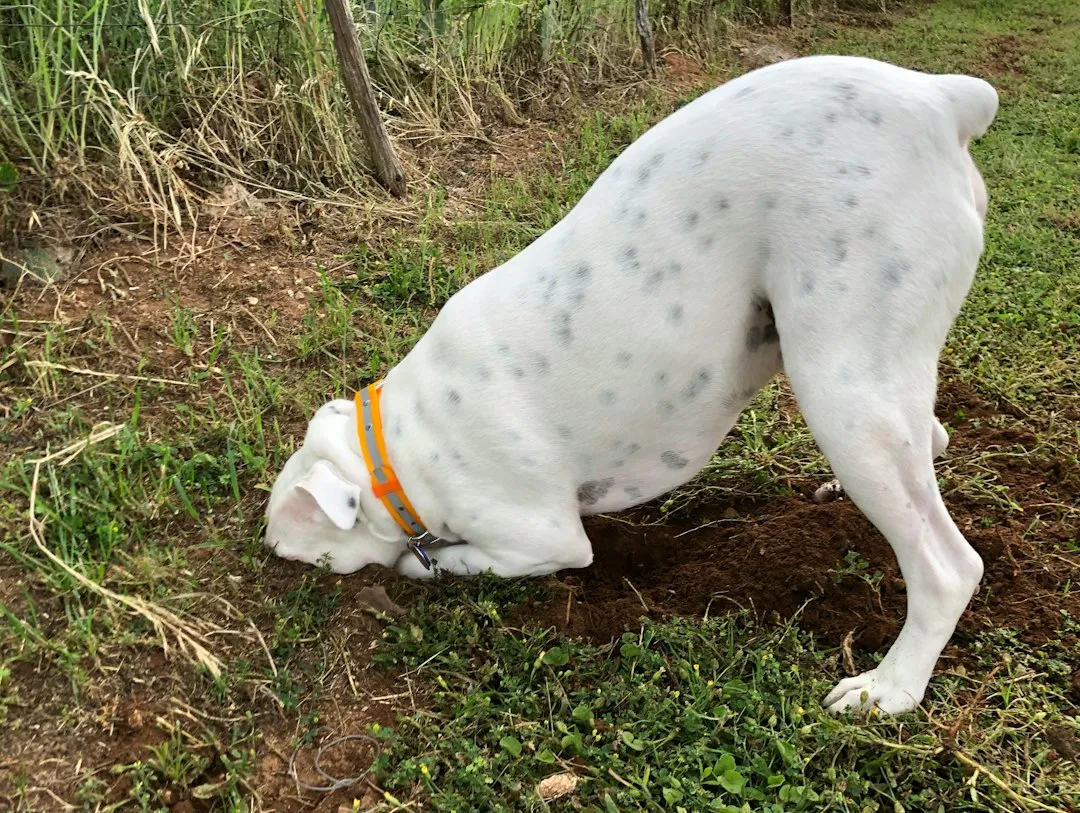
Some dogs dig holes in order to get their caretaker’s attention. It doesn’t matter if the human’s reaction is negative, because for the dog, simply having the attention of their caretaker is enough. Negative attention still counts as attention, which makes this one of the more frustrating patterns to break.
If you’ve ever rushed outside to stop your dog digging, scolded them, and watched them immediately calm down and stay near you, you’ve probably accidentally reinforced the behavior. The dog learned that digging in that particular spot summons you reliably. The Merck Veterinary Manual includes digging within the normal canine behavior repertoire. A normal behavior can still become unsafe or signal a problem when its frequency, intensity, location, or context changes.
What You Can Actually Do About It
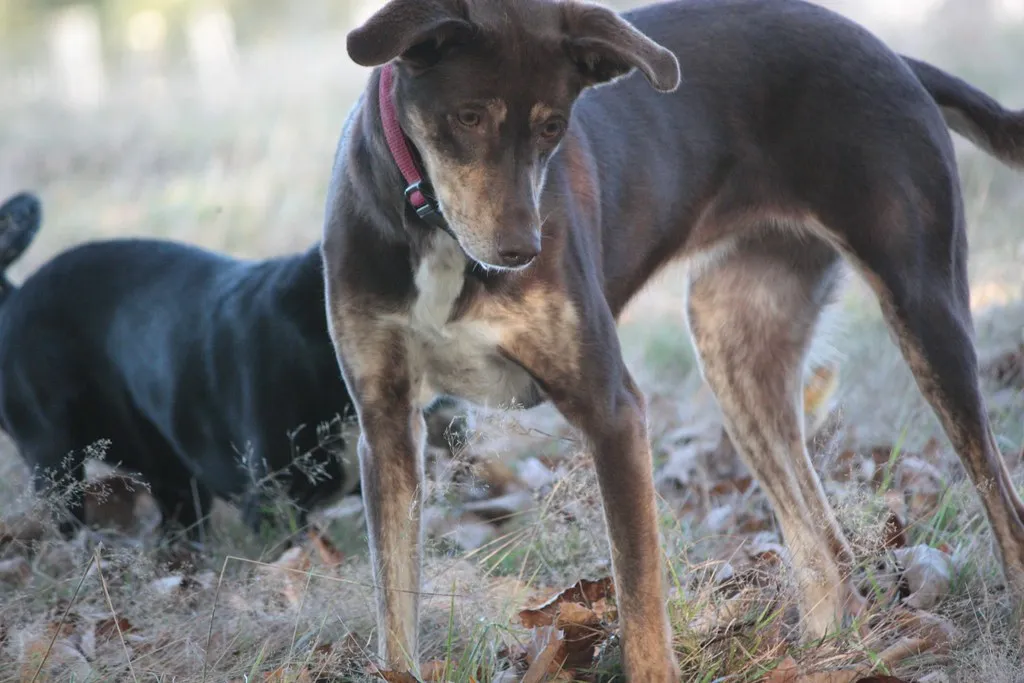
Offering your dog an “approved digging area” with loose dirt and sand may satisfy their instinctive urge to dig while also keeping your yard in better condition. This is one of the most widely recommended strategies precisely because it works with the dog’s instinct rather than against it.
Most digging problems improve when dogs receive enough physical exercise, mental enrichment, and structured daily routines that keep them stimulated and satisfied. That means more walks, more active play, and more puzzle-based feeding when possible. Searching for possible signs of yard pests such as moles, grubs, and other underground animals and removing them from your yard can also break the prey-drive cycle if underground animals are the trigger.
Another option is to allow the dog to dig in a spot where it has already chosen, and to prevent digging in other locations by supervision, confinement, or other deterrents. It’s an approach that acknowledges the behavior for what it is: natural, persistent, and deeply satisfying to the dog.
The Takeaway
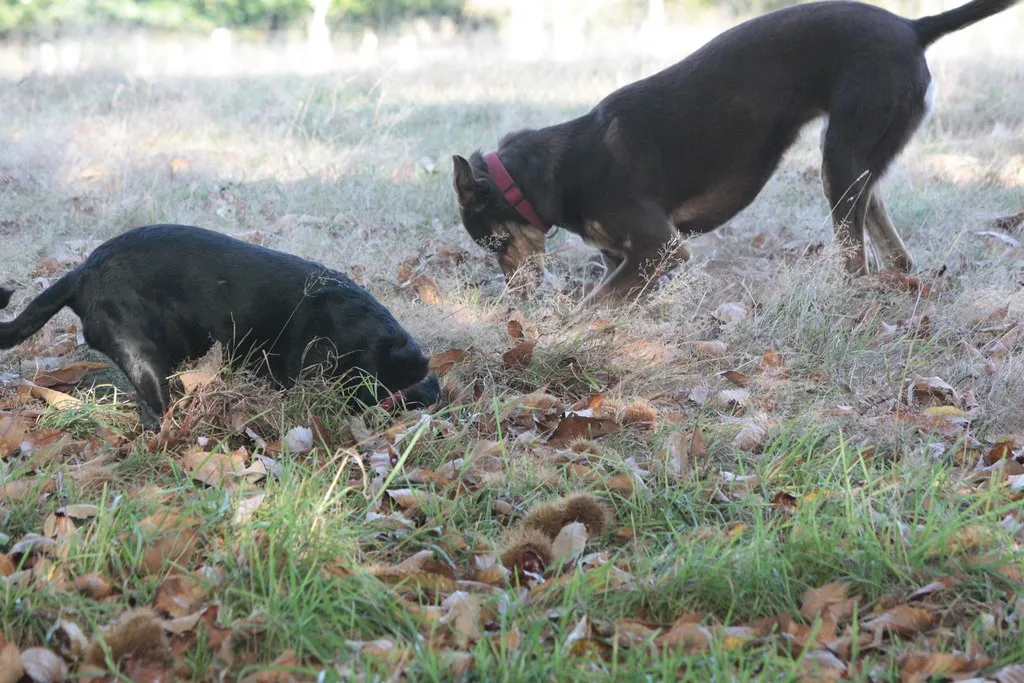
That one spot in your garden isn’t random. It holds a scent, a memory, a temperature, a buried toy, or simply the reward of your undivided attention. Dogs are far more purposeful creatures than we sometimes give them credit for, and their digging is almost always communicating something specific.
Understanding the reason behind the behavior changes how you respond to it. Rather than viewing it as defiance, it becomes useful information about what your dog needs: more stimulation, cooler rest spots, a designated digging zone, or a vet conversation about anxiety. The garden can stay mostly intact. The dog can stay satisfied. It usually just takes figuring out which of these motivations is doing the digging.
AI Disclaimer: This article was created with the assistance of AI tools and reviewed by a human editor.