

The Grogginess Zone: 30 to 60 Minutes

Naps of 30 to 60 minutes carry the highest risk of sleep inertia, the post-nap fog that can impair thinking for 30 minutes or more. This range is sometimes called the “danger zone” for daytime napping, and the label is well earned.
Naps in the 30 to 60 minute range pull you into deep slow-wave sleep, and waking up before the cycle finishes causes sleep inertia that can leave you sluggish for hours. The problem isn’t the sleep itself. The problem is the interruption.
Naps lasting 30 to 60 minutes allow the body to enter slow-wave sleep, which is beneficial for decision-making and memorization. However, waking up during this phase may result in increased sleep inertia. You get the depth without the recovery, which is the worst of both worlds.
What Sleep Inertia Actually Does to Your Brain
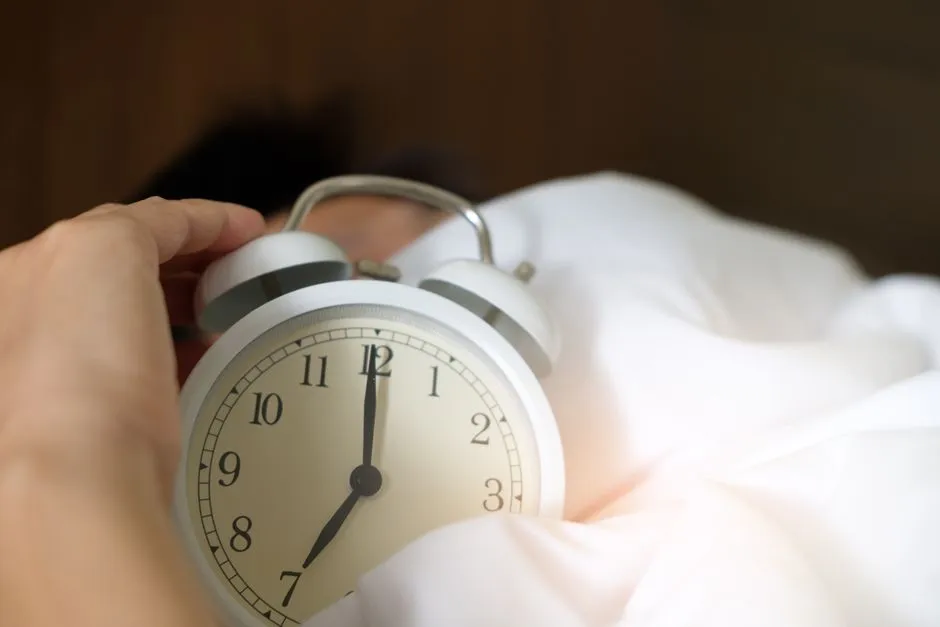
Sleep inertia is a transitional state of grogginess and impaired alertness upon awakening that varies in duration and influencing factors. It’s not just feeling tired. It actively disrupts your cognitive function.
The most common symptom of sleep inertia is grogginess, but people are also likely to experience impaired cognitive ability, visual attention, and spatial memory. These are exactly the faculties you need if you’re returning to work, getting behind the wheel, or making any kind of important decision.
Sleep inertia refers to the grogginess and disorientation felt upon first waking from a nap. It lowers the alertness level, which can lead to mistakes and even serious accidents. For anyone napping on a work break and then heading straight back into a demanding task, this is a real and measurable risk.
How Long Sleep Inertia Can Last

Sleep inertia generally lasts for 15 to 60 minutes but may last for up to a few hours after waking. The range is wide, and it depends heavily on how deep into the sleep cycle you were when you woke up.
Research indicates that sleep inertia typically can last from 30 to 60 minutes, but researchers have observed it lasting as long as 2 hours. Longer periods of sleep inertia were seen in night shift workers after they took an hour-long nap during the early morning hours, likely due to the strong drive for sleep during this time and the long nap allowing the brain to progress into deeper stages of sleep.
Sleep inertia has been reported to impair self-rated alertness for at least 80 minutes. That’s a significant chunk of a workday afternoon, gone to fog after a nap that was supposed to help.
Why the 10 to 20 Minute Nap Works So Well

For most adults, the ideal nap lasts 10 to 20 minutes. That window is long enough to restore alertness but short enough to avoid deep sleep, which can cause grogginess on waking. It’s not about cutting the nap short arbitrarily. It’s about staying in the lighter stages of sleep.
A 10- to 25-minute nap allows you to enter the first or sometimes second stages of sleep, which is enough to refresh you and gain the benefits of a quick nap. Stage 2 sleep is where the body begins to genuinely relax without plunging into the depths that make waking up so difficult.
A 10-minute nap can result in immediate improvements in cognitive performance and reduced sensations of fatigue, with the benefits lasting for over two hours. That’s a remarkable return on a very small investment of time.
The NASA Benchmark at 26 Minutes

Based on research by NASA, a 26-minute nap has been shown to enhance alertness by 54% and performance by 34% among pilots and astronauts. This is one of the most cited findings in nap research, and it has held up across multiple studies and professional contexts.
The 26-minute nap is considered the NASA benchmark, with the duration producing a significant jump in alertness and better performance. The specific number is less important than the principle behind it: keep the nap short enough to wake in lighter sleep.
It’s worth noting that the NASA research was conducted with pilots under controlled conditions, so the exact numbers may not translate identically to every person or setting. Still, the directional finding is consistent with the broader body of sleep science.
The 90-Minute Nap: the Other Safe Option

A nap that is long enough to include a full sleep cycle, of at least 90 minutes, limits sleep inertia by allowing awakening from REM sleep. This is the second viable option for napping without the groggy aftermath, though it obviously requires significantly more time.
A 90-minute nap completes a full sleep cycle, including REM, and is the better choice when repaying a genuinely short night. If you have the luxury of time, completing the cycle means you wake at a natural transition point rather than being wrenched out of deep sleep.
Longer naps typically lasting 90 minutes or more can include a complete sleep cycle and provide benefits like improved creativity and memory consolidation. So when you have the time, the 90-minute nap is genuinely restorative in a different and deeper way than the quick power nap.
Sleep Deprivation Makes It Worse

The effects of sleep inertia rarely last longer than 30 minutes in the absence of prior sleep deprivation. That qualifier matters. If you’re already running a sleep deficit, everything gets amplified.
Nap length appears to at least partially dictate the specific influence that napping has on psychomotor vigilance, alertness, and cognitive function, with longer naps actually leading to delayed benefits. This is probably related to sleep inertia, a well-documented period of disoriented or impaired behavior.
When you’re sleep deprived, your brain is more eager to dive into deep sleep quickly, which means a 30-minute nap during a period of cumulative sleep loss can produce more severe grogginess than the same nap taken after a full night’s rest. The deeper your deficit, the more carefully you need to manage your nap length.
Timing Your Nap During the Day

Napping before about 3 p.m. protects nighttime sleep by leaving enough hours for sleep pressure to rebuild before bed. This is almost as important as the length of the nap itself. A poorly timed nap can disrupt the night that follows.
The ideal time to take a nap is between 1 and 3 p.m., around the time of the post-lunch energy dip. This window aligns with a natural circadian trough that most adults experience in the early afternoon, making it easier to fall asleep quickly and wake up cleanly.
Napping late in the afternoon, especially past 4 or 5 p.m., tends to delay the natural buildup of sleep pressure. The result is that you either struggle to fall asleep at night or the quality of your nighttime sleep suffers. Getting the timing right is a simple fix that most people overlook entirely.
The Coffee Nap: a Clever Workaround

A coffee nap works because caffeine takes 20 to 30 minutes to kick in, exactly the length of a short nap that clears drowsiness-causing adenosine. Drinking a cup of coffee immediately before lying down sounds counterintuitive, but the timing is the key.
By the time your 20-minute nap ends, the caffeine is beginning to take effect. Meanwhile, the brief sleep has already cleared some of the adenosine buildup in your brain. You wake up from the nap and the caffeine hits at almost the same moment, creating a compounding alertness effect.
This strategy is particularly useful for people who find it hard to wake feeling sharp from even a short nap. It doesn’t require any special preparation, just a cup of coffee and a quiet place to rest. It’s one of the more practical, research-supported hacks in everyday sleep hygiene.
When Frequent Long Naps Are a Signal, Not a Solution
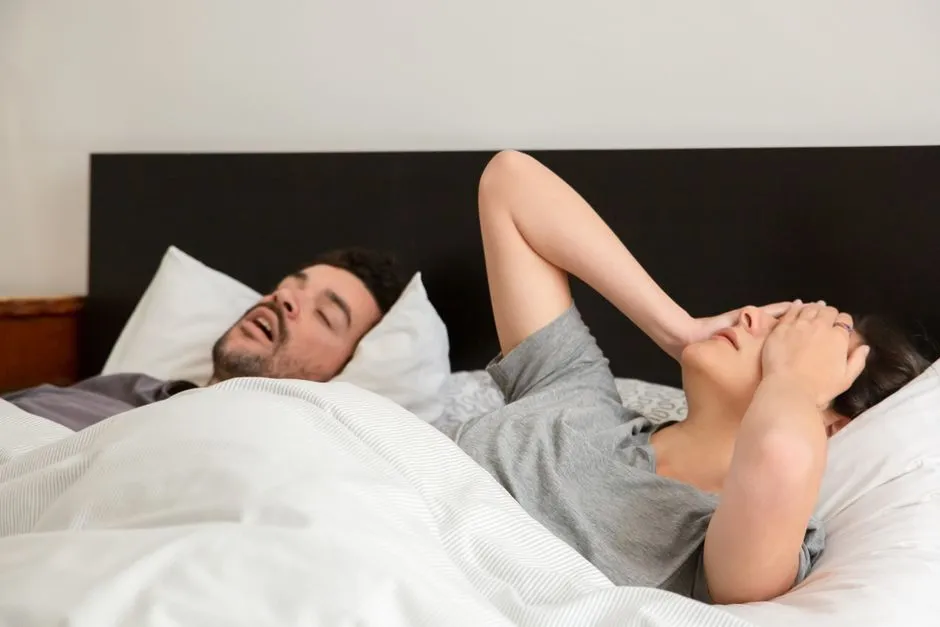
Needing long daily naps despite seven to nine hours in bed at night is a pattern worth discussing with a doctor, since it can signal conditions like sleep apnea. Persistent daytime sleepiness that only a long nap seems to relieve is not a normal lifestyle quirk.
An analysis of multiple studies found that napping for more than 60 minutes a day was associated with an increased risk of developing type 2 diabetes. The association doesn’t prove causation, and it’s possible that the underlying health conditions drive both the long napping and the metabolic risk. Still, the pattern is worth taking seriously.
Participants with anxiety reported significantly longer sleep inertia than those without anxiety, showing a large effect size in research data. Mental health factors, not just physical ones, shape how long and how severely grogginess lingers. If your post-nap fog feels unusually heavy and persistent, that context is worth examining.
The Takeaway

The nap length that most reliably leaves you groggy is the one that falls between 30 and 60 minutes. It’s long enough to pull you into deep sleep but too short to let you complete the cycle, which means your brain gets interrupted mid-process and punishes you for it.
The sweet spot, backed by a consistent body of research, is either under 20 minutes or a full 90 minutes. Everything in between is a gamble that the science suggests you’re likely to lose. Timing also matters: early afternoon, not late.
Napping well isn’t about sleeping more during the day. It’s about sleeping smarter. Keep it short, keep it early, and if you’re serious about it, consider the coffee nap. Your afternoon self will appreciate the difference.
AI Disclaimer: This article was created with the assistance of AI tools and reviewed by a human editor.