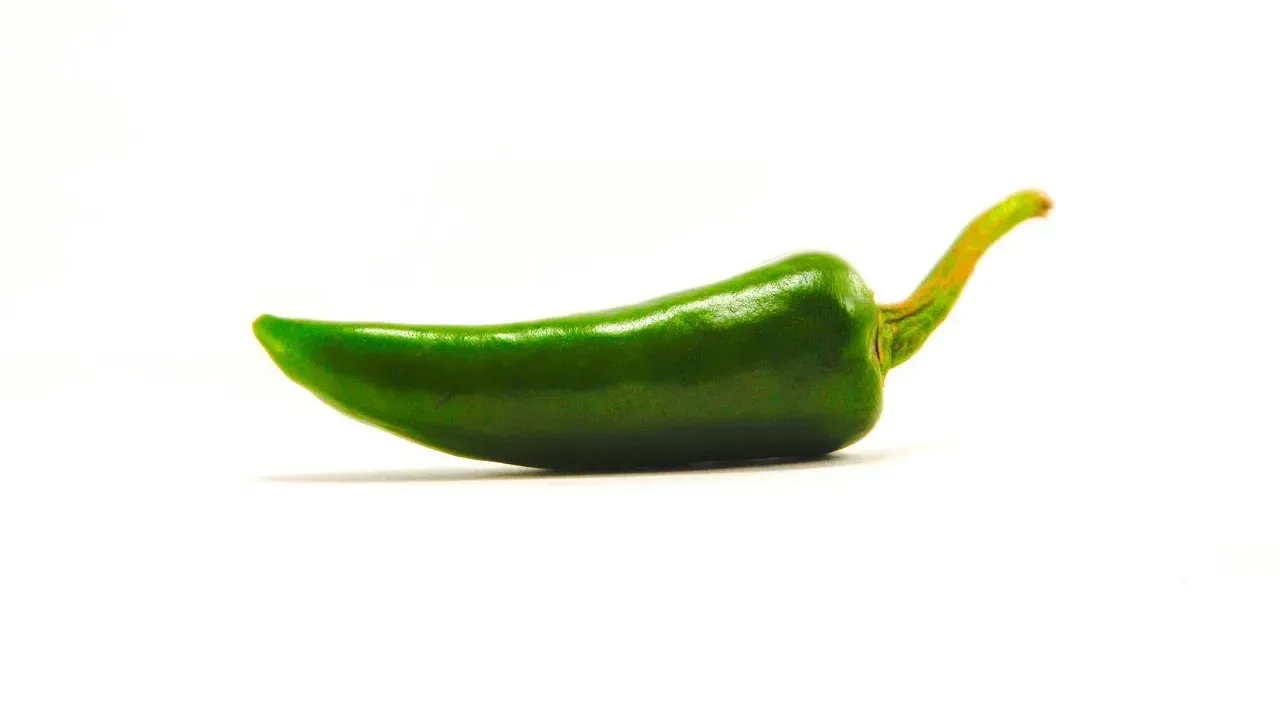

The Centers for Disease Control and Prevention has declared the multistate outbreak of Salmonella Javiana infections linked to imported jalapeño peppers officially over. A total of 488 confirmed cases stretched across 34 states, with illnesses reported between mid-June and late August. The episode highlighted both the reach of fresh produce supply chains and the challenges regulators face when tracing contamination in perishable items. ([1])
Scope of Confirmed Illnesses
Patients ranged in age from infants under one year to adults aged 85, with a median age of 31. Sixty-five people required hospitalization, though no deaths were recorded. Health officials noted that the true number of infections was almost certainly higher. For every laboratory-confirmed case in a typical Salmonella outbreak, the CDC estimates roughly 29 additional illnesses go undetected because many people recover without seeking care or receiving specific testing.
Timeline of the Investigation
Reported illness onset dates began June 16 and continued through August 26, with the single busiest day occurring on July 5 when 38 people fell ill. Traceback work quickly focused on fresh jalapeños grown in Sinaloa, Mexico, and distributed by Coast Citrus Distributors. Epidemiological interviews reinforced the connection: of 308 people questioned, 281 had eaten at a Mexican-style restaurant in the weeks before symptoms appeared.
Restaurant Clusters and Product Recalls
Investigators identified 36 illness clusters tied to 31 Chipotle Mexican Grill locations in seven states and five QDOBA locations in two states. Common menu items mentioned included jalapeño peppers along with red onion, cilantro, and avocado. The implicated distributor and its downstream customers issued recalls for whole peppers and any products containing them. These actions removed potentially contaminated items from commerce while the investigation continued.
Regulatory Findings and Remaining Questions
Food and Drug Administration personnel inspected a common Mexican distributor identified through traceback records. No jalapeños remained on site for direct sampling at the time of the visit. Environmental samples collected during the inspection tested negative for Salmonella, and officials could not pinpoint a specific route or source of contamination. The episode underscores how quickly fresh produce moves through distribution networks and how difficult it can be to isolate the precise point of introduction even after an outbreak concludes. The resolution brings a measure of closure for consumers and the food-service industry alike. It also serves as a reminder that vigilance around imported produce remains essential, particularly for items frequently consumed raw.
AI Disclaimer: This article was created with the assistance of AI tools and reviewed by a human editor.