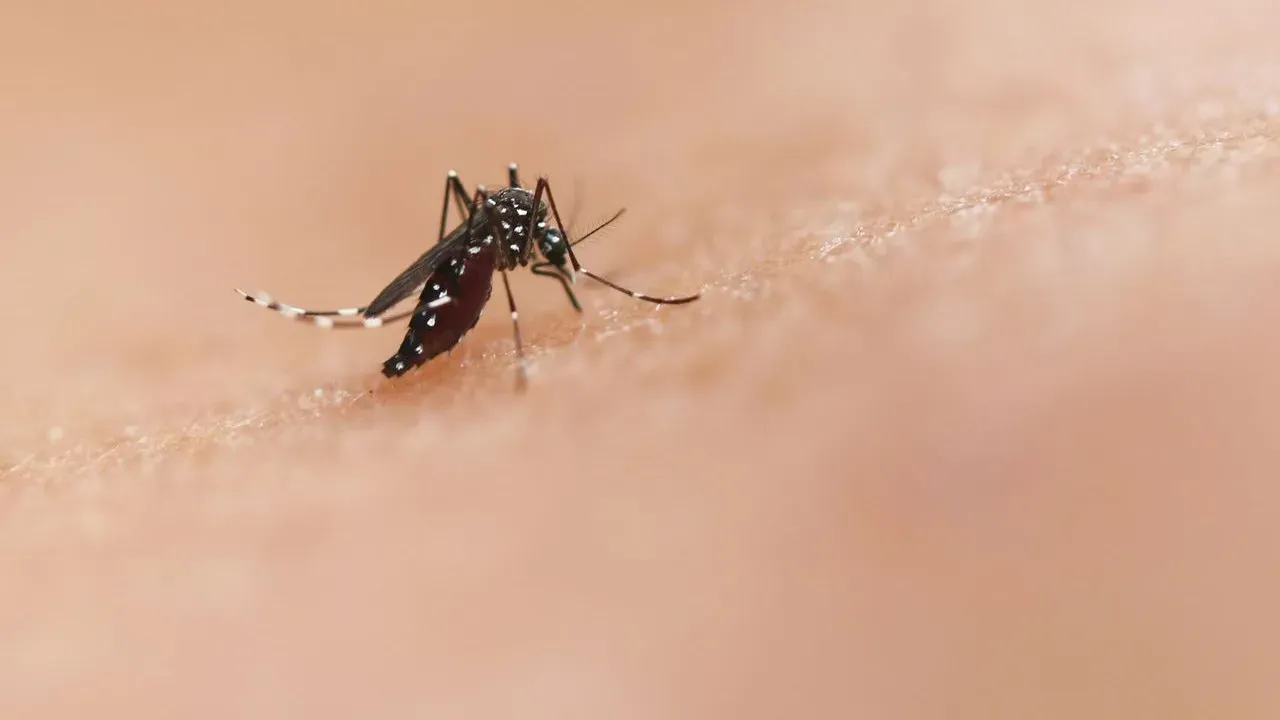

Hillsborough County has recorded more than 200 locally acquired cases of dengue fever, according to the latest update from state health authorities. Florida Department of Health officials added 62 new cases in the most recent weekly report, underscoring that transmission is occurring within the community rather than solely through travel. The development places renewed focus on everyday environments where mosquitoes can multiply, including residential yards and garden areas.
Tracking the Local Increase
State data show the cumulative total in the county now exceeds the 200-case mark, a threshold that reflects sustained local spread. The addition of 62 cases in a single week marks one of the sharper recent rises reported by the Florida Department of Health. Public health tracking distinguishes these locally acquired infections from those linked to international travel, confirming that the virus is circulating among residents. The pattern has prompted closer monitoring of mosquito populations in urban and suburban zones across the Tampa Bay region. Officials continue to map case locations to identify clusters and guide targeted response efforts. Residents in affected neighborhoods have been encouraged to remain aware of conditions that support mosquito activity near their homes.
Why Backyard Conditions Matter
Mosquitoes that transmit dengue require small amounts of standing water to complete their life cycle. Common garden features such as plant saucers, rain barrels, and clogged gutters can provide ideal breeding sites when left unmanaged. Even modest containers that collect rainwater after a storm can support larvae within days. Property owners who regularly inspect and empty such spots reduce the available habitat for the insects. Simple steps like turning over pots, clearing debris from drainage areas, and storing containers upside down limit opportunities for water to accumulate. These practices align with broader public health recommendations aimed at interrupting transmission at the source.
Practical Steps for Homeowners
– Empty and scrub any containers that hold water at least once a week. – Check and maintain screens on windows and doors to keep mosquitoes outside. – Clear leaves and debris from gutters and downspouts to improve drainage. – Store gardening equipment and toys where they will not collect rainwater. – Consider adding mosquito dunks or larvicides to larger water features that cannot be emptied. These measures focus on prevention rather than reaction and can be integrated into routine yard maintenance.
Looking Ahead
Health officials continue to collect and analyze case data to understand the scope of local transmission. The emphasis remains on community-level actions that complement official surveillance and control programs. For gardeners and homeowners, consistent attention to standing water offers a direct way to contribute to those efforts while maintaining outdoor spaces. The situation in Hillsborough County illustrates how routine property care intersects with broader public health considerations.
AI Disclaimer: This article was created with the assistance of AI tools and reviewed by a human editor.