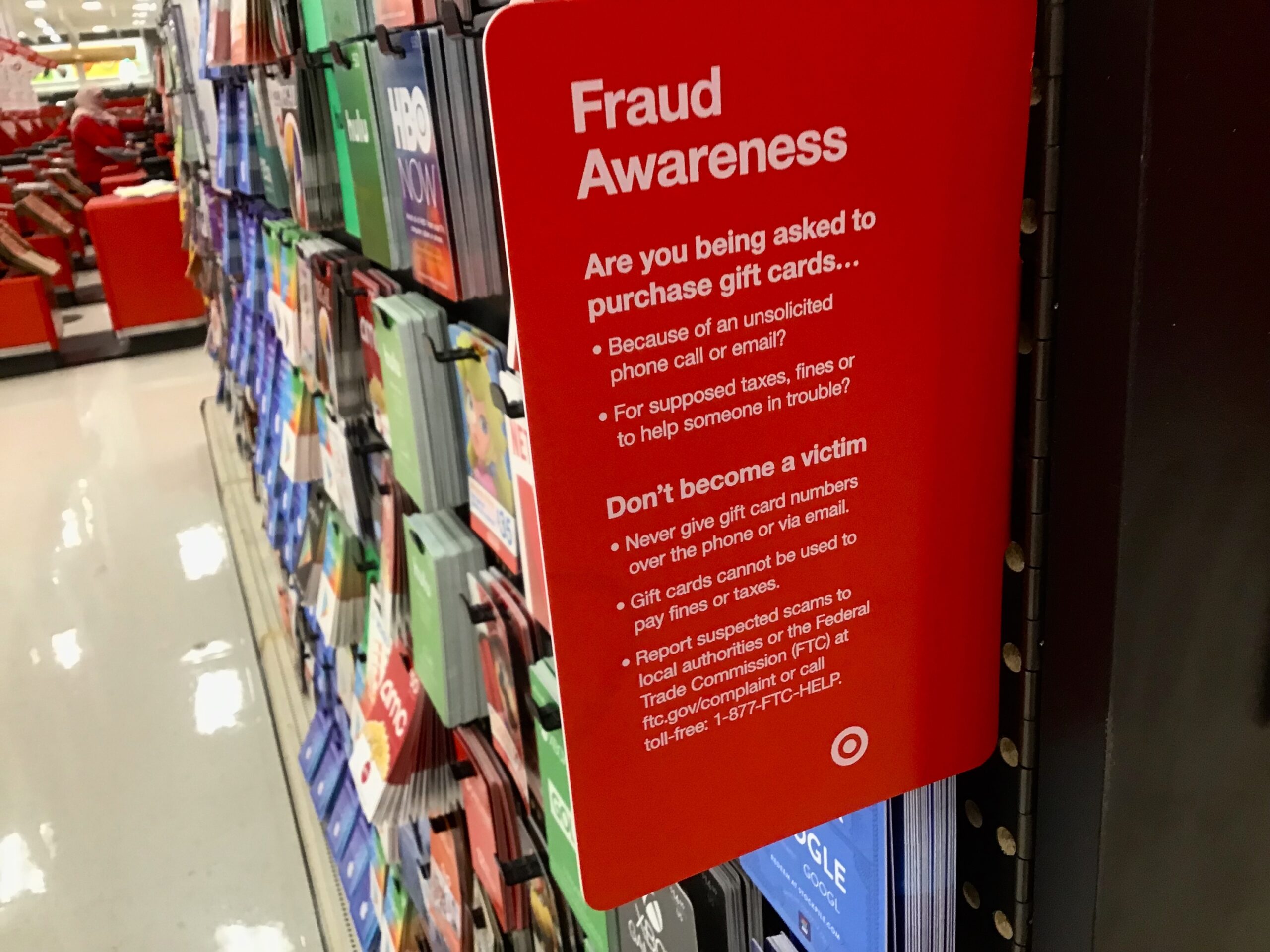

Most people have at least one sitting in a drawer somewhere: a gift card with a few dollars left on it, not quite enough to buy anything useful, not worth the hassle of digging out every time you go shopping. That small, stranded balance is something retailers have quietly counted on for years. What far fewer people realize is that in a growing number of U.S. states, you are legally entitled to pocket that leftover balance as cash, on the spot, simply by asking.
Gift card cash redemption laws, also known as “cash-out” laws, require retailers to refund the remaining balance on a gift card in cash when that balance falls below a specified dollar threshold. These consumer protection statutes are designed to prevent small, unusable balances from becoming “breakage” that benefits the retailer rather than the consumer. The legal landscape around these rights has been shifting, particularly through 2025 and 2026, and knowing where you stand could mean real money back in your wallet.
The Scale of the Problem: Billions in Stranded Balances

According to Bankrate, Americans currently hold up to $27 billion in unused gift card balances. That figure is not a rounding error. Nearly half of all respondents in consumer surveys had at least one unused gift card, with the total unspent value exceeding $21 billion in the U.S. alone.
The global gift card industry was valued at over $1.24 trillion in 2024 and is projected to grow to $3.8 trillion by 2034, driven by increasing consumer demand and the rise of digital payment solutions. The United States constitutes roughly a third of the global market, accounting for nearly $400 billion in gift card spending in 2024. With numbers that large, even a small percentage of unused balances adds up to a staggering sum lost to consumers.
What “Breakage” Means and Why Retailers Love It

Investopedia defines “breakage” as the revenue gained from unused gift cards or prepaid services. For example, if a customer buys a $50 gift card and only spends $40, the remaining $10 becomes breakage revenue for the retailer. It is, in the most straightforward terms, money that was already paid for goods that were never delivered.
Gift cards left unused become hidden profits for billion-dollar companies, as forgotten balances quietly transform into easy revenue called breakage. Companies like Starbucks, Amazon, and Nordstrom push their gift cards so hard for a reason: they make hundreds of millions of dollars per year collectively from this phenomenon. As of the end of the 2024 fiscal year, Starbucks reported a total of $1.87 billion in unredeemed gift card liabilities. Every year, the company recognizes a portion of this in revenues through breakage. In 2024 alone, Starbucks realized $207.6 million in breakage, spread across company-operated and licensed stores.
The Federal Baseline: What the CARD Act Covers

Before looking at state-level cash-out rights, it helps to understand what the federal law already guarantees. The Credit CARD Act of 2009 established a national floor for gift card consumer protections. Above that federal floor, individual states are free to write stricter consumer protections, and many have. A short list of states have effectively eliminated expiration dates entirely, while a separate cluster of states force retailers to refund small leftover balances in cash on demand instead of letting the value sit unused on the card.
The federal rules do not include a cash-out requirement. That protection is entirely a state-by-state matter, which is why your rights can differ dramatically depending on where you happen to be shopping.
Which States Have Cash-Out Laws Right Now
Approximately 10 states currently require retailers to redeem low gift card balances for cash, though each sets its own rules. The thresholds vary widely: Washington mandates refunds for balances under $5, while Massachusetts requires cash-out only after a cardholder has used at least 90% of the card’s original value. Most states with similar statutes set their thresholds between $1 and $10, and procedural requirements differ from one jurisdiction to the next.
States with cash-out laws include Colorado, Maine, Montana, New Jersey, Oregon, and Washington, all requiring cash redemption for balances under $5, and Massachusetts, which triggers the right after 90% of the balance is redeemed. Rhode Island and Vermont will redeem balances less than $1 for cash. If you live in or are traveling through any of these states, that rule applies at the point of sale.
California Sets the Highest Bar in the Nation
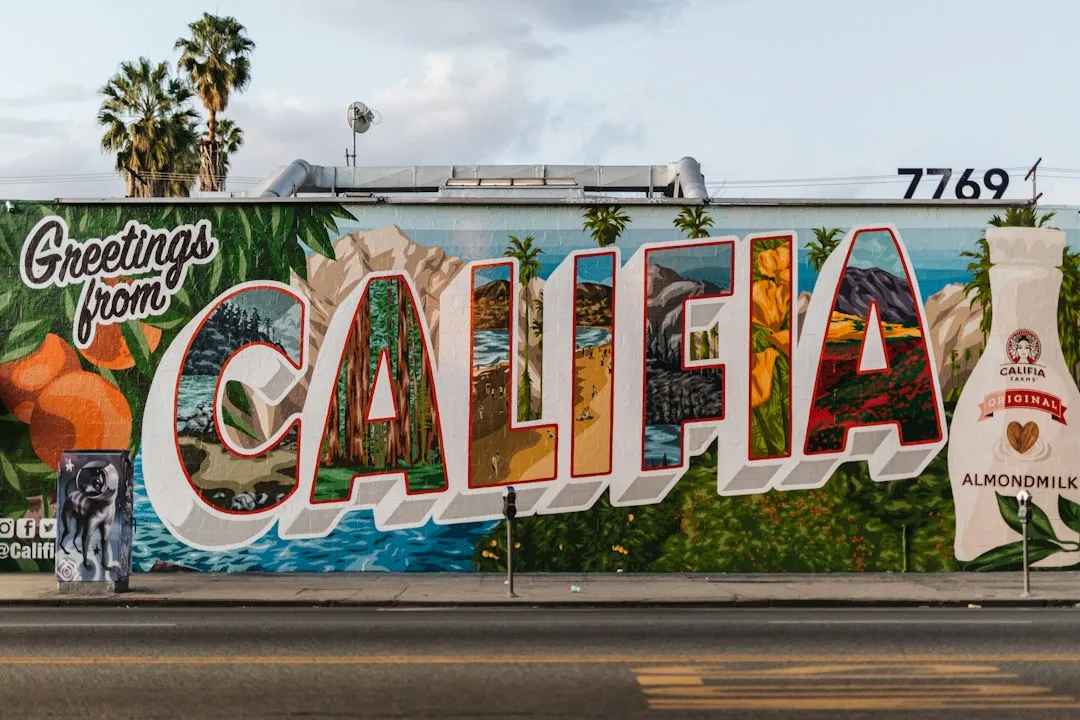
No state has pushed this consumer right further than California. California law gives you the right to cash out a gift card with a small remaining balance. As of April 1, 2026, retailers must hand you cash for any qualifying gift card balance under $15, up from the previous $10 threshold.
California has long been among the most consumer-friendly states in this area, prohibiting both expiration dates and service fees on most gift cards. With the passage of Senate Bill 22, which went into effect April 1, 2026, the state has now raised the cash-out threshold from $10 to $15, the highest in the nation. The prior threshold of less than $10 had been in place since 2008. This is a significant jump, and the first time the threshold has changed since it was originally set.
What Senate Bill 22 Actually Changed
California Senate Bill 22 amends Civil Code Section 1749.5 to require that a gift certificate with a cash value of less than $15 is redeemable in cash for its cash value. The update also expanded the scope of who is covered. This requirement applies regardless of any contrary terms printed on the card or included in consumer-facing policies. The amended law also clarifies that “gift certificates” includes electronic or digital gift cards, extending the cash-out requirement to modern, app-based and emailed formats.
The retailer cannot offer you store credit or a replacement card instead. This matters because small leftover balances often go unspent, effectively becoming free money for the retailer. The practical effect is that a receipt from a digital gift card emailed to you carries the same legal weight as a plastic card you bought at a checkout counter.
What Happens When Retailers Don’t Comply

These laws are not just advisory. The October 2025 settlement between Chipotle Mexican Grill and California district attorneys serves as a cautionary tale for businesses preparing to comply with the new $15 threshold. Chipotle agreed to pay $246,000, including $145,467 in civil penalties, $88,533 in investigative costs, and $12,000 in restitution, to settle the case.
Both regulators and plaintiffs’ attorneys are actively monitoring for violations, including class action lawsuits. The settlement also resulted in an injunction that mandated operational changes, including the establishment of a dedicated online portal for cash-out requests and updated disclosures regarding gift cards. For retailers, the financial exposure from non-compliance can dwarf the cost of simply training staff to honor the rule.
Cards That Are Exempt from These Rules
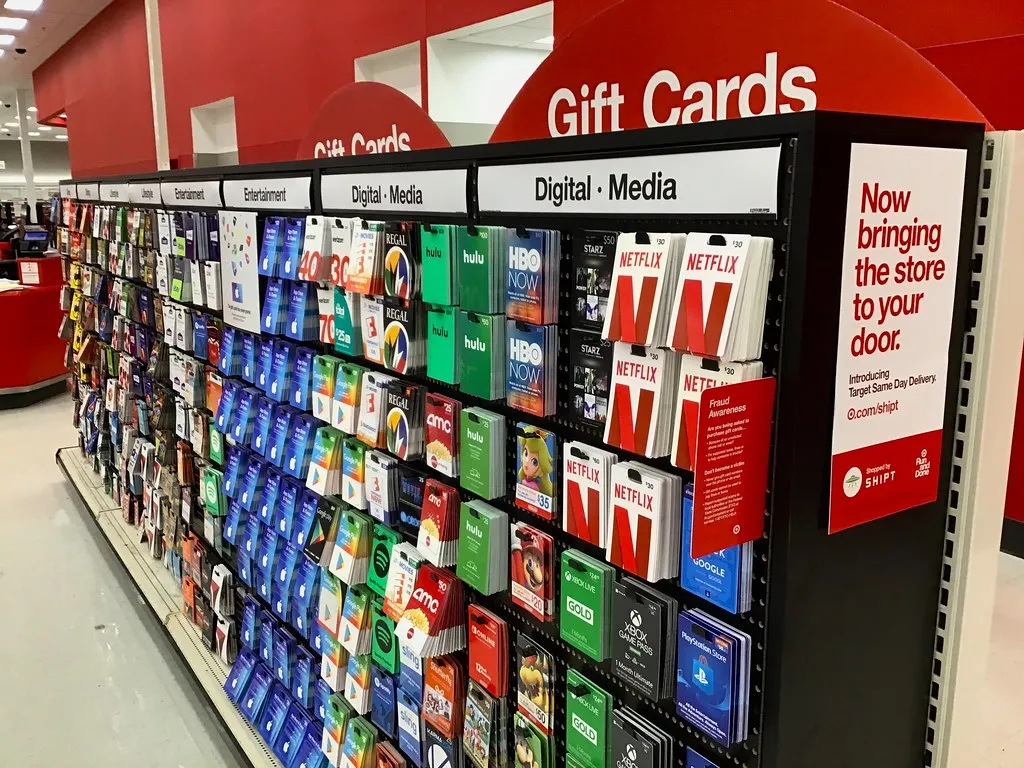
Not every gift card qualifies for cash-out rights, even in states with strong protections. The rule in California lives in Civil Code Section 1749.5 and applies to most single-retailer gift cards, though several categories are exempt. Generally, open-loop cards, meaning those branded with Visa, Mastercard, or American Express and usable anywhere, are not covered by state cash-out laws.
California law has long required that closed-loop gift cards, meaning cards redeemable only for goods and services from a single merchant or affiliated group, be redeemable for cash when the remaining balance falls below a statutory minimum. Promotional cards, loyalty reward cards, and certain donated gift certificates can also fall outside the protection, so it is worth checking the terms before you walk up to the counter.
The Unclaimed Property Dimension: When the State Steps In
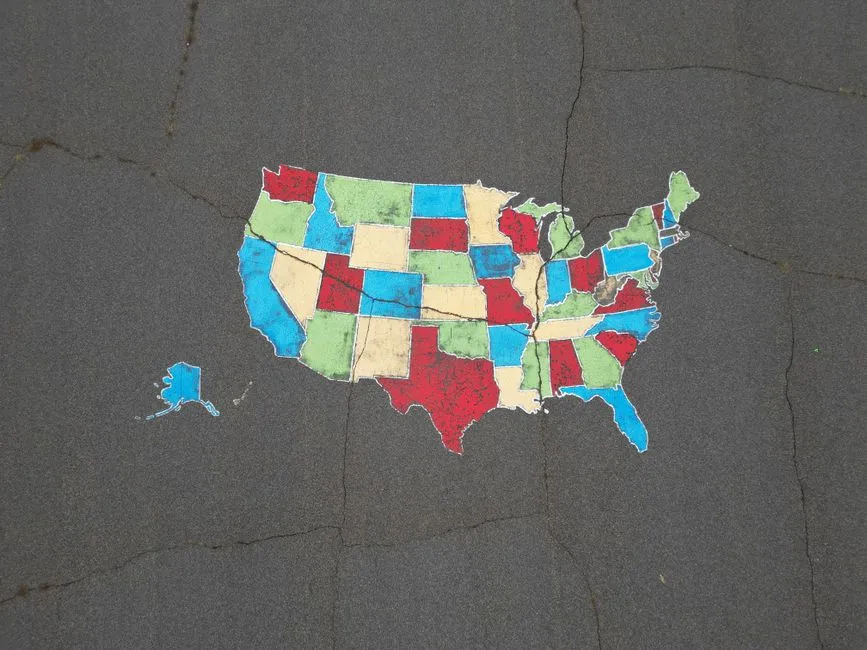
Separate from cash-out rights, states also have laws about what happens to gift card balances that go entirely unclaimed for years. This is called escheatment, and it means the state, rather than the retailer, eventually collects the dormant funds. States were especially active in adopting and changing rules around the escheatment of unused gift card balances. However, 37 states, including California, Illinois, Florida, Ohio, Pennsylvania, and Texas, expressly exempt or don’t have a law requiring escheatment of such instruments.
In Colorado, Delaware, Georgia, Hawaii, Idaho, Iowa, Louisiana, Maine, Mississippi, Montana, New Hampshire, New Jersey, New Mexico, New York, North Dakota, Oklahoma, South Dakota, West Virginia, and Wyoming, the state can collect the balance in three to five years regardless of whether the gift card has an expiration date. For consumers, this creates an added incentive to use or cash out any remaining balances before dormancy timers begin ticking.
How to Actually Exercise Your Cash-Out Right
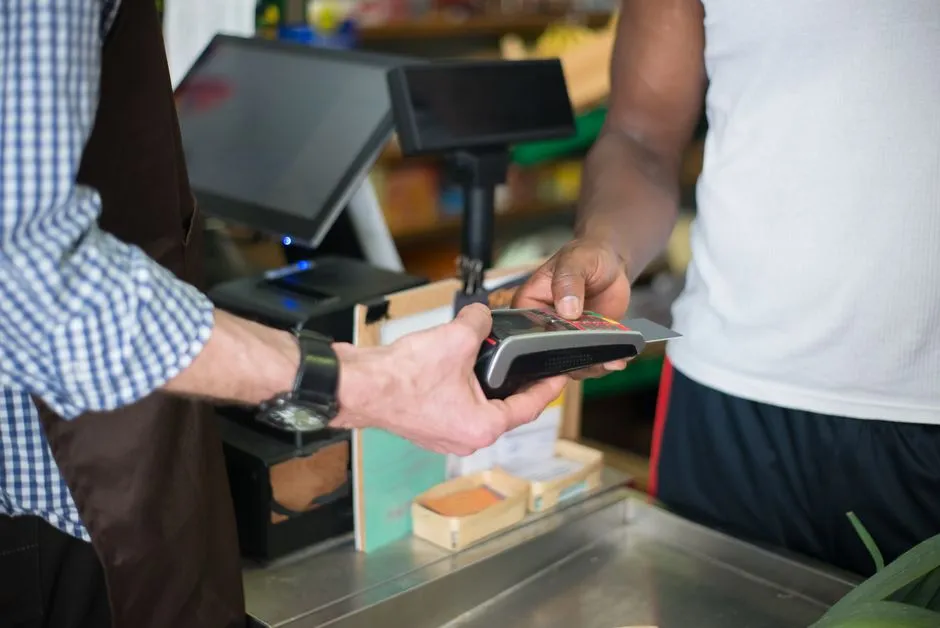
The process is simpler than most people expect. Check your card balance first, either through the retailer’s website, the back of the card, or by calling customer service. If the balance falls below your state’s threshold, take the card to a customer service desk and ask directly for a cash refund. The retailer is legally required to comply.
In several U.S. states, if a customer hands you a gift card with a few dollars left on it and asks for the balance in cash, you are legally required to give it to them. Not store credit. Actual cash. If a cashier or manager pushes back or offers only store credit, politely reference the relevant state law by name. In California, citing Civil Code Section 1749.5 is usually enough. If a retailer still refuses, filing a complaint with your state’s consumer protection office or attorney general is a legitimate next step.
The Bigger Picture: A Consumer Right Worth Knowing

The pattern across the strongest-protection states is consistent: store-issued gift cards are treated as the consumer’s money, not as the retailer’s float. In California, Connecticut, Maine, Massachusetts, Montana, New Jersey, Oregon, Rhode Island, Vermont, and Washington, a yes is the legally correct answer when you request cash on a low balance, not a courtesy.
Despite their popularity, a significant portion of gift certificates go wholly or partially unused. A common reason is using part of the balance but leaving a small amount that isn’t worth the inconvenience to redeem. Cash-out laws exist precisely to close that gap, returning real money to real people rather than letting it quietly accumulate on a corporate balance sheet. The law is there. The right is yours. The only thing left is knowing when and how to use it.
AI Disclaimer: This article was created with the assistance of AI tools and reviewed by a human editor.