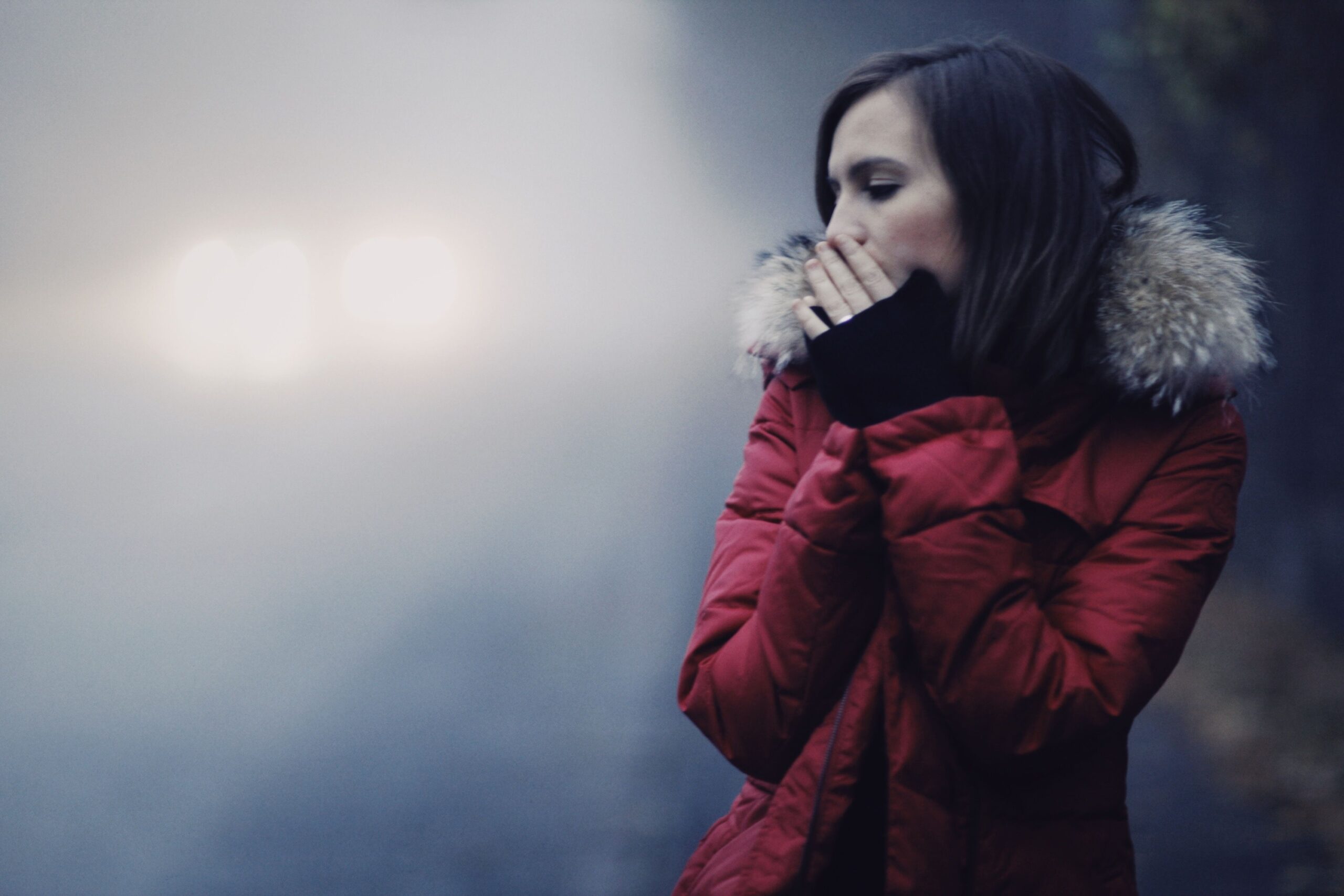

Your Brain Has a Built-In Thermostat

Your brain’s temperature-control center, located in a region called the hypothalamus, constantly monitors signals from your skin, your blood, and your internal organs. Think of it as an internal thermostat that never fully switches off. When it detects even a slight drop in temperature, or receives certain chemical signals from stress, illness, or metabolic changes, it triggers rapid contractions in your skeletal muscles to generate heat.
Shivering starts with temperature sensors in your skin that send signals up through your spinal cord to a thermoregulatory center in the brain called the preoptic area. When that center detects cooling, it releases a chain of signals downward through the hypothalamus and brainstem that ultimately activate motor neurons in your spinal cord, causing your muscles to contract rapidly and rhythmically.
What makes this system particularly interesting is that it runs on a kind of double-negative logic. Normally, inhibitory neurons in the preoptic area keep shivering suppressed. When cold signals arrive, they shut down those inhibitory neurons, which releases the brakes on deeper brain regions that promote shivering. This “disinhibition” design means the system is always loaded and ready to fire. Even a small chemical nudge can set it off, even when the room around you feels perfectly warm.
The Fever Connection: Your Body Is Fighting Something

If you’re shivering but you’re not in a cold environment, a fever is the most likely explanation. Fever-related shivering is one of the most misunderstood experiences people have. During a fever, an infection tricks the hypothalamus into setting a higher target temperature, so your body shivers to reach that new, elevated set point. In other words, you shiver not because you’re too cold, but because your brain has decided your body needs to be hotter.
Other than being cold, the most common cause of shivering is fever. The average body temperature is around 98.6°F. Doctors usually define a fever as a body temperature higher than 100.4°F. Even early-stage fever, before you consciously feel unwell, can trigger this response. That sudden shiver might actually be the very first sign your immune system has activated.
Frisson: The Shiver That Feels Good

Frisson, pronounced “free-sawn,” is a French term meaning “shiver” or “tremor,” and it’s also known as “aesthetic chills” or “psychogenic shivers.” Most people have felt it without knowing it had a name. Aesthetic chills are peak emotional reactions typically described as a tingling sensation down the spine in reaction to a stimulus such as music or film.
Aesthetic chills are a universal marker of human peak experiences across the arts, sciences, and world religions. Research from MIT’s Media Lab has gone so far as to build a validated database of stimuli that reliably trigger them. Researchers have built a model that can predict with 73.5% accuracy when a person will experience aesthetic chills: shivers, goosebumps, or a feeling of cold down the neck or spine elicited by aesthetic stimuli, such as beautiful music or an inspirational speech.
Chills are not solely related to music or film but also to the practice of science, mainly physics and mathematics, and to the social logic of religious rituals. The shiver that runs through you during a powerful piece of music is, neurologically speaking, a real physiological event, not just a figure of speech.
Anxiety and Panic: When Stress Makes You Shake

Shivering can also be a physical sign of anxiety. When your body senses danger, even imagined danger, it activates the sympathetic nervous system, flooding your bloodstream with stress hormones like adrenaline and cortisol. This cascade happens fast, often before the conscious mind has fully processed what’s going on.
These chemicals prepare you to fight or flee, and they can make your muscles tremble involuntarily. That’s why you might notice trembling hands, shaky legs, or even jaw quivers when you’re nervous before a presentation or overwhelmed by panic or fear. The shiver in this context has nothing to do with temperature regulation.
Non-infectious causes of shivering include emotional stress, panic, low blood sugar, dehydration, thyroid disorders, withdrawal from alcohol or certain drugs, medication side effects, reactions after anesthesia, and some neurological conditions. The overlap between anxiety symptoms and other causes is exactly why doctors look at the full picture before landing on a diagnosis.
Low Blood Sugar: The Hunger Shiver
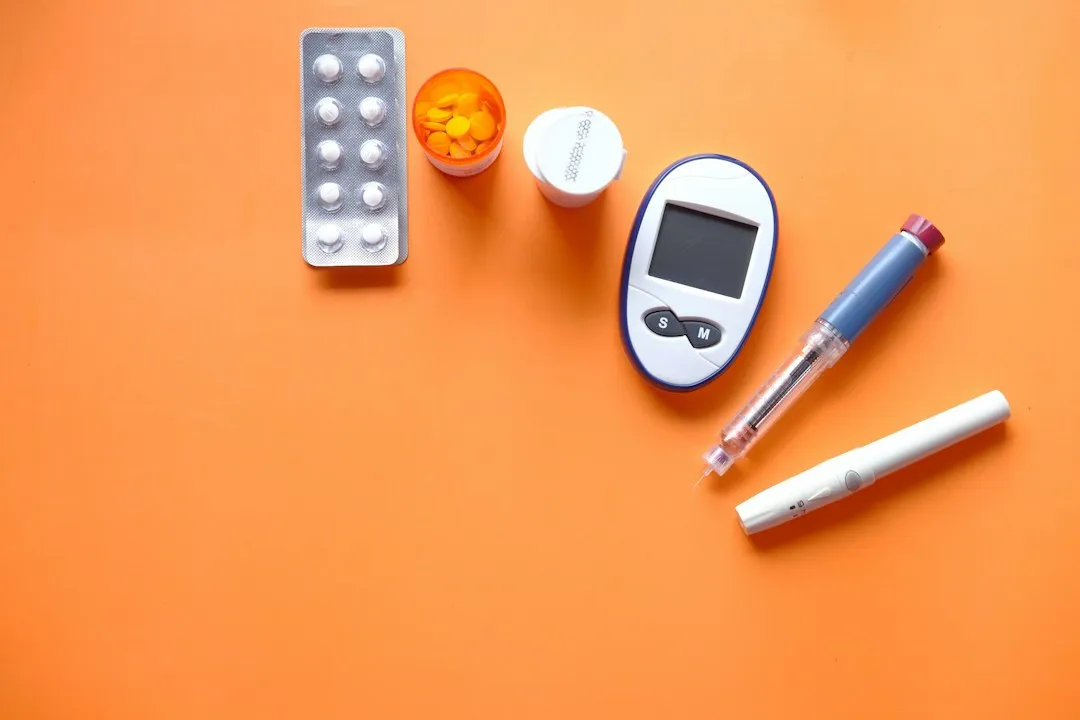
When blood glucose drops below about 70 mg/dL, your body floods itself with adrenaline as part of its fight-or-flight response. That adrenaline surge is what causes the chills, along with sweating, a pounding heart, clamminess, tingling, and anxiety. Plenty of people have experienced this after skipping a meal and not connected it to blood sugar at all.
It’s a surprisingly common trigger, and it doesn’t require diabetes. Skipping meals, intense exercise without eating, or drinking alcohol on an empty stomach can all push blood sugar low enough to set off this cascade. The shiver stops fairly quickly once you eat something with fast-acting carbohydrates.
Up to 84% of people with diabetes experience shivering and trembling due to low blood sugar. For people managing diabetes, recognizing a shiver as a possible hypoglycemic symptom can be genuinely important, especially since the sensation can be easy to dismiss as just feeling cold.
Thyroid Trouble: When the Internal Furnace Runs Low

Your thyroid gland produces hormones that directly control how fast every cell in your body burns fuel. When the thyroid is underactive, a condition called hypothyroidism, your metabolic rate drops, and so does your internal heat production. People with hypothyroidism often describe feeling persistently cold in environments that don’t bother anyone else.
People with hypothyroidism have deficient energy metabolism and impaired thermogenesis, which shows up as weight gain, fatigue, and persistent cold intolerance. Even patients who are being treated with thyroid medication can still run cooler than normal. This is part of why some treated hypothyroid patients continue to report feeling chilly despite their lab results appearing stable.
A 2024 study in the Journal of the Endocrine Society found that people with controlled hypothyroidism had significantly lower hand temperatures than healthy controls, suggesting that standard treatment doesn’t fully restore normal heat regulation. That’s a meaningful finding for anyone who keeps asking why they always seem to be the coldest person in the room.
Post-Anesthesia Shivering: A Common But Overlooked Reaction
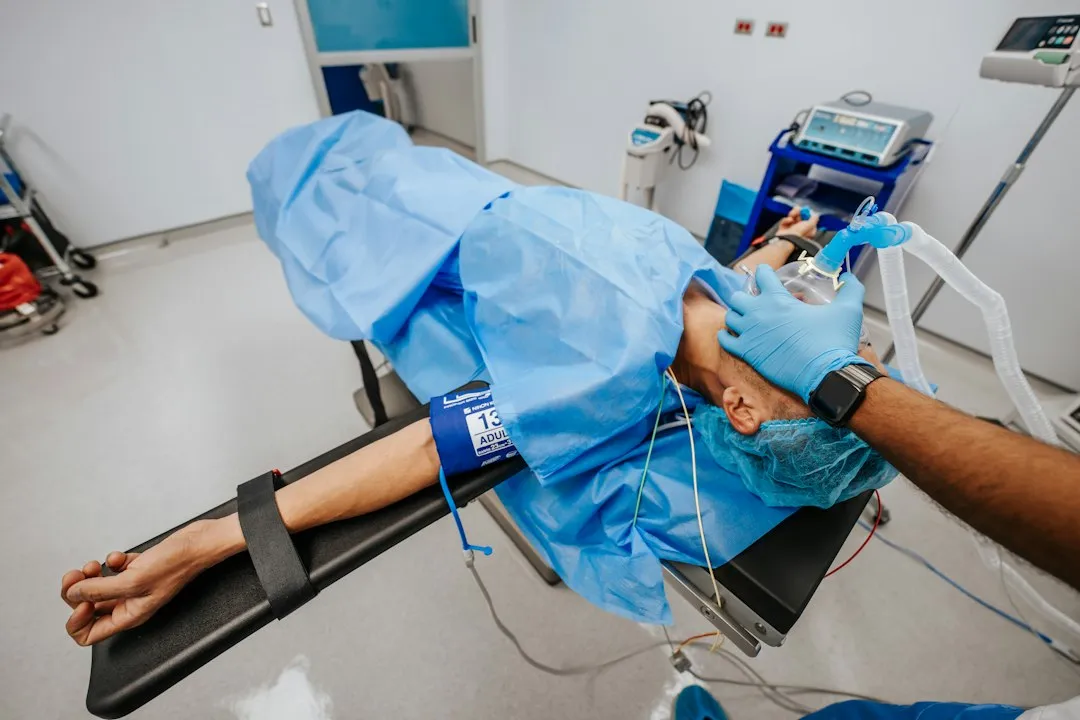
As many as two in three people experience chills and shivering after receiving general anesthesia for a surgery. Even if you aren’t feeling cold, a drop in body temperature may cause you to shiver as you come out of the anesthesia. This is one of the most well-documented and frequently underestimated post-operative experiences.
General anesthesia suppresses the body’s normal temperature regulation during surgery. When it wears off, the thermoregulatory system essentially reboots, and shivering is one of the first things it does. It’s not a sign that something went wrong. It’s the body’s heating system coming back online, sometimes quite forcefully.
Dehydration and Electrolyte Imbalance

A lack of sufficient fluids can disrupt the body’s temperature control and electrolyte balance, resulting in muscle spasms and shivering. Electrolytes like sodium, potassium, and magnesium play a direct role in how muscles contract. When those levels drop, muscles can behave erratically, producing involuntary tremors that closely resemble a cold-induced shiver.
Dehydration is often overlooked as a shiver trigger because most people associate it with thirst or headache rather than muscle response. In reality, the muscular and nervous system effects of dehydration can show up well before you feel seriously thirsty. A shiver during a long workout or on a hot day, when you haven’t been drinking enough, is worth paying attention to.
The Social and Collective Dimension of the Shiver

Humans are particularly prone to shiver when a group does or thinks the same thing at the same time. This is one of the stranger and more fascinating sides of psychogenic shivering. The chill that passes through a crowd during a moment of collective recognition, a ceremony, a sporting triumph, or a shared piece of music, is a real and measurable physiological event.
When you see something important enough, you might experience these emotions consciously. This happens through bodily changes such as tears, heartbeat increase, sweat, or shivers. The body doesn’t distinguish cleanly between “this is dangerous” and “this is deeply meaningful.” Both can produce the same cascade of physical reactions. That might explain why goosebumps appear at a funeral and at a concert, and sometimes both feel equally real.
When to Actually See a Doctor

Shivering when you are not cold is often the body’s way of generating heat to fight an infection, but it can also be triggered by fever onset, low blood sugar, anxiety or panic, dehydration, low thyroid or other hormone imbalances, anemia, medication side effects or withdrawal, sepsis, and movement conditions such as essential tremor, restless legs, or Parkinson’s disease. Most single, brief episodes are nothing to worry about. Context matters.
Checking temperature, heart rate, blood pressure, breathing, and oxygen level helps identify whether shivering is part of a simple reaction or a more serious illness. The doctor may look for signs of dehydration, infection, low blood sugar, thyroid disease, or neurological changes. If shivering comes with a high fever, confusion, difficulty breathing, or chest pain, those are combinations that warrant prompt attention.
Random shivers can come from stress, blood sugar dips, thyroid issues, or medications. They can be your body’s way of telling you something specific. A one-off shiver in a comfortable room is usually harmless. Persistent or recurring episodes, especially when they come with other symptoms, are worth discussing with a doctor rather than dismissing.
The Takeaway

AI Disclaimer: This article was created with the assistance of AI tools and reviewed by a human editor.