
The Old Explanation That Turned Out to Be Wrong
![The Old Explanation That Turned Out to Be Wrong (By fir0002 flagstaffotos [at] gmail.com
Canon 20D + Tamron 28-75mm f/2.8, GFDL 1.2)](https://nvmwebsites-budwg5g9avh3epea.z03.azurefd.net/thegardenmagazine/e4a1c4106f1ce867ae10c25df266499e.webp)
Many people think that fingers and toes wrinkle when wet because the skin swells when it absorbs water. This osmosis theory seemed intuitive enough: water soaks into the outer skin layer, the layer expands, and because it’s tethered to the tissue beneath, it has nowhere to go but into folds. For many years, this was the prevailing explanation, but it fails to account for some important observations.
Researchers back in the 1930s discovered that in people with nerve damage in their fingers, the post-bath wrinkles didn’t form. Wrinkly fingers can’t just be due to water absorption, or this would be a universal phenomenon regardless of nerve health. That single observation quietly dismantled a theory people had assumed was settled science.
What Actually Causes the Wrinkles
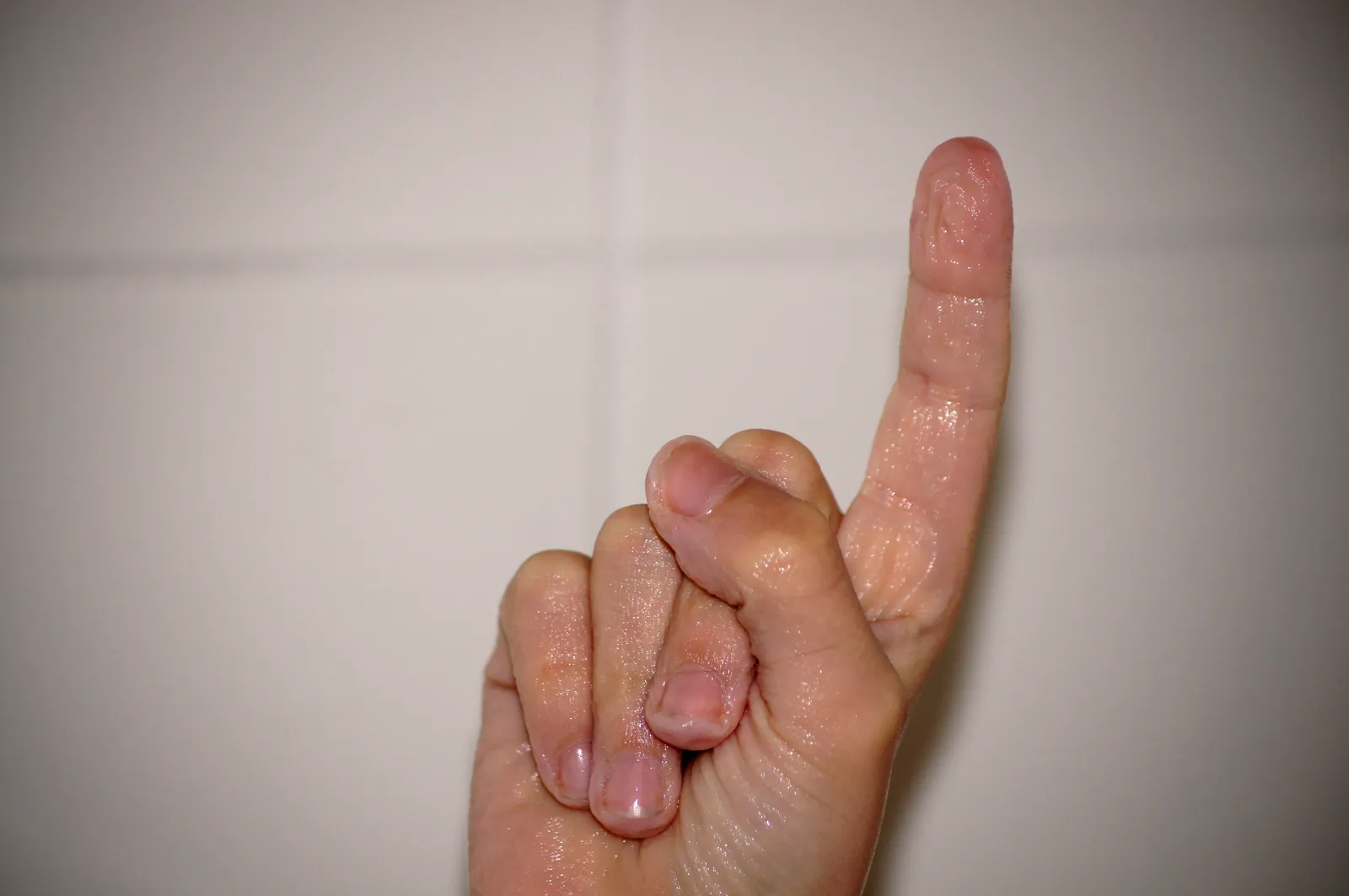
A prolonged soak leads to water entering the skin and diluting the amount of salt in the tissue, which gets signaled to the brain via nerves. The brain then instructs blood vessels to narrow, pulling in the anchored overlying skin in fingers and toes. This narrowing is called vasoconstriction, and it’s the real engine behind the whole effect.
Modern studies confirm that wrinkles form through vasoconstriction, the narrowing of blood vessels beneath the skin. When fingers are submerged, water enters sweat ducts, altering salt concentrations in the skin. Nerve fibers detect this change and signal the sympathetic nervous system to constrict blood vessels. The resulting loss of tissue volume causes the skin to collapse inward along predetermined patterns, creating the characteristic pruney appearance.
The Sympathetic Nervous System’s Quiet Role
Researchers in the 1930s discovered that people with nerve damage in their fingers didn’t form the wrinkles, suggesting it wasn’t the passive movement of water causing these patterns, but an active response of the body’s sympathetic nervous system, an unconscious part of our nervous systems associated with the “fight or flight” response. Most people would never connect a wrinkly fingertip to the same system that kicks in during a stressful moment, but the link is real.
Stimulated skin wrinkling reflects the integrity of the autonomic nervous system, eccrine sweat glands, and microcirculation. The finger wrinkling test could be a complementary clinical test, because it is assumed to evaluate the autonomic nervous system of the limbs. The main underlying mechanism of wrinkling during water immersion is vasoconstriction by sympathetic input.
Why Only Fingers and Toes, Not Your Arms or Back
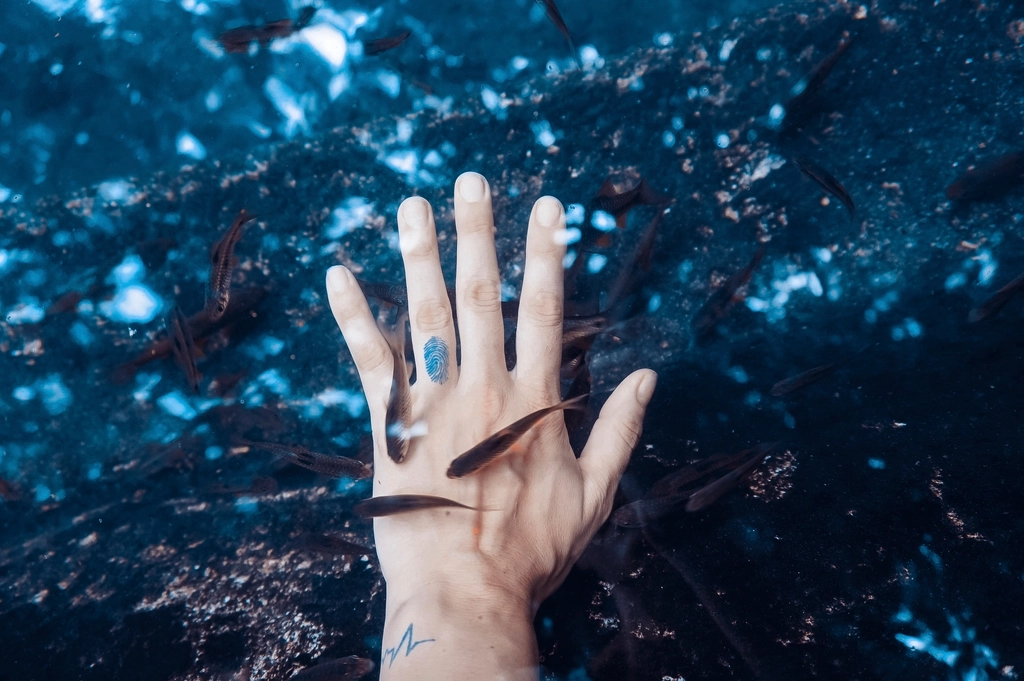
Wrinkling due to prolonged exposure in water only occurs on the glabrous skin, a thicker skin where hair won’t grow, like the skin on your palms, fingers, toes, and soles. This distinction matters. The skin on your forearm or shoulder simply doesn’t have the same structure, density of sweat glands, or vascular arrangement that makes this response possible.
The wrinkles appear primarily on fingers, toes, palms, and soles, areas covered in glabrous skin. These regions have a thicker stratum corneum and a higher density of sweat glands compared to other parts of the human body. The unique structure of glabrous skin allows for the precise nerve signaling and vascular response needed to trigger pruney formation.
The reason water immersion does not cause arms and legs to wrinkle may be that the degree of vasoconstriction is less in those areas. One study shows that the most vasoconstriction occurs in the fingers and toes, which is also where wrinkling is the most noticeable.
Your Wrinkle Pattern Is Uniquely Yours, Every Single Time
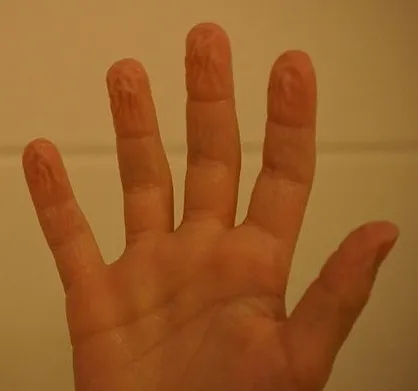
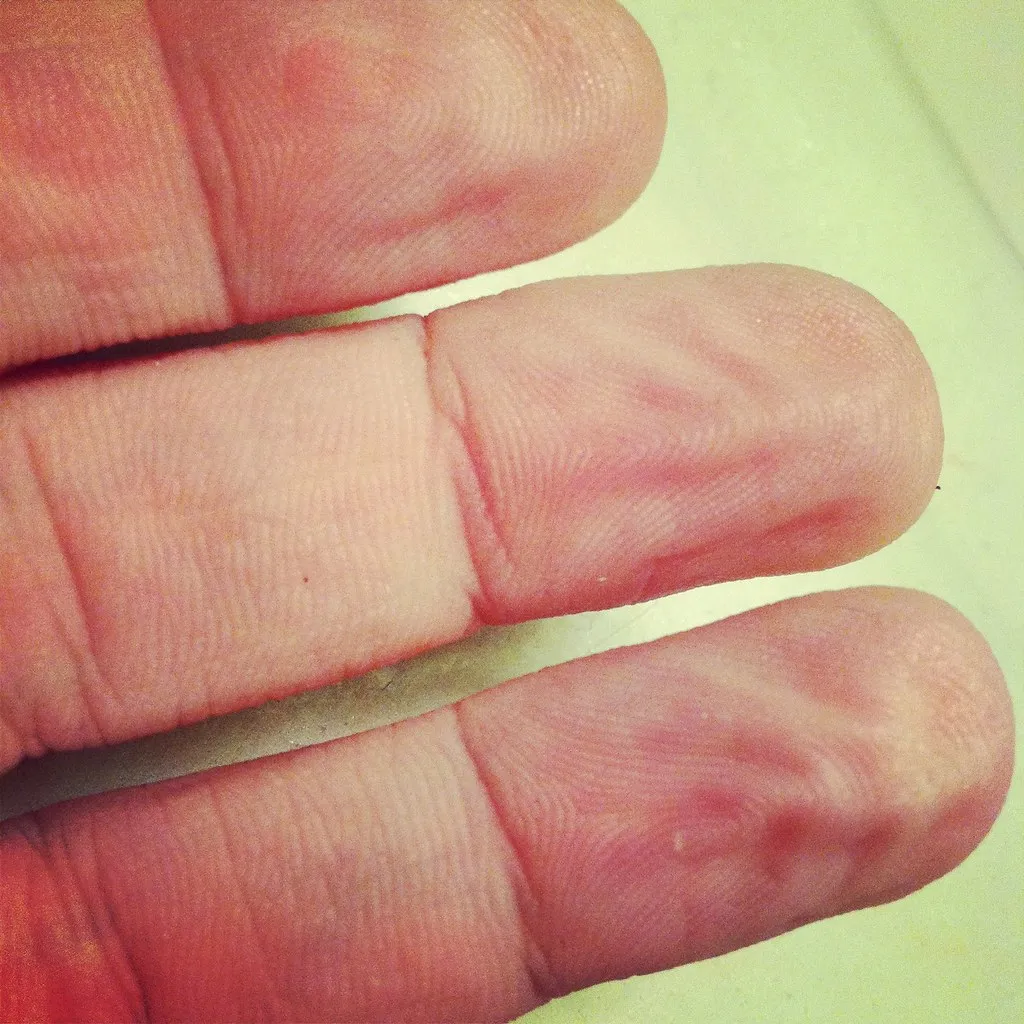
Finger wrinkle patterns induced by a long soak stay consistent over time, a new study suggests. Each time someone goes for a dip, their digits wrinkle in the exact same patterns, researchers report in the May 2025 Journal of the Mechanical Behavior of Biomedical Materials. That’s because the folds follow the paths of blood vessels below the skin’s surface, which generally stay in place.
The research put subjects’ fingers in water for 30 minutes, taking photos and then repeating the immersion under the same conditions at least 24 hours later. By comparing the images, researchers found the same patterns of raised loops and ridges after both immersions. The wrinkles don’t appear randomly. They’re essentially a map drawn by your own vascular anatomy, reproduced faithfully each time you soak long enough.
The Nerve Damage Test That Proved the Theory

Researchers made an interesting side discovery: they had heard that wrinkles don’t form in people who have median nerve damage in their fingers. One of the research team’s students said he had median nerve damage in his fingers. So they tested him, and there were no wrinkles.
Skin wrinkling of the fingers following immersion in warm water depends on intact sympathetic innervation. It is abolished by lesions affecting both central and peripheral sympathetic pathways. It affords a simple and reliable clinical test of sympathetic function. Clinicians have used this observation as a low-tech diagnostic tool for decades.
The Evolutionary Grip Theory
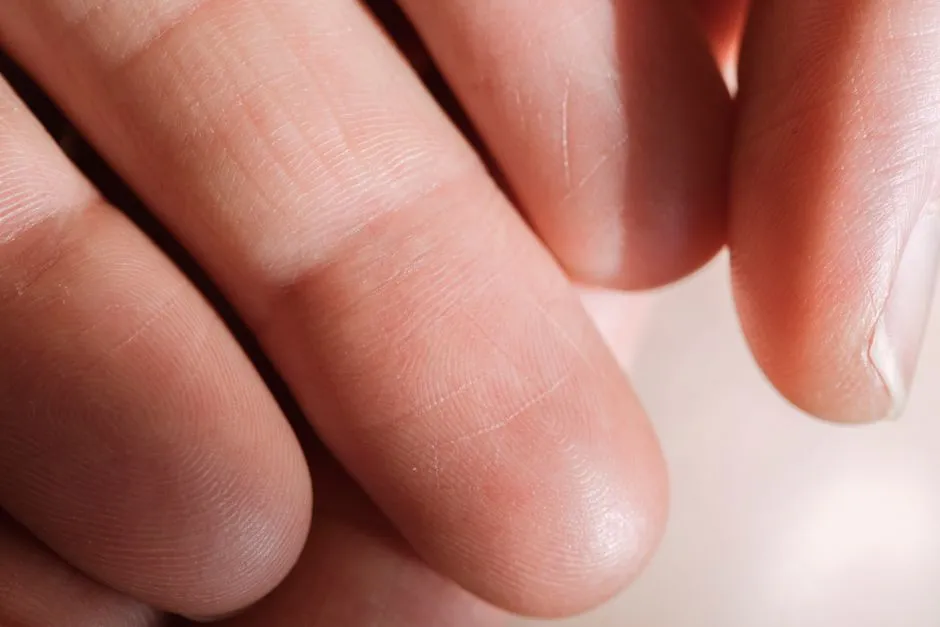
It’s an evolutionary mechanism that boosts grip strength under water by creating texture. The analogy that researchers often reach for is tire treads. Grooves on a tire push water out of the contact zone to maintain traction. Wrinkled fingertips appear to do something similar for wet surfaces.
Results showed that wrinkly fingers reduce the grip force needed to grip a wet object, bringing that force in line with what is needed for handling a dry object. The results suggest that enhancing grip force efficiency in watery environments is a possible adaptive reason for the development of wrinkly fingers. It’s possible our ancestors walked better on wet rocks with wrinkled feet, or their wrinkled hands were better at catching shellfish.
How Water Temperature Affects the Process
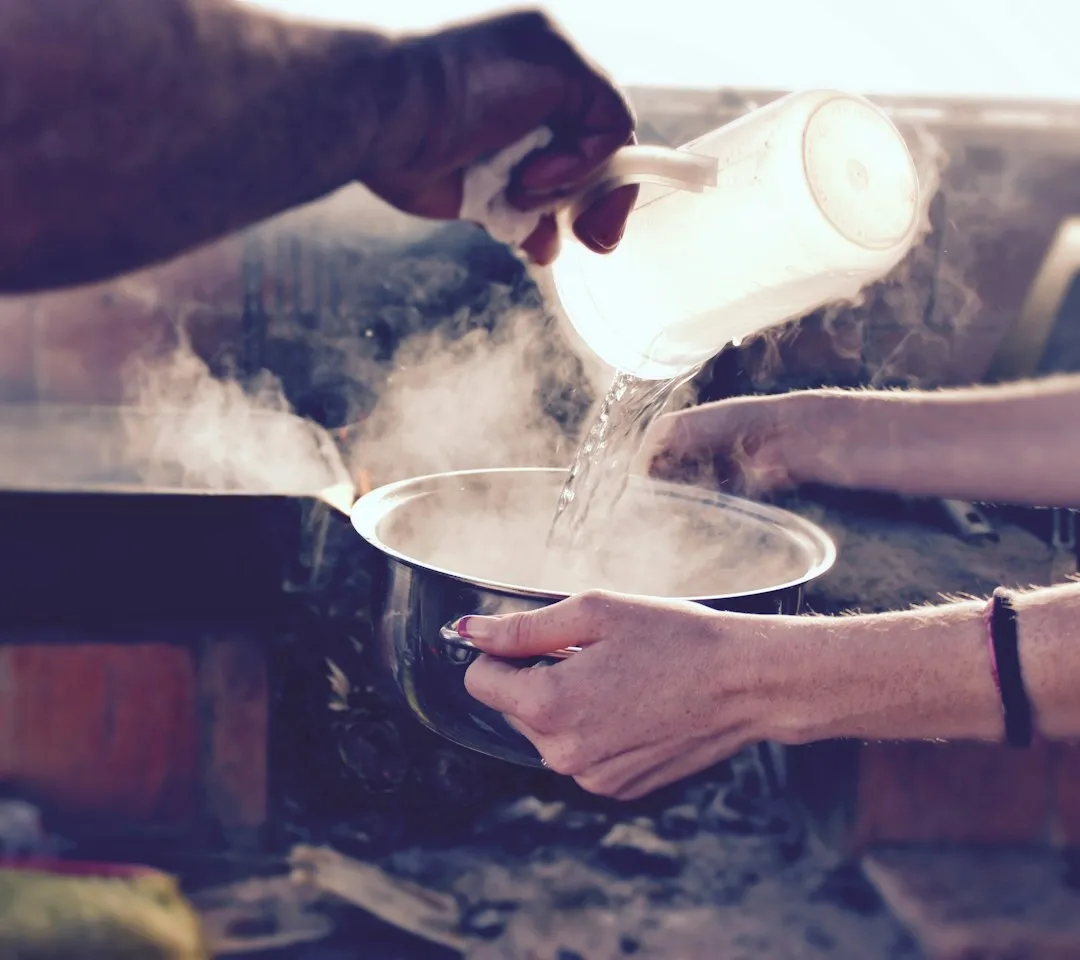
This vasoconstriction appears to occur most readily at a temperature of around 40 degrees Celsius, or the temperature of a warm bath. Cold water baths or very cool swimming pools tend to produce less pronounced wrinkling, which is consistent with the idea that the nervous system response is being triggered rather than a purely passive physical process.
Stimulated skin wrinkling reflects the integrity of the autonomic nervous system, eccrine sweat glands, and microcirculation. Specific stimuli such as water immersion or mechanical pressure usually elicit it. A 2025 study published in Skin Pharmacology and Physiology explored the influence of physical, chemical, and sympathetic stimuli on this wrinkling response. The findings add nuance to what was once considered a simple, single-trigger phenomenon.
What Abnormal Wrinkling Can Reveal About Your Health
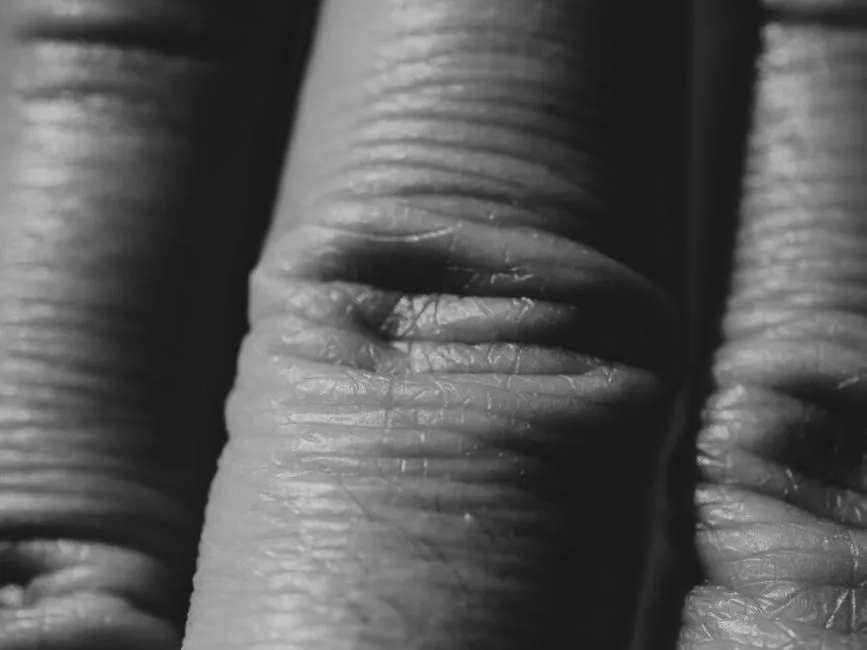
People with autonomic neurological conditions including Parkinson’s, cystic fibrosis, congestive heart failure, or diabetic neuropathy may show abnormal or asymmetric wrinkling in the affected parts of the body. This makes the finger wrinkling test a potentially revealing, non-invasive clinical window into the nervous system.
Abnormal results during the finger wrinkling test have most often been reported in various diseased states. Finger wrinkling is diminished in conditions causing autonomic neuropathies such as Parkinsonism and diabetes. In that sense, something as ordinary as a post-bath fingertip carries more diagnostic signal than most people would ever guess.
Does Wrinkling Actually Help Us Feel or Handle Things Better?
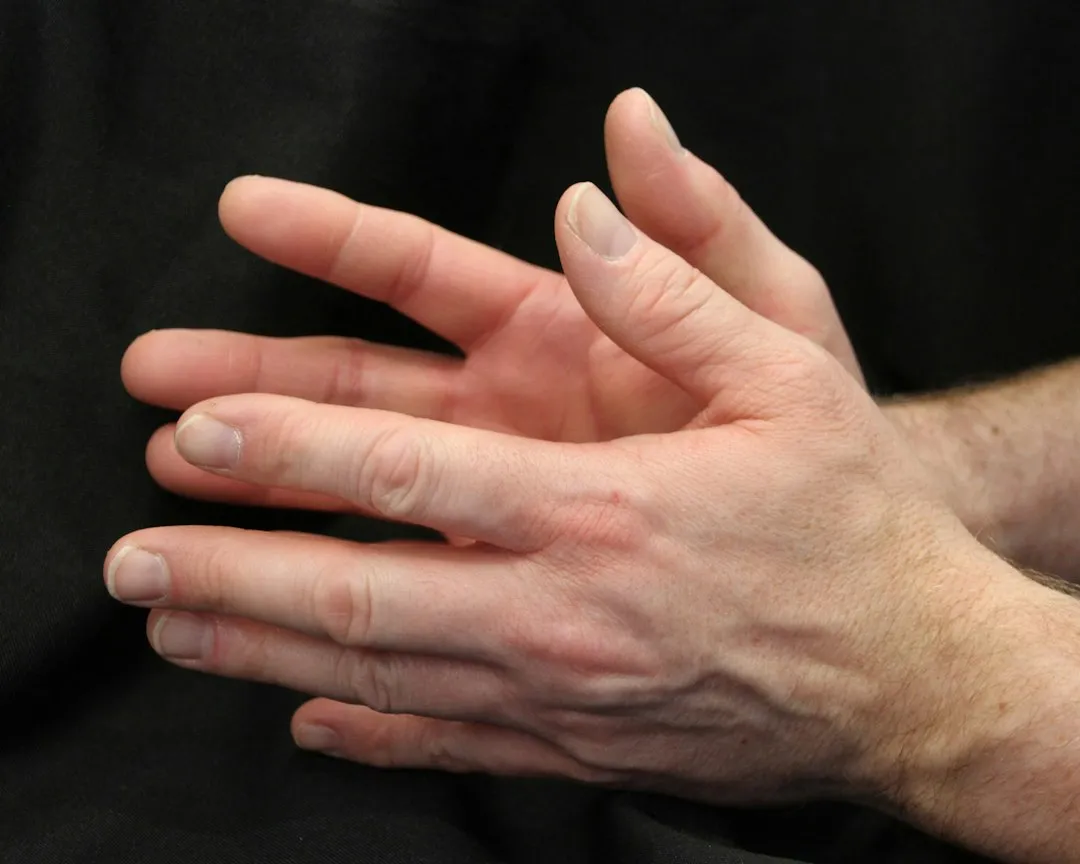
Researchers also tested the idea that skin wrinkling has an impact on tactile acuity or vibrotactile sensation using two independent sensory tasks. They found that skin wrinkling did not improve dexterity in handling wet objects, nor did it affect any aspect of touch sensitivity measured. Thus, water-induced wrinkling appears to have no significant impact on tactile-driven performance or dexterity in handling wet or dry objects.
This is where the science gets genuinely unsettled. The active control of wrinkles suggests they may have an important function, but this function has not been entirely clear. One study showed that submerged objects are handled more quickly with wrinkled fingers than with unwrinkled fingers, whereas wrinkles make no difference to manipulating dry objects. Different experimental designs have produced different results, so the grip advantage debate is still ongoing.
The Forensic Angle That Nobody Saw Coming

Knowledge about finger wrinkling might have real-world forensic applications. Because each person’s wrinkle pattern follows their unique vascular architecture and remains consistent across multiple immersions, researchers have begun exploring whether these patterns could serve as an additional form of identification, much like fingerprints but activated by water exposure.
Topographical wrinkle patterns caused by prolonged human hand immersion in water are repeatable and consistent at different timepoints, according to research by Binghamton University scientists. The consistency of these patterns is what makes the forensic angle plausible. Whether it ever becomes a practical tool remains to be seen, but the underlying biology now supports the idea that these patterns are both personal and predictable.
The Takeaway
What looks like a minor inconvenience after a long bath turns out to be a finely coordinated event involving sweat glands, nerve fibers, blood vessels, and the autonomic nervous system working in concert. The rest of your skin stays smooth because it simply doesn’t have the same structural setup: no dense sweat gland network, less vasoconstriction, and no anchor points to pull the surface inward.
The pruning of your fingertips is, in a quiet way, a remnant of something adaptive, a reflex your body still runs even when the nearest wet rock or slippery catch is nowhere in sight. It’s one of those details that makes you appreciate just how much effort the body puts into things we barely notice.
AI Disclaimer: This article was created with the assistance of AI tools and reviewed by a human editor.