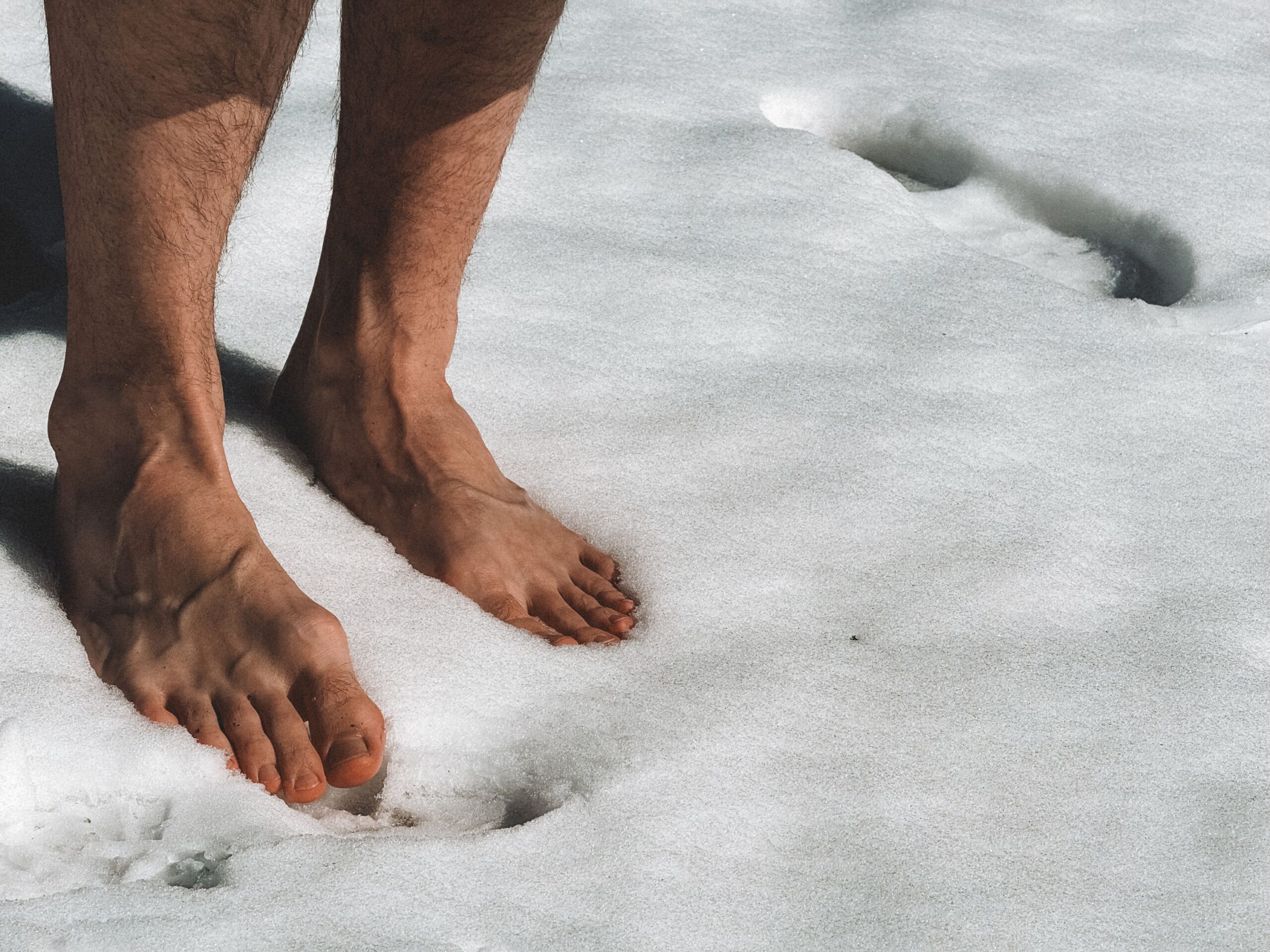

Your Feet Are at the End of a Very Long Road
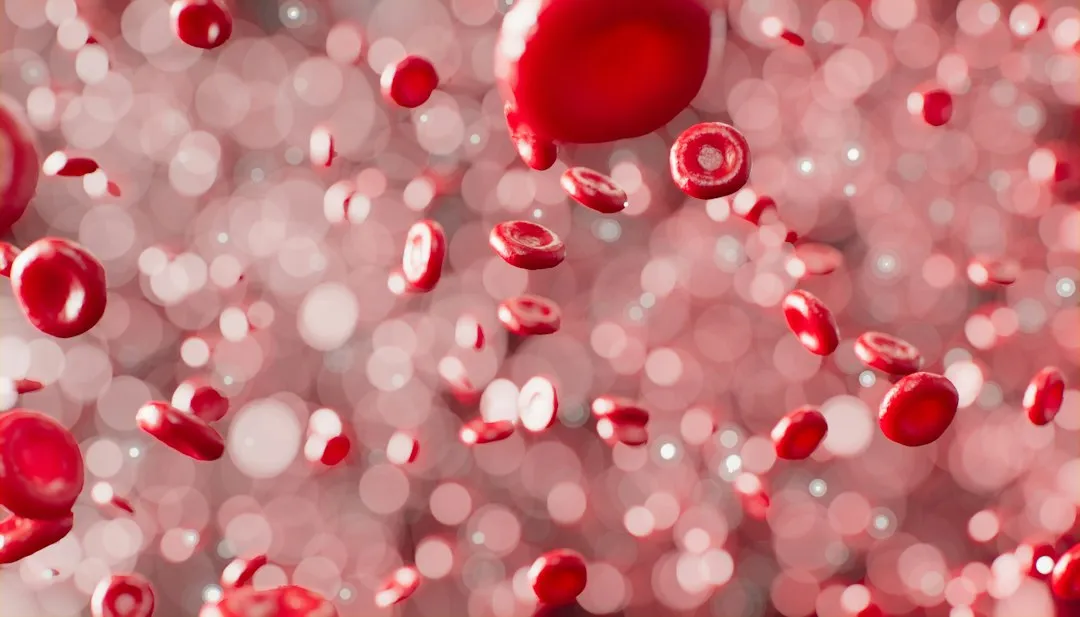
Since your feet are furthest away from your heart, it can take longer for your blood to circulate through the limbs of your body. This is pure anatomy at work. The circulatory system has to push warm, oxygenated blood all the way from the chest down through the legs and into the toes, which is a considerable distance.
Blood has to travel the longest distance from your heart to reach your toes, and when those vessels tighten, less warm blood makes it all the way down. This is why your core stays relatively warm even when your extremities feel like ice.
Temperature regulation is a complex process involving various physiological systems, including the circulatory system and sweat glands. Extremities like feet are naturally more exposed to temperature variations and less insulated than the body’s core, leading to fluctuating temperature sensations.
Your Body Is Protecting Its Most Important Organs

Cold feet are usually your body doing exactly what it’s designed to do: protecting your vital organs by pulling warm blood away from your extremities and pooling it in your torso. This is not a malfunction. It’s a survival reflex that has been part of human biology for a very long time.
When the nervous system senses even a mild drop in core temperature, it triggers a rapid response: blood vessels in your hands and feet constrict, redirecting blood flow toward your chest and abdomen where your heart, lungs, and other organs need steady warmth. This process happens automatically, driven by signals from the sympathetic nervous system, and it’s remarkably fast.
Your body prioritizes keeping your brain, heart, and lungs at a stable temperature. The tradeoff is that your extremities cool down faster and take longer to warm back up, even after you move indoors. For most healthy people, this resolves quickly once they get warm. When it doesn’t, that’s when it’s worth paying closer attention.
Raynaud’s Phenomenon: When the Body Overreacts
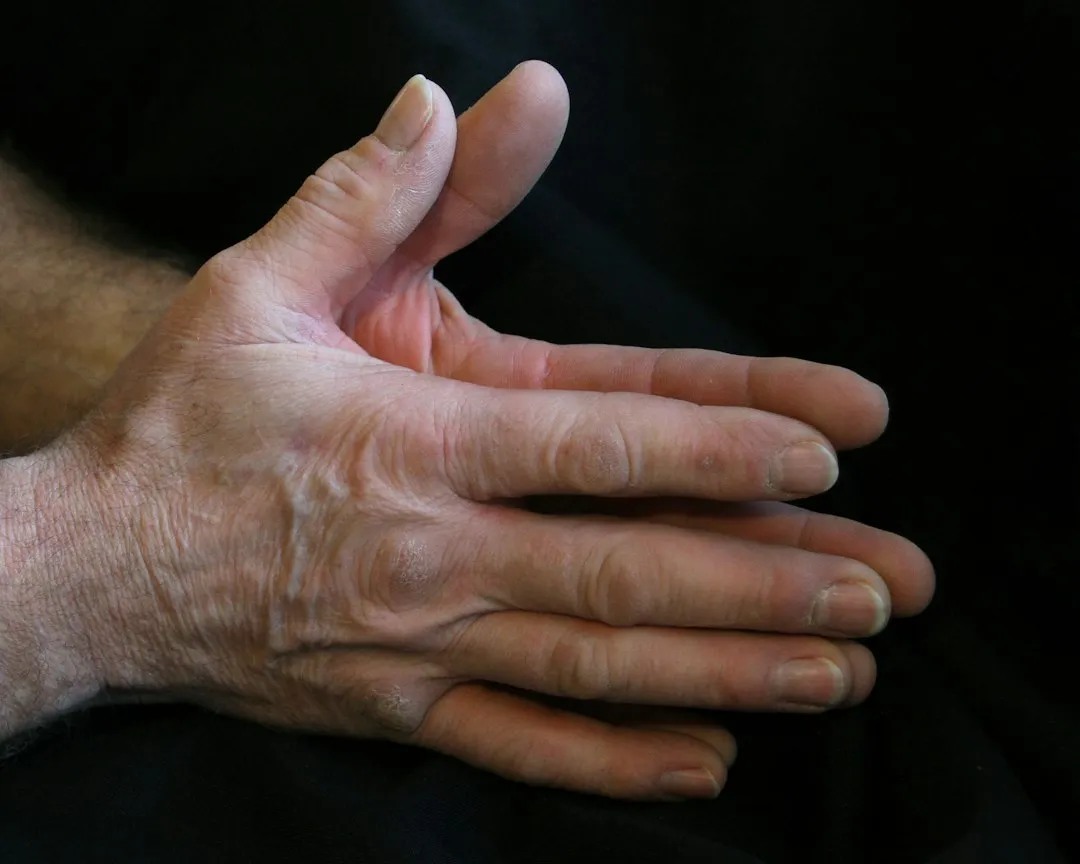
Raynaud’s phenomenon is a multifactorial vasospastic disorder characterized by a transient, recurrent, and reversible constriction of peripheral blood vessels. It is documented to affect up to five percent of the general population, with variation in prevalence owing to many factors, including gender, genetics, hormones, and region.
Raynaud’s disease causes some areas of the body, such as fingers and toes, to feel numb and cold in response to cold temperatures or stress. In Raynaud’s disease, smaller blood vessels that supply blood to the skin narrow, limiting blood flow to affected areas, which is called vasospasm.
Primary Raynaud’s has no underlying cause, tends to be milder, and is far more common. It often starts in your teens or twenties. Secondary Raynaud’s is triggered by another condition, usually an autoimmune or connective tissue disease like lupus or scleroderma. According to a 2025 review published in the journal Pharmacological Research, Raynaud’s phenomenon incidence is significantly higher in premenopausal females compared to age-matched males, highlighting a role of the female hormone estrogen in its pathogenesis.
Peripheral Artery Disease and Narrowed Blood Vessels
When fatty deposits build up inside the arteries that supply your legs and feet, the resulting condition is peripheral artery disease, or PAD. The plaque narrows these arteries over time, reducing the volume of warm blood reaching your feet.
Narrowed arteries in the legs reduce blood flow, causing cold feet, calf pain when walking, weak pulses, and slow-healing wounds. Risk factors include smoking, diabetes, high cholesterol, and hypertension. These are overlapping conditions, and having one of them tends to raise the odds of developing the others.
If one foot consistently feels colder than the other, or your feet stay cold regardless of the temperature around you, reduced blood flow could be the cause. That asymmetry is a useful clue that’s worth mentioning to a doctor.
Hypothyroidism: A Thermostat That’s Set Too Low

Your thyroid gland controls your metabolic rate, which is essentially the speed at which your body burns calories and generates heat. When your thyroid is underactive, your baseline heat production drops. Your body also loses its normal ability to ramp up heat production in response to cold.
The result is a persistent feeling of being cold, particularly in your hands and feet, because your body compensates by constricting blood vessels in your extremities to preserve core warmth. This can be easy to dismiss as just “running cold,” especially in people who’ve lived with low thyroid function for years without a formal diagnosis.
An underactive thyroid slows the body’s temperature regulation. Symptoms often include cold feet and hands, fatigue, weight gain, dry skin, and hair thinning. A simple blood test measuring thyroid hormone levels can usually confirm or rule this out fairly quickly.
Diabetes and the Nerve Damage Connection

Chronic high blood sugar damages nerves and small vessels, leading to numbness, tingling, burning pain, and temperature changes in the feet. This is called peripheral neuropathy, and it’s one of the more common complications of long-term diabetes.
Nerve damage, especially in your feet, is a complication of diabetes. It’s caused by high blood sugar levels over a long period of time. One of the early symptoms is a feeling of “pins and needles” in your feet or hands.
Diabetes, particularly types 1 and 2, can lead to cold feet from nerve damage, underscoring the importance of blood sugar management. What makes diabetic nerve damage particularly tricky is that the cold sensation may not reflect actual skin temperature, since the nerves themselves are sending faulty signals.
Anemia: Not Enough Oxygen Getting Through

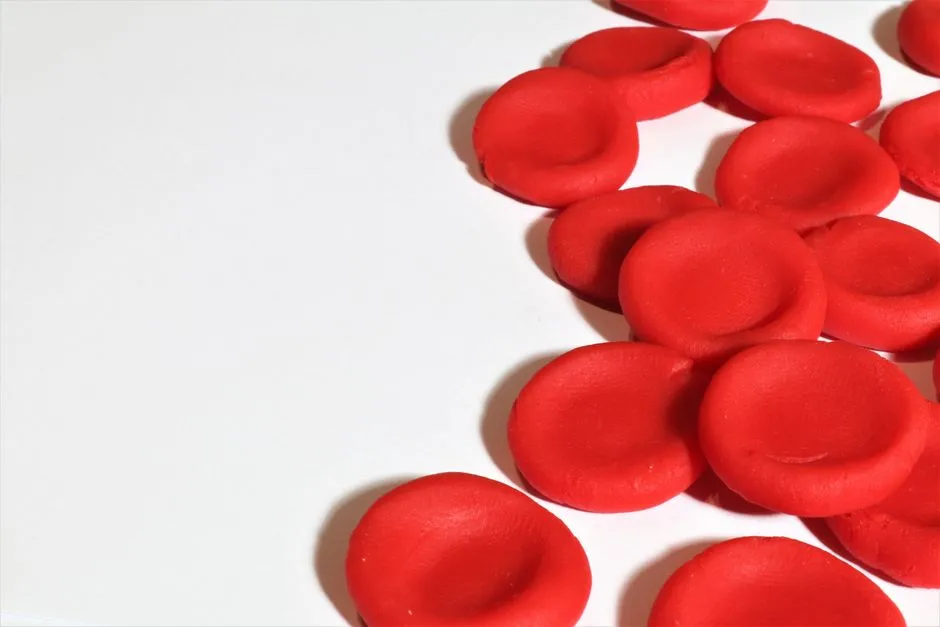
Anemia is a condition that occurs when a person has too few red blood cells in their body. It can result from many factors, including a deficiency in iron, vitamin B12, folate, or chronic kidney disease.
Low hemoglobin impairs oxygen delivery to tissues, causing fatigue, pallor, shortness of breath, and cold sensitivity. Iron deficiency is common in menstruating individuals or with gastrointestinal blood loss, and B12 deficiency can also cause neuropathy involving numbness and tingling.
Moderate to severe cases of anemia may cause cold feet. Anemia usually responds well to changes in diet and supplements. The good news here is that once the underlying deficiency is corrected, symptoms including persistently cold feet often improve noticeably.
Lifestyle Factors You Might Be Overlooking
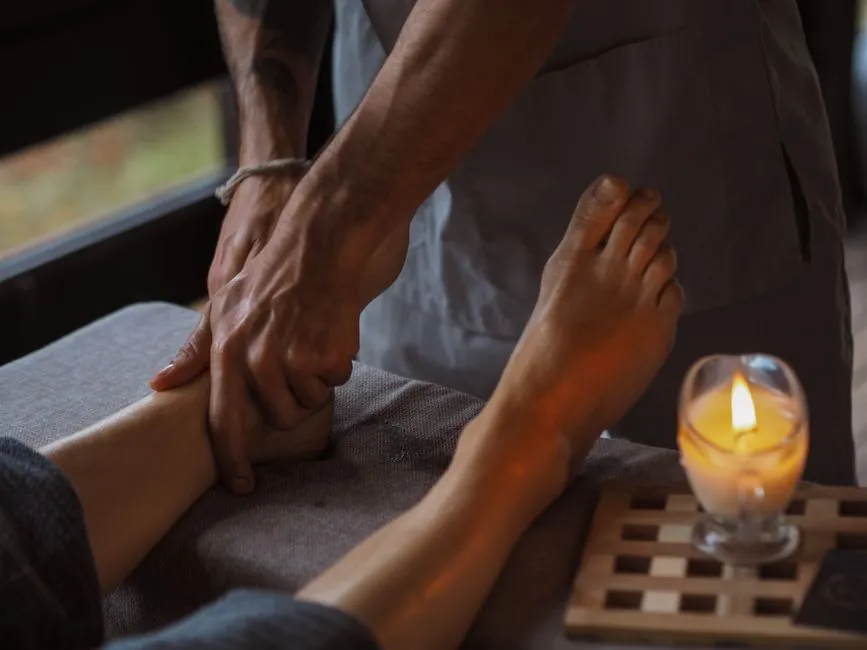
During sedentary activities, blood flow to the extremities decreases as compared to non-sedentary activities. Simply sitting still for long periods, especially at a desk or on a couch, slows circulation to the feet even in otherwise healthy people.
Smoking narrows blood vessels and reduces blood flow. This can result in poor circulation and cold extremities. This is separate from any major vascular condition. Even light or moderate smoking has measurable effects on how efficiently blood reaches the periphery of the body.
One major issue is poor circulation, often linked to heart conditions, sedentary lifestyles, or smoking. Taking regular movement breaks during the day, staying well hydrated, and not crossing your legs for extended periods all make a modest but real difference over time.
When Cold Feet Signal Something That Needs Medical Attention

You should call your doctor right away if your feet feel cold but your skin doesn’t feel cold to the touch. This could be a symptom of a neurological condition. That specific distinction, where the sensation is cold but the surface temperature is actually normal, is an important flag.
Your doctor will conduct a physical exam and look for signs of trauma or nerve damage by pressing on different areas on your feet. They’ll likely order blood work, which can check for conditions like anemia, diabetes, or hypothyroidism.
Your doctor may order an electrocardiogram to evaluate the functioning of your heart if they suspect heart disease or poor circulation is a cause. They may also conduct an ankle-brachial index test, measuring the blood pressure in different limbs. If peripheral artery disease may be a cause, they will order an ultrasound to look at the blood flow in your arteries.
What Actually Helps, and What to Try First
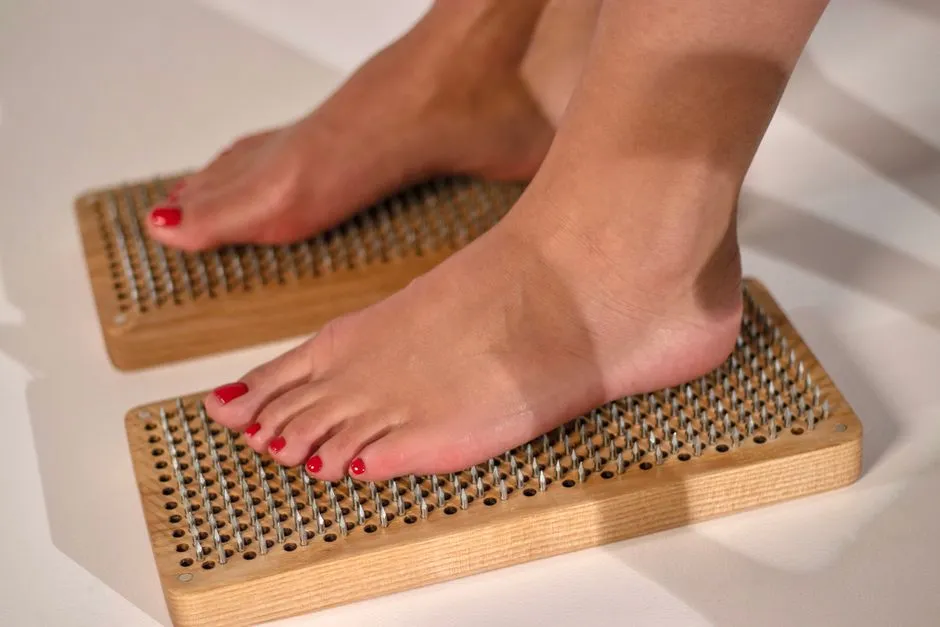
Treatment depends on the cause, but general supportive measures include warm foot soaks, regular movement breaks, socks designed for warmth and moisture control, and foot exercises to stimulate circulation. These don’t fix underlying conditions, but they do provide real, practical relief while you figure out the bigger picture.
Some causes of cold feet, like hypothyroidism and anemia, can be treated with medications. Your doctor may prescribe calcium blockers, which can help open the blood vessels, for conditions like Raynaud’s or certain heart conditions.
Making dietary changes, such as consuming foods rich in antioxidants and vitamins, can improve circulation. Regular exercise is also beneficial for increasing blood flow to the extremities. The starting point, though, is simply getting the right diagnosis rather than guessing which of these approaches applies to you.
The Takeaway

Cold feet are common enough that most people write them off as a minor inconvenience. Sometimes that’s exactly what they are. Your body is doing its job, keeping your vital organs warm by pulling circulation away from the edges.
Still, when feet stay cold regardless of how warm the room is, or when the cold comes with numbness, discoloration, or pain, that’s the body communicating something worth listening to. The causes range widely, from Raynaud’s to PAD to thyroid disorders to anemia, and most of them are diagnosable and manageable with the right approach.
Cold feet don’t always demand a dramatic solution. Sometimes all it takes is more movement, better socks, or a simple blood test. The most important thing is knowing the difference between normal physiology and a condition that’s quietly asking for your attention.
AI Disclaimer: This article was created with the assistance of AI tools and reviewed by a human editor.