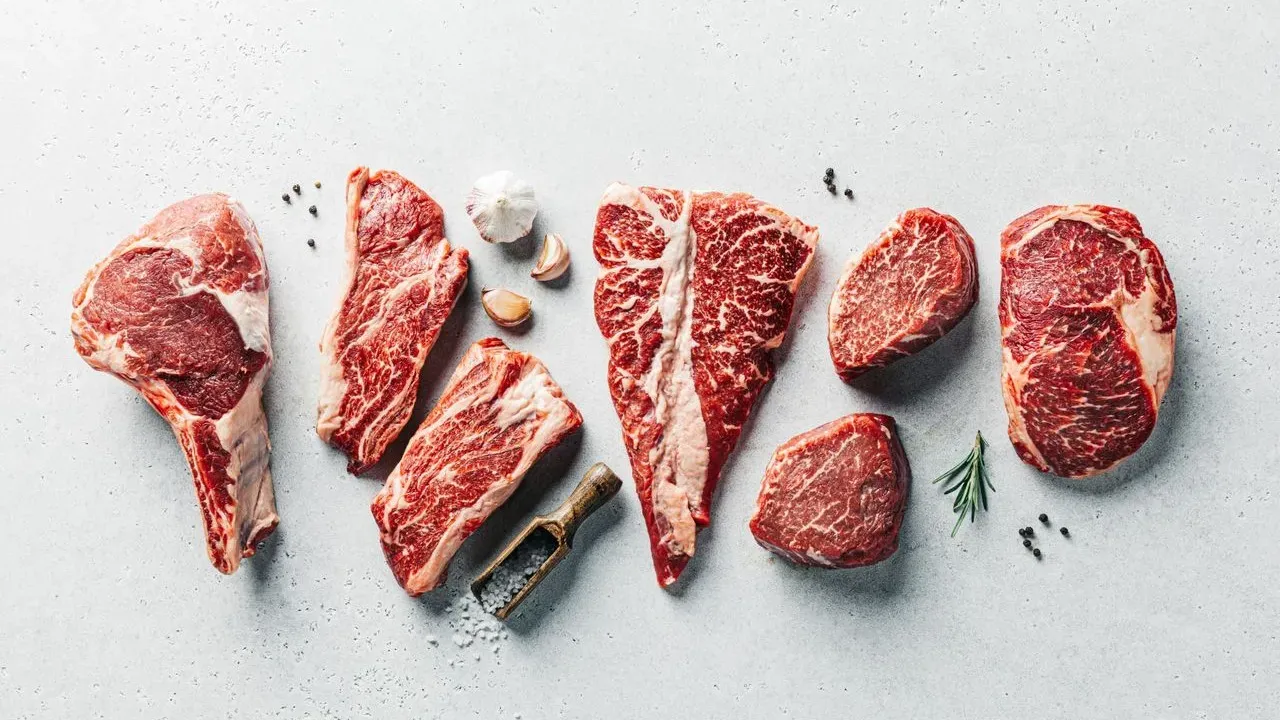

Sinton, Texas – A small-town barbecue restaurant has removed brisket from its everyday menu after years of climbing beef costs made the staple too risky to keep in regular rotation. Butter’s BBQ, located about 30 minutes from Corpus Christi, made the change last week following another sharp increase in wholesale prices. The decision highlights how sustained price pressures are reshaping what diners can expect at Texas barbecue spots.
Owner Weighs the Costs
Andrew Soto, who owns and operates Butter’s BBQ, described the move as the result of a long-running challenge rather than a sudden crisis. He noted that beef and brisket prices have been climbing for roughly five years, with sharper increases over the past eight to twelve months. Attempts to raise menu prices or reduce brisket portions led to lower foot traffic and weaker sales, leaving the restaurant with little room to maneuver. The final trigger came during a conversation with a food supplier, when Soto learned brisket had jumped nearly a dollar per pound. In a small market, buying hundreds of pounds at once without guaranteed sales turned the item into a financial gamble. Soto decided to remove brisket from the standard lineup to protect the business and its employees.
USDA Data Shows Steady Climb
The restaurant’s experience aligns with national figures. The USDA’s Economic Research Service reported that beef and veal prices stood 5.9 percent higher in August 2026 than they were in August 2025. Overall beef prices are projected to rise 9.4 percent for the full year, with a forecast range between 7.4 and 11.6 percent. These increases have affected restaurants and home cooks alike, pushing operators to rethink core offerings.
Shifting the Menu and Serving Customers
Butter’s BBQ is not eliminating brisket entirely. The restaurant plans to offer it through an online pre-order system that requires advance payment, allowing the kitchen to prepare only what is already sold. In the meantime, the focus has shifted toward pork items such as ribs and sausage. The team is also testing beef cheek as a possible lower-cost alternative that still delivers smoked flavor. Soto emphasized that the change was made to keep the doors open. “We’re just trying to protect our business and our livelihood,” he said, while encouraging customers to continue supporting the restaurant with its remaining barbecue selections.
Community Response and Next Steps
Local reaction on social media has been mixed. Some patrons expressed surprise that a Texas barbecue spot would operate without brisket on the regular menu, while others suggested simply raising prices or offered ideas for new pork dishes. The restaurant’s announcement noted that brisket had accounted for more than 70 percent of its grocery costs in recent periods, underscoring the scale of the expense. For now, the business is watching how the pre-order model performs and whether customers adapt to the new options. The episode illustrates one concrete way rising input costs are altering long-standing traditions in regional food service.
AI Disclaimer: This article was created with the assistance of AI tools and reviewed by a human editor.