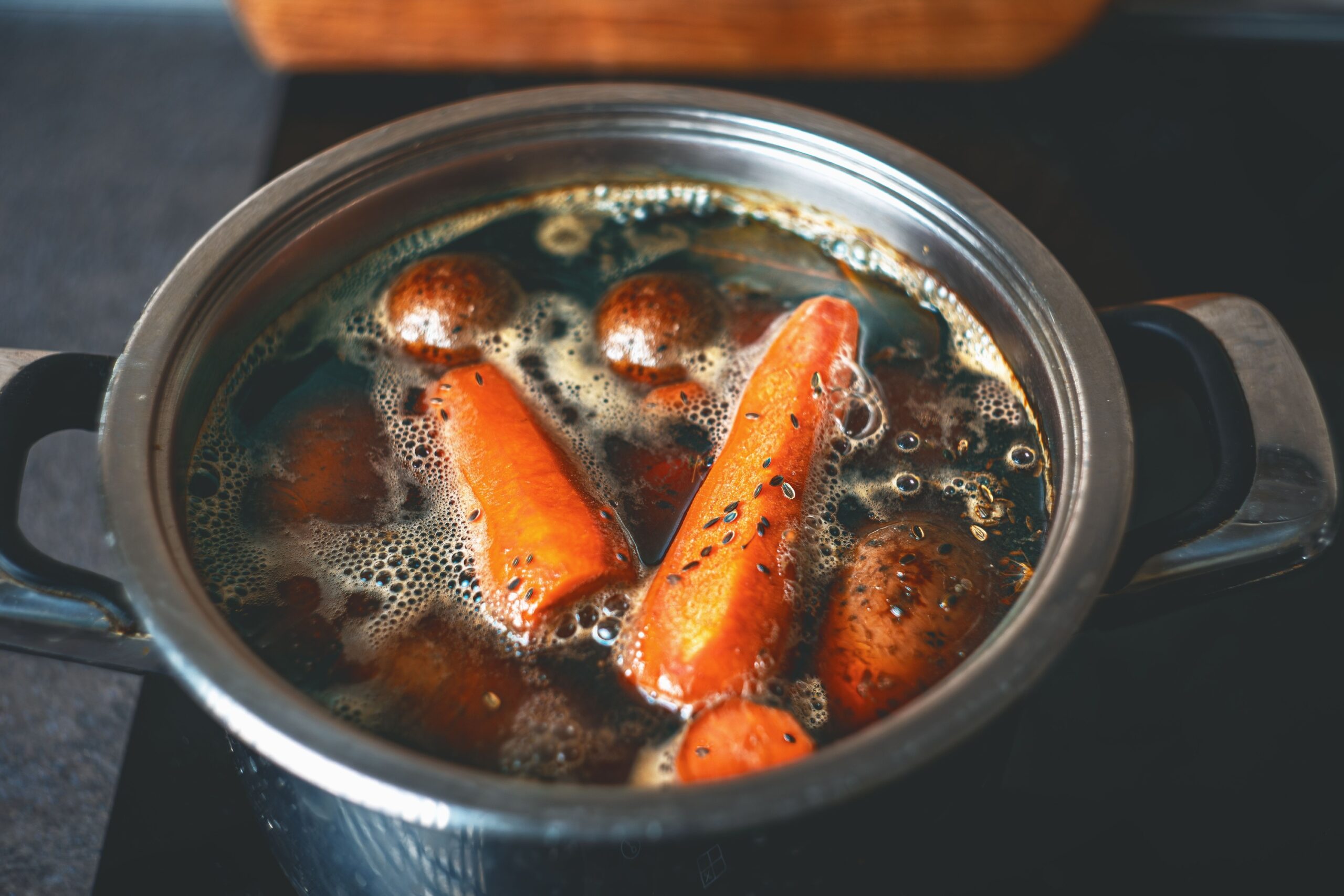

Most people who eat vegetables regularly assume they’re getting the full nutritional benefit of what’s on their plate. That assumption, it turns out, depends enormously on what happened in the pot before the food arrived there. The cooking method you use every single day may be quietly undoing most of the nutritional work your vegetables are supposed to do.
Boiling is one of the oldest and most common cooking techniques in the world. It’s simple, scalable, and familiar. It also happens to be among the most damaging things you can do to water-soluble vitamins. Understanding exactly why, and what you can do instead, is more straightforward than most people expect.
Boiling: The Habit That Costs You the Most
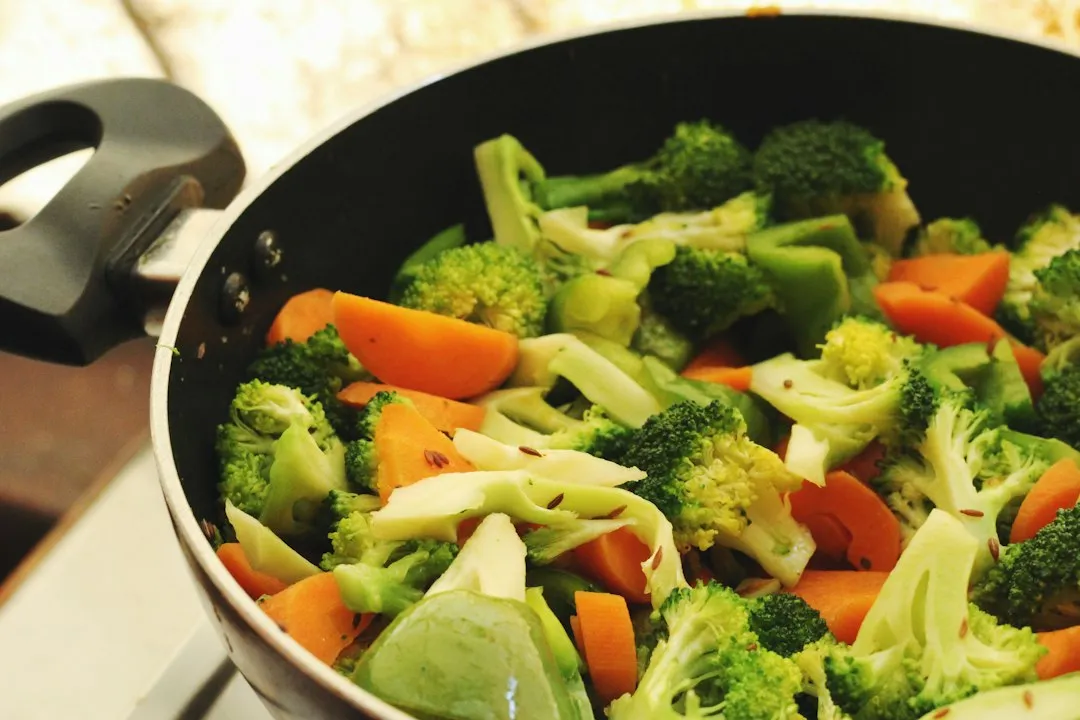
Boiling often leads to a loss of nutrients, particularly water-soluble vitamins like vitamin C and the B vitamins. The problem isn’t just heat. It’s the combination of heat and submersion in water that makes boiling so uniquely destructive. Vitamin C dissolves in water. If you boil vegetables in a large pot and pour the water down the drain, you’re literally discarding a significant fraction of the water-soluble vitamins. They didn’t disappear into vapor; they’re in the cooking water.
Traditional methods like stewing and boiling may lead to nutrient loss, mainly of antioxidants and water-soluble vitamins. This isn’t a minor rounding error in your nutrition. For many people who rely on vegetables as a primary source of vitamins, the losses are genuinely significant.
How Much Vitamin C Is Actually Lost?
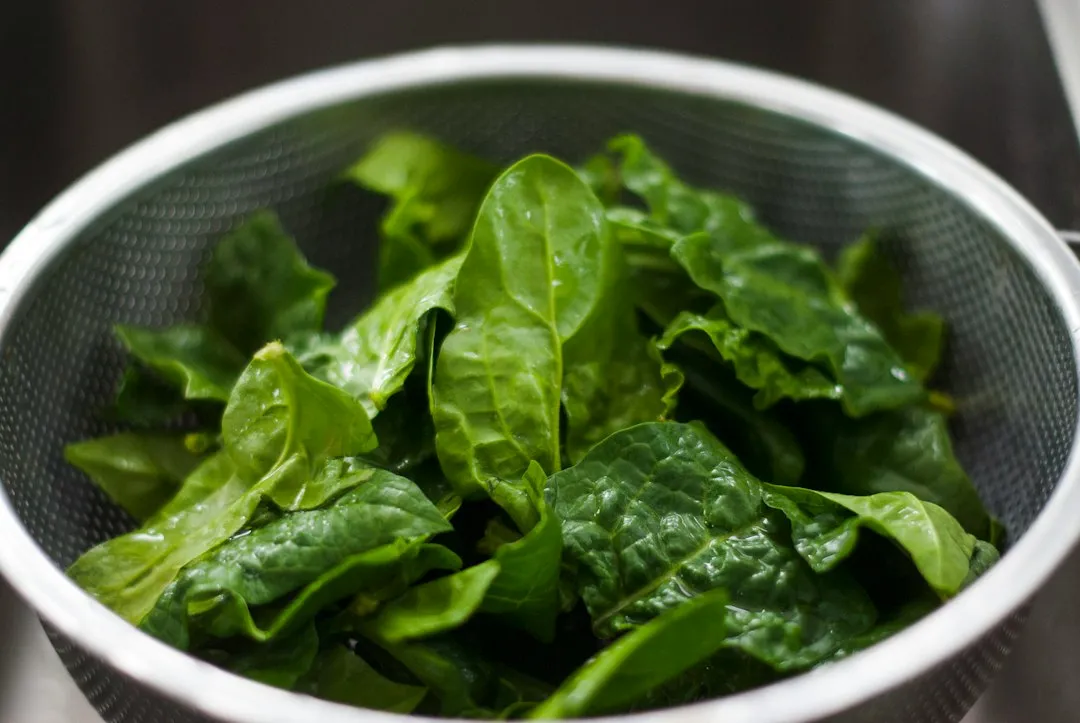
Loss of vitamin C in broccoli, spinach, and lettuce during boiling was 54.6%, 50.5%, and 40.4%, respectively. Those aren’t edge-case numbers from unusual cooking conditions. They reflect fairly typical home boiling times. Boiling broccoli at 100°C can destroy up to half of its vitamin C content within just five minutes.
Research shows that boiling vegetables can lead to as much as a 40 to 55% loss of vitamin C, compared to steaming vegetables, which may only cause a loss of eight to maybe 15%. The gap between these two methods is striking. Cooking removes about two-thirds of the vitamin C in fresh spinach.
The Double Problem: Heat and Water Together
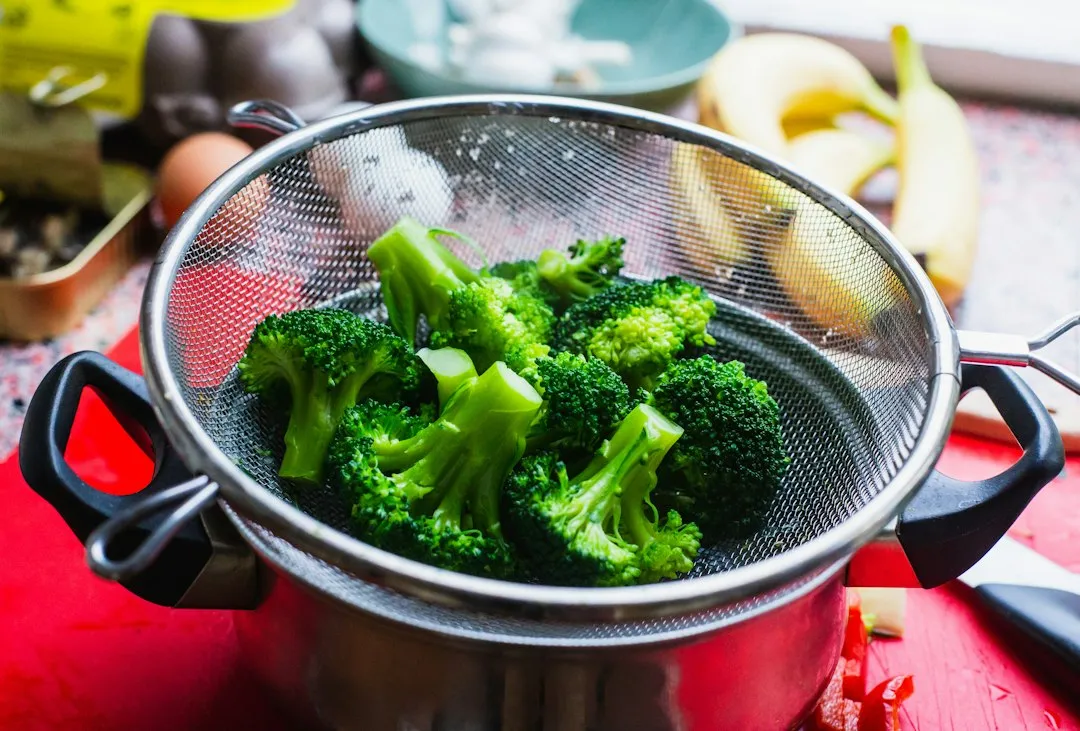
Vitamin C is heat labile and water soluble, and losses seen on cooking could be due to extremes of temperatures and leaching of the vitamin into the water used to boil the vegetables. These two mechanisms work simultaneously, which is why boiling is consistently worse than dry or minimal-water cooking methods. Vitamin C is particularly sensitive. It oxidizes readily when exposed to oxygen, heat, and water.
Boiling broccoli for 5 to 10 minutes in a lot of water loses 30 to 50% of its vitamin C, some through leaching into the cooking water and some through heat degradation. Steaming the same broccoli for the same time loses roughly 10 to 15%. The vegetable is the same. The only variable is the method.
B Vitamins: The Other Major Casualty
B vitamins show similar patterns. Thiamin (B1), folate, and B6 all leach into cooking water and degrade with extended heat exposure. The losses range from 10 to 40% depending on method and cooking time, but they accumulate if your vegetable cooking is mostly boiling-and-discarding.
B vitamins, including thiamin, riboflavin, and niacin, also dissolve easily in cooking water and deteriorate with prolonged heat exposure. Boiling destroys up to 80% of folate by leaching it into discarded water. For anyone monitoring their folate intake, especially during pregnancy, this is a meaningful concern.
Folate Losses Are Especially Steep
Boiling, steaming, and frying are estimated to cause average folate losses of 40 to 50%, 40%, and 15 to 30%, respectively, in vegetables solely. Boiling and steaming can therefore be surprisingly close when it comes to folate, though the mechanisms differ. Loss of folates during boiling occurs due to leaching, while ascorbic acid is lost due to temperature.
Folate, the naturally occurring form of vitamin B9, is found in foods such as leafy green vegetables and legumes. However, cooking can result in losing up to 70% of folate, primarily due to thermal degradation or dissolving in cooking water. Folate supports cell growth and is especially important during pregnancy. Unfortunately, it’s highly susceptible to both heat and water loss during cooking.
Polyphenols and Antioxidants Take a Hit Too

In terms of total polyphenol content and total flavonoid content, boiling had a higher negative effect on most vegetables than other cooking methods, with losses of up to 70.3% and 82.27%, respectively. These compounds are not vitamins in the classical sense, but they are among the most studied health-protective substances in plant foods. Losing the majority of them through cooking is far from ideal.
In comparison to raw vegetables, boiled vegetables significantly lost minerals like potassium, magnesium, zinc, copper, and manganese. So the damage extends well beyond just vitamins. The mineral profile of your vegetables can shift considerably depending on whether you boil them or not.
Cooking Time Makes It Worse
The longer and hotter you cook, the more nutrients you’ll lose. This seems obvious in principle, but many home cooks significantly overboil their vegetables, especially root vegetables and leafy greens that are cooked until they’re very soft. Vitamin C is heat sensitive. Expose your vegetables to heat for too long and you’ll run into the same problem as boiling.
Chopping or slicing vegetables before cooking can expose more surface area, potentially leading to nutrient loss through oxidation. To mitigate this, it is advisable to prepare vegetables just before cooking and to avoid soaking them in water for prolonged periods. Small prep choices compound over time.
Steaming Is Consistently the Better Option
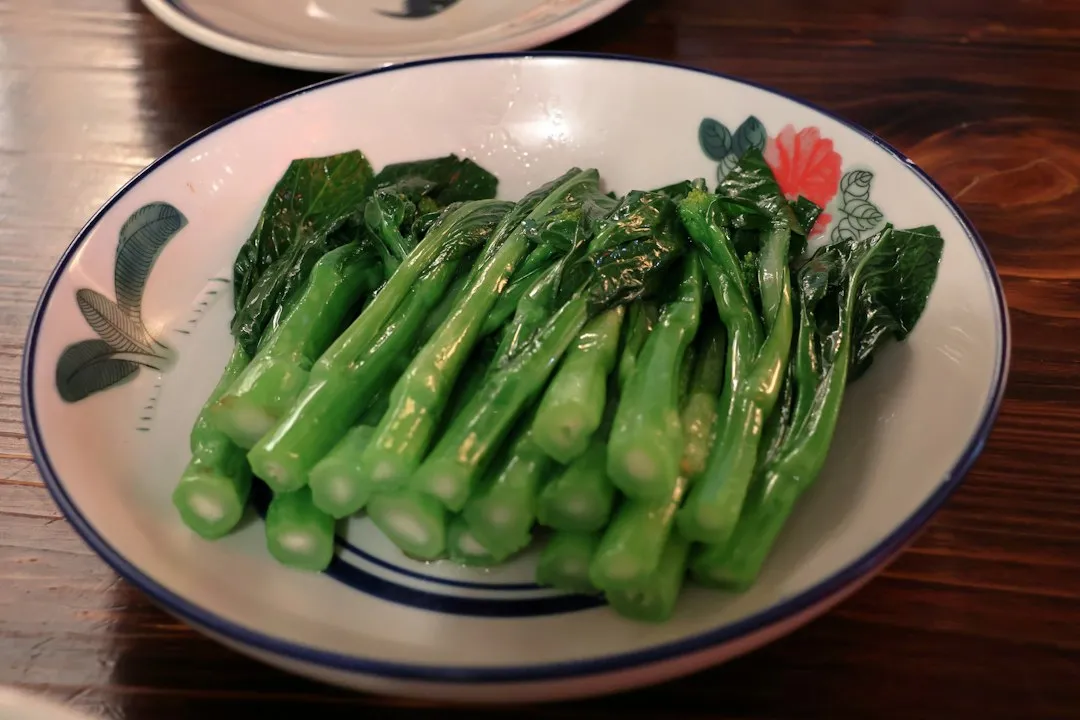
Steaming stands out as one of the gentlest cooking methods for preserving vitamins and minerals. Research shows that steaming vegetables retains approximately 80 to 90% of water-soluble vitamins like vitamin C and B vitamins, compared to boiling which can result in losses of up to 50% or more. The key advantage is that vegetables never touch the water directly, preventing nutrients from leaching out.
Steaming is a safer way of cooking in terms of retention of bioactive contents of vegetables as compared to boiling, frying, and microwaving. The percentage of vitamin loss in steamed leafy vegetables varies from 9 to 11% for ascorbic acid, 9 to 17% for thiamin, 9 to 13% for riboflavin, and 9 to 12% for niacin. Compare those figures to boiling, and the case for switching is clear.
Microwaving Is Better Than Most People Think

Microwaving vegetables had the least impact on ascorbic acid, with greater retention of over 90%. Due to the minimal water contact during low-temperature cooking, vegetables cooked in a microwave retain more of their vitamins than those that are boiled. The short cooking times mean less heat exposure, and the minimal water means less leaching.
The quick cooking times and minimal use of water help retain vitamins and minerals that are typically lost in other cooking methods. Microwaving vegetables can result in less nutrient loss than boiling, making it a viable option for maintaining the health benefits of produce. Microwaving for 3 to 4 minutes with minimal water loses around 10 to 25% of vitamin C, depending on the study. That’s a considerably better outcome than a rolling boil.
What to Do If You Still Prefer Boiling
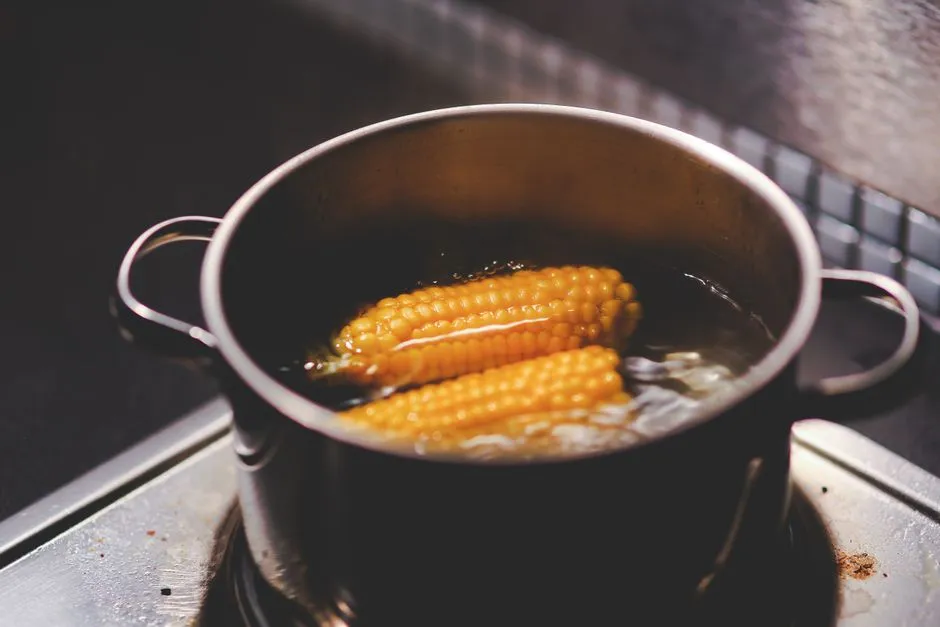
Cooking water from vegetables has genuine nutritional value: drink it as the base for a sauce or soup rather than discarding it. This one habit can recover a meaningful portion of the vitamins that leach out during boiling. Keep cooking liquids whenever possible and use them in soups, sauces, or smoothies, since vitamins leach into water during preparation.
Cut produce into larger pieces before cooking. Smaller cuts expose more surface area to heat and water, accelerating nutrient loss. Using less water, keeping cooking times short, and saving the liquid are all practical adjustments that cost nothing and preserve more of what you’re cooking for. Greens and root vegetables lose the most vitamin C and folate due to boiling compared to any other cooking method. The more water used, the more nutrients are lost.
The Takeaway
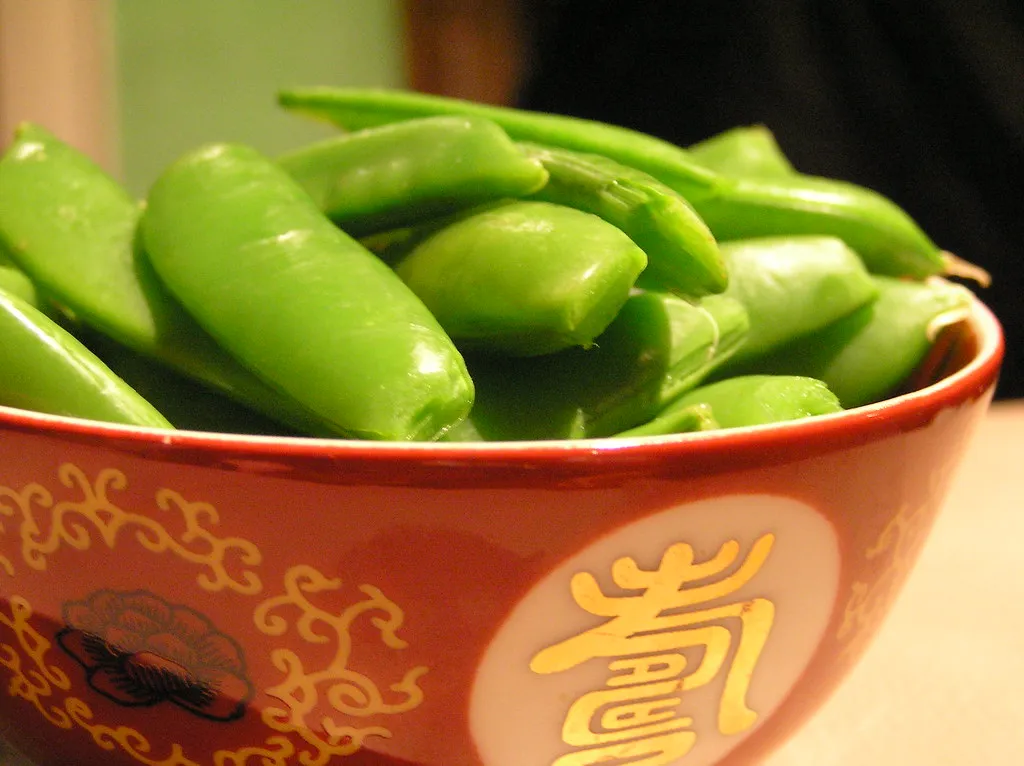
Boiling is not inherently bad, but it’s the cooking habit most likely to strip vegetables of their vitamins when done carelessly. The research is consistent across multiple studies and vegetable types: almost half of the essential vitamins are lost in boiled leafy vegetables. That’s a significant toll for what is often a default, barely-considered kitchen choice.
The solution doesn’t require expensive equipment or a complete overhaul of how you cook. Steaming for a few minutes, using minimal water, or simply saving the cooking liquid for a broth can make a real difference. Cooking methods affect the nutritional content of vegetables. Boiling may lead to the loss of water-soluble vitamins, while steaming and microwaving are better for retaining them. The vegetables you eat are only as good as the method you use to prepare them.
AI Disclaimer: This article was created with the assistance of AI tools and reviewed by a human editor.