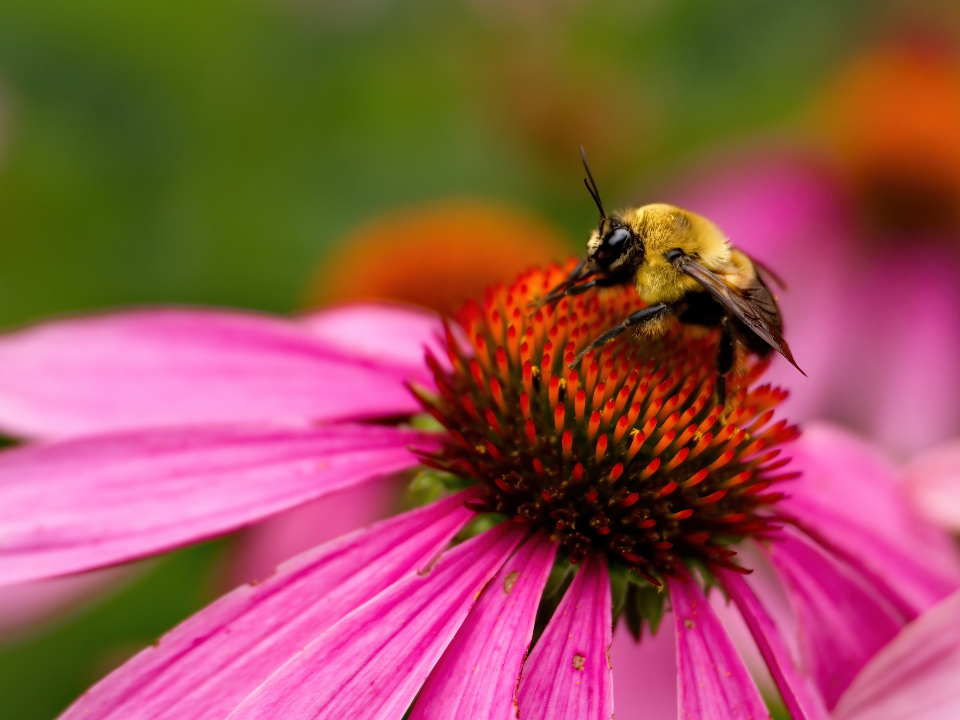

Most of us picture bees as tireless workers, constantly in motion between hive and garden. But look closely into a flower just after dawn, and you might find something unexpected: a bee, perfectly still, tucked inside the petals. It’s not injured. It’s not trapped. It’s asleep.
This quiet habit, well-documented by researchers but rarely noticed by the average gardener, reveals a fascinating dimension of bee biology. The reasons behind it touch on ecology, survival strategy, and even the neuroscience of insect memory.
Most Bees Are Solitary, Not Social
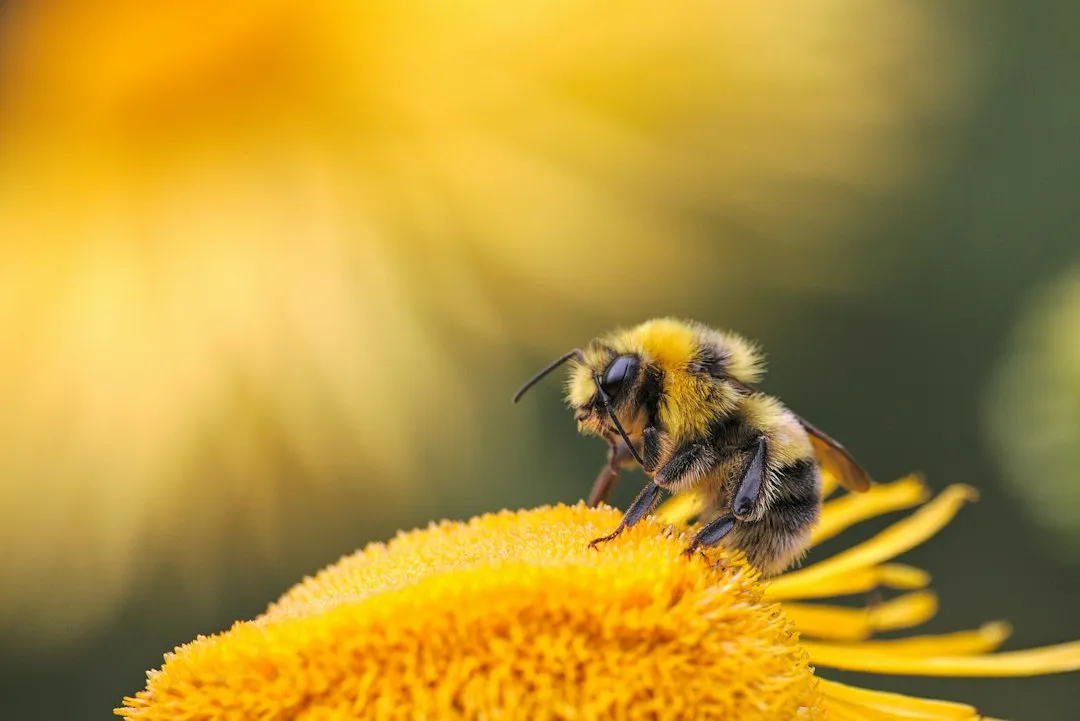
Out of over 20,000 bee species worldwide, most of us are probably familiar with worker bees that live in hives and nests, like honeybees and bumblebees. That picture, though comforting and familiar, is actually the exception. In the U.S., roughly ninety-eight percent of bee species are solitary, meaning they live on their own, not in hives or nests. This matters enormously when it comes to sleep, because a bee with no colony has no communal sleeping quarters to return to at night.
Male Bees Are the Main Flower Sleepers
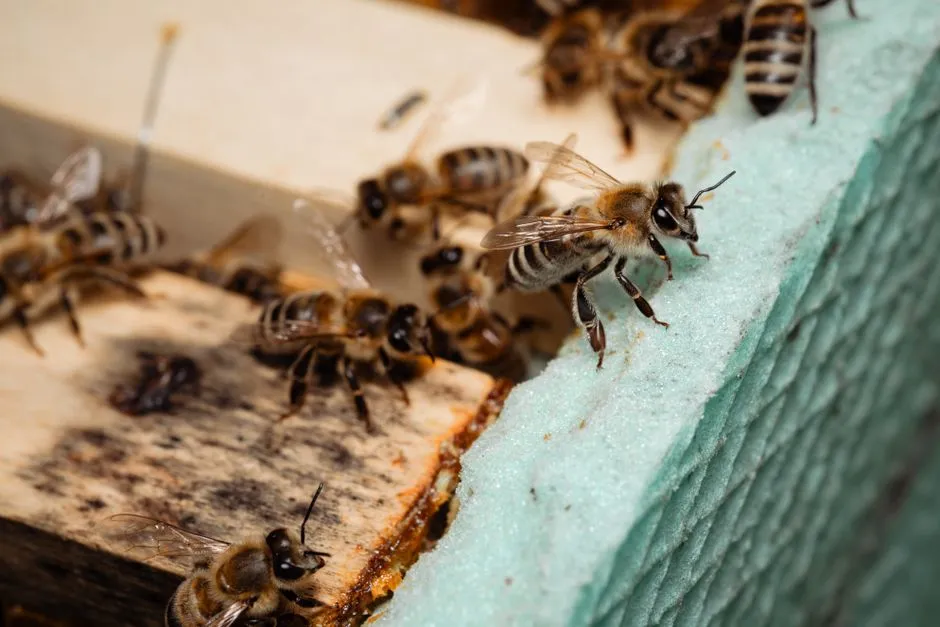
Male bees have to rough it. They shelter at night and in the rain or cold wherever they can find cover, often right in the flowers that provide them with food. Females can return to the nest, but males leave for good to mate with queens from other colonies. With no homes to return to, it’s no surprise these bees search out a flower for shelter, a snack, and a nap.
The Science of Bee Sleep
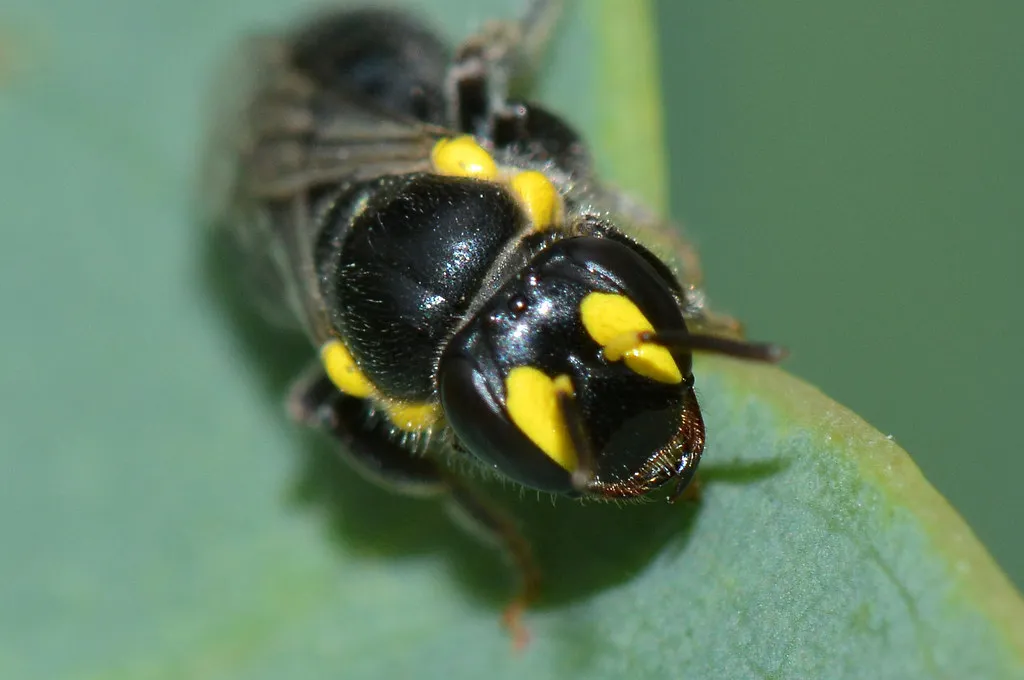
Bee sleep wasn’t studied scientifically until Walter Kaiser observed bee sleep-wake cycles in the 1980s. His research showed that sleeping bees stop moving their antennae, tuck in their head and tail, and let their wings rest against their body. During sleep, their metabolic processes slow down as well. Their antennae droop, their wings rest on their backs, and their legs fold under their bodies, dropping their heads and tucking in their tails. A 2024 preprint published on bioRxiv studying neuronal correlates of bee sleep confirmed that bees are commonly referred to as sleeping when they assume a typical body position with characteristically hanging antennae, and during these phases, responsiveness to external stimuli is reduced.
Flowers Offer Genuine Warmth and Shelter
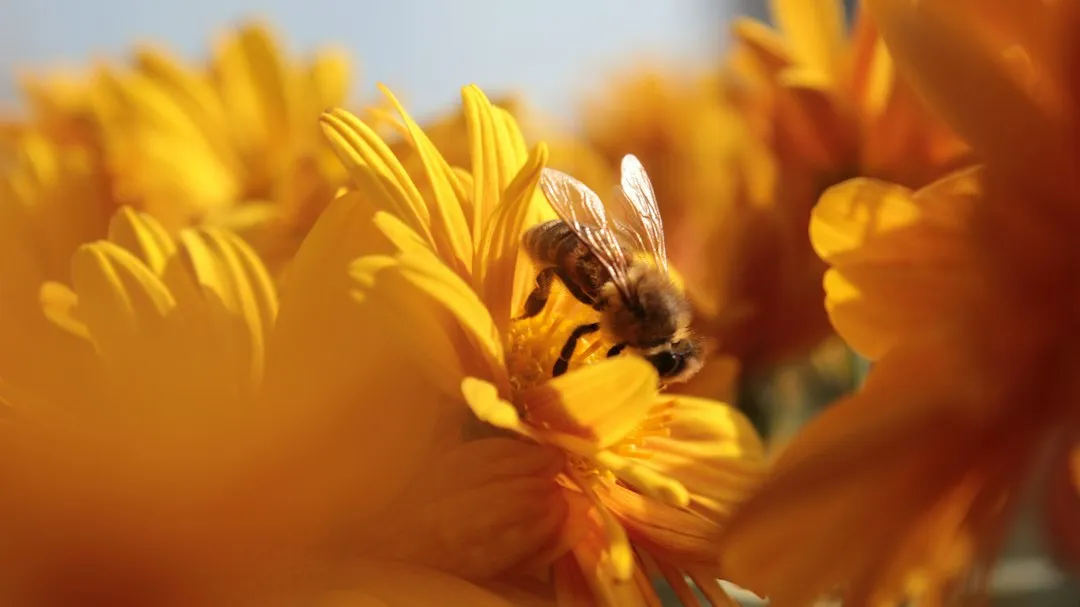
Bees sleeping outside the nest will sleep under a flowerhead or inside a deep flower like a squash blossom, where the temperature can be up to 18 degrees warmer close to the nectar source. Many blossoms tend to close up at night, creating a space that is warmer inside than the surrounding air. That thermal advantage is not trivial. Bees require a temperature of 50 degrees Fahrenheit or higher to fly easily without using up all of their nectar stores.
Sleeping Inside a Closed Flower Provides Protection
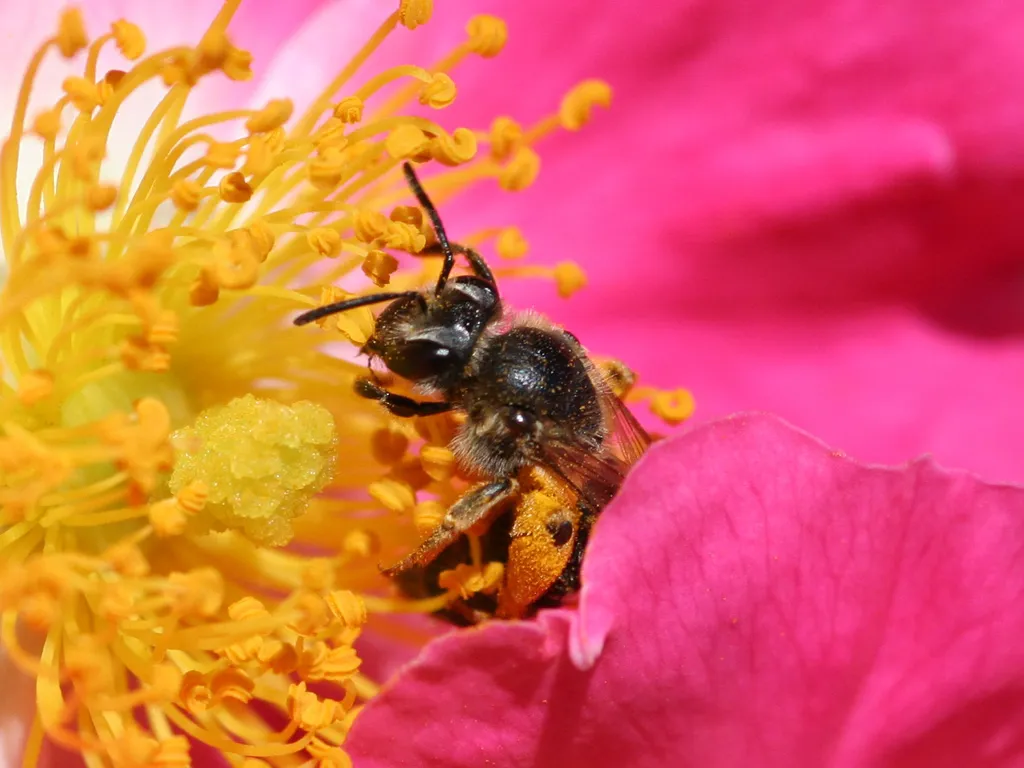
Bees also sleep in flowers that close up for the night, like the California poppy, which probably keeps them safe from predators. The choice of a sleeping site is rarely accidental. It is a calculated move driven by habitat selection instincts that prioritize thermal stability and protection from nocturnal predators like spiders or small mammals. The flower, in this sense, functions as a tiny shelter that doubles as a pantry, with nectar immediately available when the bee wakes.
Squash Bees, Long-Horned Bees, and Globe Mallow Bees
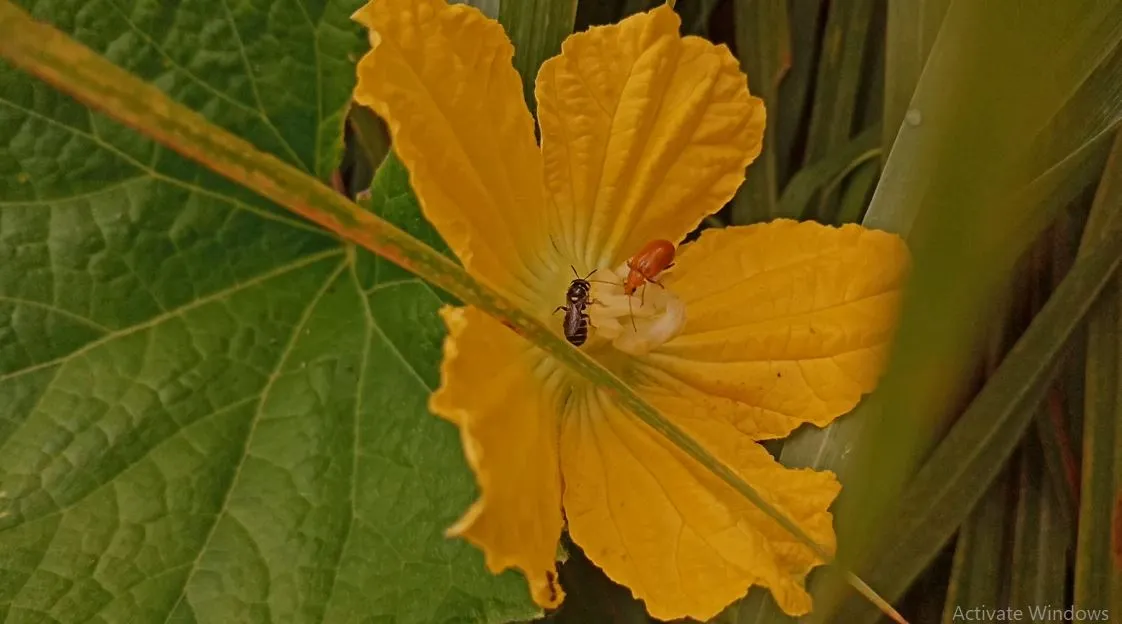
Squash bees are active in the early morning and often sleep in squash blossoms after a full day of pollination. In one California garden studied by the UC Berkeley Urban Bee Lab, researchers commonly observed aggregations of long-horned bees having a sleepover in the flowers, with up to 15 of them sleeping on one flower head. The globe mallow bee, known scientifically as Diadasia diminuta, sleeps in the orange flowers called Globe Mallows and collects pollen specifically from this plant.
Male Bees Sleep Near Female Foraging Sites on Purpose
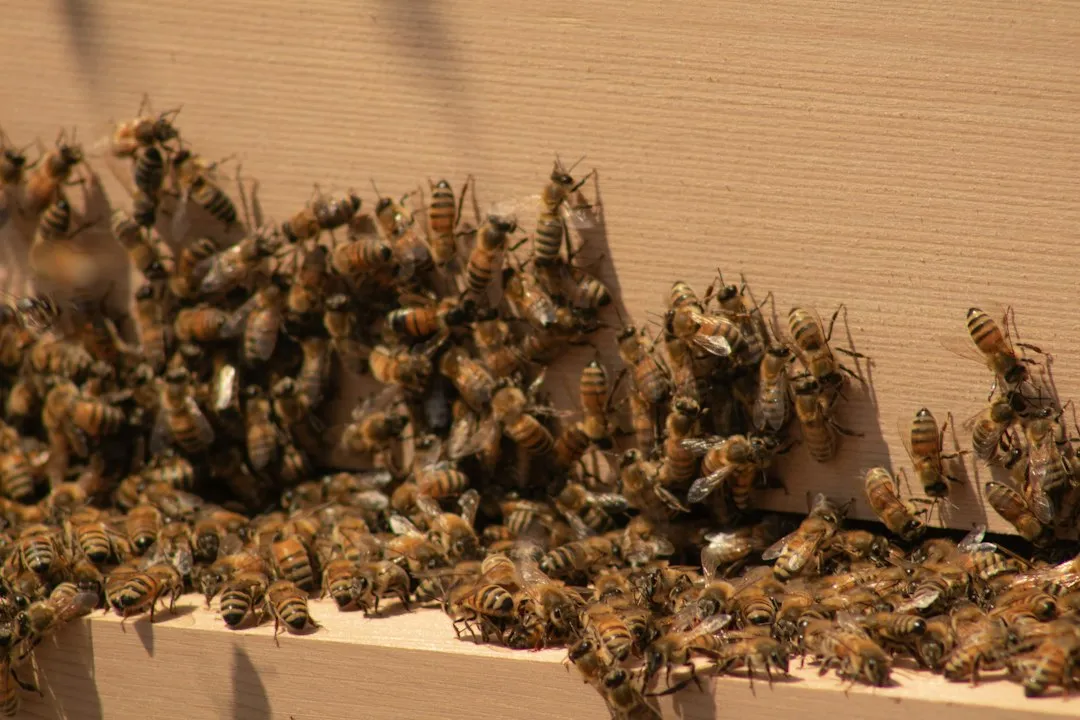
Males of solitary bees usually spend the night out of the nests. In the middle or late afternoon, they stop their patrolling behavior and move on to their sleeping places. Research published in the journal Arthropod-Plant Interactions found that flowers of certain Iridaceae species were the most sought by males, especially flowers that show high synchrony between blooming time and the activity period of the male bees, which are also the most visited by the females who are the main pollinators. Sleeping near preferred female foraging flowers is, in short, a mating strategy as much as a survival one.
How Bees Actually Hold On While They Sleep
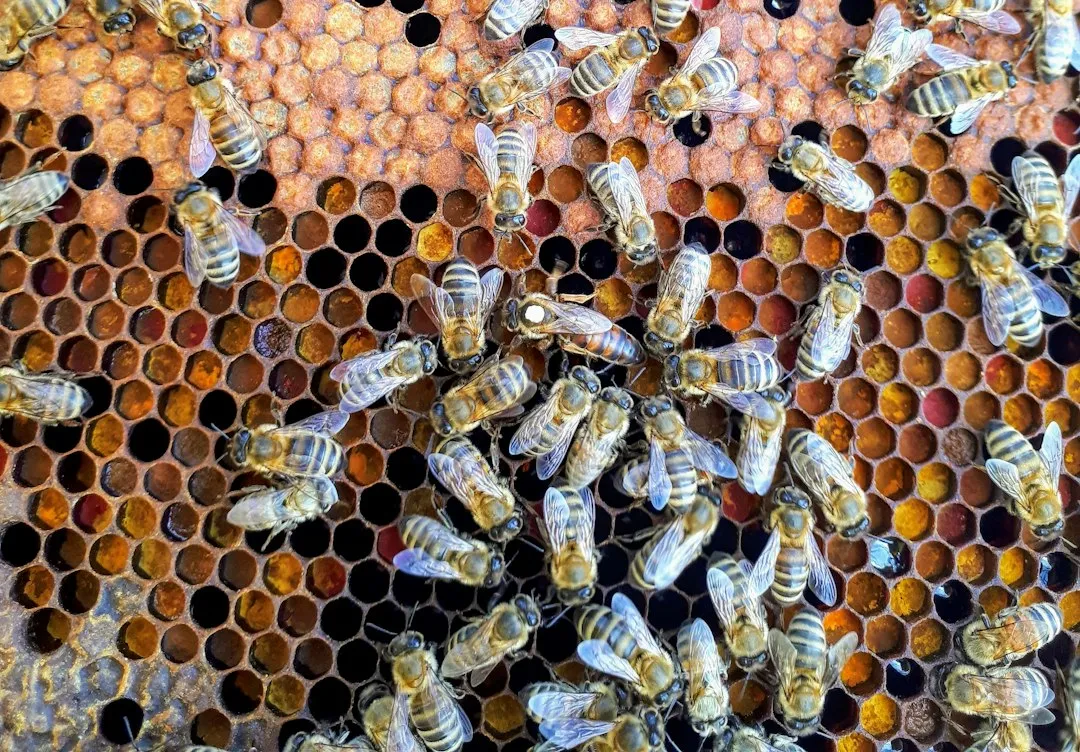
Bees sleep in odd positions because they hold on to their flower “beds” with their legs or mandibles, which are their movable lower jaws. This puts them face-first inside the flower. Some solitary bee species sleep by grasping the very end of a flower stem or twig only with their mandibles and may keep perfectly still until the following morning. When bees get tired, they show signs of fatigue such as lethargy and confusion, and researchers have even documented bees falling over sideways because they were so worn out.
Sleep Is Tied Directly to Memory and Navigation
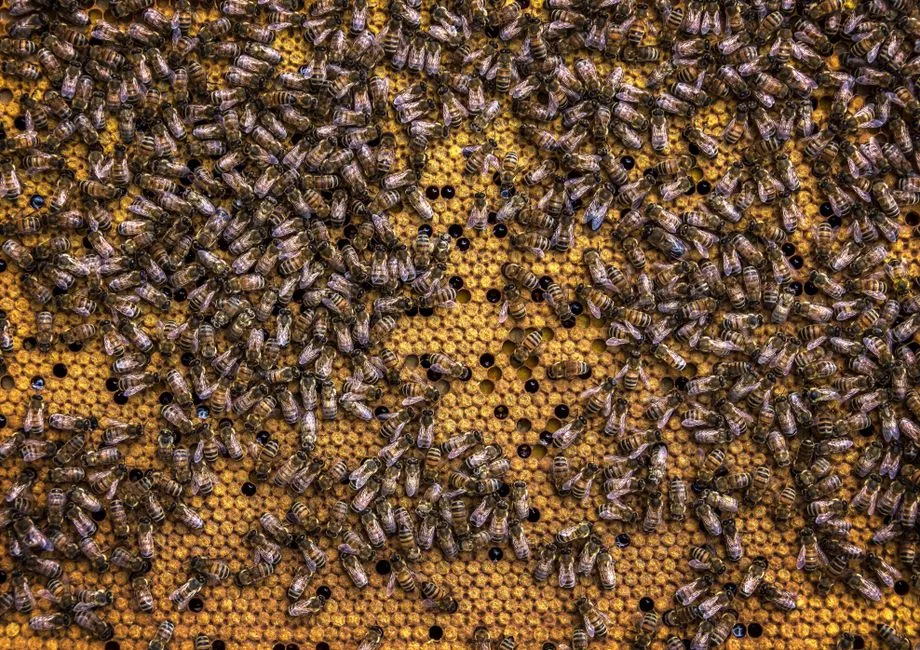
Sleep in bees is found to improve memory consolidation, while sleep deprivation affects memory extinction, reduces waggle dance precision, and is later compensated by increased sleep. Research published in the Proceedings of the National Academy of Sciences found that imprecision in a bee’s performance of the waggle dance could result in degraded transfer of information and a consequent decline in foraging efficiency for vital resources. When researchers disrupted bees’ sleep after a single navigation run, fewer than half of the sleep-deprived foragers made it home successfully, and those that did took more than twice as long as bees that had enjoyed an uninterrupted night’s sleep.
Artificial Light Is Disrupting Bee Sleep
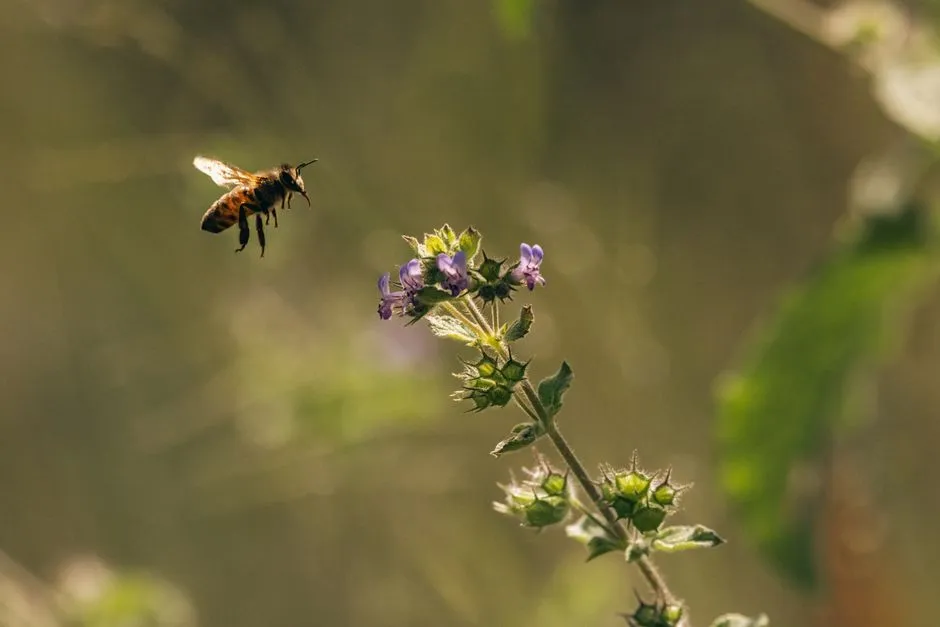
Researchers found that light from artificial sources like parking lots or floodlights disrupts the circadian rhythms for honeybees, which leads them to be less effective in communicating with each other and, therefore, less effective at pollination. While young workers dedicated to in-hive activity show an irregular pattern of sleep phases, foragers’ sleep is strongly linked to the circadian rhythm. This makes light pollution a genuinely relevant conservation concern, not just for habitat loss but for something as fundamental as a bee’s ability to rest, navigate, and communicate.
Final Thoughts
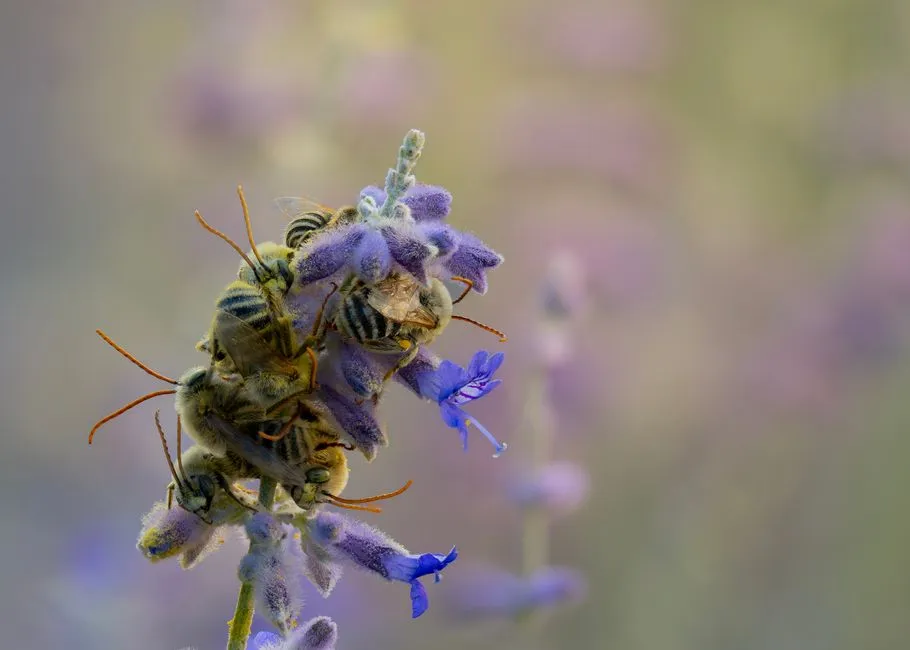
A bee sleeping inside a flower is not a quirky oddity. It’s a practical solution to real biological pressures: no nest, cold temperatures, predators, and the need to be exactly where the females will be at first light. The flower, for many bee species, is simply the most sensible place in the world to stop for the night.
What makes this behavior worth paying attention to is how it connects so many threads at once. Shelter, warmth, reproduction, and memory all converge in a single curled-up insect tucked inside a petal. It is estimated that one-third of the food we consume each day relies on pollination mainly by bees, which gives every quiet flower-bed nap a significance that quietly extends far beyond the garden.
AI Disclaimer: This article was created with the assistance of AI tools and reviewed by a human editor.