
What Is a Hypnic Jerk, Exactly?

Hypnic jerks, also known as sleep starts, are sudden, involuntary muscle contractions that occur during the transition from wakefulness to sleep. The name comes from “hypnagogic,” which refers to the drowsy state just before sleep fully takes hold. The jerk itself is usually brief, affecting the legs, arms, or the whole body at once.
A hypnic jerk is defined as a brief and sudden involuntary contraction of the muscles of the body which occurs when a person is beginning to fall asleep, often causing the person to jump and awaken suddenly for a moment. Hypnic jerks are one form of involuntary muscle twitches called myoclonus.
They are associated with a rapid heartbeat, quickened breathing, sweat, and sometimes a peculiar sensory feeling of shock or falling into the void. They can also be accompanied by vivid dream experiences or hallucinations.
How Common Are They, Really?

Around 70% of people experience them at least once in their lives, with 10% experiencing them daily. That makes hypnic jerks one of the most widespread sleep-related phenomena known to medicine, even though they rarely come up in routine medical conversations.
The authors of a 2016 study noted that hypnic jerks occur randomly and affect people of all ages. Additionally, the researchers found that 60 to 70% of individuals experience hypnic jerks, usually just as they are about to fall asleep. However, people who experience them do not usually have them every time they sleep.
Hypnic jerks occur at any age, but are more common among adults. In part, this may be due to the fact that some of their potential causes, such as caffeine consumption and elevated stress levels, are also more common in adulthood.
The Brain During That Fragile Transition
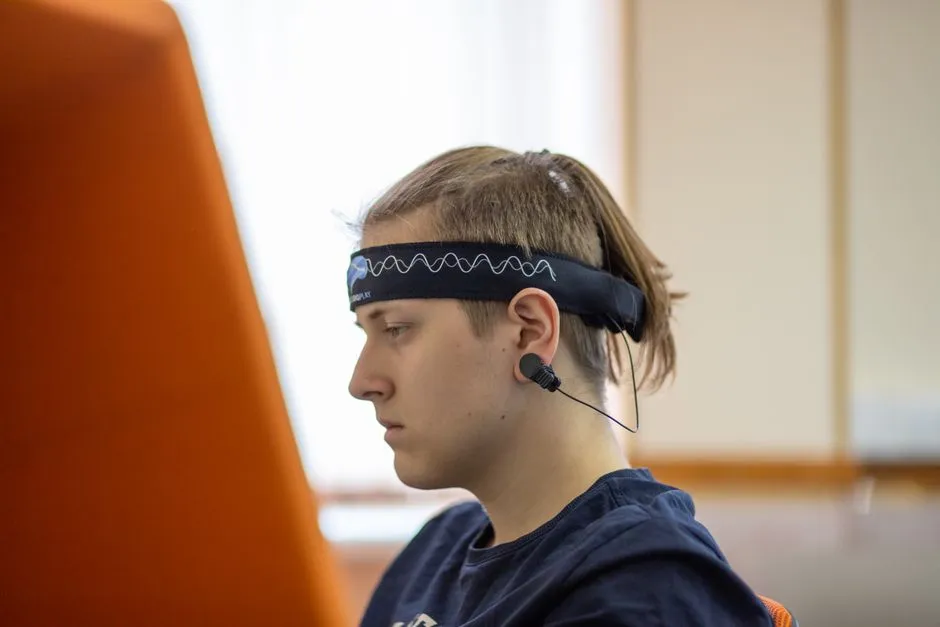
Your brain shifts from beta waves, associated with alertness, to alpha waves when relaxed, and then to theta waves when drowsy. The hypnic jerk occurs during the transition from Stage 1 NREM sleep to Stage 2 sleep. This is one of the most unstable moments in the entire sleep cycle.
The reticular activating system, the brain structure that keeps you awake, is powering down. It doesn’t shut off cleanly like flipping a switch. It sputters. During one of those sputters, it misreads the signal.
Electroencephalogram recordings show bursts of rapid neural firing just before a hypnic jerk occurs. This sudden spike resembles an arousal reaction where the brain briefly wakes up before settling back into deeper sleep stages. The whole event takes less than a second, but the brain’s misfire is real and measurable.
The Brainstem Misfire Theory
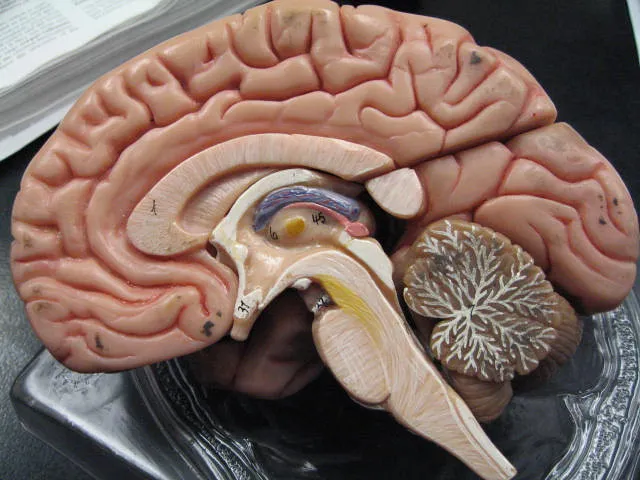
Hypnic jerks originate in the reticular brainstem, the same region that controls the startle response. During the transition to sleep, a brief misfire in nerve signalling between this region and the motor cortex produces the involuntary contraction. This is the most widely accepted mechanism among sleep researchers.
Doctors suspect that as you’re falling asleep, a misfire sometimes occurs between nerves in the reticular brainstem, creating a reaction that leads to a hypnic jerk. The reticular formation doesn’t cause harm, but it does produce that sharp, disorienting snap back to wakefulness.
Proprioceptive feedback also plays a role: sensory receptors within muscles detect changes in stretch or tension. When muscles relax rapidly upon entering sleep stages, altered feedback signals can provoke reflexive contractions resulting in hypnic jerks.
Why Your Brain Thinks You’re Falling

One explanation proposes that hypnic jerks function as a basic protective reflex: as the body relaxes, the brain interprets this complete muscle relaxation as a sign of falling. In response, it sends signals to the muscles to twitch, thereby preventing the sensation of falling.
As you fall asleep, your brain sends signals to relax your muscles. In some cases, the brain misinterprets the muscle relaxation as a sign of falling. A primitive startle reflex fires, jolting your muscles awake for a split second.
Many people experience it not just as a physical twitch but as a falling sensation, a flash of light, or a sharp internal sound. These sensory accompaniments are thought to arise from brief cross-activation between motor and sensory pathways during the vulnerable transition between wakefulness and sleep.
The Role of the Motor Inhibition System

As the brain transitions into sleep, descending inhibitory pathways, particularly GABAergic neurons in the ventrolateral preoptic nucleus, progressively silence the motor system. A hypnic jerk may represent a moment where that inhibition falters, allowing a burst of motor activity to escape.
As you enter Stage 1 NREM sleep, your brain waves slow down and muscle tone decreases significantly. This muscle relaxation is controlled by inhibitory neurons that suppress motor activity. Occasionally, this inhibition is incomplete or interrupted, leading to sudden muscle contractions.
Perhaps most interesting is the theory that hypnic jerks are the result of the body testing to see if sleep paralysis has taken effect. During REM sleep, the body is paralyzed in order to prevent a dreamer from acting out their dreams. Some scientists believe hypnic jerks occur when the brain sends electrical signals to muscles to test for this paralysis, but it has not completely set in.
What Makes Them Happen More Often

The American Academy of Sleep Medicine identifies a variety of potential causes for hypnic jerks, including anxiety, stimulants such as caffeine and nicotine, stress, and engaging in strenuous activities during the evening. Additionally, fatigue or sleep deprivation may contribute to their occurrence.
Hypnic jerks become more frequent and intense when the nervous system is already in a heightened arousal state, particularly under sleep deprivation, stress, high caffeine intake, or anxiety about sleep itself. The brainstem mechanism underlying hypnic jerks is more easily triggered when the sleep-wake transition is unstable or the arousal system is highly active.
A 14-day daily-diary study of 60 young adults, published in 2025, found that on higher-stress days sleep onset took longer, and that the association ran through cognitive arousal, a mind running, monitoring, anticipating, rather than physical arousal or pre-sleep heart rate. That finding matters: it’s not just about being tired; it’s about what your mind is doing as you try to let go.
Medications That Can Make Things Worse

Hypnic jerks are sudden, involuntary muscle contractions that occur during the transition from wakefulness to sleep. These typically benign but sometimes distressing movements have been linked to certain medications, particularly selective serotonin reuptake inhibitors, known as SSRIs.
Although SSRI medications are well known to disturb the normal sleep cycle and cause rapid eye movement sleep behavioral disorders, there were only a few case reports of them causing hypnic jerks, and those were reported due to escitalopram only. More recent case series have begun to expand that picture.
Known exacerbating factors include fatigue, psychological stress, vigorous late exercise, caffeine, and nicotine; some antidepressants, including SSRIs, have been reported to intensify hypnic jerks. If you’ve recently started a new medication and noticed more frequent jolts at bedtime, it’s worth mentioning to your doctor.
When Hypnic Jerks Become a Problem
Hypnic jerks are usually benign, but they can be intensified in certain situations, interfering with sleep onset and causing insomnia. The intensified hypnic jerks can cause chronic sleep deprivation, potentially resulting in depression as a consequence of neurochemical changes in the brain.
When they are particularly frequent and severe, hypnic jerks have been reported as a cause of sleep-onset insomnia. For a smaller group, the problem loops on itself: the jerk wakes them up, the anxiety about being woken up increases arousal, and the next attempt at sleep becomes even harder.
For a subset, particularly adolescents and young adults, frequent jerks can be an early sign of generalized epilepsy, especially when linked to sleep deprivation. If jerks are frequent, worsening, or associated with seizures, evaluation is appropriate. That said, the vast majority of people who experience hypnic jerks have nothing more serious going on.
What You Can Actually Do About Them

Hypnic jerks can be managed through reassurance, education, and lifestyle modifications. A small dosage of clonazepam was observed to be highly beneficial in severe cases, as evidenced by case reports. Medication, though, is generally considered a last resort for the most disruptive presentations.
Research and expert sources suggest maintaining regular, sufficient sleep and aiming for consistent sleep and wake times as a foundational step. Reducing caffeine in the hours before bed, managing stress through any method that actually works for you, and winding down gradually rather than going from screen to pillow in seconds are all reasonable starting points.
Most trigger advice about hypnic jerks is clinical observation rather than tested causation. Adjust what is easy to adjust; do not reorganize your life around it. That’s honest, grounded advice, and probably more useful than the overblown “sleep hygiene” checklists that treat every nighttime twitch as a crisis.
The Takeaway

The hypnic jerk is one of those experiences that feels alarming in the moment but turns out to be deeply, almost reassuringly, ordinary. One frequently repeated hypothesis is that the brainstem systems holding you awake hand over unstably at sleep onset, so a burst of activity reaches your muscles, though researchers conclude the origin remains genuinely unexplained. What is settled is the classification: a normal variant, not a disorder.
Science has mapped out much of what happens during that half-second of chaos, from the reticular brainstem firing to the GABAergic pathways momentarily losing their grip. What it hasn’t fully explained is why the timing goes wrong when it does. That uncertainty isn’t a gap in medicine so much as a reminder that even the simplest acts of human biology, like falling asleep, are more complex than they appear.
If it happens to you tonight, you’ll know what it is. That alone tends to make it a little less startling.
AI Disclaimer: This article was created with the assistance of AI tools and reviewed by a human editor.