
What Actually Happens When a Tree Splits
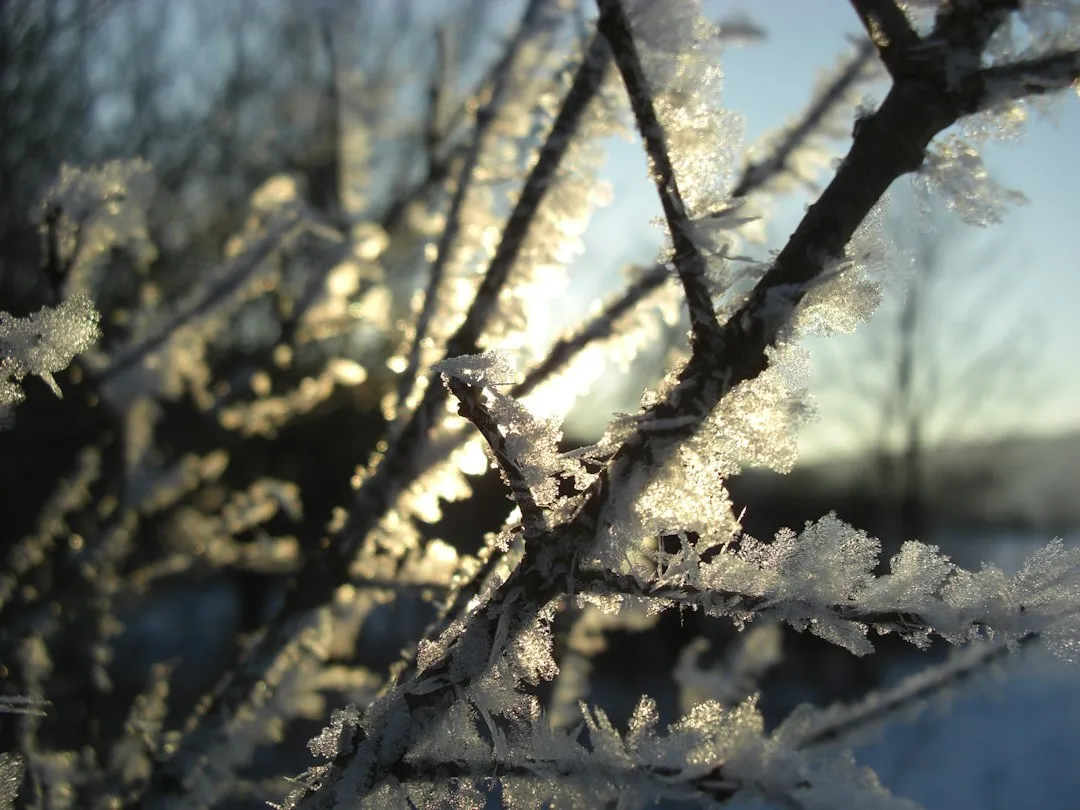
What actually happens is a frost crack: a sudden, vertical split along the trunk driven by physics, not combustion. When temperatures drop very quickly, the sap inside a tree can freeze, and because frozen sap expands, it puts pressure on the tree from the inside, while the outer bark cools and contracts faster than the inner wood.
This mixture of internal pressure and uneven cooling can cause the trunk to suddenly split, producing a sharp, startling sound that echoes through a quiet winter night. Despite the nickname “exploding trees,” this is not dangerous and does not pose a risk to the public. Trees do not blow apart or send debris flying. In most cases, the tree remains standing and stable, and the crack itself is often more startling than harmful.
The Temperature Threshold That Triggers the Split
A frost crack usually appears as a long vertical split along the trunk, and frost cracks are most likely during arctic outbreaks when temperatures fall 10 to 20 degrees or more in just a few hours. Temperatures need to be extremely cold for sap to freeze, with the ideal threshold below minus 20 degrees, which is generally the freezing point of sap, though certain varieties with less sugar content freeze more easily at a higher temperature.
When temperatures drop below 15 degrees Fahrenheit, frost cracks may form due to the shrinking and expansion of wood in relation to water movement and ice formation. The colder it gets, and the faster it gets there, the more likely a split becomes. A gradual freeze rarely causes this kind of structural failure.
The Role of Sunny Winter Days
During winter days, sunlight warms the bark and outer layers of tree trunks, especially on the southern side of a tree, and when night falls, temperatures can drop quickly, causing the warmed tissue to cool and contract. This sequence, a warm sunny afternoon followed by a plunging overnight temperature, is the classic setup for a frost crack.
In winter, sunny days with warm temperatures heat up the tree’s bark and its internal layers near the bark’s surface, causing them to expand. The warmer the temperatures get and the longer the warming lasts, the deeper the warming extends into the tree’s tissues and the more the bark and wood expand. That deeper warming makes the subsequent cold shock far more severe.
The Physics of Unequal Contraction
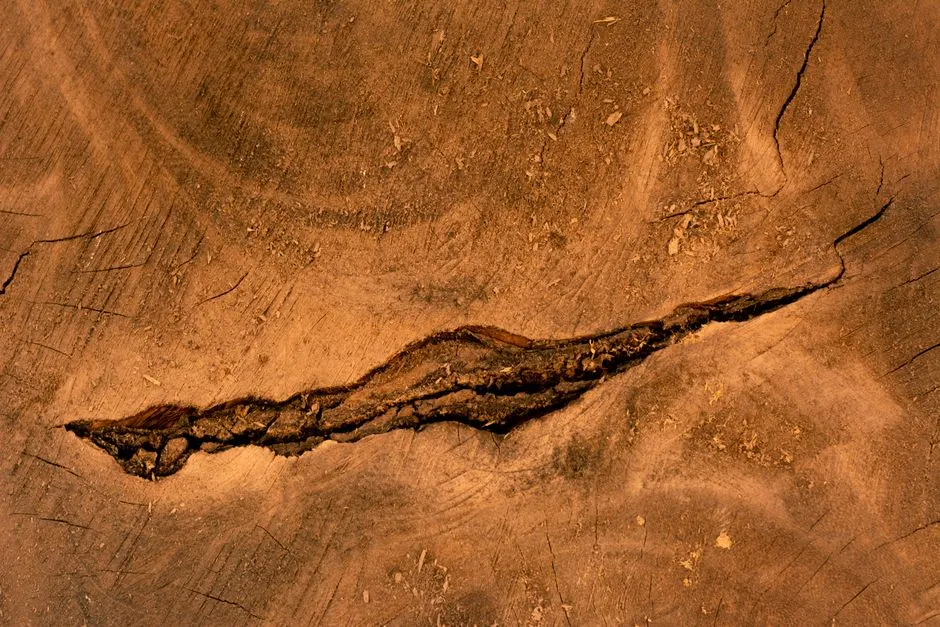
If the contraction of outer layers happens faster than inner layers, resistance can cause stress that may exceed the strength of the wood fibers, resulting in a split. On very cold days, the core of a tree remains relatively warm compared to its rapidly contracting outer cylinder, and this restriction of bark and outer vascular tissues results in tension and splitting.
Around the theoretically stable stem, the shrinking outer ring stretches itself and breaks when stretched only about one percent. That is a remarkably small margin. In intact stems, tangential tension increases as temperature drops, and the stem may finally crack. The colder the stem, the more likely the frost cracking, and the wider the crack.
Why Prior Wounds Make Trees More Vulnerable
Research by Butin and Shigo (1981), published as USDA Forest Service Research Paper NE-478, found that frost cracks are most frequently associated with other, preexisting wounds such as old branch stubs or basal sprout stubs. In other words, cracks are not random but occur at the site of previous wounds and flaws.
The reason why some trees frost-crack while others do not appears to be the notch effect of earlier injuries in the first place, as well as pockets of unusually wet wood in the stem. Previous defects such as healed wounds and branch stubs in tree trunks function as stress raisers that trigger the frost cracking. A tree that looks perfectly healthy on the surface may carry internal vulnerabilities it accumulated years earlier.
Which Tree Species Are Most at Risk
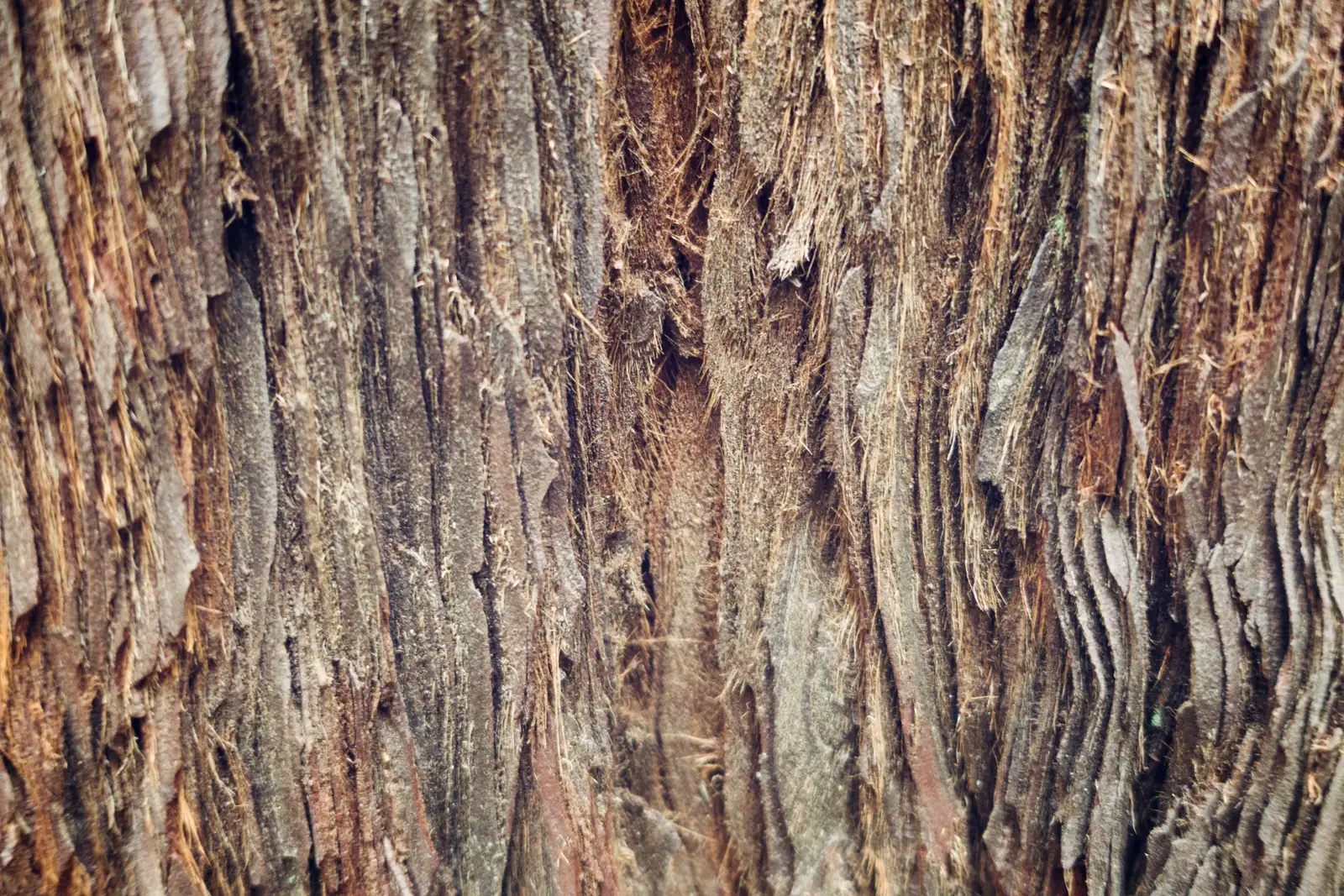
Some trees are more susceptible to frost cracking than others, and thin-barked trees are especially vulnerable because the thin bark provides less insulation against temperature fluctuations than thicker bark does. Certain tree species, such as maple, ash, oak, linden, aspen, and fruit trees, are more prone to frost crack damage, due to variations in bark thickness, moisture content, and growth characteristics.
Regardless of the species, young trees are more susceptible because their bark is also thinner. Mature trees with thicker trunks experience greater temperature differentials between inner and outer wood, making them more prone to frost cracks. So both very young trees and large, old specimens carry real risk, just for slightly different reasons.
The Sound It Makes and Why People Mistake It
Frost cracks occur suddenly, can be several feet long, and are often accompanied by a loud, rifle-shot sound. That difference in contraction rates creates intense internal stress, and when the pressure becomes too much, the wood can suddenly split, producing a loud cracking or popping sound that many people describe as a gunshot or fireworks.
Accounts of exploding trees date back to the 19th century, with loggers in Siberia reporting similar sounds during brutal winters. Modern science attributes this to the same freezing dynamics, but today’s monitoring tools, like acoustic sensors in forests, provide data for better predictions. The sound is real and genuinely alarming, even to people who know exactly what caused it.
How Frost Cracks Affect Long-Term Tree Health
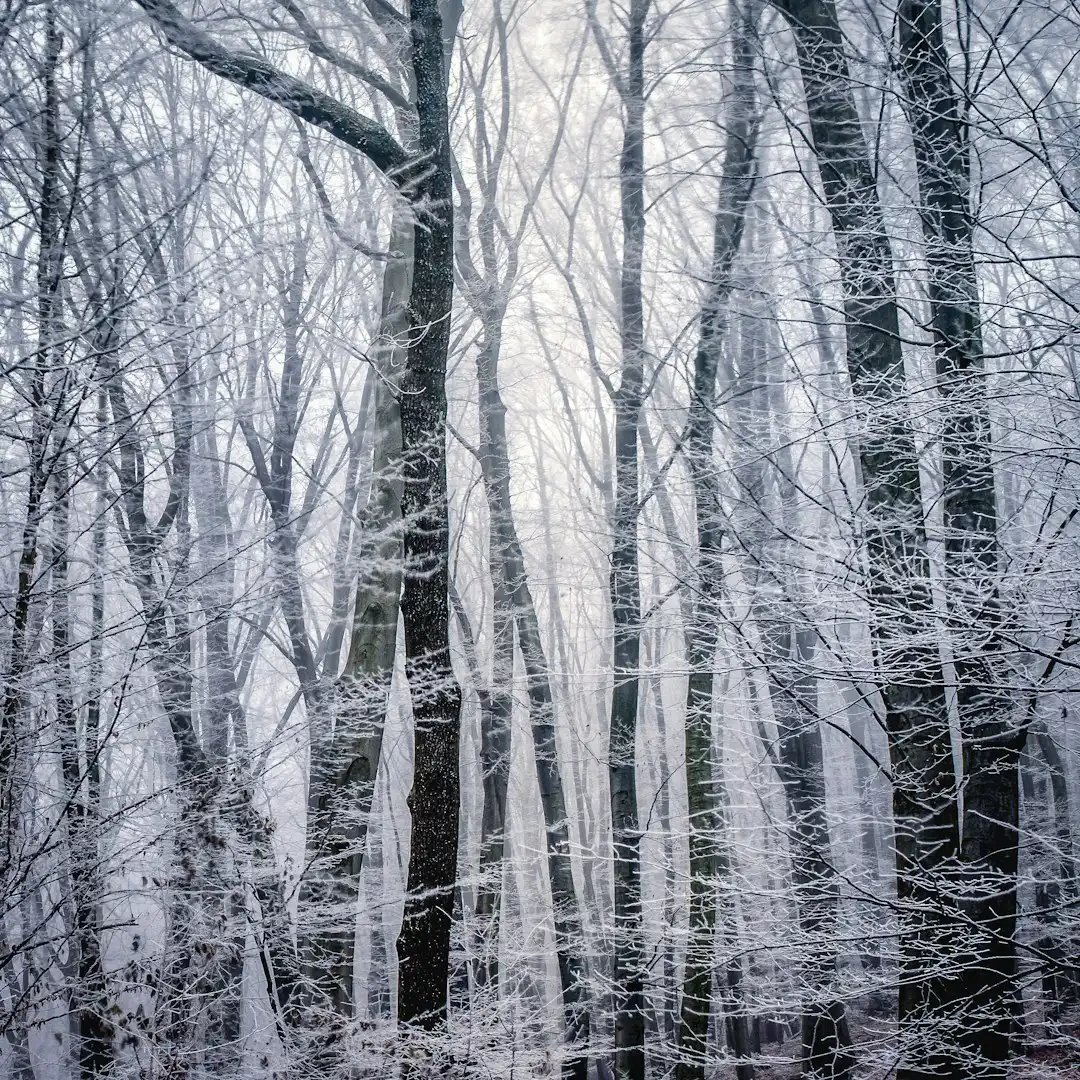
Frost cracking is a challenge to trees because it is a wound that breaks the protective seal of the bark, opening the interior up to moisture, fungi, bacteria, and insects, thereby increasing the risk of decline. If a tree suffers from small, infrequent cracking, it can survive and seal the split over time. When repeated cracking occurs at the same site, the prolonged exposure and severity of the damage can weaken the tree structurally, resulting in increased susceptibility to breakage.
Frost cracks can be up to several feet long and may heal in the summer only to reopen again the following winter. Repetitive cracking and healing over the years can result in the formation of what are called “frost ribs.” These ridged scars along the trunk become a permanent feature of the tree’s exterior, recording each season of stress in wood and bark.
Can the Damage Be Repaired?
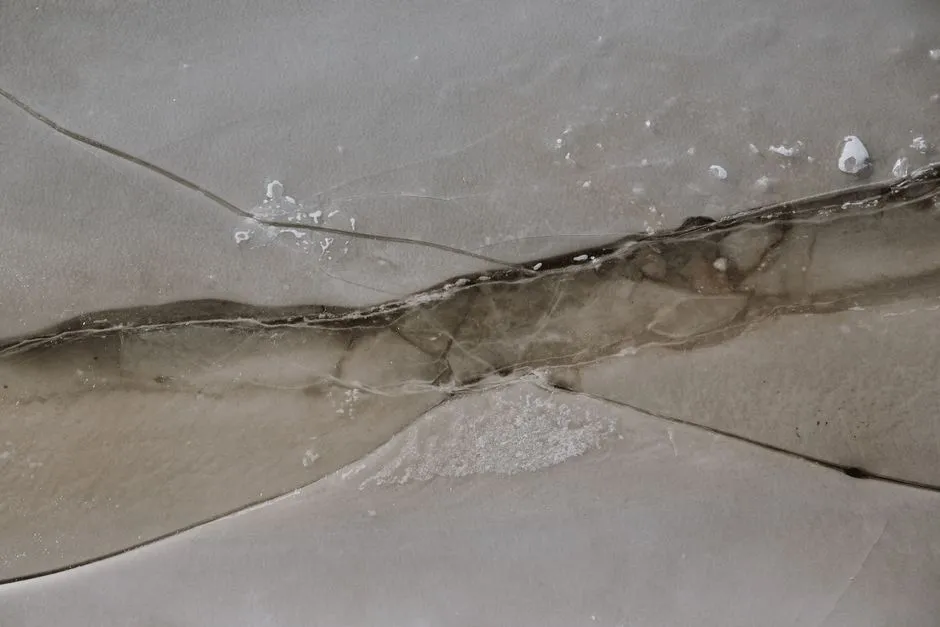
Frost cracks are essentially permanent and cannot be repaired. However, a tree can live with a frost crack. Though they may never fully seal up, the tree may attempt to form a callus along the crack over time, and subsequent temperature changes can cause the wound to reopen.
Wound paints or tar applied to the crack actually interfere with healing and should be avoided. Most tree species try to seal the edges of wounds by forming a callus, and the wound’s edges begin to form this callus during the first growing season after the crack appears. The callus layer will continue to grow, and after many years, the wound may close over entirely.
How to Reduce the Risk for Trees You Care About
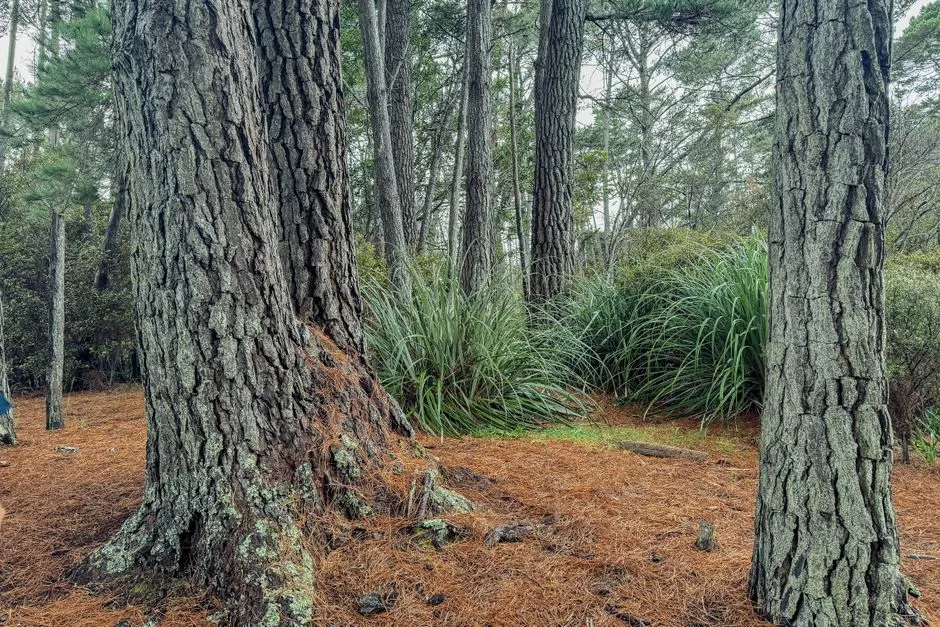
Tree wraps applied in the autumn, before temperatures freeze, and removed in the spring once nighttime temperatures remain above freezing, can help protect vulnerable trees. Prioritizing young trees makes the most sense, since older trees have developed thicker bark that is more resistant to temperature fluctuations and cracking.
Avoiding wounds to the tree’s stem is critical. One of the main causes of frost cracks is a flush-cut pruning wound, or any accidental wound to a young tree’s trunk. Hydrating trees prior to winter also matters, since trees that enter winter under moisture stress are more vulnerable to winter injury. Simple, careful stewardship through the growing season genuinely reduces the odds of a damaging split come January.
A Natural Process Written Into the Wood
Frost cracking is neither a new threat nor a sign that something has gone badly wrong with a tree. It is one of winter’s older phenomena, recorded by Siberian loggers centuries ago and studied by forest pathologists for decades. The mechanics behind it, freezing sap, unequal contraction, and the amplifying effect of old wounds, tell a story about how much physical stress a living tree quietly absorbs.
What’s worth remembering is that most trees survive it. They callus, close, and carry on. The frost rib that forms along a cracked trunk is, in a way, a record of endurance. Every winter that pushed the wood to its limit, and every spring it held together anyway, is written right there in the bark.
AI Disclaimer: This article was created with the assistance of AI tools and reviewed by a human editor.