

There’s a moment almost every adult child knows. You’re visiting your parent, the conversation feels normal enough, and yet something tugs at you. You walk into the kitchen, open the refrigerator almost by instinct, and stop. What’s staring back at you tells a story no phone call ever could.
The refrigerator is, in many ways, one of the most honest windows into how an older person is managing their daily life. It reflects appetite, memory, motivation, and physical capability all at once. Caregiving experts and geriatric health professionals have increasingly recognized this simple household check as a meaningful informal assessment tool worth taking seriously.
A Landmark Study That Started It All
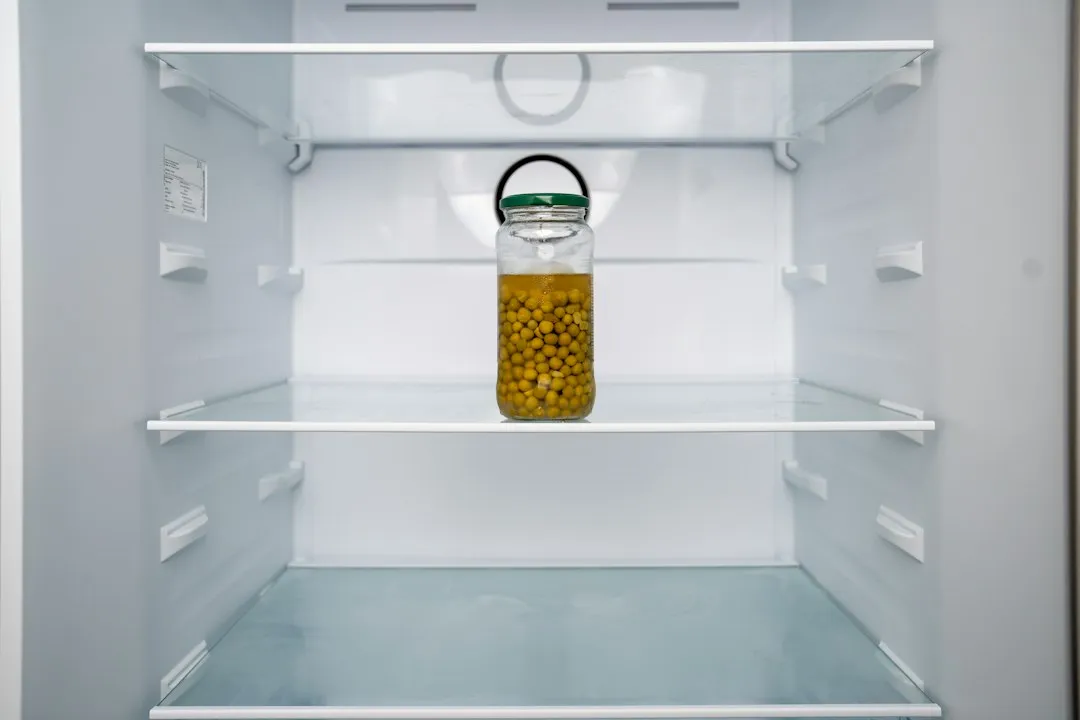
Researchers formally explored whether the refrigerator contents of elderly people could be related to subsequent hospital admission, assessing 132 patients aged over 65 years with a thorough evaluation of what was actually inside their fridges. The results were striking. Elderly people with empty refrigerators were admitted to hospital more frequently in the month after assessment, and were admitted three times sooner than those who did not have empty refrigerators, at 34 days versus 100 days. That single finding turned a common-sense observation into something clinically meaningful.
An Empty Fridge Is Not Just About Hunger
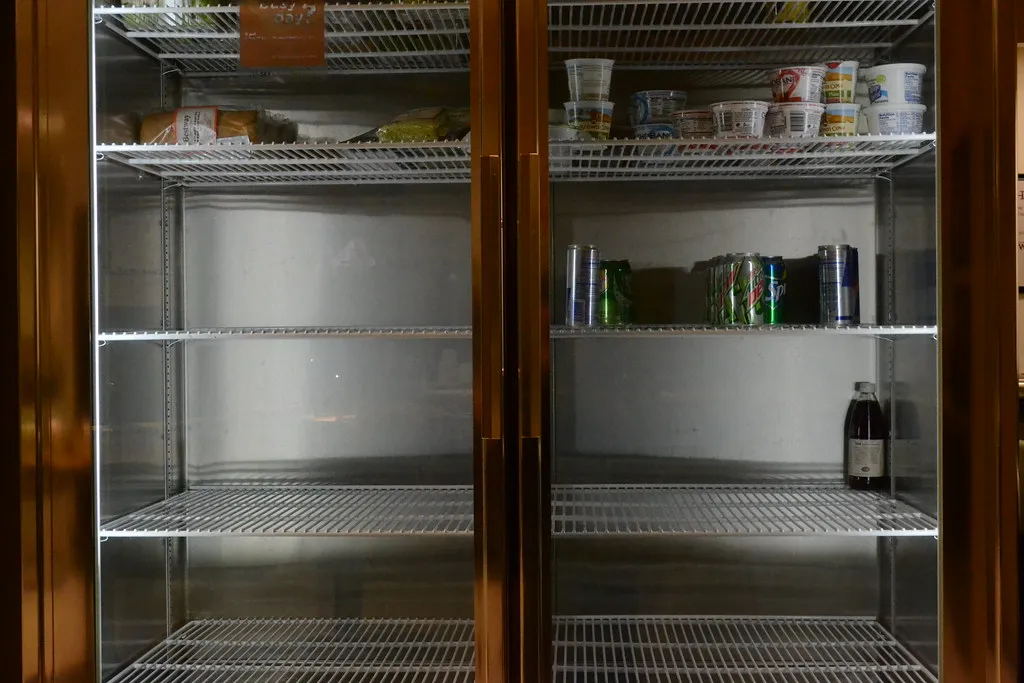
Malnutrition does not solely happen to seniors who suffer from hunger or who do not have access to healthy food. Older adults are more likely to have chronic conditions that put them at risk. An empty or near-empty refrigerator can signal that grocery shopping has become too physically demanding, that motivation has collapsed, or that cognitive changes are interfering with meal planning.
Weight loss in older adults could stem from difficulty preparing meals, loss of appetite due to mood changes, dental problems, or underlying health issues. If a parent’s clothes seem looser or their fridge looks emptier than usual, it may be an early sign that daily activities like grocery shopping and cooking have become a challenge. That’s an important distinction. The fridge isn’t just measuring food. It’s measuring function.
Expired and Moldy Food: A Red Flag for Memory

Spoiled food in the fridge and laundry piling up can be a sign of forgetfulness, an early symptom of dementia. When a parent who used to keep a tidy kitchen suddenly has containers of forgotten leftovers pushed to the back, or milk that expired weeks ago still sitting on the shelf, the pattern deserves attention. It isn’t carelessness. It often means something more.
Early cognitive decline shows up as change from a person’s own baseline, including struggling with familiar complex tasks such as finances, recipes, and routes. Occasional forgetfulness is normal aging; a pattern of change that others notice is the signal to get evaluated, particularly because some causes, including depression and medication effects, are reversible. The fridge can be the first place that pattern becomes visible.
The Scale of Malnutrition in Older Adults

One out of two older adults is at risk for malnutrition or is already malnourished, and 16 percent of independent older adults are at high risk for malnutrition. These numbers are sobering, especially because malnutrition in older people so often goes unnoticed. Roughly 7 million Americans aged 60 and over faced food insecurity in 2022, and about one in every two older adults is at risk for malnutrition.
The increased health care costs to the U.S. for disease-associated malnutrition in older adults is more than 51 billion dollars each year. That figure puts the stakes in perspective. A simple fridge check, done regularly, could be one of the lowest-cost early warning tools available to families.
What a Well-Stocked Fridge Actually Looks Like

A healthy fridge for an older adult isn’t about variety for its own sake. It should contain fresh or recently purchased foods, some protein sources, fruits or vegetables, and drinks. It’s crucial for older adults to get the right amount of fluids, protein, and key nutrients like calcium and vitamin D, while also limiting salt and saturated fats, which can contribute to conditions like high cholesterol and high blood pressure. When those basics are consistently missing, that’s the signal.
Caregivers should look for signs like very little food or no food at all, or food that is old, expired, or moldy. Beyond the contents themselves, look at the organization. A once-neat parent whose fridge has become chaotic or whose leftovers are unlabeled and forgotten may be showing early signs of executive function decline.
The Link Between Isolation and the Empty Shelf
Social isolation and loneliness have been linked to higher risks for a variety of diseases and conditions, including heart disease, depression, cognitive decline, and Alzheimer’s disease. Loneliness also changes eating habits. When there’s no one to eat with, the motivation to cook a proper meal often disappears entirely. A sparse refrigerator can be a direct reflection of a shrinking social world.
Reduced food intake is the main reason for malnutrition and may be due to decreased appetite, discomfort or nausea, chewing and swallowing problems, disability, cognitive impairment, or emotional and social conditions such as loneliness. When loneliness and depression converge, even the act of grocery shopping can feel pointless to an older person living alone.
Depression Hides in the Kitchen Too
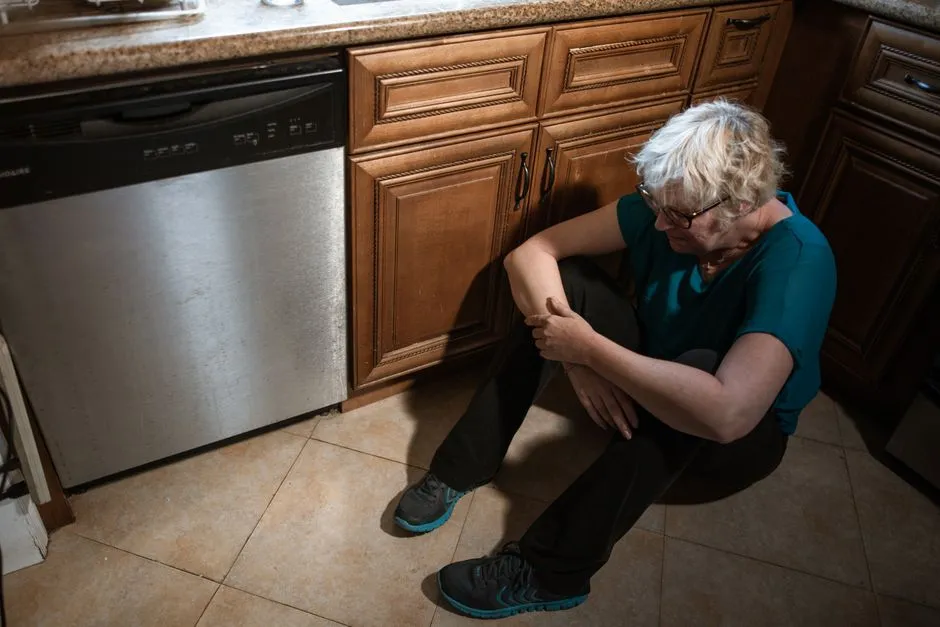
If older adults have suddenly switched from home-cooked meals to frozen dinners, it could be a side effect of declining health. Older adults may struggle with the cognitive skills and memory needed to plan a meal, drive to the grocery store, and buy the correct items, and they might also lack the physical energy needed to prep, cook, and wash up. Depression is another driver that often gets missed entirely.
There comes a point, especially with older adults, when eating less becomes not eating enough and can lead to malnutrition. There are several reasons why someone might not be eating properly, from difficulty chewing with dentures to depression or loneliness. A refrigerator stocked only with condiments and a few cans of soda, in a parent who once cooked elaborate meals, is telling you something clearly.
What to Look for Beyond the Food Itself

If trash pickup has not happened yet, take a quick glance inside the garbage to see if there is evidence of recent meals, food preparation, or grocery purchases. The kitchen as a whole provides context. Are there pots being used? Is the stovetop clean because nothing is being cooked, or clean because it was wiped down recently? Looking around the kitchen itself to see whether signs of cooking are still happening adds important texture to what the fridge alone reveals.
Caregivers should also check for unopened mail lying around, piles of laundry, or an overflowing hamper, as expired or moldy food in the fridge, or very little food at all, can be signs that a loved one needs help with household tasks, errands, or meal prep. Each of these clues compounds the others. None should be read in isolation.
When to Bring It Up Without Starting a Fight

Raising concerns about what’s in a parent’s fridge can feel intrusive. Most older adults value their independence deeply, and any suggestion that they aren’t managing well can trigger defensiveness. The most effective approach is to frame the conversation around the food itself rather than around decline. Offer to go grocery shopping together, or suggest cooking a meal as a way to spend time, not as an intervention.
Signs of senior cognitive decline are ongoing changes in memory, thinking, or behavior that go beyond normal aging and begin to affect daily life, and the distinction lies in consistency. If you notice consistent patterns across multiple visits, that’s the moment to speak with their doctor directly, with or without your parent present, depending on the circumstances.
Turning the Fridge Check into a Habit

The fridge check works best as a quiet routine rather than a dramatic inspection. Every visit, every casual stop in the kitchen, is an opportunity to take note without making anyone feel scrutinized. Malnutrition is common in older adults and is closely associated with frailty, playing a key role in its development. Catching the warning signs early, before weight loss becomes severe or a hospital visit forces the conversation, is where families can make the most difference.
Limited knowledge, interest, or attention by health professionals about nutrition and risk of malnutrition is a major reason for the condition being undiagnosed and for treatment interventions starting too late. Family members who visit regularly are often better positioned than any clinician to catch these early signs, precisely because they know what normal looks like for their parent. That familiarity is the real diagnostic tool. The fridge just makes it visible.
Final Thoughts

No single visit, no single glance into a refrigerator, gives you the full picture of how someone is doing. What the fridge check offers is a reliable thread to pull. It cuts through reassurances and politeness in a way that conversation sometimes can’t.
The research, the clinical patterns, and the experience of countless caregivers all point in the same direction: paying attention to the small, domestic details of an older parent’s life matters enormously. A well-stocked refrigerator is a quiet sign that someone is managing. An empty or neglected one is an equally quiet plea for help. Learning to read the difference is one of the most practical things an adult child can do.
AI Disclaimer: This article was created with the assistance of AI tools and reviewed by a human editor.