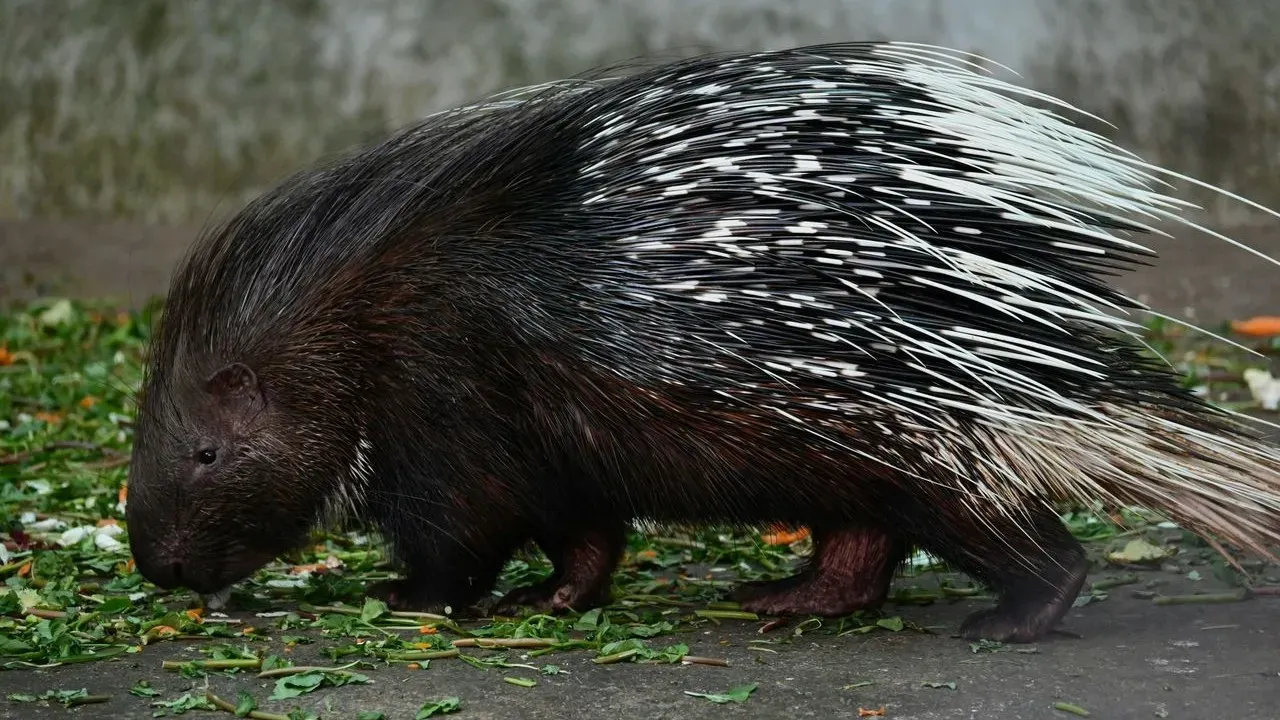

Austin, Texas – Austin Wildlife Rescue marked a quiet success this week with the return of one of its recent charges to the local landscape. The organization announced the release of a porcupine it had treated for an injury. The animal, described in updates as a “prickly patient,” is now back in its natural habitat after completing rehabilitation.
Rehab Center Marks Routine Win
Wildlife rehabilitation groups in growing urban areas often handle cases that blend medical care with the need to restore animals to self-sufficient lives. Austin Wildlife Rescue operates as one such facility, focusing on native species that encounter trouble near developed zones. The recent porcupine case followed standard intake, treatment, and release protocols used for similar patients. The center shared details of the outcome through its usual channels, noting the animal had received care for a mouth wound. Staff emphasized the straightforward nature of the recovery before the release took place on Wednesday. Such efforts help maintain local populations of small mammals that contribute to forest and woodland ecosystems.
Details From the Release
The porcupine entered care after the wound was identified, and treatment addressed the issue without complications. Once healed, the animal met the benchmarks for release, including the ability to forage and navigate independently. Austin Wildlife Rescue posted a brief message wishing the patient well in its return to trees and bark. Local wildlife centers track these cases to understand patterns in injuries that affect species like porcupines. Mouth wounds can stem from various encounters, though specific causes for individual animals remain private. The successful outcome adds to the center’s record of returning treated animals to the wild.
Role in Local Wildlife Care
Facilities like Austin Wildlife Rescue fill a gap between public reporting of injured animals and professional intervention. They coordinate with residents who spot wildlife in distress and provide the specialized handling required for safe recovery. Releases such as this one demonstrate the practical results of consistent rehabilitation work. The organization continues to accept new patients while monitoring previously released animals where possible. Community support through donations and awareness helps sustain these programs amid expanding city boundaries. Each completed case reflects the steady, behind-the-scenes effort required to keep native species viable in the region.
AI Disclaimer: This article was created with the assistance of AI tools and reviewed by a human editor.