

The One Storage Mistake That Keeps Causing Harm

The mistake isn’t forgetting to close the lid. It’s removing laundry pods from their original child-resistant packaging and placing them into decorative containers. Child safety experts raised the alarm on this as a growing social media trend, warning that storing chemicals in decorative containers could be putting young kids at serious risk.
Over a four-year period, researchers found nearly 800,000 mentions or displays on social media of people taking laundry packets out of their original containers and putting them into clear jars. A survey found that roughly a third of Americans believe putting gel laundry pods in decorative containers can enhance their laundry space, and about one in eight already do so.
Original containers incorporate child-resistant closure mechanisms tested to meet Consumer Product Safety Commission standards. Decorative jars, by contrast, typically feature simple lift-off or twist-off lids with no resistance features at all.
How Often Poison Control Is Actually Called
In the most recent three years of a major study published in Clinical Toxicology, U.S. poison centers received 36,279 calls related to liquid laundry detergent packet exposures, an average of one call every 44 minutes. That frequency is striking. It’s not a rare event. It’s happening constantly.
As of late February 2024 alone, poison centers had already managed 1,423 cases related to laundry detergent packet exposure in children five and younger that year. The vast majority of all exposures involved children younger than six, and nearly all of them occurred at home.
Why Children Are So Drawn to Laundry Pods
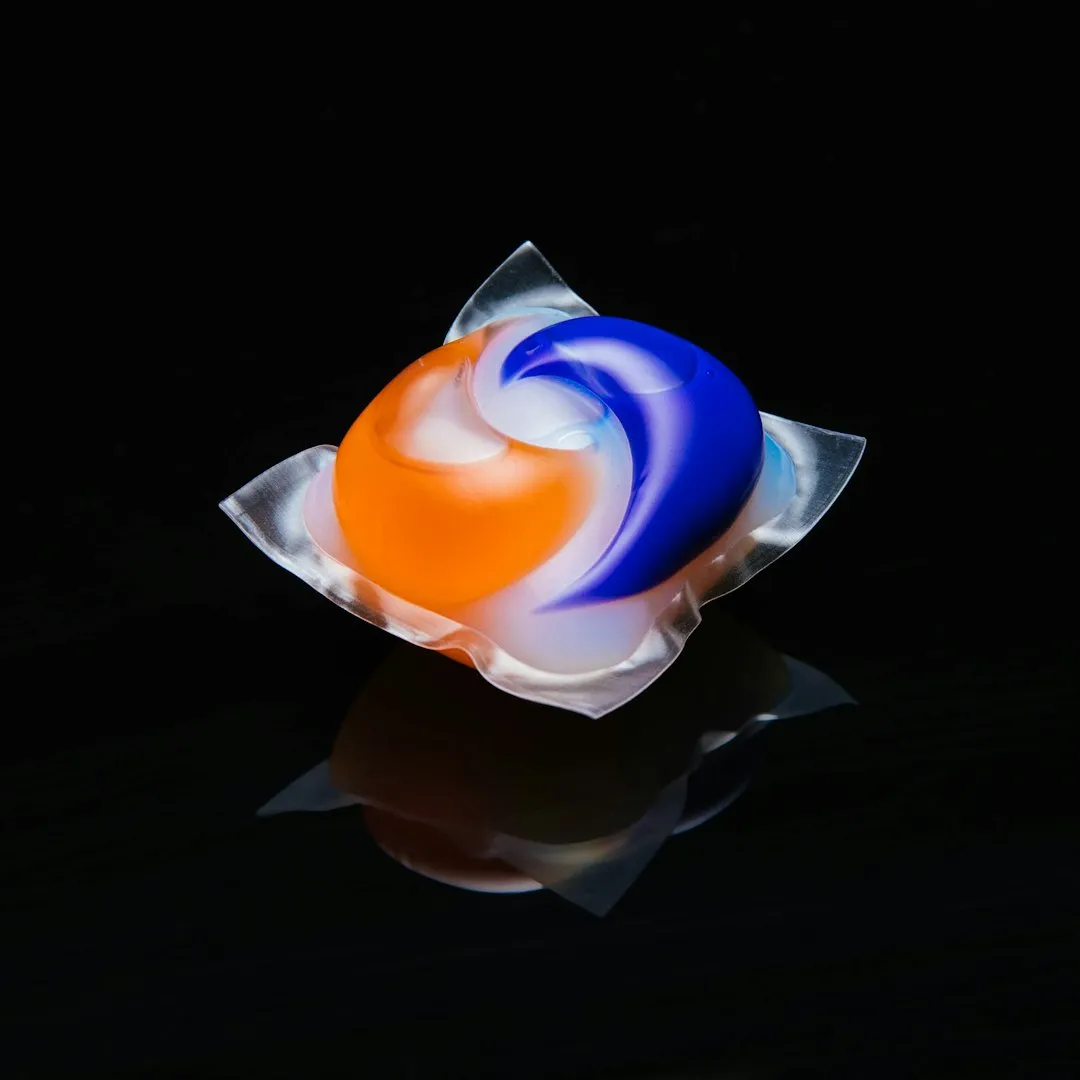
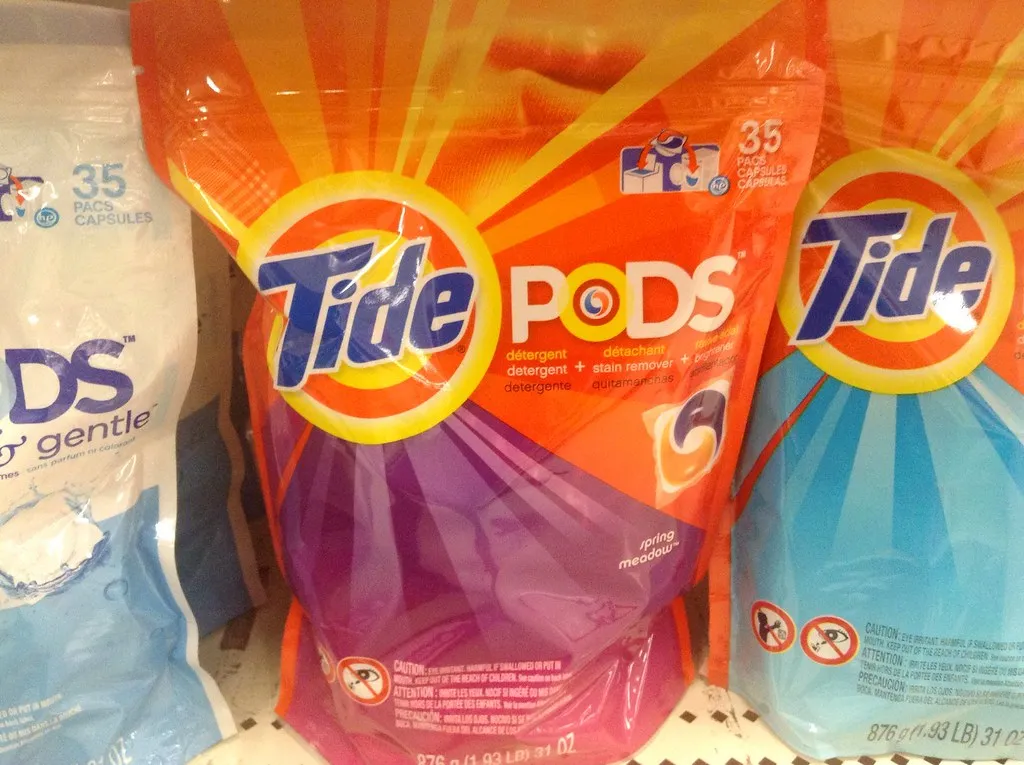
Young children are frequently drawn to pods because their bright colors and squishy textures resemble candy, toys, or teething products. The thin membrane of the packet is designed to dissolve almost instantly when exposed to moisture, including saliva or wet hands. A child merely holding a pod with damp hands can cause it to rupture immediately, spraying concentrated chemicals onto their skin, into their eyes, or into their mouth.
They’re unsafe because the film is a soft, colorful, squeezable object that looks close enough to candy that a toddler’s brain doesn’t sort it into “dangerous” the way it might sort a spray bottle or a box with a warning label. That cognitive gap is exactly why storage decisions matter so much.
The Concentrated Chemical Problem
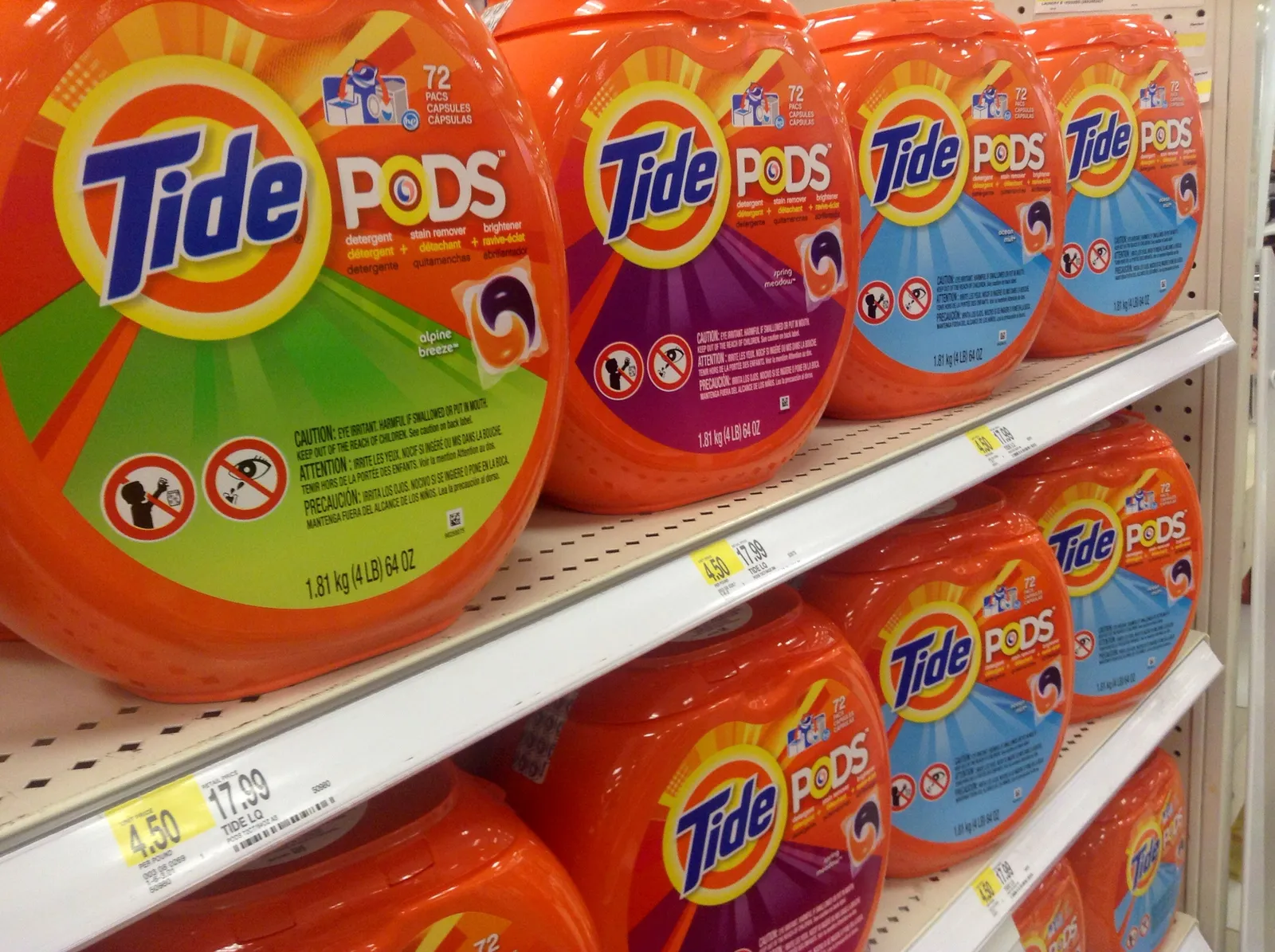
While traditional liquid and powder detergents pose safety risks, single-load packets contain a highly concentrated chemical formulation that is vastly more toxic per unit of volume. This is what makes the consequences of exposure so severe, so fast.
The liquid in that package is under pressure, so as soon as a child bites into it, it comes shooting out of the package. Symptoms from exposure can include excessive vomiting, wheezing, and gasping. Some children become very sleepy or have problems breathing, serious enough to require a ventilator.
The Packaging Recall That Revealed a Bigger Problem
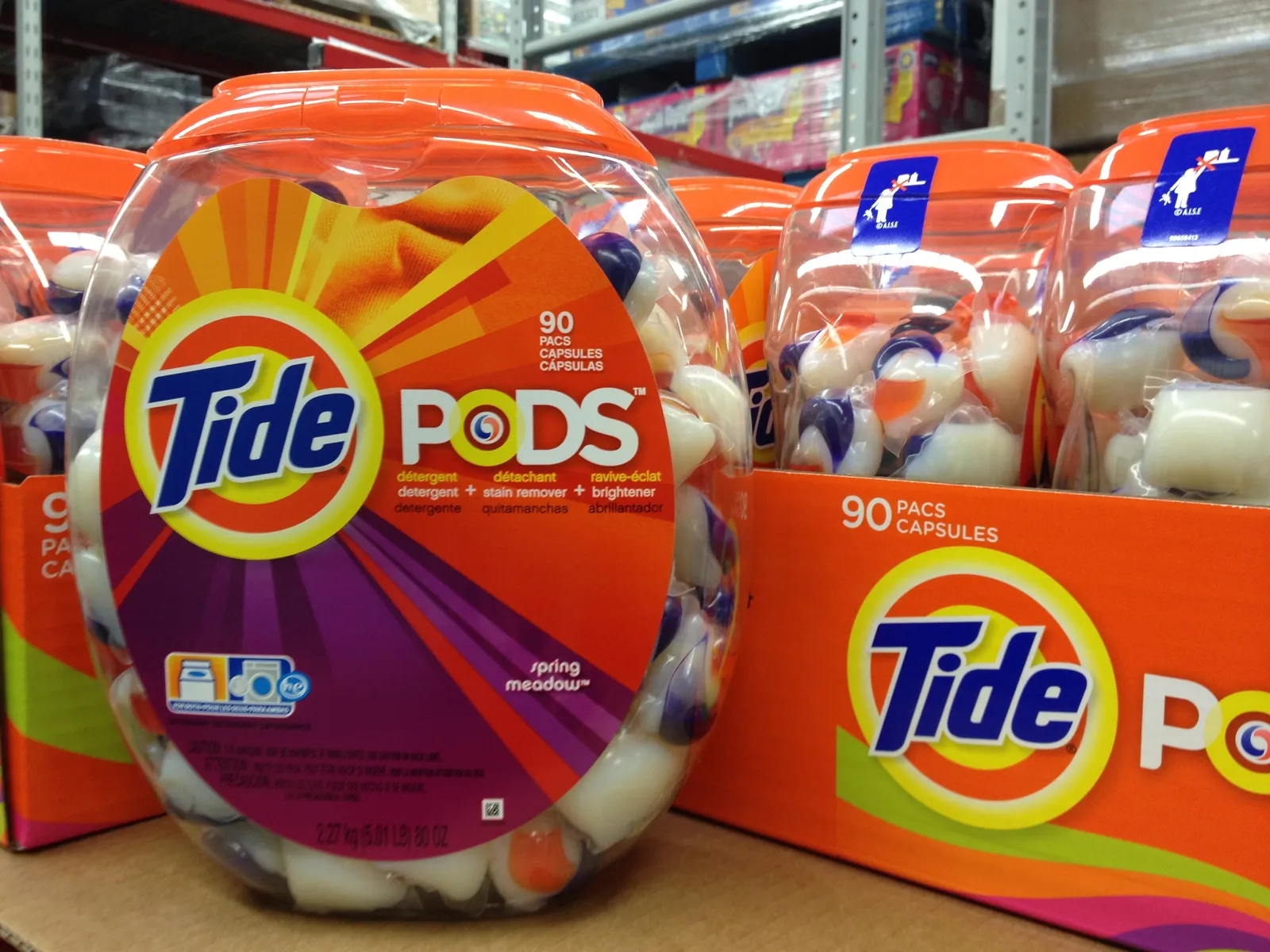
In 2024, Procter & Gamble issued a massive recall affecting 8.2 million bags of Tide Pods, Gain Flings, Ace Pods, and Ariel Pods. The recall was triggered by a defect in the outer packaging’s zipper track, which could split open and allow children easy access to the toxic pods inside.
Once the outer bag or tub is open, individual pods have no additional child-resistant feature of their own. The 2024 recall existed specifically because the outer bag, the only barrier, could fail. That’s a sobering reminder of how thin the margin for safety really is.
In its recall notice, the Consumer Product Safety Commission urged consumers to immediately secure their detergent packages out of children’s reach and contact P&G for a refund and replacement child-resistant bag.
Older Adults Are Also at Serious Risk
The danger isn’t limited to toddlers. Researchers found increases in exposure among older adults with cognitive impairments like Alzheimer’s, who may have mistaken the pods for food or medication.
The U.S. Consumer Product Safety Commission reports that laundry pods have caused thousands of emergency room visits and at least ten confirmed deaths. The victims include two young children and eight adults living with Alzheimer’s disease or dementia who ingested the packets after mistaking them for food or medication.
Parents and caregivers of children under six, as well as adults with a history of dementia, Alzheimer’s disease, or developmental disability, are strongly advised to use traditional liquid laundry detergent instead of pods.
The CleanTok Trend Made It Worse

The CleanTok social media trend has caused safety concerns as millions of videos depict potentially harmful cleaning practices in homes. The aesthetic appeal is real, but so is the consequence. It’s often the parents, not the kids, unintentionally creating the danger by choosing certain aesthetics.
In 2021, the American Cleaning Institute became alarmed by the increase of social media platforms showcasing trending images encouraging followers to display laundry packets and detergents as décor in glass or plastic jars. As a result, the ACI launched its #StoreNotDecor campaign to inform consumers of safe storage practices. The problem has persisted regardless.
What Safe Storage Actually Looks Like

The single most important rule is to store laundry pods in a high, locked cabinet that is inaccessible to both young children and older adults with cognitive impairments. Always keep detergent pods in their original packaging, since these packages are often designed to be child-resistant and help adults recognize that they contain chemicals and not food or candy.
There is important safety information on the product label. If the product is removed from that container and placed in a clear, unmarked jar, a lot of the safety considerations that come along with the original packaging are immediately lost.
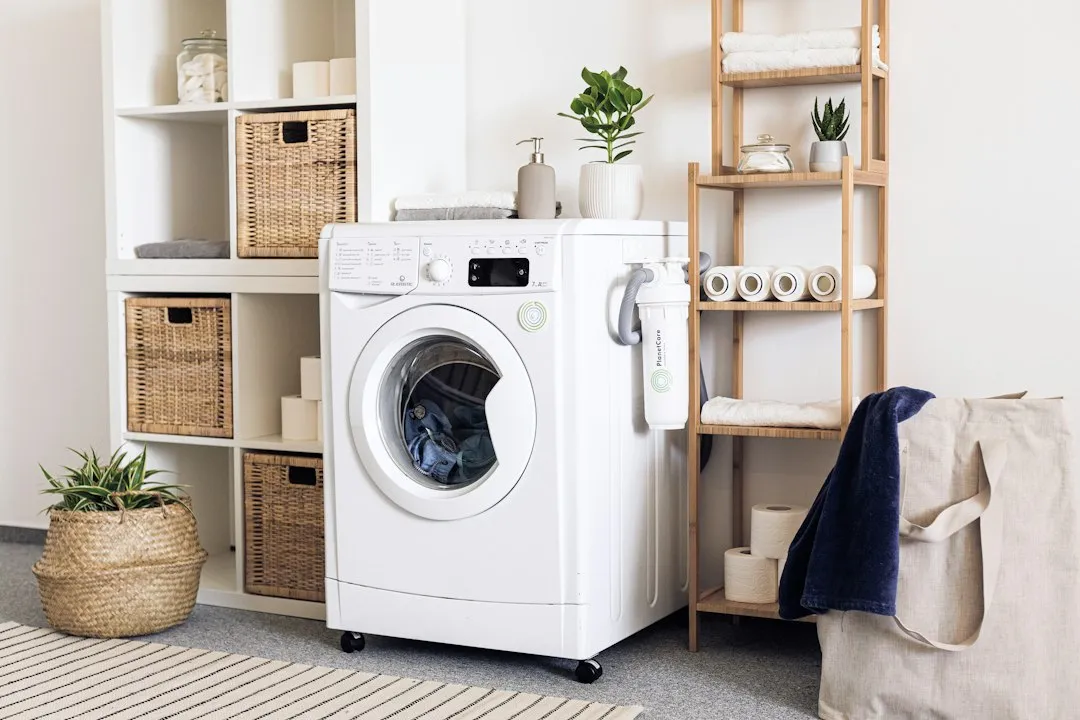
Never leave them on top of a washer, dryer, or open shelf. Even a few seconds of unsupervised access is enough for a curious child to cause serious harm.
When Safety Standards Haven’t Kept Pace
The international standards organization ASTM set a new rule for laundry pod packaging in 2015, but a 2022 update didn’t do much to strengthen it. Researchers say there are opportunities to improve guidance, including requiring Poison Prevention Packaging Act-compliant packaging or individually packaging each pod.
As early as 2012, Consumer Reports called on manufacturers to make detergent pods safer and argued that outer packaging should meet federal standards for child-resistant packaging under the Poison Prevention Packaging Act. More than a decade later, that call hasn’t been fully answered.
Voluntary standards, public awareness campaigns, and product and packaging changes have improved the safety of these products, but a high number of children are still exposed each year, according to researchers at Nationwide Children’s Hospital.
What to Do If Someone Is Exposed
After analyzing the effects of laundry detergent exposure, researchers found that children experienced symptoms including vomiting, coughing or choking, eye pain or irritation, drowsiness, and redness or inflammation of the eye. These symptoms can escalate quickly.
Consumer Reports strongly urges households where children younger than six or cognitively impaired adults are ever present to skip laundry pods altogether, opting for liquid or powder detergent that is also kept out of reach.
If you think someone has ingested a laundry pod, call a poison control center at 800-222-1222 or 911 and seek immediate medical attention immediately. Time is not on your side in these situations, so acting right away matters.
The Takeaway

The storage mistake that poison control keeps warning about isn’t complicated. It’s a clear jar on a shelf, a decorative canister on the dryer, a container without a child-resistant lid. The intention is a tidier laundry room. The result, in too many cases, is a call to poison control.
The data is consistent and the experts are aligned. Decorative glass containers should never replace elevated storage when children or pets are present. The concentrated detergent inside these cleaning agents requires respect as a hazardous chemical, and safety should always take precedence over aesthetics.
Laundry pods aren’t going away. They’re too convenient for that. However, the way they’re stored in millions of homes needs to change, and that shift starts with understanding just how quickly a simple aesthetic choice can become a genuine emergency.
AI Disclaimer: This article was created with the assistance of AI tools and reviewed by a human editor.