

It All Comes Down to the Dew Point

The dew point is the temperature at which the air becomes completely saturated with water vapor, forcing that vapor to condense into liquid. This is the core mechanic behind every foggy windshield you’ve ever dealt with. As long as the windshield glass temperature stays above the dew point, no fog forms. When the glass temperature drops to or below the dew point, a fogging condition exists and condensation begins.
The dew point marks the temperature at which water vapor turns into liquid water droplets, and this process is called condensation. In fall, the outside air is cool enough to drop your glass well below that threshold very quickly. That’s the opening act for everything else that follows.
Why Fall Is the Perfect Storm for Fog
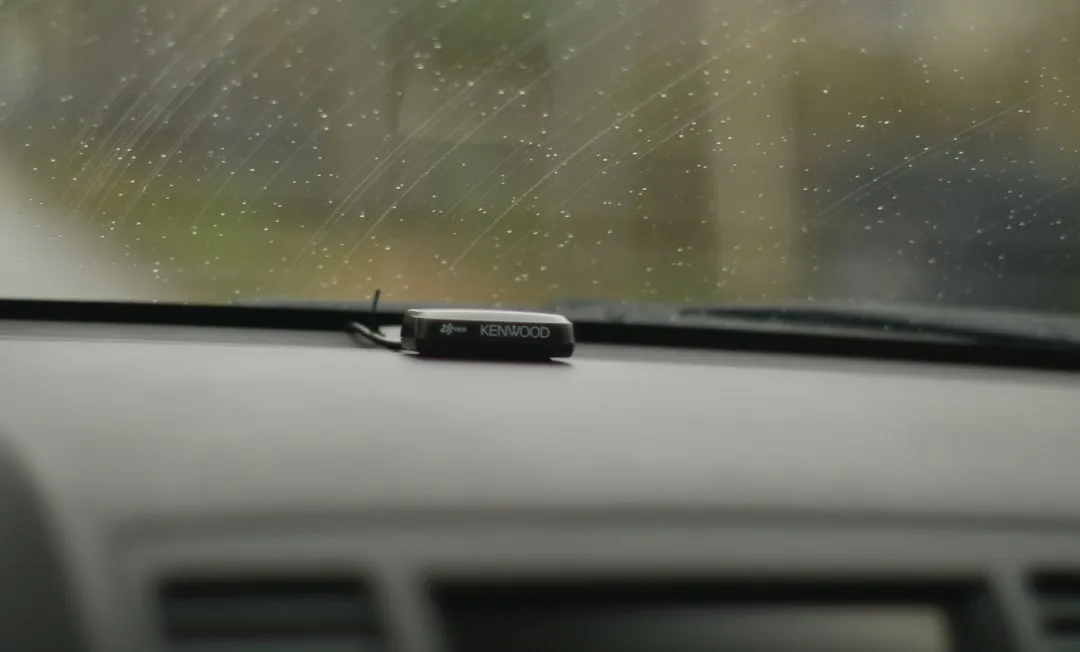
During transitional seasons like fall, temperature swings increase condensation significantly. What makes autumn especially tricky is that temperatures can vary by fifteen to twenty degrees between morning and afternoon, meaning your cabin environment changes constantly. Your car’s glass doesn’t warm up and cool down at the same rate as the air around it.
In cold conditions, the outside of the windshield is extremely cold, while the air inside the cabin is warmer and carries moisture from passengers breathing, wet clothing, and any dampness tracked in from outside. That warm, moist interior air hits the cold glass and fogs it from the inside. Fall checks every one of those boxes, usually all at once.
Your Breath Is the Problem (Mostly)

Several factors contribute to humid cabin air, including the driver and passengers breathing and exhaling, a steaming mug of coffee, and rain and snow on your clothes. This humid air comes into contact with the cold surface of the windshield glass, releases moisture, and condenses into what we recognize as fog.
When you enter a cold vehicle, your warm breath and body heat introduce a significant amount of moisture into the enclosed cabin space. When this warm, moist air hits the cold glass of the windshield, rapid condensation occurs. The more passengers in the car, the faster it happens. A single commuter on a cold morning still generates enough exhaled vapor to cloud the glass within a minute or two.
Trapped Air Makes It Worse

The air trapped in the car from the previous day will be more humid than the outside humidity level, and therefore holds more moisture. This is something most people don’t think about. You close your car up the night before, and whatever moisture was in the cabin stays there, concentrated, waiting for morning temperatures to trigger it.
Moisture from outside conditions can accumulate in your car, staying there for long periods until redistributed back into the air. Wet umbrellas, damp gym bags, muddy shoes – all of it slowly releases humidity into the sealed cabin overnight. Fall is when all those habits compound at once.
A Dirty Windshield Fogs Up Faster

Dirt particles give condensation more to hold onto, which is why a dirty window fogs up more than a clean window. This one surprises a lot of drivers. The film of dust, oils, and residue that builds up on the inside of the glass acts like a sponge, giving water droplets more surface area to cling to. A genuinely clean windshield resists fog longer.
Vehicle owners are familiar with cleaning the outside of the windscreen, yet mostly neglect the inside. To fight against continual fog and condensation, it’s important to clean the inside of the windscreen as well. A quick wipe with a microfiber cloth on the interior glass before fall hits can genuinely make a difference in how fast your view disappears on cold mornings.
Recirculation Mode Is Working Against You
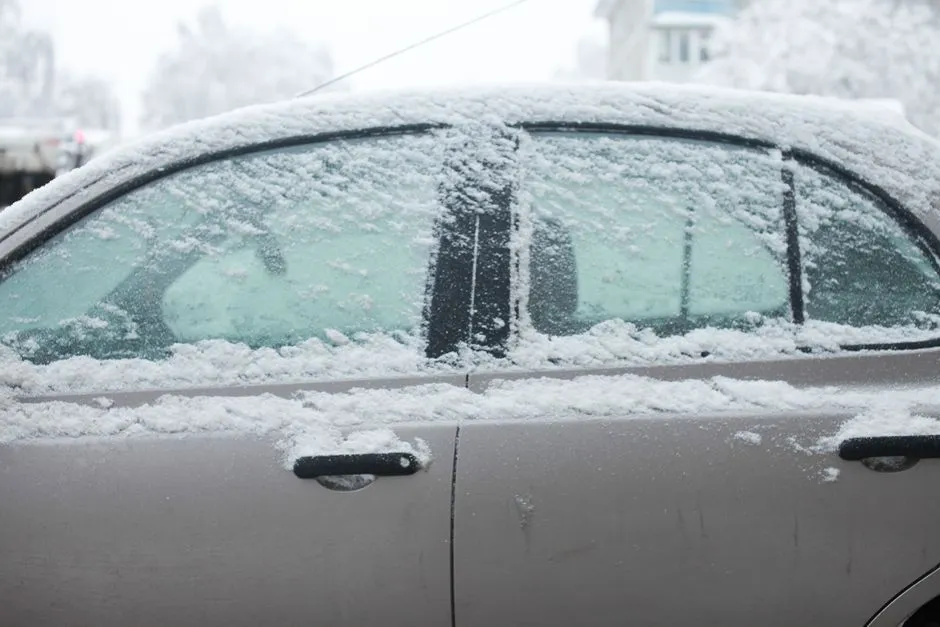
Switching to outside-air mode means the system pulls in drier air instead of reusing moisture-laden cabin air. Many drivers leave their climate system on recirculation mode without thinking about it, especially after using the air conditioning during warmer months. In fall, that setting actively makes fogging worse.
The defroster system must pull moisture out of the cabin air before that air is heated and blown onto the cold glass. If the air is not dehumidified first, the system takes the damp, ambient air from the cabin, warms it up, and blasts it directly onto the windshield, creating a thick layer of condensation and severely limiting visibility. Switching from recirculation to fresh air is one of the easiest fixes most drivers overlook.
Turning the Heat Up Alone Won’t Cut It

Heat alone doesn’t remove moisture – it just holds more of it in the air. Without AC or fresh air, you’re trapping more moisture against cold glass. This is a very common mistake. Cranking the heater feels intuitive, but without simultaneously removing humidity, you’re essentially pumping a warm, damp cloud directly at your windshield.
The key to defogging is balancing temperature and humidity by bringing in drier air, reducing moisture, and avoiding recirculation. In cold weather, use heat, AC, and outside air together. The combination matters. Heat alone isn’t the answer; it’s only one part of a three-step equation.
The Fastest Way to Clear It – Step by Step
To quickly defog your windshield, start by turning on your vehicle’s defroster and setting it to the highest heat setting, which helps evaporate moisture on the glass. Adjust the airflow to direct it toward the windshield and increase the fan speed for faster results. If your car has air conditioning, turn it on as well, as it dehumidifies the air and reduces fogging. Crack a window slightly to improve air circulation.
The best way to clear foggy car windows is with a steady supply of dry, hot air. The AC acts as a dehumidifier even when paired with heat, pulling moisture out of the air stream before it reaches the glass. Most modern cars do this automatically when you hit the defrost button – but knowing why it works helps you use the system more deliberately.
Anti-Fog Products and Glass Treatments
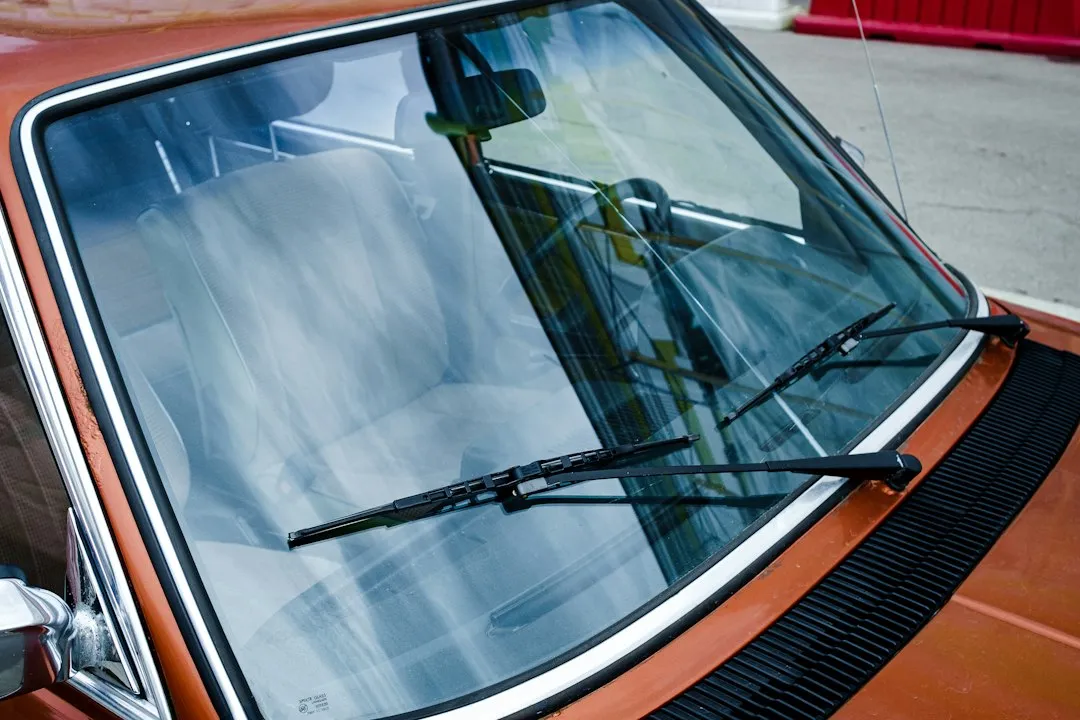
Anti-fog treatments add longer-term protection so condensation can’t form in the first place. These treatments work by creating a hydrophobic or moisture-repelling layer on the interior glass surface. They’re not magic, but they do meaningfully extend the time before fog becomes a visibility problem on cold mornings.
For quicker results, use a microfiber cloth or a squeegee to manually wipe away the fog, avoiding harsh chemicals that could damage the glass. Preventive measures such as keeping the windshield clean and using an anti-fog treatment can also help minimize future fogging. Applied every few weeks through the fall season, these products genuinely reduce how often you’re scrambling for the defrost button at 7 a.m.
Prevention Habits Worth Building Before Winter

What most drivers don’t realize is that windshield fogging is not random – it follows a very specific set of physical conditions, and once those conditions are understood, preventing fog becomes a straightforward and largely automatic process. A few consistent habits, started in September or October, can make the whole winter season noticeably easier to manage.
Keep your car well-ventilated: air out the cabin after a rainy day, dry wet floor mats, and avoid storing damp items inside. Good airflow is the simplest tip for improved visibility. Prevent fogging by keeping your windows clean, reducing interior moisture, and using tools like defrosters or anti-fog products when necessary. None of these take more than a few minutes, and over a season they add up to noticeably cleaner, safer mornings.
The Takeaway

Windshield fog in fall isn’t a quirk or a car problem – it’s basic physics happening inside a small enclosed space. The glass gets cold, the air you exhale is warm and wet, and the two collide right at eye level. Once you know that, the fix stops feeling mysterious.
Use your AC and heat together. Ditch the recirculation mode. Keep the inside of your glass genuinely clean. Those three things alone will cut your clearing time from several frustrating minutes down to under thirty seconds. Fall driving is already demanding enough without starting every commute half-blind.
AI Disclaimer: This article was created with the assistance of AI tools and reviewed by a human editor.