

What Is Actually Happening in Your Body
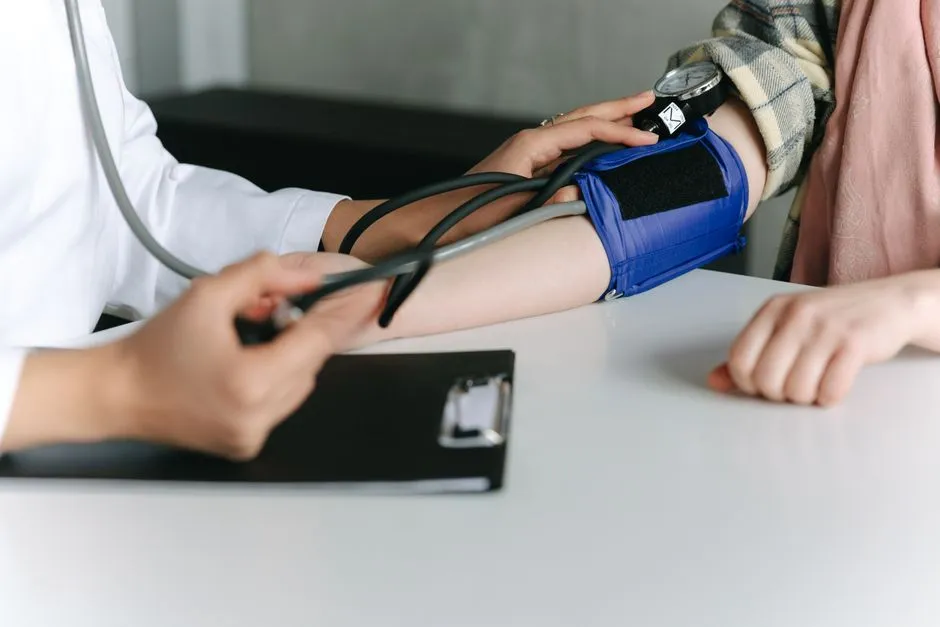
Orthostatic hypotension is a sudden drop in blood pressure when you stand up, caused by blood moving away from your heart and brain and pooling in your legs. Sometimes, especially if you’re dehydrated or overheated, it takes your body a moment to push blood upward, creating a brief delay in blood flow to the brain.
Sometimes the process of pumping blood back up to your heart occurs incorrectly or too slowly, giving you that lightheaded feeling. The body normally compensates within seconds through a coordinated response involving the autonomic nervous system, blood vessels, and heart rate. When that response is delayed or insufficient, dizziness follows.
How Common This Really Is
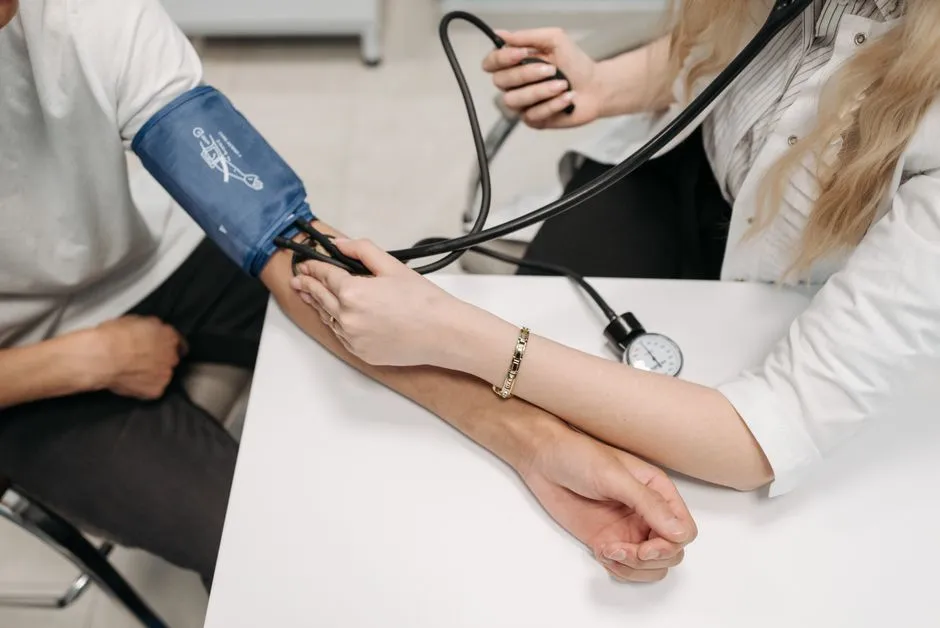
It can happen to anyone, but feeling lightheaded when you stand is more likely to occur as you age. Up to roughly one in five people over age 65 experience some degree of orthostatic hypotension. These conditions affect up to 30% of adults over 65 and raise risks for heart disease, stroke, kidney problems, and more.
Orthostatic dizziness accounts for 42% of all dizziness cases and 55% of non-vestibular dizziness diagnoses, with a twelve-month prevalence of about 10.9% and a lifetime prevalence of 12.5%. That makes it considerably more common than many people realize, and far more common than it is formally diagnosed.
The Clinical Definition Doctors Use
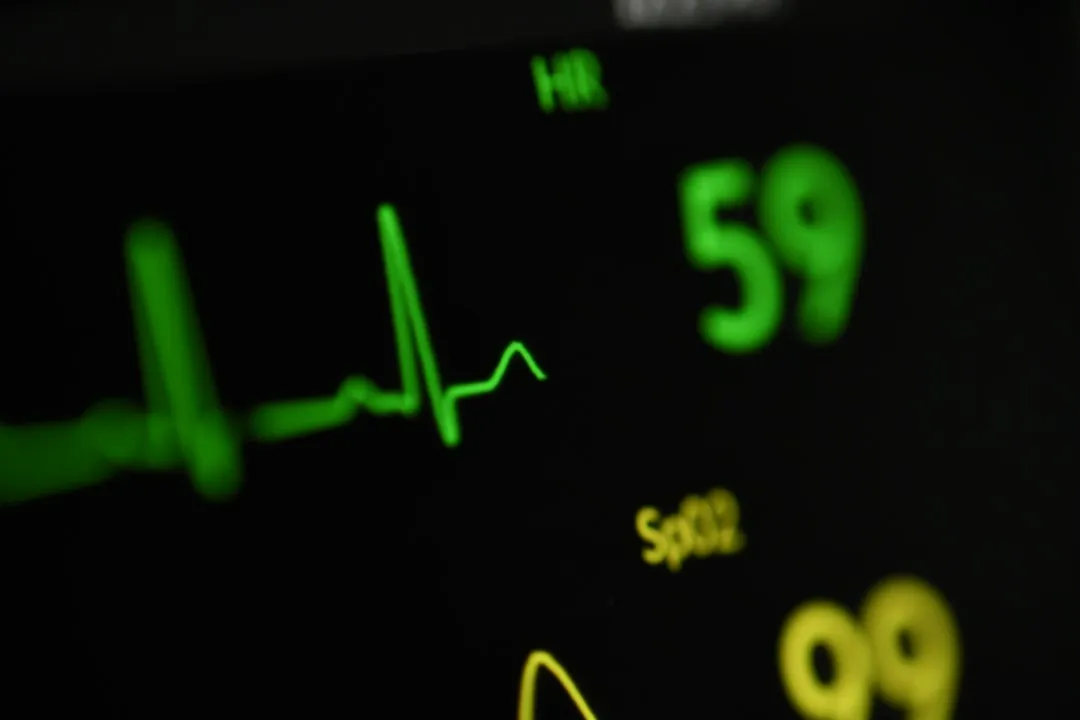
Orthostatic hypotension is defined as a sustained drop in blood pressure of 20 mmHg systolic and/or 10 mmHg diastolic occurring within three minutes of standing. To assess it properly, doctors perform an active stand test: the patient lies flat for at least five minutes to establish a baseline blood pressure and heart rate, then stands and is measured again at 30 to 60 seconds, two minutes, and three minutes.
Worth noting is that a significant portion of those with measurable blood pressure drops report no symptoms at all. Many people with orthostatic hypotension, possibly as many as two thirds, may be entirely asymptomatic. This makes the condition particularly easy to overlook in routine medical care.
Who Is Most at Risk

The problem affects about 5% of people younger than 50, but up to roughly 20% of people aged 70 and older may have orthostatic hypotension. A large meta-analysis suggests the prevalence is somewhere between 17% and 19% in community and primary care populations, and around 31% in residential and nursing home residents.
Elderly patients are particularly prone because of the presence of multiple overlapping risk factors. Conditions that specifically increase the risk include Parkinson’s disease, diabetes, and dementia. Age alone changes how well the cardiovascular system can adapt to sudden shifts in posture.
Medications That Can Make It Worse

Drugs that treat high blood pressure, heart disease, Parkinson’s disease, and depression can all increase the risk of orthostatic hypotension. Among the most commonly identified medications linked to the condition are terazosin, doxazosin, levodopa, tamsulosin, and carvedilol.
A personalized management plan should include reviewing and rationalizing medications, identifying and avoiding triggers, and using non-pharmacological approaches such as compression devices, dietary adjustments, and postural aids. If you’re taking multiple medications and regularly feel dizzy when standing, a medication review is often one of the first practical steps.
The Fall Risk Nobody Talks About Enough
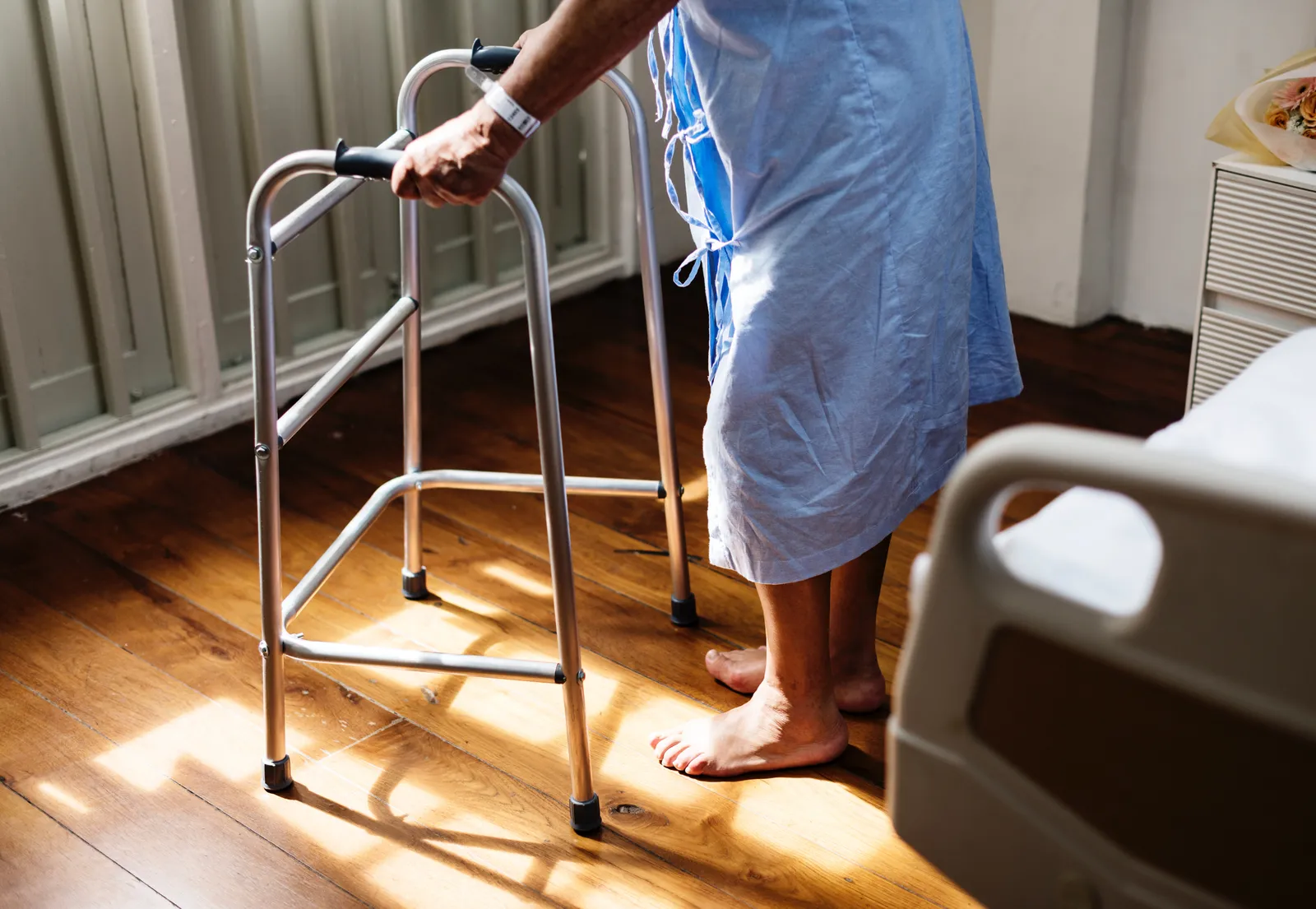
Orthostatic dizziness leads to syncope in roughly 19% of affected individuals, falls in about 17%, and traumatic injury in around 5%. Fainting is a serious complication: when the brain doesn’t receive enough blood flow, a brief loss of consciousness can occur, and falls from fainting are especially dangerous for older adults who may sustain fractures or concussions.
Initial orthostatic hypotension is associated with higher risks of falls, frailty, and syncope in older adults, affecting roughly 27.8% of older people in the general population. In care home settings, that number climbs even higher. Falls stemming from postural dizziness represent a significant and preventable source of injury.
The Link to Heart Disease

A large number of prospective studies over the past two decades have conclusively shown that clinically overt orthostatic hypotension is associated with an increase in fatal and non-fatal cardiovascular events and in all-cause mortality. People with this condition may have an increased risk of heart disease.
Serious complications include increased risk of falls, myocardial infarction, stroke, and atrial fibrillation. People with orthostatic hypotension may also face higher risks of bone fractures or concussions from falls, shock or organ failure if blood pressure stays too low, and stroke or heart disease from repeated blood pressure changes. These are not minor outcomes.
Orthostatic Hypotension and the Brain
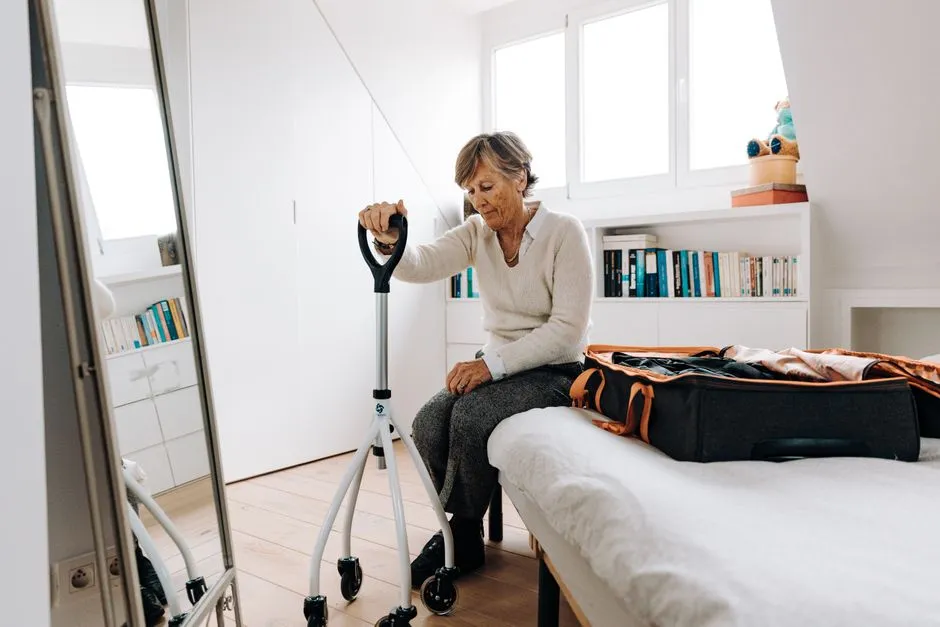
Research shows that orthostatic hypotension may increase the risk of developing dementia. One study found that people whose systolic blood pressure decreased by 20 mmHg or more in the first 30 seconds of standing were 22% more likely to develop dementia than people whose blood pressure remained stable.
Orthostatic hypotension is associated with an increased risk of major neurocognitive disorders, and a meta-analysis of five prospective cohort studies found a 22% higher prevalence of dementia in subjects with the condition, related to vascular neurocognitive disorders. Research suggests that orthostatic hypotension may increase dementia risk in part by raising the risk of cardiovascular disease, including heart disease and stroke or TIA, in elderly adults.
When the Dizziness Is a Warning Sign
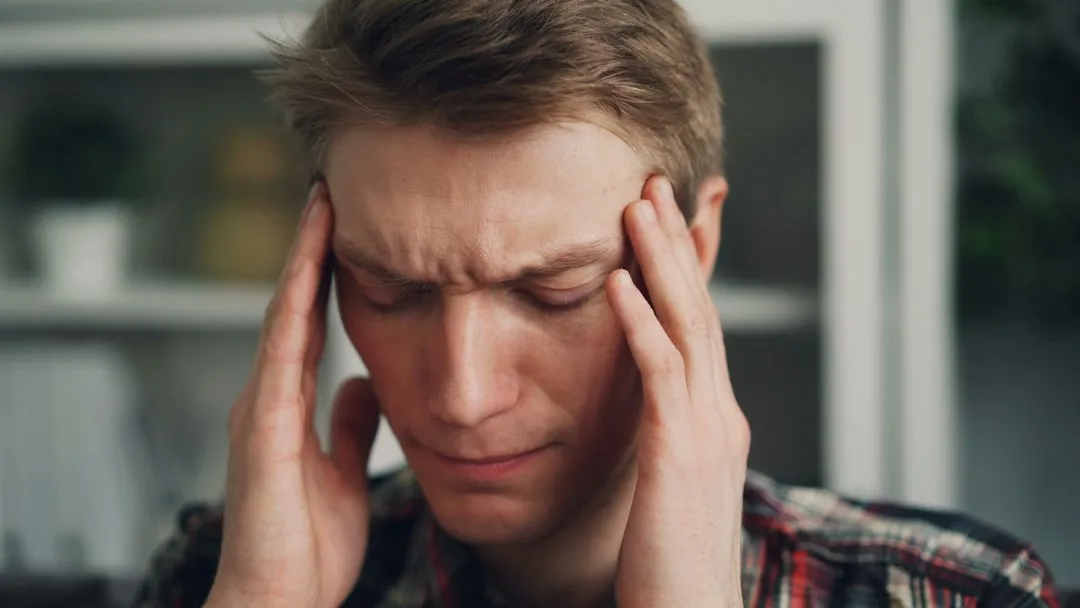
Symptoms of orthostatic hypotension are often very non-specific, with patients describing a wide range of experiences including feeling dizzy, lightheaded, and unsteady, as well as fatigue and cognitive impairment. More specific symptoms can include dizziness, lightheadedness, vertigo, and unsteadiness; visual disturbances such as transient loss, blurring, or dimming of vision; and shortness of breath or chest pain.
The dizziness itself isn’t always the main concern. It’s the pattern that matters. Frequent episodes, loss of consciousness, or dizziness paired with chest discomfort or sudden severe headache all warrant prompt medical evaluation. If arrhythmias or structural heart disease are suspected, an electrocardiogram and echocardiogram may be appropriate next steps.
What Can Be Done About It
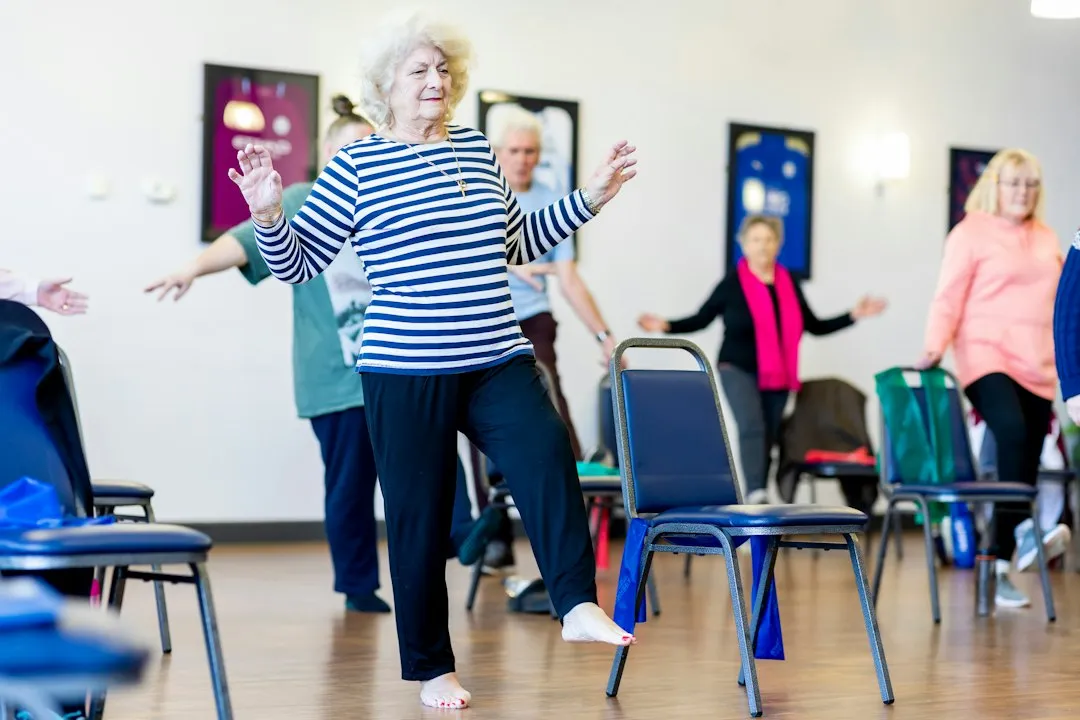
Non-pharmacological therapies such as compression devices, dietary modifications, and postural aids represent the first line of management, while among pharmacological options, midodrine and fludrocortisone are the most prescribed and best studied. A non-pharmacological approach consisting of mobilization, early lifestyle changes, and therapeutic maneuvers is the first choice for most patients.
Other reversible factors including dehydration, infection, anemia, and electrolyte imbalances should be corrected where possible. Symptoms are generally worse in the morning and exacerbated by prolonged sitting or lying, warm environments, and eating, so adjusting daily habits around these patterns can offer meaningful relief for many people.
A Practical Takeaway
The brief head rush you feel when standing is often nothing more than your body’s circulatory system running a second or two behind your ambition. Most of the time, it corrects itself quickly and carries no lasting significance.
Still, the research is clear that when these episodes are frequent, severe, or accompanied by other symptoms, they can be a window into something more serious. Orthostatic hypotension can be managed to reduce the risk of cardiovascular disease and dementia in older adults through patient-centered pharmacological and non-pharmacological approaches that focus on finding underlying causes and providing individualized treatment.
Standing up too fast has its own physiology, its own risks, and its own evidence base. For most people, slowing down slightly and staying well hydrated is all it takes. For others, that moment of dizziness is worth a conversation with a doctor, because what feels routine occasionally isn’t.
AI Disclaimer: This article was created with the assistance of AI tools and reviewed by a human editor.