

Most dog owners know the basics: fresh water, regular walks, annual vet visits. What far fewer know is that a five-second look inside their dog’s mouth can reveal some of the most urgent health crises a dog can face. It’s a check that costs nothing and takes almost no practice, yet it remains one of the most overlooked tools in everyday pet care.
Your dog’s gums can reveal a surprising amount about their overall health. The color, moisture, and texture of that soft tissue along the teeth can point directly to what is happening inside the body right now, not weeks from now when symptoms become impossible to ignore. Knowing what to look for could genuinely make a life-or-death difference.
Why the Gums Work Like a Health Dashboard
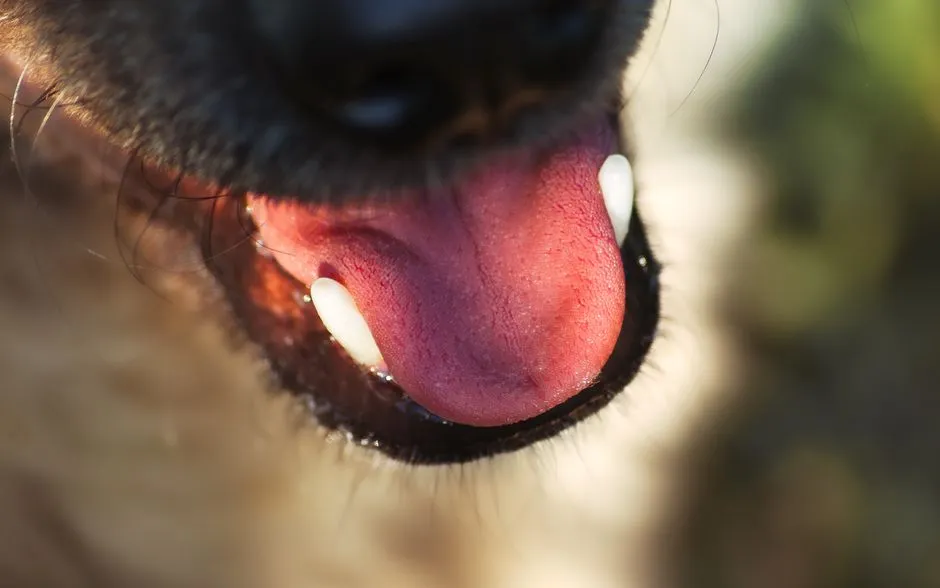
Your pet’s gums are full of capillaries, which are delicate blood vessels that deliver oxygen and nutrients throughout your pet’s entire body. Because these vessels sit so close to the surface of the gum tissue, they act almost like a live readout of what the circulatory system is doing at any given moment.
Pink is the normal gum color in dogs, indicating good oral health and proper blood circulation. Veterinary professionals often use the color of a dog’s gums as a quick indicator of the pet’s overall well-being. Think of it like a built-in monitoring panel your dog carries with them everywhere.
Regular checks, including the capillary refill test, help detect early signs of illness. The earlier you catch a problem, the more treatment options exist, and the better the likely outcome.
What Healthy Gums Actually Look Like
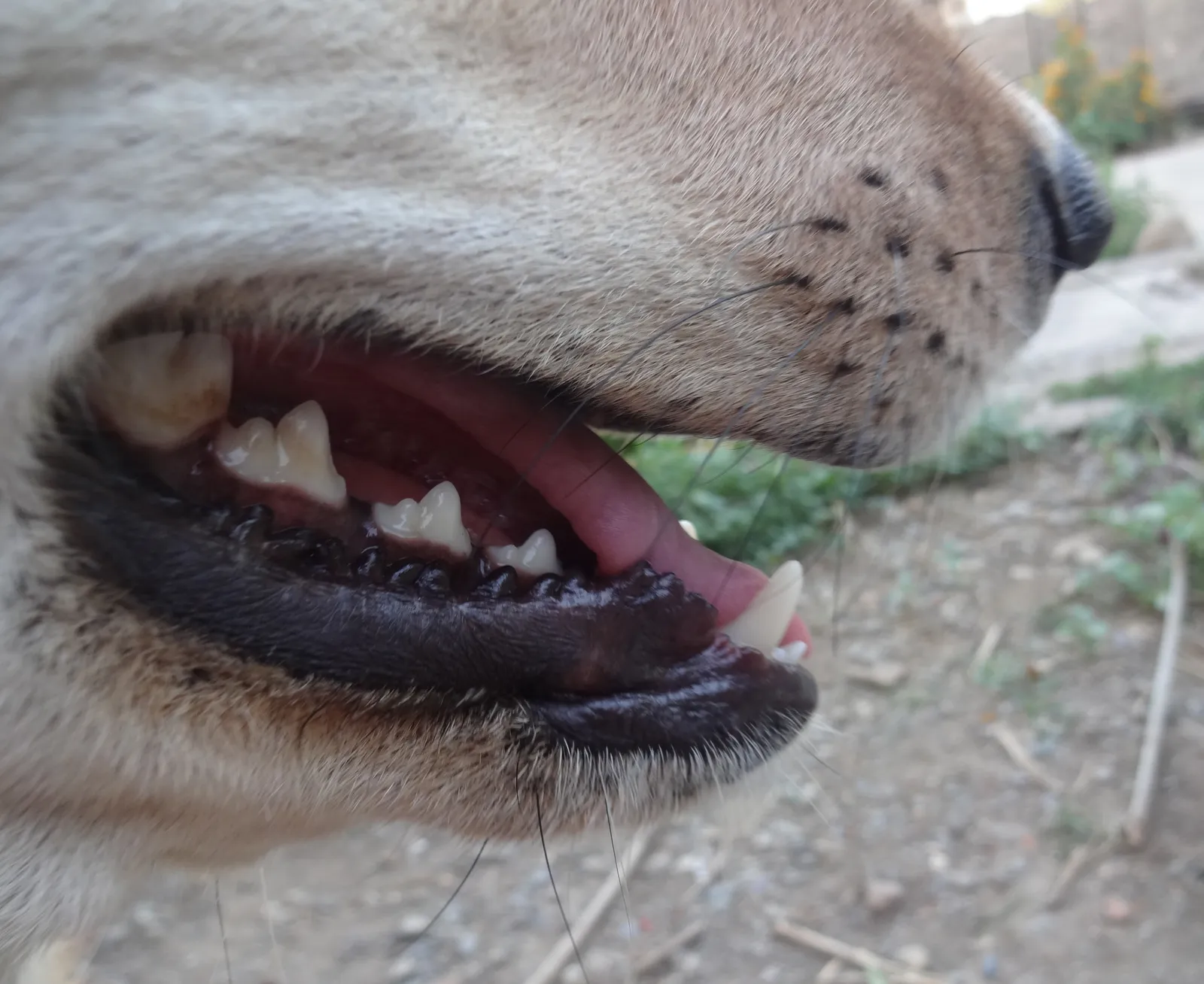
The standard for healthy dog gums is a noticeable salmon pink or bubblegum pink hue. This color indicates proper oxygenation and circulation, healthy moisture levels, and a smooth texture.
Healthy dog gums should be pink or pale pink and moist. If your dog is excited, hot, or has recently been exercising, their gums may appear darker pink. The gums should be free from bleeding, excessive salivation, and should not be sensitive to the touch.
Healthy gums are moist and smooth in texture, bubblegum pink in color, and return to pink within one to two seconds after pressing. There should be no swelling or bleeding and no foul odor. Memorizing your dog’s normal baseline makes spotting changes much easier.
How to Perform the Capillary Refill Test

Healthy gums in dogs should feel moist rather than dry, sticky, or tacky. When gently pressed, a pink section will briefly turn white and then return to its normal color within about one to two seconds. Veterinarians call this capillary refill time, and it provides a quick indication of how well blood is circulating.
Press your finger on the gum until it turns white, then release. Color should return within one to two seconds. Delayed return may indicate circulatory issues.
Check gum color and refill time every fifteen minutes in concerning cases to monitor changes. This simple rhythm of observation can help you describe the situation accurately and urgently when you call your vet.
Pale or White Gums: A Signal You Cannot Ignore

When gums do not get their regular supply of blood, they turn pale or white. These colors indicate that a dog is not receiving normal blood flow or blood pressure to tissues. This can occur if a dog is in shock, is anemic due to blood loss, has low blood pressure, or heart disease. Pale gums in dogs can be a medical emergency and should be evaluated quickly by a veterinary professional.
Anemia occurs when there is a fall in the number of red blood cells that transport oxygen around the body. In severe cases, this can lead to oxygen deprivation. Pale pink or white gums are the most obvious and common clinical sign of anemia, with other signs including weakness, lethargy, poor appetite, and shortness of breath. If left untreated, anemia can be fatal.
Pale gums are a warning sign for dog owners – they mean something is wrong, and it is likely you will need to seek emergency vet care.
Blue, Purple, or Gray Gums: This Is an Emergency

If a dog’s gums are abnormally blue, purple, or gray, this is called cyanosis. This can occur with severe low blood pressure, respiratory diseases, heart disease, or severe hypothermia.
Any form of gray or blue is a sign of a life-threatening emergency that needs to be addressed immediately by an emergency vet. These colors are often seen with heart disease or heart failure, problems breathing, pneumonia, asthma, low blood pressure, hypothermia, some types of poisoning, or choking.
Do not wait to see if the color improves on its own. Blue or purple gums mean the body is not receiving adequate oxygen, and the window for effective intervention can be very short.
Bright Red or Cherry Red Gums: Heat, Toxins, and Inflammation
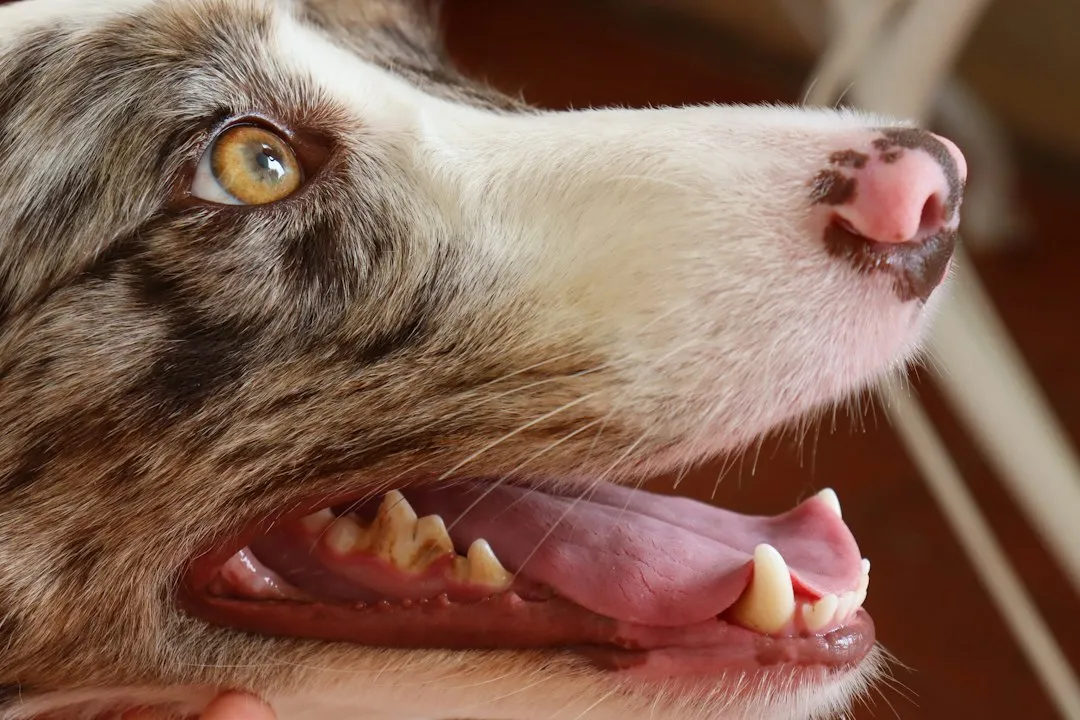
Bright or cherry red gums in dogs are different from mild redness around a tooth. This widespread color change can occur with heatstroke, severe inflammation, toxin exposure, carbon monoxide poisoning, or certain stages of shock.
Red gums in dogs are often a sign of dental disease or inflammation, but bright red or cherry-colored gums may indicate a medical emergency. This could be caused by shock, heatstroke, carbon monoxide poisoning, or high blood pressure.
Look for heavy panting, weakness, vomiting, confusion, collapse, or an unusually high body temperature. Bright red gums during hot weather or after vigorous activity call for immediate veterinary attention.
Yellow Gums: A Sign of Liver or Blood Trouble

Yellow gums are a sign of jaundice, which occurs when there is an excess of bilirubin in your dog’s blood. This can be due to liver disease, gallbladder issues, or hemolytic anemia, where red blood cells break down faster than they can be produced.
Yellow gums in dogs may result from icterus or jaundice, often caused by liver disease. This discoloration can also indicate red blood cell destruction. Other potential causes include bile duct obstruction, blood parasites, leptospirosis, and cancer.
Jaundice is something that should always be taken seriously and should prompt an immediate veterinary visit. If you are not sure if your dog’s gums are yellowed, check their lips, inner portions of the ear, or whites of the eyes for yellow as well.
Spotted or Pigmented Gums: When It Is Completely Normal
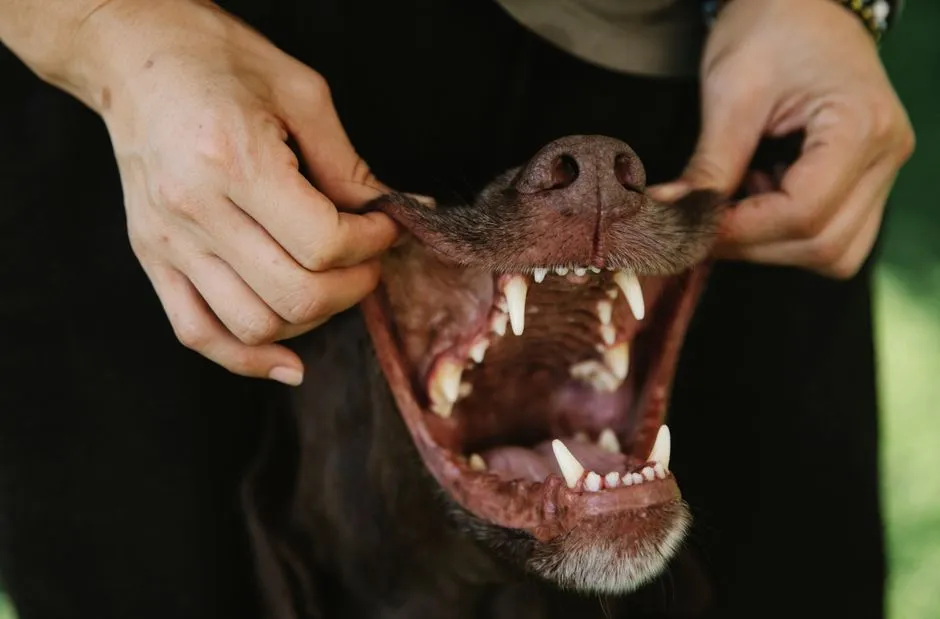
Some dogs have black or brown pigmentation on their gums and tongue, or their whole mouth can be pigmented. Some dog breeds, such as Chow Chows and Samoyeds, have blue-black gums and tongues.
Normal gums are bubblegum or salmon pink, moist, smooth, and firm. Some breeds, for instance Labradors or Dalmatians, may have pigmented or spotted gums, which is still normal if the texture and hydration are good.
Some breeds naturally have pigmented gums. However, sudden changes or growths should be examined by a vet. The key word here is “sudden.” Natural pigmentation is present from birth and stays consistent. New dark patches deserve a closer look.
The Bigger Picture: Dental Disease and Gum Health

Gum color tells you about circulation and oxygen, but gum texture, swelling, and odor tell you something else – how well your dog’s mouth has been cared for over time. The two assessments go hand in hand.
Dental disease in pets is about so much more than bad breath, and a lot more common than most owners realize. In 2023, roughly three quarters of dogs seen at Banfield Pet Hospital were diagnosed with dental-related issues. That figure comes from an analysis of more than three million pets across over a thousand clinic locations.
Periodontal disease is one of the most common diseases affecting dogs, with a reported prevalence of at least 80% in dogs over three years of age. Regular gum checks give owners a front-row seat to changes that even a yearly vet visit might not catch in time.
How Often You Should Check and What to Do
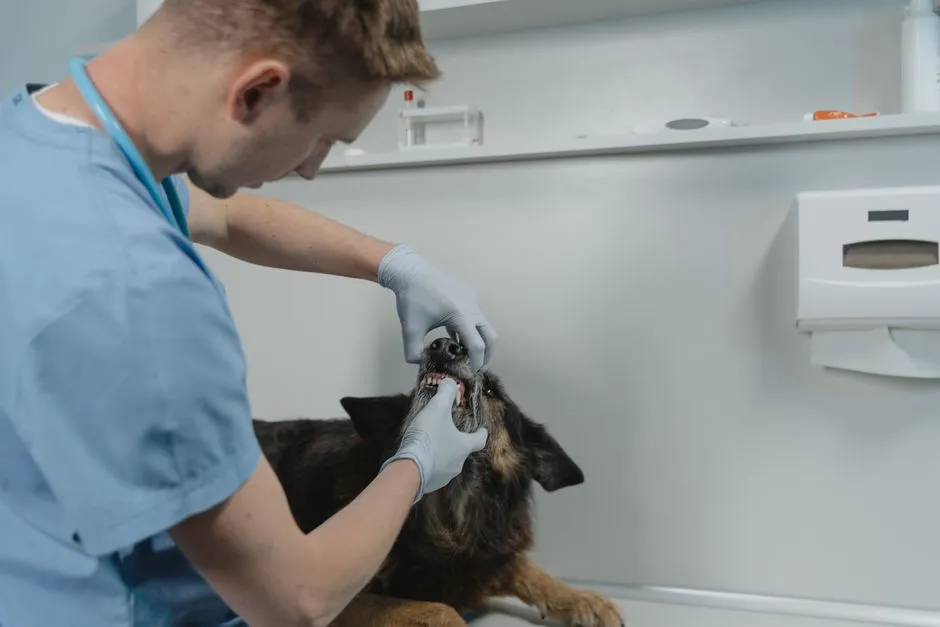
Monitoring gum color monthly can help catch changes early. That said, many veterinarians recommend making it a habit during regular grooming sessions or any time your dog seems off, moves sluggishly, or is behaving differently than usual.
Brush your dog’s teeth daily with vet-approved toothpaste using soft-bristled brushes. Offer dental chews or VOHC-approved diets to help slow plaque buildup. Schedule regular veterinary dental cleanings with full mouth x-rays to treat issues early.
Call your vet to discuss symptoms if you are uncertain about next steps, because early intervention often leads to better outcomes. When in doubt, the phone call costs nothing and could matter enormously.
The Takeaway
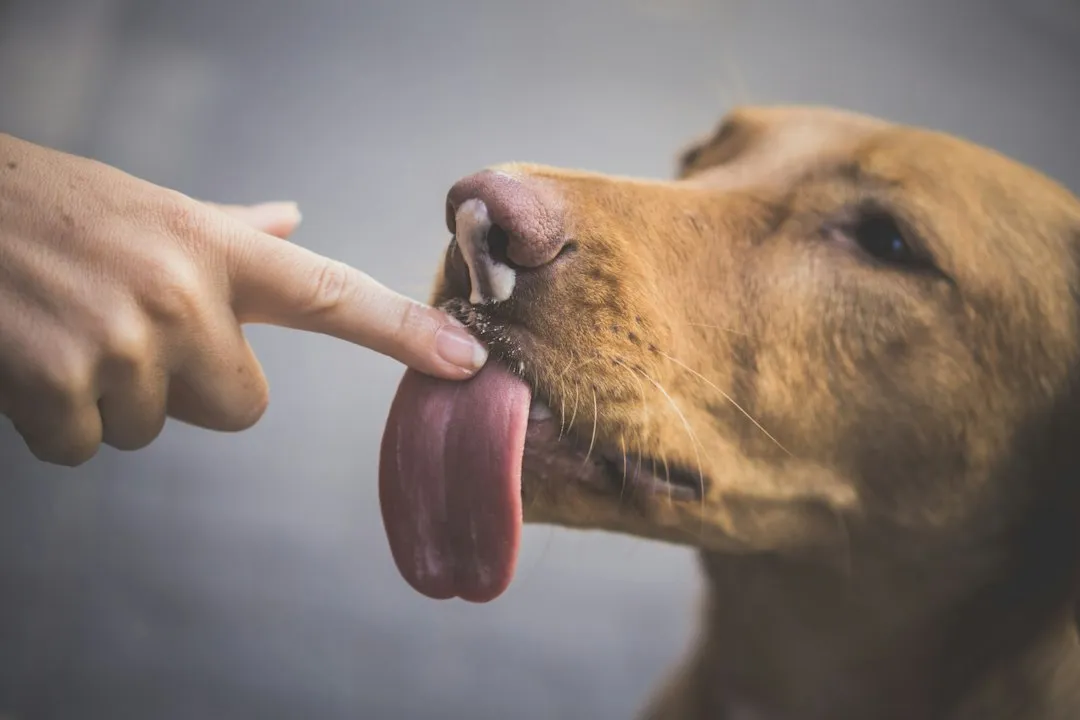
A dog cannot tell you it feels faint, that its chest is tight, or that something inside is wrong. What it does show you, silently and constantly, are its gums. A change in your pet’s gum color is never something to ignore – it can point to internal bleeding, heatstroke, or even organ failure.
The check itself takes seconds. Lift the lip, look at the color, press gently, and watch the blood return. Regularly checking a dog’s gum color can help you catch potential health problems early on. It is one of the simplest, most effective things an owner can do, and it requires nothing more than knowing where to look.
AI Disclaimer: This article was created with the assistance of AI tools and reviewed by a human editor.