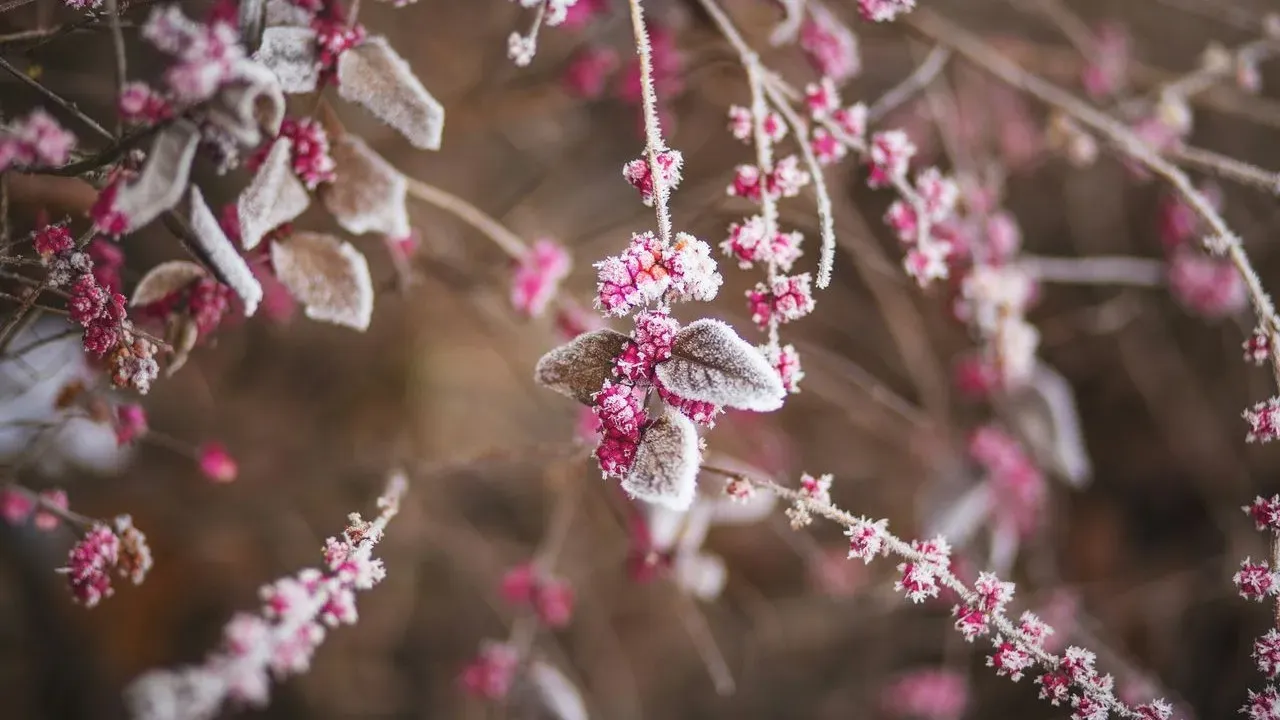

As temperatures begin their seasonal plunge across much of the country, gardeners face a narrow window to shield months of work from sudden cold. Frost forms when air drops to 32 degrees Fahrenheit or lower, forming ice crystals that can rupture plant cells and turn healthy foliage black overnight. Preparation now can mean the difference between vibrant spring regrowth and costly losses. ([1])
Why Timing Matters Most
Many plants enter dormancy in winter, slowing growth to conserve energy. Yet without intervention, even dormant roots and stems remain vulnerable to freeze-thaw cycles that heave soil and expose tender tissues. The first hard frost often arrives with little warning on clear, calm nights when heat radiates rapidly from the ground. Acting in early fall, before the ground itself freezes, gives roots time to absorb protective moisture and allows mulch to settle into place.
Low-lying garden spots and containers cool faster than surrounding areas, creating microclimates that can be several degrees colder than official forecasts. A simple garden thermometer helps track real conditions and signals when covers or other measures are needed. Delaying action until frost warnings appear often leaves little time for thorough protection.
Core Techniques That Deliver Results
Strategic watering the day before expected frost helps soil retain heat overnight, releasing it slowly to buffer roots. Thorough soaking of the root zone, without wetting foliage, works because moist ground holds warmth better than dry soil. Mulch applied in a two-to-four-inch layer around the drip line further stabilizes temperatures and reduces heaving.
Breathable frost blankets or row covers trap rising warmth while permitting light and air exchange. These fabrics can raise the immediate environment by several degrees when secured to the ground and kept from direct contact with leaves. For container plants, moving them indoors or against a sheltered wall prevents rapid freezing of limited soil volumes.
Windbreaks made from burlap or temporary fencing block drying winds that strip heat from plants and soil. Combined with deep watering and mulch, these barriers create a more stable microclimate around vulnerable specimens. Pruning should remain light in fall, focusing only on dead or diseased wood to avoid stimulating tender growth that cannot harden before cold arrives.
Additional Steps for Tender or High-Value Plants
Some gardeners supplement covers with old-style incandescent holiday lights strung beneath blankets to provide gentle warmth during severe snaps. Heat sources require careful placement to avoid fire hazards and should never be left unattended. Selecting varieties rated for one hardiness zone colder than local conditions offers built-in resilience from the start.
Indoor plants also benefit from winter adjustments, including reduced watering, higher humidity through pebble trays, and relocation away from drafts or heat vents. Monitoring forecasts and keeping supplies ready allows quick response when temperatures threaten to dip.
Long-Term Habits That Reduce Risk
Choosing cold-hardy plants suited to the local climate and hardening them off gradually builds natural tolerance. Removing debris and allowing some perennials to die back naturally provides extra insulation while limiting overwintering pests. These practices, repeated season after season, strengthen the entire garden against recurring cold events.
With consistent attention to forecasts, soil moisture, and protective layers, most gardens can emerge from winter intact. The payoff appears in stronger plants and earlier blooms once milder weather returns.
AI Disclaimer: This article was created with the assistance of AI tools and reviewed by a human editor.