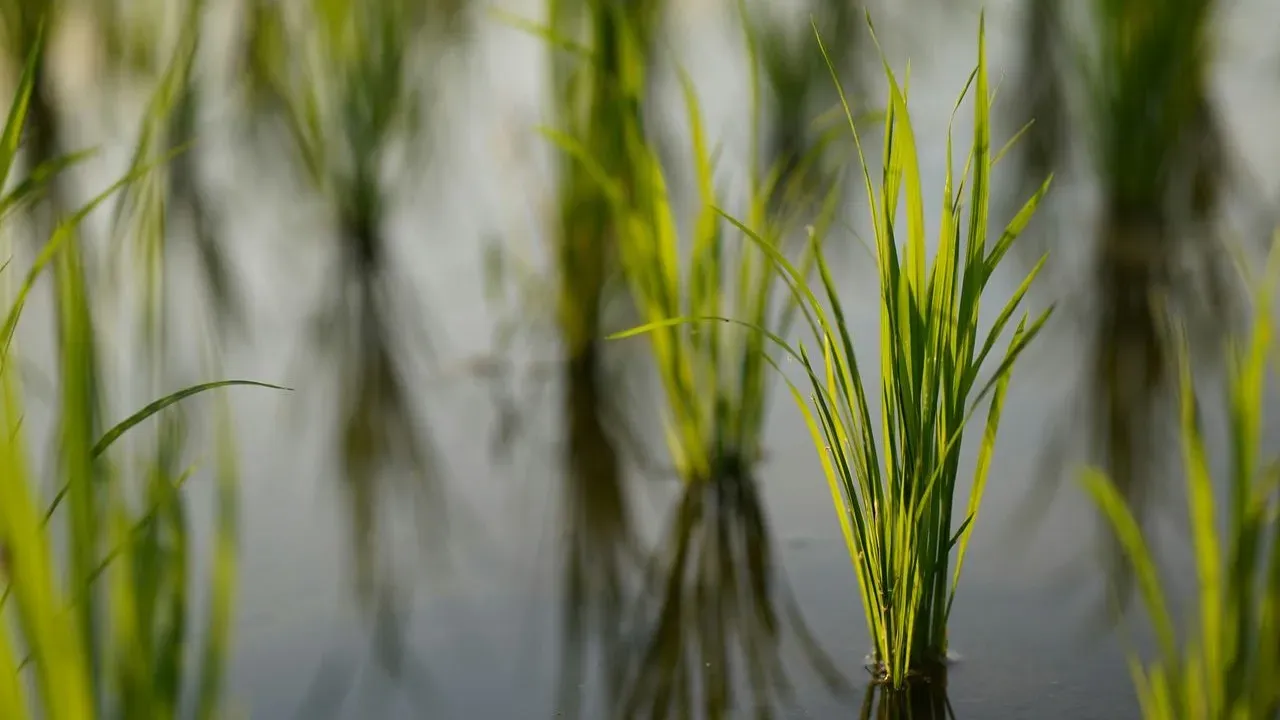

Most cooks rinse uncooked rice under the tap and let the cloudy runoff disappear without a second thought. That starchy liquid, however, has caught the attention of gardeners looking for simple ways to reuse kitchen scraps. Early lab work and small field trials suggest it may supply modest nutrients and beneficial microbes to soil and plants, though results remain far from conclusive. ([1])
A Closer Look at the Science Behind the Practice
Researchers who analyzed washed rice water in 2021 identified trace amounts of nitrogen, phosphorus, and potassium along with some helpful bacteria. The same study noted that real-world growth trials were still needed before anyone could call the liquid a reliable fertilizer. A separate 2023 field experiment in Heliyon tested fermented rice water on choy sum across three planting cycles and recorded the strongest yields when the rinse water was paired with reduced mineral fertilizer rather than used alone.
Those findings come with clear limits. The 2023 trial covered only one crop under specific conditions, and the earlier lab work did not measure long-term soil health or repeated applications. Gardeners who experiment are advised to dilute the liquid and watch for any signs of mold or pests before continuing.
Putting Rice Water to Work on Houseplants
Indoor gardeners often save the second rinse from uncooked rice and dilute it with several parts plain water before applying it to potted plants. The mild starch content can act as a light organic supplement, though experts stress that it should never replace a balanced plant food. Salted cooking water must be avoided entirely, as even small amounts can damage roots.
Users report the best results when they treat the liquid as an occasional boost rather than a weekly routine. If the mixture develops a sour smell or visible mold, it should be discarded immediately. Fresh batches made from unsalted rice remain the safest choice for repeated use.
Extending the Idea to Outdoor Beds and Vegetables
Some gardeners apply diluted rice water to raised beds or containers holding leafy greens and root crops. The 2023 trial showed that combining the liquid with half the usual fertilizer improved results for choy sum, while rice water alone produced more modest gains. The rinse water also tended to lower soil pH slightly, an effect that may suit acid-loving plants but requires monitoring in neutral or alkaline gardens.
Application remains experimental. Observers recommend starting with small test areas and noting any changes in plant vigor or soil condition over several weeks. Traditional kitchen uses, such as thickening soups or parboiling vegetables, offer additional low-risk outlets for the same liquid when garden needs are already met.
Simple Steps for Collecting and Storing the Liquid
Swishing a handful of uncooked rice in fresh water for a minute or two produces the cloudy mixture most people discard. Many cooks prefer the second rinse because the first can contain dust or debris. The collected water should be refrigerated right away and used within a day or two.
For skin or hair applications the same batch should be made fresh each time. Any batch that smells off or shows mold belongs in the trash rather than on plants or in food. Rice water is never intended as a rehydration drink and should not replace commercial oral rehydration solutions during illness.
Keeping Expectations Realistic
The kitchen-to-garden reuse of rice water appeals because it requires almost no extra effort or cost. Yet the supporting evidence stays limited to small studies and traditional practice, leaving plenty of room for individual results to vary. Gardeners who try it are encouraged to treat the liquid as a gentle supplement and to stop at the first sign of trouble.
Over time, consistent observation will reveal whether the practice earns a permanent spot in any particular garden routine. For now it remains one more low-stakes way to stretch household resources while the science continues to develop.
AI Disclaimer: This article was created with the assistance of AI tools and reviewed by a human editor.