

What a Mast Year Actually Is
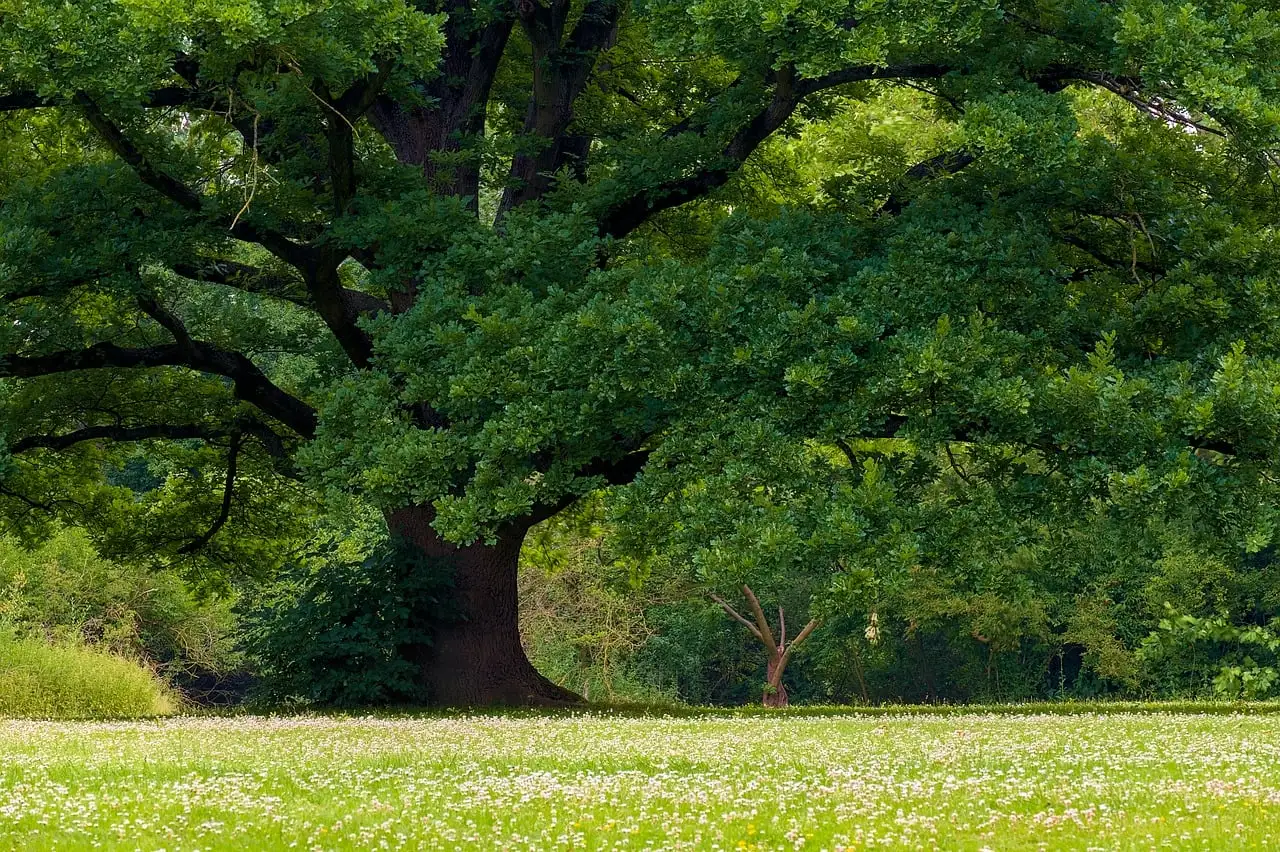
Unlike most fruiting plants, oaks do not produce consistent crops each season. Instead, they cycle through irregular patterns, with some years yielding very few acorns and others producing overwhelming abundance. These heavy-production years are known as mast years.
The word “mast” itself comes from an old English word meaning “forest food,” referring broadly to the nuts, seeds, and fruits that trees produce for wildlife. It’s a term with real historical weight. Farmers once let pigs forage in oak forests during mast years to fatten them cheaply before winter.
These boom times occur roughly every two to five years, with far fewer acorns in between. A single large oak can drop up to ten thousand acorns in a mast year. That scale of production is what makes the phenomenon so ecologically significant.
The Mystery of Synchronization
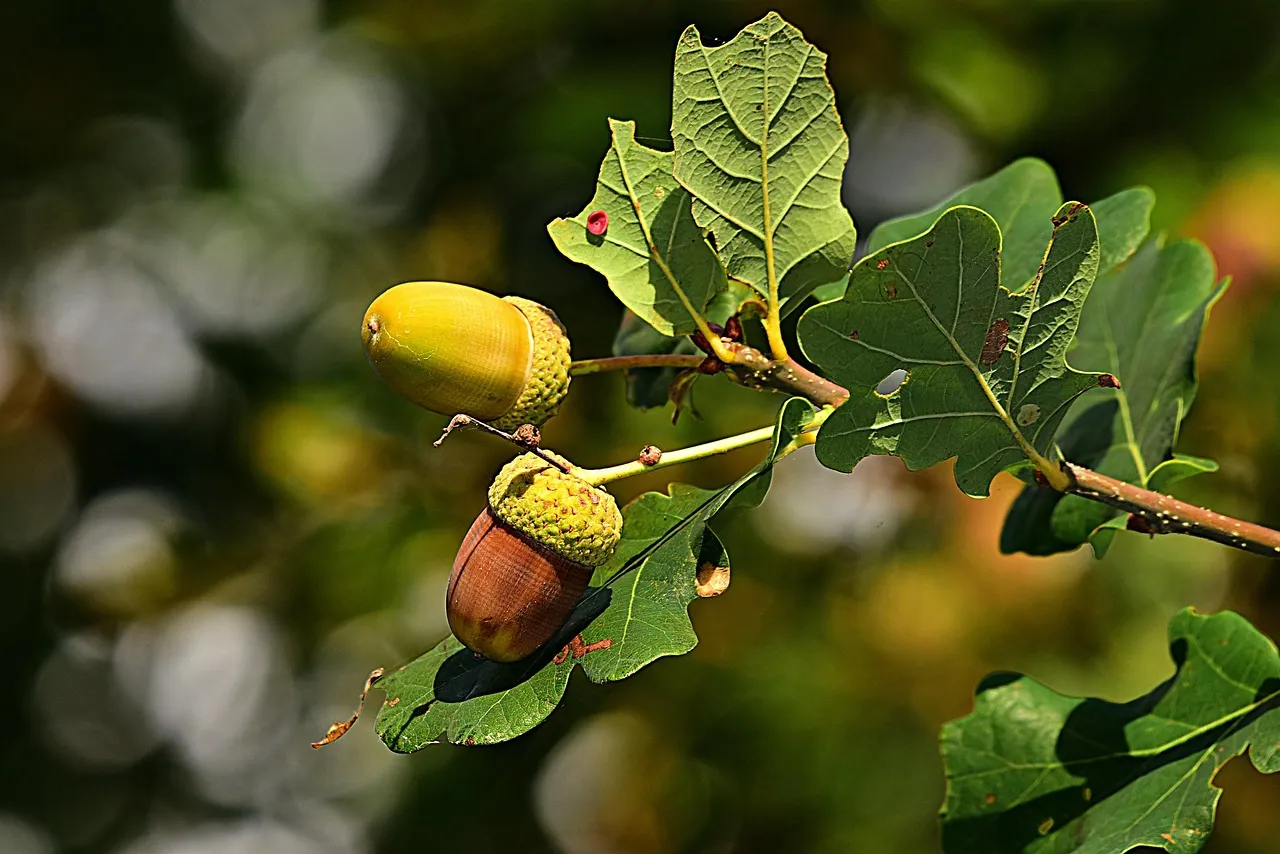
What makes this even more remarkable is that oak trees don’t produce these boom and bust cycles alone. Across whole states, by a mechanism that continues to baffle scientists, oak trees synchronize their acorn production booms. This mysterious synchronization of seed abundance is called “seed masting.”
Because populations can extend across vast swaths of the country, this can mean that a red oak tree on a street in Chicago is shedding acorns at around the same time as a red oak tree in the woods of New Hampshire. That level of coordination across such distances is deeply strange.
Research led by Walt Koenig as co-director of the California Acorn Survey, a decades-long effort, has found that during mast years, oaks as far apart as four hundred miles can produce remarkably similar crops. Crucially, a single tree does not mast on its own. Masting implies that a whole population of trees all produce or fail to produce seeds synchronously.
Weather Plays a Role, but Not the Whole Role
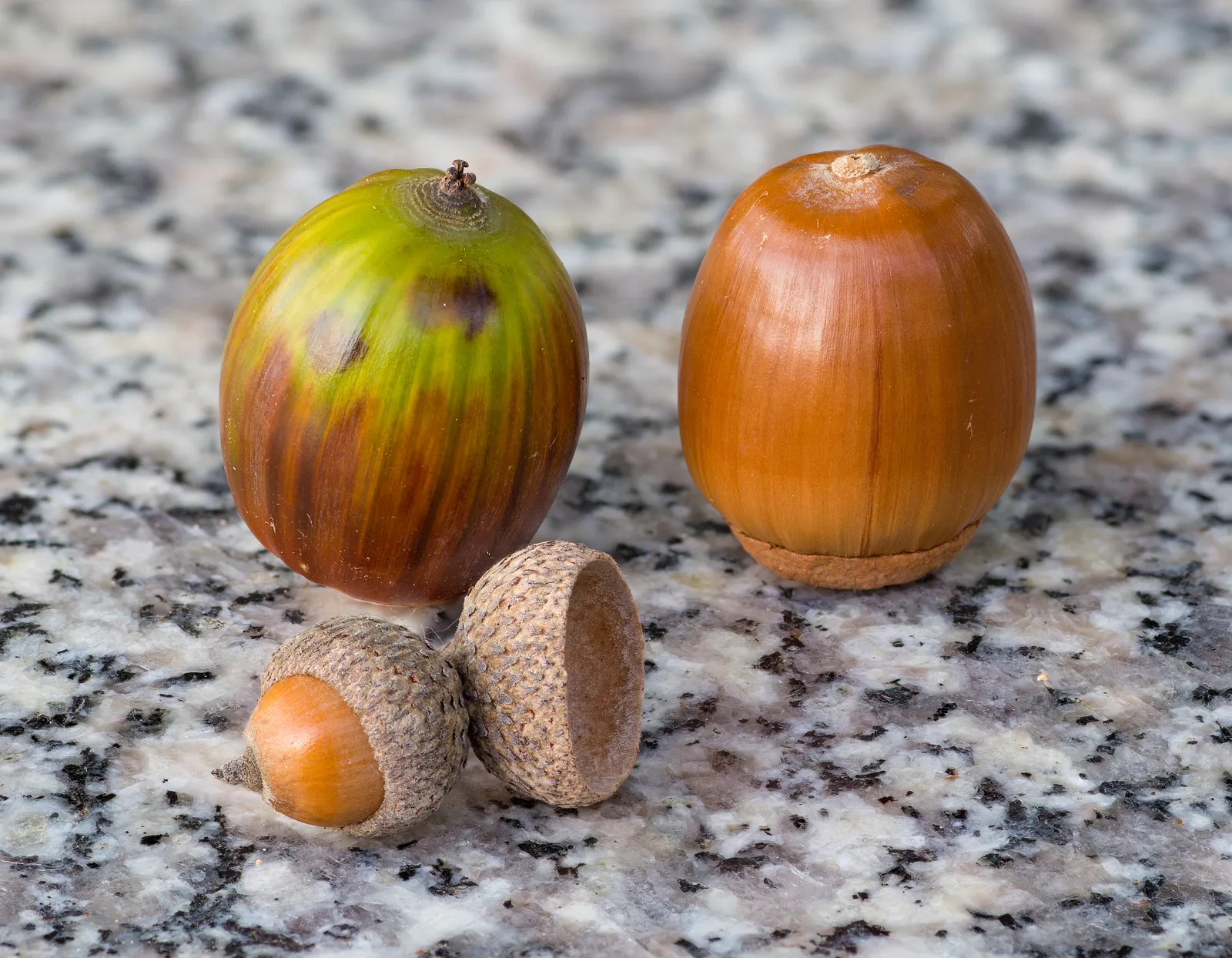
A wet, cool spring can affect pollination and a hot, dry summer can affect acorn maturation. But annual rainfall and temperature fluctuations are much smaller in magnitude than the swings in acorn crop sizes. In other words, weather variables alone cannot account for the extraordinary overproduction of acorns in a mast year.
Weather certainly has an effect on acorn development, and extreme temperatures in either direction can negatively affect acorn growth. If spring is cold and rainy, fewer oak flowers get pollinated. A late spring frost or drought can also play a significant role.
Natural cycles are at play that go well beyond weather and climate conditions in explaining why oaks have boom and bust years, though there is still no clear scientific understanding of the underlying causes, only theories. Weather is part of the equation, not the equation itself.
The Summer Solstice Connection

One of the more intriguing recent findings involves the summer solstice as a biological timing cue. A 2024 study published in Nature Plants found that the summer solstice appears to orchestrate subcontinental-scale synchrony in mast seeding. The research, titled “Summer solstice orchestrates the subcontinental-scale synchrony of mast seeding,” was published in Nature Plants in 2024.
The concern, however, lies not in spatial variation but in temporal change. For beech trees, a fixed solstice cue combined with rising summer temperatures may be driving recent declines in viable seed production and tree growth, due to a breakdown in normal masting patterns.
This is a meaningful finding because it suggests that the trees aren’t just responding to raw temperature or rainfall totals. They may be using the length of the growing season around a fixed calendar marker. This contrast suggests that climate effects depend on the stage of reproduction during which warming occurs, and that the pathway from warming to seed production depends on seasonal climate change and species-specific reproductive mechanisms.
The Energy Cost Theory
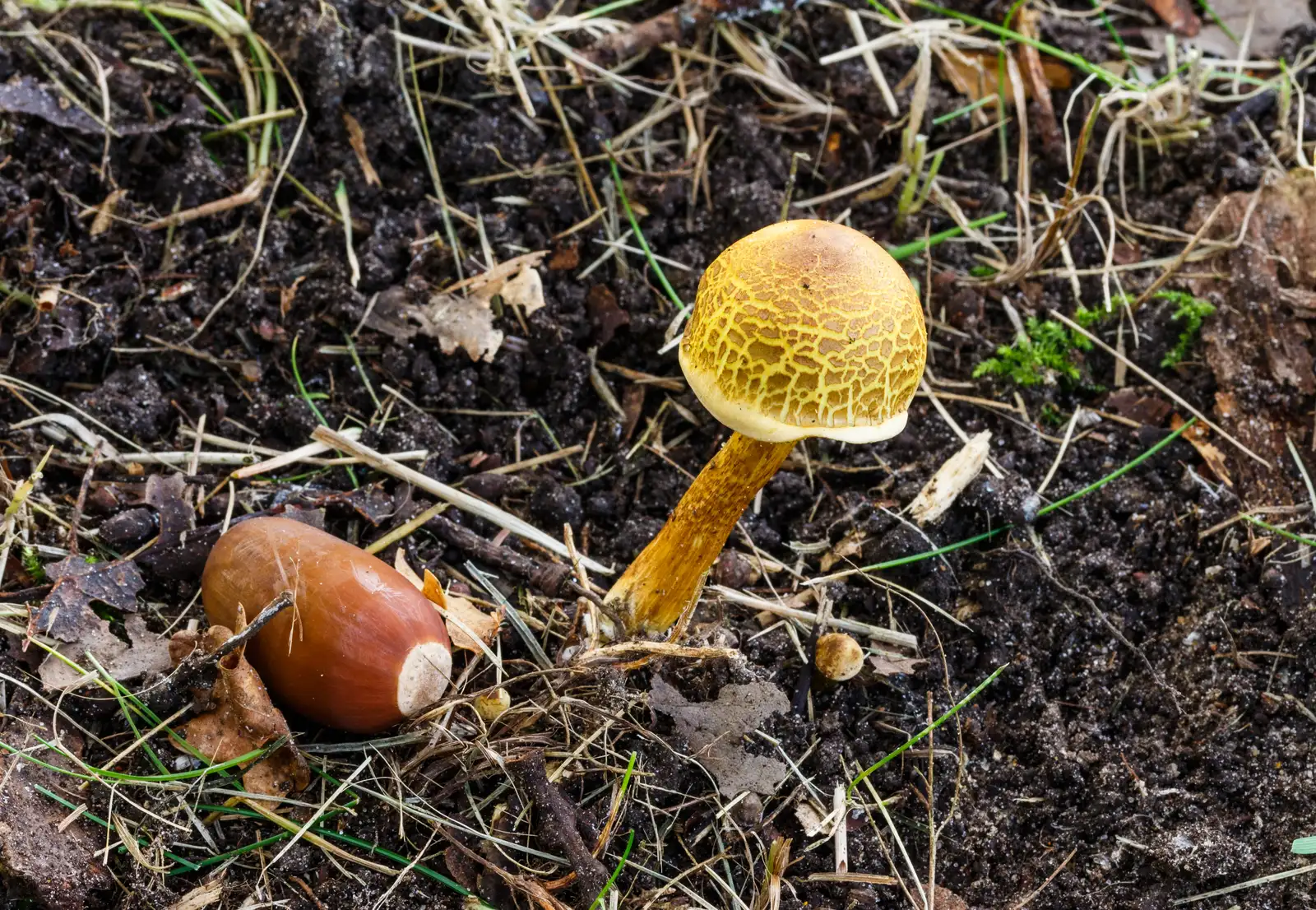
Producing an overabundance of acorns takes a massive amount of energy. If oaks have a large mast year, they need time to recover. Think of it less as a decision and more as a biological consequence. The tree depletes its stored resources and simply can’t repeat the performance the next year.
Mast production is notoriously unpredictable. Trees invest enormous energy in producing these crops, which means they often follow heavy mast years with periods of minimal production. This boom-and-bust cycle creates a ripple effect throughout the ecosystem.
The mast year takes a lot of energy out of the tree. After a major mast, the following crop can be tiny as the tree restores its energy reserves. This internal resource depletion helps explain why lean years reliably follow good ones, even when weather conditions seem favorable.
Predator Satiation: The Evolutionary Payoff
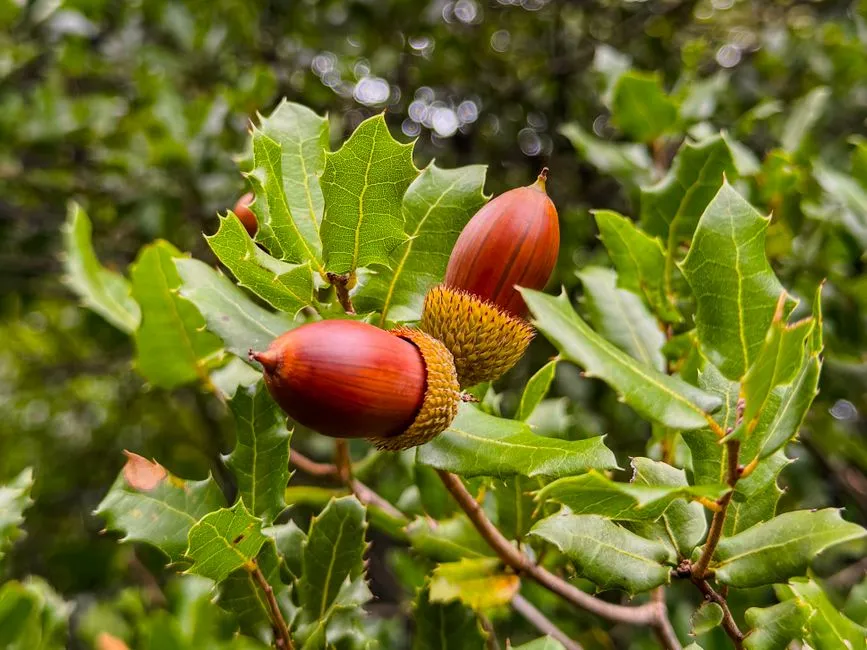
Scientists believe the masting strategy evolved primarily to outwit predators. In lean years, wildlife populations that depend on acorns decline. Then, in a mast year, the sudden flood of acorns overwhelms squirrels, deer, turkeys, and even insects, ensuring that some acorns survive to sprout into new oaks.
This interaction leads directly to the concept of predator satiation, which is generally considered one of the key evolutionary factors selecting for masting behavior. If trees always produced the same number of acorns, predator populations would eventually match and consume the entire crop, leaving nothing for oak regeneration.
When trees produce smaller crops for a few consecutive years, they effectively keep populations of acorn-eating animals in check. During a mast year, the trees produce more food than those animals can possibly eat. This causes a boom in small mammal populations like mice. More importantly, it guarantees that some acorns survive to grow into new trees.
How the Boom Ripples Through the Ecosystem
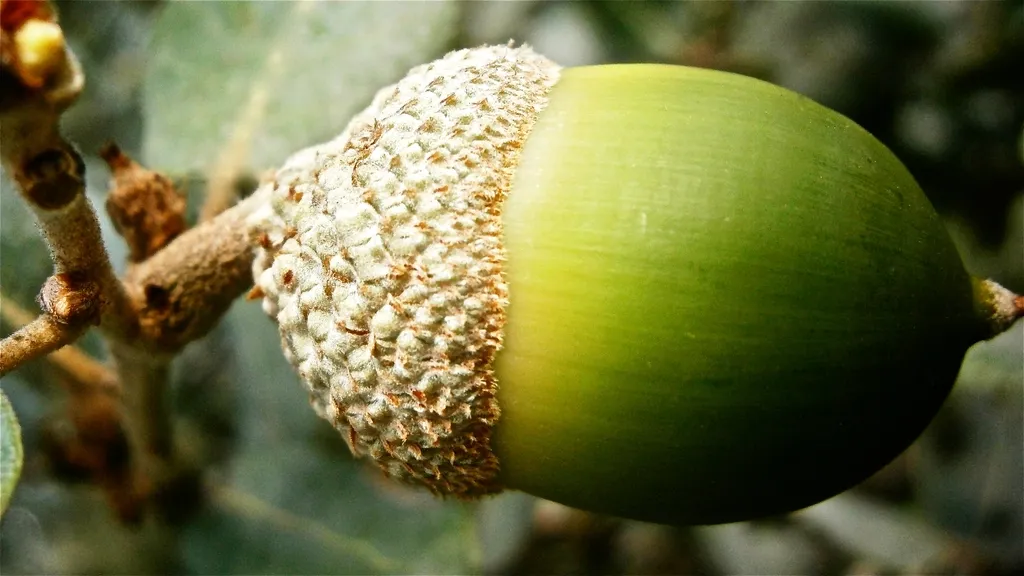
One frequently cited study found that masting in oak forest ecosystems sets off a “chain of reactions,” impacting populations of mice, deer, and chipmunks, which in turn affect populations of ground-nesting birds, invasive spongy moths, and ticks, the latter of which directly affects human health.
White-tailed deer, avid acorn eaters, are known to shift their distribution during mast years and congregate in oak-dominated stands. The following year, does are more likely to give birth to twins, reflecting just how deep the nutritional effects go. A bumper acorn crop in autumn can shape deer reproduction the following spring.
For some species, the phenomenon leads to undesirable outcomes. Ground-nesting birds, for example, are more likely to see their eggs predated upon the year after a mast seeding, thanks to an elevated mammal population now competing for less food. The cascade doesn’t stop with the acorns.
Not Every Tree Masts at the Same Time
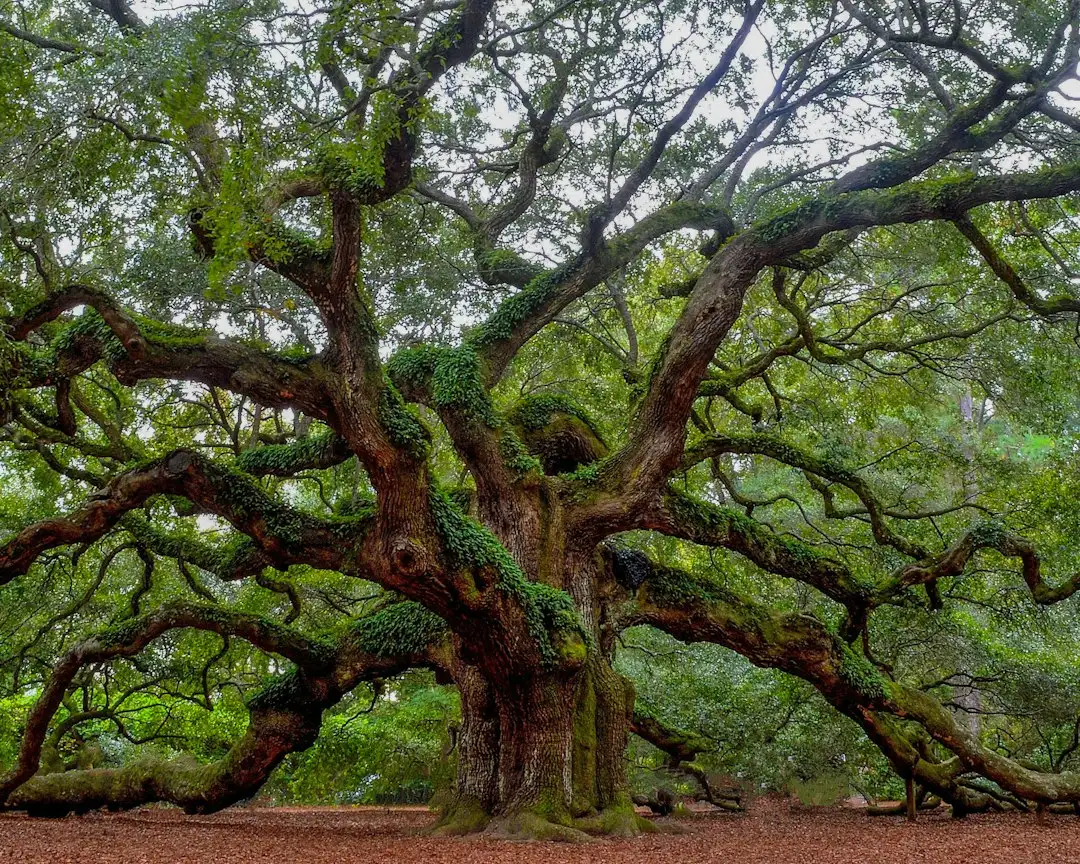
In some parts of the world, mast coordination stretches for hundreds of miles affecting thousands of trees. However, not all species of oaks mast in the same year, and not every individual tree will participate in a given mast event.
Several oak species are known to exhibit masting behavior, including white oak, red oak, black oak, and chestnut oak. Not all individual trees within a species will necessarily exhibit masting in a given year. The phenomenon varies by location, climate, and the specific conditions each tree has experienced.
Oak trees of different varieties, and even of the same variety, may not mast at the same time. Reports indicate that a given year can be a boom acorn year for some trees in a region but not others. Standing under two neighboring oaks in October can sometimes mean very different experiences.
What Climate Change Is Doing to Mast Cycles
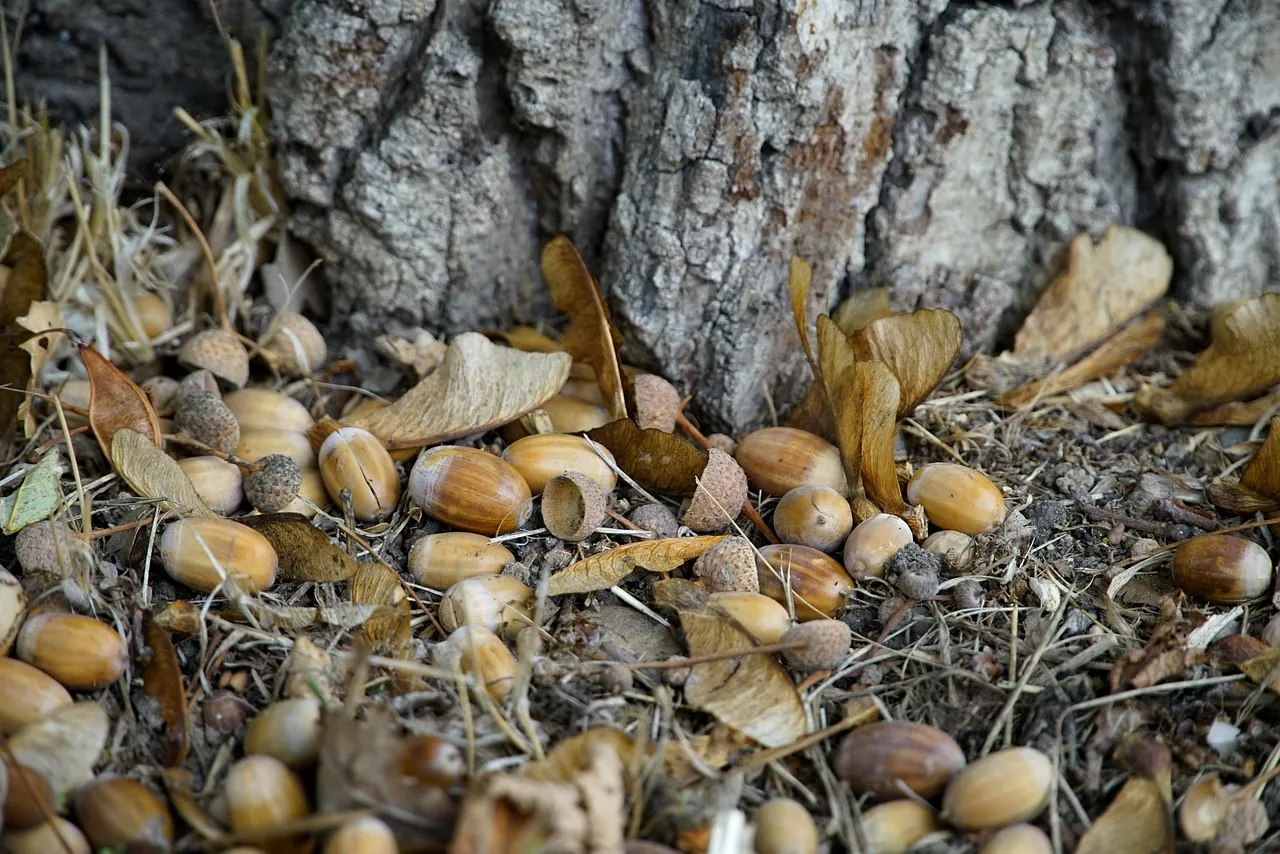
Research from a 39-year study in Maine found that white-footed mouse abundance increased by roughly two thirds and body mass by about fifteen percent, tracking an increase in red oak acorn production driven by forest growth and warmer springs. Larger oaks produced more acorns, and high-acorn years supported more than twice as many mice as low-acorn years.
In New York, by contrast, 33 years of data reveal no long-term increase in acorn production despite a measurable rise in annual minimum temperatures. Intervals between high-seeding years tended to lengthen, with a striking absence of acorn masting between 2019 and 2024. These regional differences suggest climate change is not playing out uniformly.
These studies show that the acorn-mouse interaction is robust, but that the pathway from warming to seed production depends on seasonal climate change and species-specific reproductive mechanisms. In short, warmer temperatures don’t automatically mean more acorns. The timing of that warmth matters enormously.
The Acorn-as-Winter-Predictor Myth
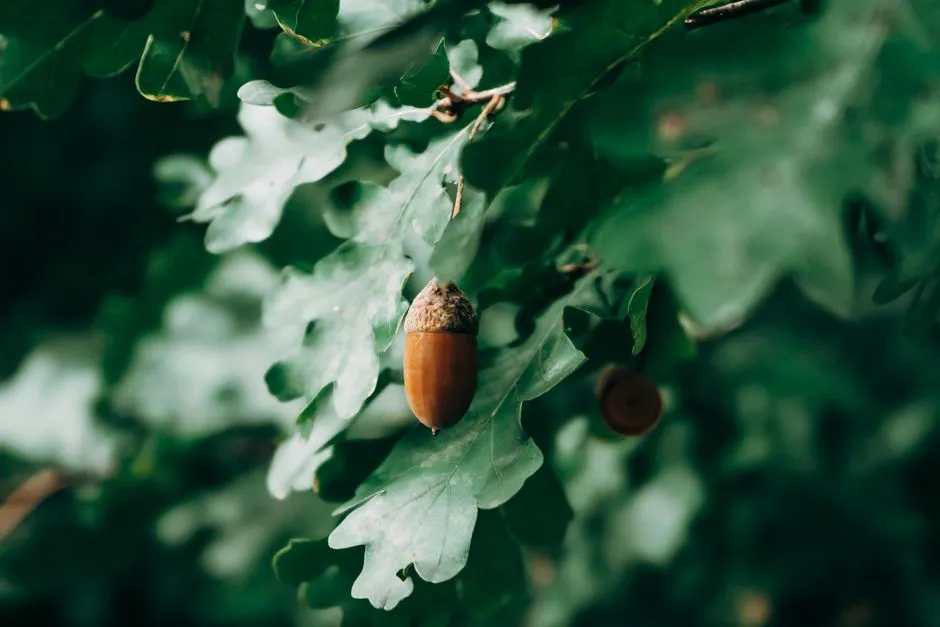
A mast year is not a predictor of a severe winter. Plants and animals are no better at predicting the future than we are. This is one of the most stubborn misconceptions surrounding acorns, and it surfaces every autumn without fail.
The idea that a big acorn year predicts a cold, harsh winter is simply a myth. Acorn production is not a predictor of the future but more likely tells the story of the past. The abundance of acorns reflects what happened in the seasons before they formed, not what is coming.
The abundance of acorns is not a predictor of the coming winter, with past weather, not future conditions, playing the key role in acorn generation. It’s a seductive idea, the notion that nature sends warnings, but the evidence simply doesn’t support it.
What Researchers Still Don’t Know
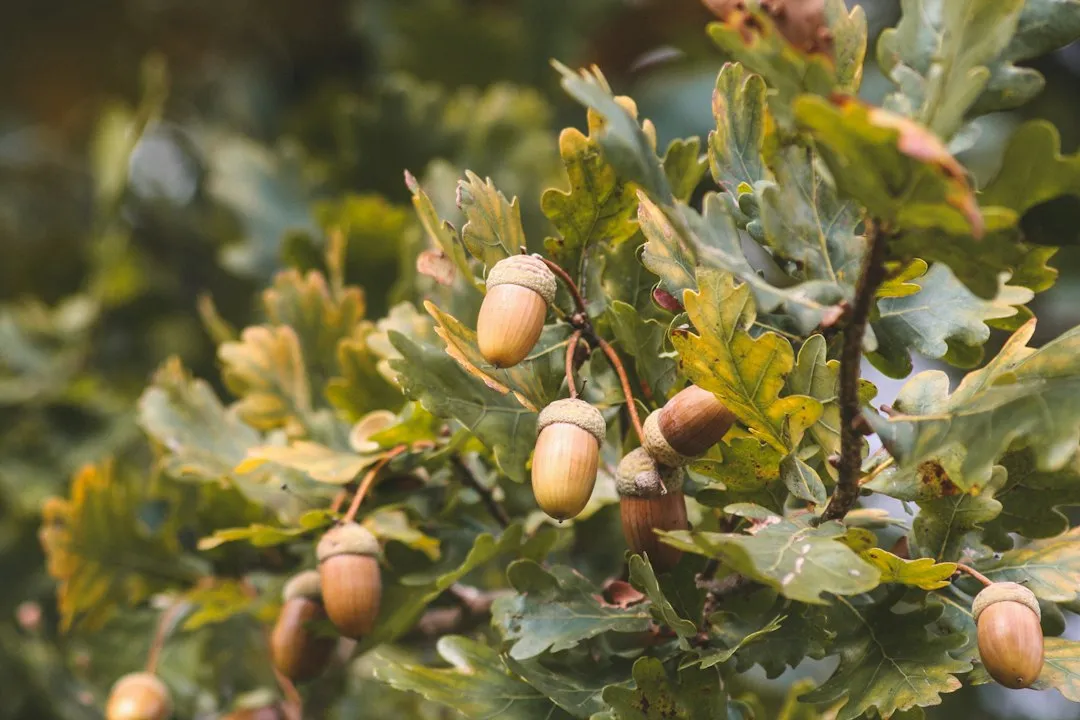
The why and how of these cycles remain one of the great mysteries of science. That’s not false modesty from researchers. Decades of observation across multiple continents have still not produced a complete, mechanistically proven explanation for why and how thousands of trees coordinate their reproduction so precisely.
In 2022, a group of almost one hundred researchers launched MASTREE+, a long-term dataset from across 66 countries dedicated to observing how plant reproduction is responding to changing conditions. This kind of collaborative, multi-decade effort is considered essential because mast cycles play out slowly and vary enormously across regions.
For scientists, tracking mast years has become a valuable tool for understanding forest health and climate impact. The humble acorn, it turns out, is a surprisingly sensitive recorder of what a forest has been through and perhaps a warning signal for what lies ahead as climates shift.
The Bigger Picture
AI Disclaimer: This article was created with the assistance of AI tools and reviewed by a human editor.