
Planting Too Shallow
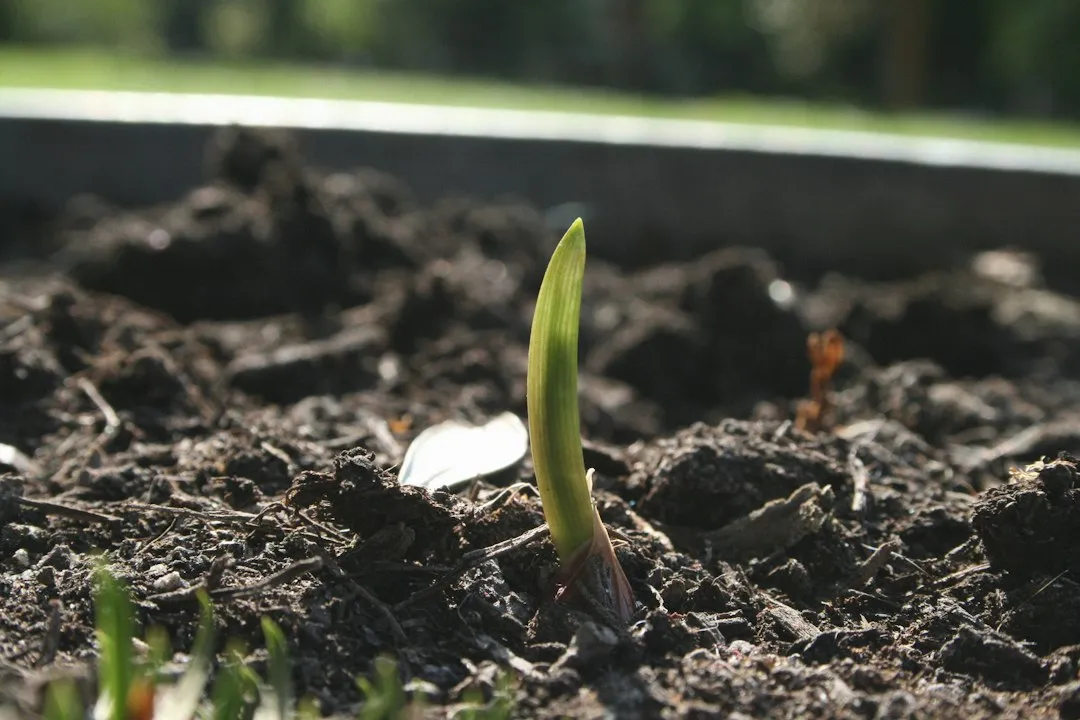
The most common cause of bulbs failing to flower is planting them too shallow. It’s a mistake that’s easy to make, especially if you’re in a hurry on a cold autumn afternoon. A bulb set too close to the surface doesn’t get enough insulation from winter temperature swings, and it can’t anchor itself firmly enough to push upright growth come spring.
The general rule of thumb is to sink each bulb three times as deep as it is tall, with the pointy end facing up. More precisely, plant bulbs three to four times as deep, measured from the bulb’s base, as the width of the bulb. For many gardeners, this feels deeper than instinct suggests, but the depth is there to protect and stabilize.
The best time to address shallow planting is in the spring, when bulbs should be flowering but are only in leaf. While the plant is in leaf, dig up the bulb and replant to a greater depth. Not ideal, but salvageable for the following season.
Getting the Timing Wrong

Timing matters tremendously when planting spring bulbs. Plant too early, when the soil is still warm, and the bulbs can dry out, rot, or sprout prematurely. Plant too late, and they won’t have time to establish roots before the ground freezes solid.
Plant fall bulbs when soil drops below 60°F, roughly six weeks before your first hard frost. This means September or October in northern regions and October or November in the South. Spring-flowering bulbs are typically planted in November, when soil temperature has dropped below 60°F.
Between roughly Labor Day and the first hard freeze, gardeners across USDA zones 3 through 7 have a narrow window to get daffodils, tulips, crocus, hyacinths, and alliums into the ground so their roots can settle before winter dormancy. Missing that window, even by a few weeks, can noticeably diminish the spring display.
Ignoring Chilling Hour Requirements
Most spring-flowering bulbs need a twelve to sixteen week chilling period to produce flowers. This is perhaps the least understood requirement among casual gardeners. The cold isn’t just dormancy. It’s a biological trigger that the bulb needs in order to build the flower it will eventually push out of the ground.
Tulips need twelve to sixteen weeks below 45°F; daffodils need twelve to fourteen weeks; hyacinths need twelve to fifteen weeks. When bulbs do not receive a long enough chilling period, they usually produce shorter stems and bloom close to the ground. In warmer climates, many don’t bloom at all.
In zones 8 to 11, you must pre-chill bulbs in a refrigerator. If storing bulbs in a refrigerator, keep them away from any produce that gives off ethylene. Don’t put them in the same drawer as lettuce, tomatoes, or apples. The ethylene gas from ripening fruit can destroy the embryonic flower inside the bulb before it ever gets planted.
Planting in Waterlogged Soil
Standing water is a bulb’s worst enemy because it causes them to rot before spring even begins. If there is no growth in spring, too much moisture or heavy soils with poor drainage are typically to blame. The rot happens silently underground over winter, leaving nothing to emerge come March.
Bulb rot occurs globally and is most prevalent in regions with cool wet winters or springs, heavy or compacted soils that retain moisture, and poorly drained garden beds. Bulb rot is caused by soil-borne fungal and bacterial pathogens that attack bulb tissue when environmental conditions favor infection. The most common culprits include fungi from the genera Fusarium, Phytophthora, Rhizoctonia, and Sclerotinia.
If your garden has heavy, slowly draining soil, consider planting bulbs in a raised bed. The soil in raised beds drains faster and warms faster in spring, so you’ll have blooms a bit earlier than if you planted them in the ground.
Cutting Foliage Too Early
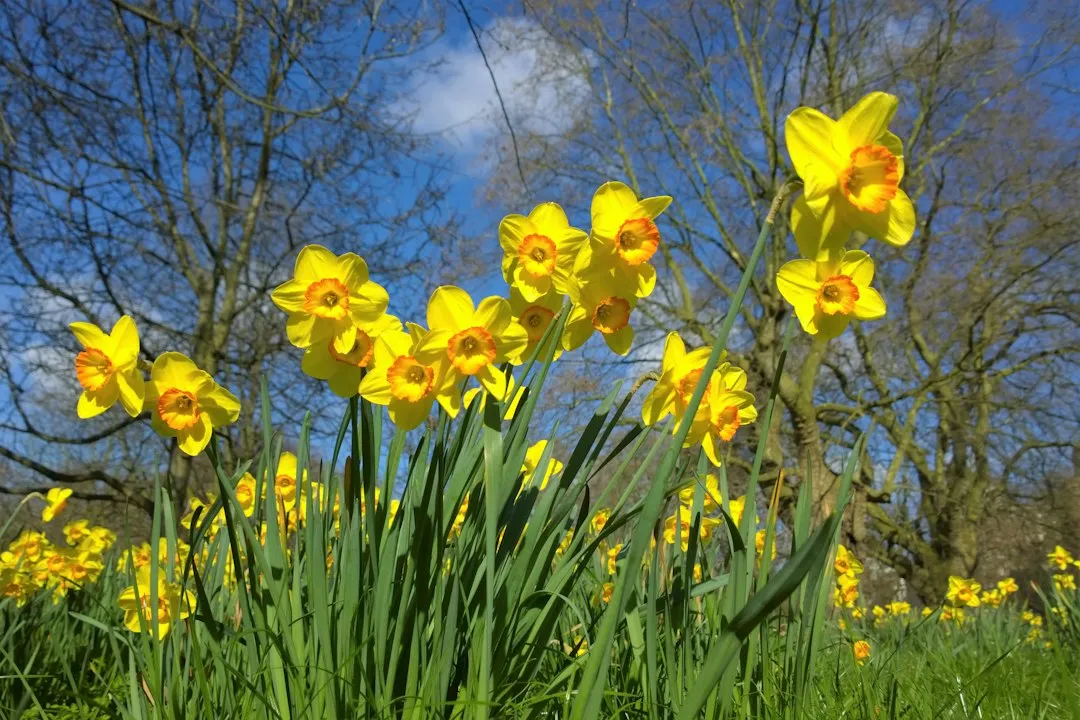
One of the most common bulb planting mistakes is cutting back the foliage too early. It looks messy after flowering, and the impulse to tidy it away is understandable. But that dying foliage is doing critical work that determines whether your bulbs return next year.
The daffodil leaf is the factory that manufactures next year’s flower. Photosynthesis in the six weeks after bloom is when the bulb refills its carbohydrate reserves and initiates the embryonic flower bud inside. Cut the leaves off early, and you interrupt that process entirely.
After your bulbs flower in spring, leave the foliage in place until it yellows and can be pulled away easily. The leaves are feeding the bulb, storing energy for next year’s bloom. Cutting them off early starves the bulb. It’s a slow starvation that shows up as an empty bed the following spring.
Skipping Fertilization
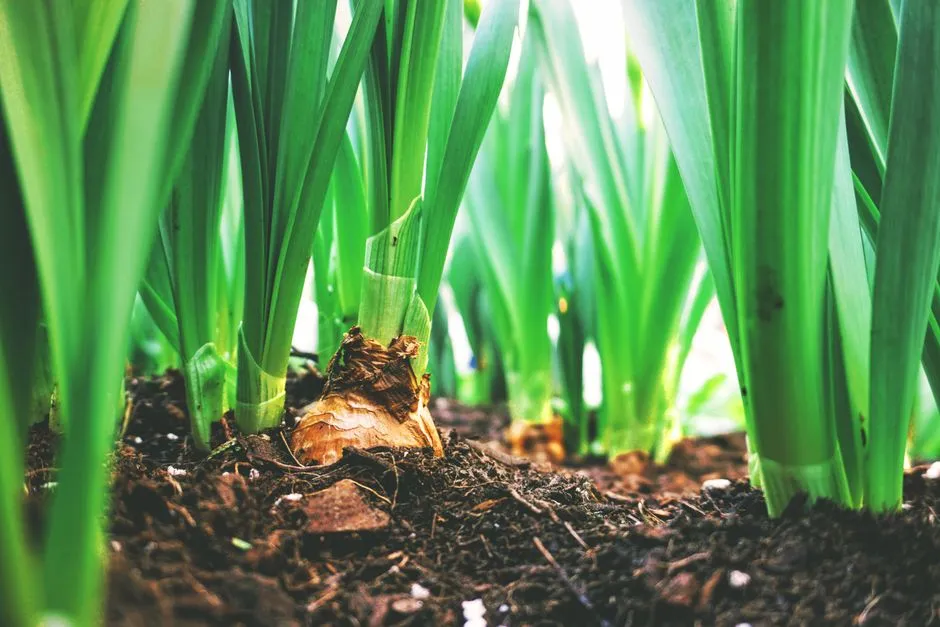
Bulbs store their own energy to produce flowers, but they still need nutrients to replenish those reserves for future blooms. Many gardeners skip fertilizing, not realizing they’re setting up their bulbs for diminishing returns each year. This mistake becomes apparent when bulbs that bloomed beautifully the first year produce smaller flowers or fail to bloom in subsequent seasons.
Add bulb fertilizer or bone meal to the planting hole before placing your bulbs. Choose a fertilizer high in phosphorus to encourage strong root growth and flower production. Avoid high-nitrogen fertilizers, which promote foliage growth at the expense of flowers.
If bulbs are receiving sufficient light but still not flowering well, poor nutrition could be the cause. Although most bulbs are not heavy feeders, they can benefit from a light application of a balanced fertilizer in early spring.
Choosing the Wrong Location for Sunlight
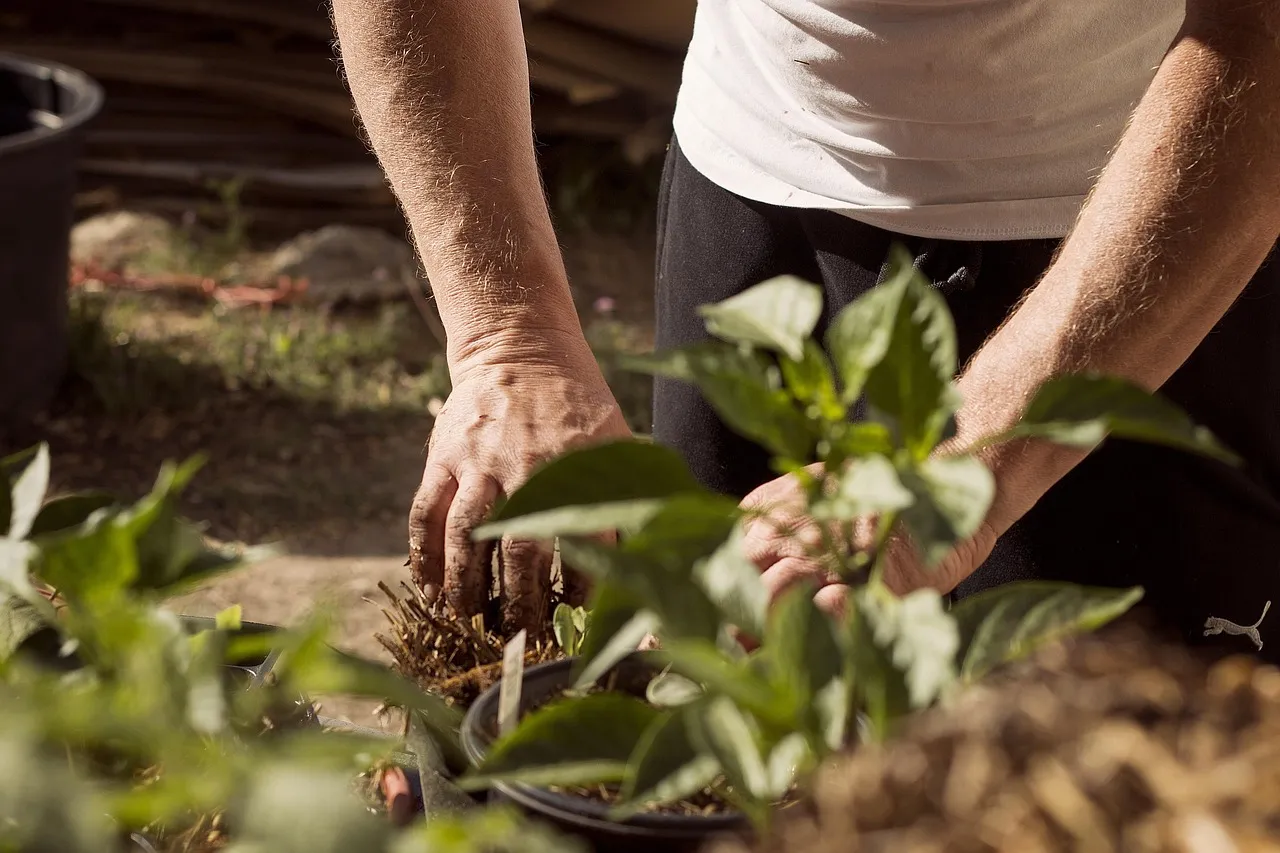
Most spring bulbs need at least six hours of direct sunlight daily to bloom properly. A spot that looks open and sunny in autumn can be surprisingly shaded once trees leaf out in spring. It’s worth observing the light conditions in your intended bed across different seasons before committing bulbs to that location.
Bulbs and bulb-like plants perform best when foliage gets plenty of sun. The foliage uses sunlight to convert energy into bulb mass. When bulbs do not get enough sun, bulb mass is weakened. Without enough mass, a bulb cannot produce flowers.
For early bloomers like daffodils, a spot that gets sun before deciduous trees leaf out in the spring works well. By the time trees start shading your bulb bed, early-blooming bulbs will be almost finished for the year.
Wildlife Damage Before Spring Arrives
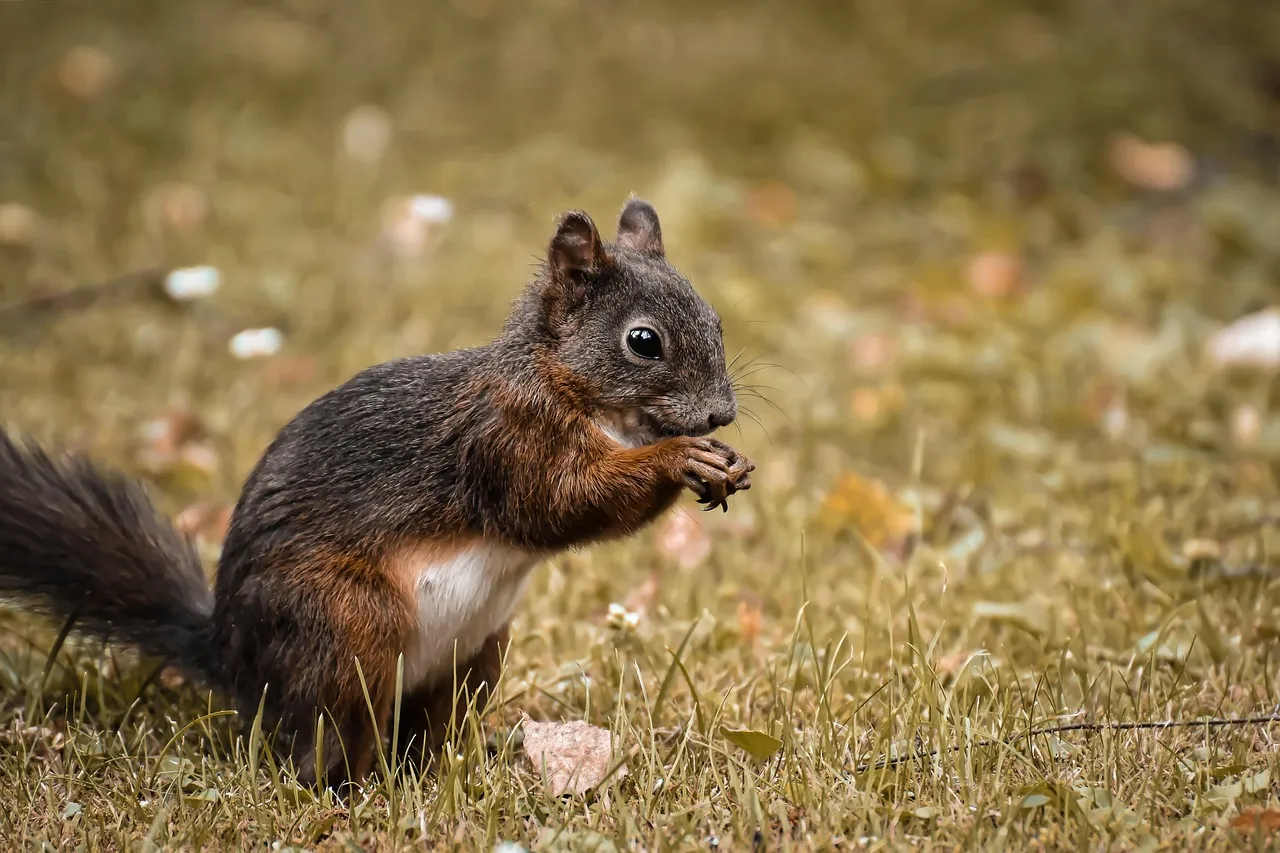
Squirrels, chipmunks, and deer love snacking on bulbs, especially during lean winter months. Without protection, you might find your entire planting dug up within days. This is one of those problems that gardeners often attribute to a failed planting when the real culprit has four legs and excellent digging instincts.
Mice are the most common rodents to eat flower bulbs, but squirrels, chipmunks, and voles also enjoy these tasty snacks. Pocket gophers, chipmunks, ground squirrels, and mice relish many bulbs, with tulips being firm favorites. They avoid daffodils and other narcissus because of their bitter taste.
Cover bulb beds with chicken wire or hardware cloth after planting. You can also choose bulbs that animals avoid, like daffodils and alliums, which taste bitter. Sprinkling cayenne pepper or using repellent sprays provides extra defense against persistent critters.
Overcrowding Without Dividing
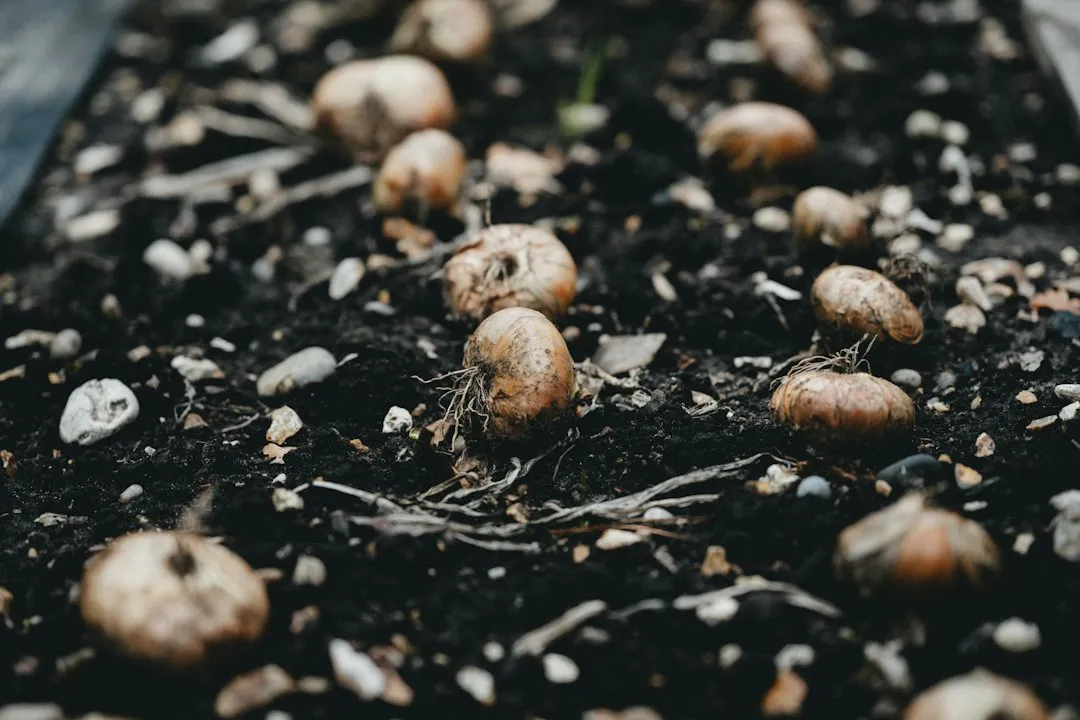
Many spring bulbs will stop flowering after a few years. This often happens when clumps of bulbs have grown too big and haven’t been divided, as too many bulbs are competing with each other for light and nutrients. What was a gorgeous display in year two can quietly collapse by year five simply because nobody divided the clumps.
Bulbs will decline if they experience overcrowding, poor soil fertility, or increasing shade. The fix is to lift the entire clump in late spring once the foliage has yellowed, approximately six weeks after bloom, separate the offsets, discard any that are smaller than a marble, and replant individually at the correct depth.
Spacing of four to six inches between bulbs prevents rapid re-congestion. It seems generous when you’re planting, but that breathing room pays off considerably over multiple seasons of growth.
Buying Poor-Quality Bulbs to Begin With

Choose plump, firm bulbs that feel heavy for their size. Avoid soft or shriveled bulbs. This sounds obvious, but end-of-season sales and bargain bin displays are full of bulbs that were poorly stored and are already compromised before they go in the ground.
When purchasing bulbs, choose ones without mold, bruising, or soft spots. If not stored in optimal conditions, bulbs can become dehydrated, damaged, or can sprout prematurely. If they sprout before they have been chilled, they won’t flower.
It’s okay to plant iffy-looking bulbs, but stick them in an out-of-the-way spot where they’ll be a bonus if they do pop up. For your main garden bed, select the best quality bulbs to ensure plentiful spring blooms. A bed is only as good as the bulbs you put in it.
The Pattern Behind Every Empty Bed

Look back through the ten mistakes above and a clear pattern emerges. Most empty spring beds trace back to decisions made in a ten or fifteen minute window in autumn, often when the gardener was in a rush or working from incomplete information. Depth, timing, drainage, soil quality, and animal protection are all decisions made before winter sets in.
The encouraging flip side is that bulbs are generous by nature. Get the fundamentals right and they ask very little in return. The start of fall is the time to plan and prep spring flowering bulbs, despite spring seeming a long way away. Choosing varieties to plant can help lift spirits as summer fades, since there are so many options full of promise for post-winter cheer.
That promise is real and reliable. An empty bed in spring is almost never the bulb’s fault. It’s a message from last autumn, pointing back to something that could have gone differently. The good news is that autumn comes around again every year.
AI Disclaimer: This article was created with the assistance of AI tools and reviewed by a human editor.