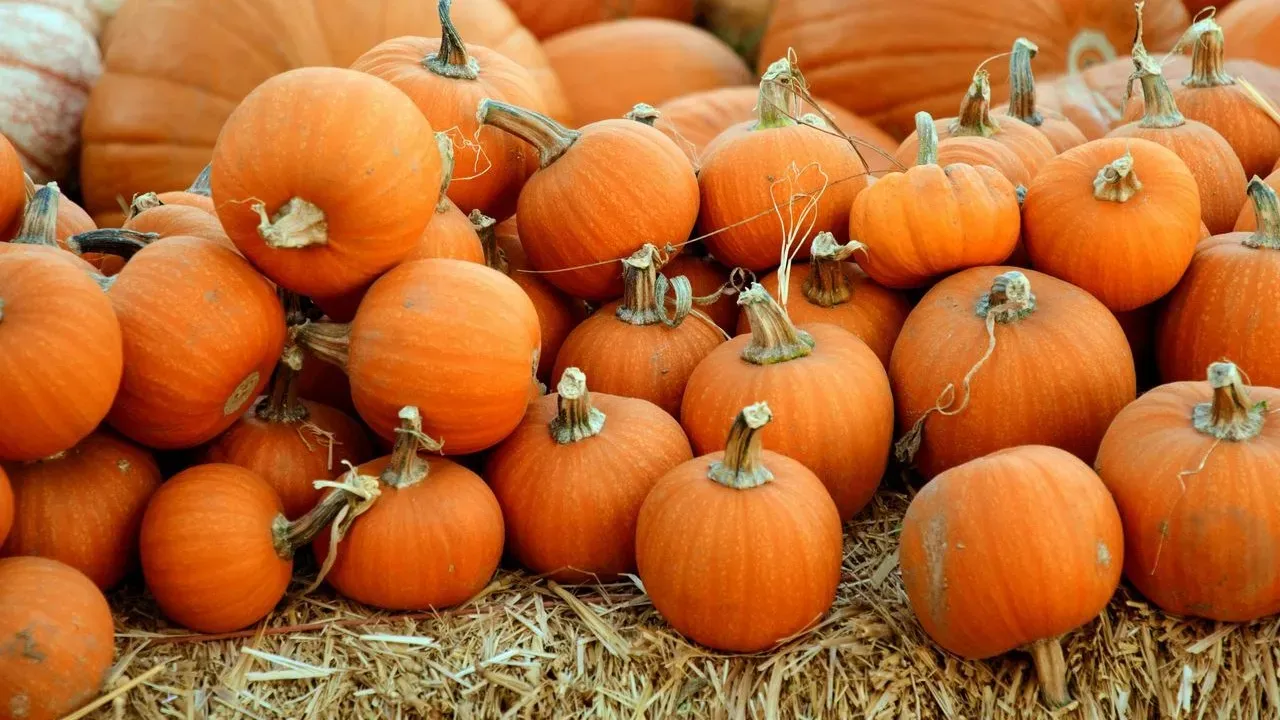

Many shoppers head to the pumpkin patch each fall and select the largest, roundest specimen they can find, only to watch it soften at the base within days. Others carve a festive lantern and later discover the roasted remains turn stringy and watery instead of rich and smooth. These disappointments stem from a few overlooked details during selection, details that separate pumpkins built to endure from those destined for quick decline. The solution lies in simple, hands-on checks that anyone can perform right at the patch. ([1])
The Everyday Frustration of a Short-Lived Pumpkin
A pumpkin that feels solid in the field can still harbor hidden weaknesses that surface once it reaches home. Soft spots often begin at the bottom where moisture collects, while thin or damaged rinds allow rot to spread rapidly. Shoppers who lift by the stem risk cracking the attachment point, creating an entry for decay that shortens the life of even a promising specimen. These issues become especially noticeable when the same pumpkin is expected to serve both display and kitchen duties.
Five Practical Checks Before You Buy
A reliable pumpkin reveals its quality through weight, sound, and surface condition rather than size or color alone. Begin by examining the stem, which should measure an inch or two long and feel firm rather than shriveled or rubbery. Next, lift the pumpkin to gauge its heft; denser specimens contain thicker walls that resist damage during transport and carving. A gentle tap can offer clues, producing a hollow tone in mature fruit, though this test works best alongside other indicators. Press a fingernail lightly against the rind to confirm it resists denting, a sign the pumpkin reached full maturity before harvest. Finally, inspect the base for sunken or soft areas and ensure the overall shape allows stable placement if carving is planned. Avoid any fruit showing cracks, cuts, or early signs of bruising.
Matching the Right Pumpkin to Its Purpose
Field pumpkins grown for carving differ markedly from the smaller varieties suited to cooking. The larger types contain more water and stringy fibers that make them ideal for hollowing into lanterns yet less appealing on the plate. Smaller pie or sugar pumpkins deliver denser, sweeter flesh that roasts evenly and purees smoothly for breads, pies, and soups.
| Use | Recommended Type | Typical Size |
|---|---|---|
| Carving and display | Field or jack-o’-lantern pumpkins | Medium to large |
| Cooking and baking | Pie or sugar pumpkins | 4 to 8 pounds |
Butternut squash and certain heirloom varieties such as Long Island Cheese also perform well in the kitchen when a pie pumpkin is unavailable. Selecting two separate pumpkins removes the compromise that often leaves cooks disappointed with watery results.
Keeping a Pumpkin Fresh From Patch to Table
Whole, undamaged pumpkins store for weeks or even months when placed in a cool, dark, ventilated area away from ripening fruit. A single layer on a shelf or floor allows air to circulate and prevents moisture buildup that accelerates spoilage. Cleaning requires only water and a brush; soap is unnecessary and may leave residues. Once carved, the timeline shortens dramatically. Thorough removal of seeds and pulp, followed by a light disinfectant wipe and a thin coat of petroleum jelly on cut surfaces, helps retain moisture. Battery-powered lights replace candles for safety, and temperatures between 50 and 60 degrees Fahrenheit slow bacterial growth. Cooked pumpkin freezes well in airtight containers, while home canning of puree is not recommended due to safety concerns with low-acid foods.
Putting the Right Pumpkin to Work
The same care that extends a pumpkin’s display life also improves its performance in recipes. A well-chosen pie pumpkin yields smoother puree for muffins, scones, or cheesecake, while a sturdy carving specimen holds intricate designs through the holiday season. Shoppers who apply these checks consistently report fewer disappointments and more versatile results from their seasonal purchases. In the end, a thoughtful selection at the patch rewards both the eye and the table long after the leaves have fallen.
AI Disclaimer: This article was created with the assistance of AI tools and reviewed by a human editor.