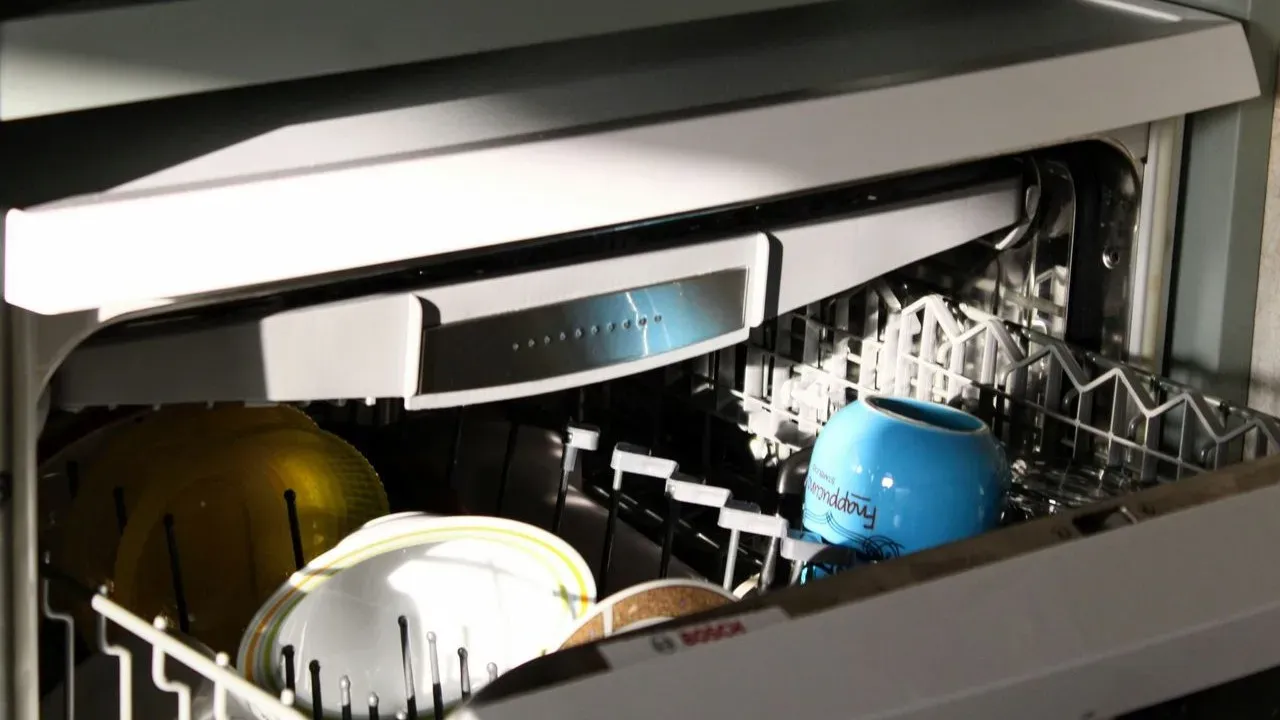

Many households load the dishwasher without a second thought, trusting hot water and strong detergent to handle everything from everyday plates to specialty cookware. Yet certain items suffer hidden damage that shortens their useful life, from lost seasoning on cast iron to dulled finishes on copper. The risks stem from the combination of heat, moisture, harsh chemicals, and mechanical action inside the machine. ([1])
Three Items That Belong Out of the Machine
Cast iron cookware loses its protective seasoning layer when exposed to dishwasher cycles. Without that baked-on oil coating, the metal becomes prone to rust and loses the natural nonstick quality that makes it valuable. Manufacturers such as Lodge advise against the machine entirely and recommend hand washing followed by immediate drying instead.
High-quality kitchen knives face similar threats. Elevated temperatures and the tumbling action can dull fine edges while handles absorb moisture or suffer abrasion from other items. Makers including Wüsthof explicitly warn against dishwasher use and suggest prompt hand washing with mild soap and thorough drying right after each meal.
Copper cookware presents another clear case for hand care. Detergents containing bleach or other corrosives can pit the surface and shorten the pan’s lifespan. Most copper specialists, such as Mauviel, recommend gentle cleaning with a soft cloth, warm water, and appropriate polish to preserve the warm tone and structural integrity.
Three Items That Depend on Specific Details
Wooden cutting boards fall into a gray area. Solid wood versions sometimes survive a cycle, yet laminated boards often crack or split under prolonged heat and moisture. Experts at the University of Wisconsin Extension note that any board showing deep grooves or cracks should be replaced because bacteria can hide in those crevices, and regular oiling helps wood withstand moisture changes when hand washed.
Nonstick pans vary by brand and model. Some lines tolerate the dishwasher, but repeated exposure to strong detergents can discolor or degrade the coating over time. T-fal and similar makers generally favor hand washing with warm sudsy water and a nylon sponge to extend the life of the nonstick surface.
Insulated tumblers and travel mugs also require checking the care label. Certain models from YETI are explicitly labeled dishwasher safe, while others restrict lids, gaskets, or specific finishes. When in doubt, removing the lid and washing components separately by hand prevents warping or seal damage that heat can cause.
Why These Materials React Poorly
The dishwasher environment combines several stressors that everyday dishes tolerate but specialty items do not. High heat can warp wood or soften certain coatings, while alkaline detergents strip protective layers from metals. Friction from other dishes adds scratches and edge wear that accumulate with each load.
These effects often appear gradually rather than in a single cycle, which is why many people continue the habit until a favorite pan rusts or a knife loses its edge. Reading the manufacturer’s instructions for each piece remains the most reliable way to avoid unintended damage.
Simple Steps That Extend the Life of Your Tools
Hand washing takes only a few extra minutes and protects the investment in quality cookware. For cast iron and knives, complete drying immediately after washing prevents rust and maintains performance. Copper benefits from occasional polishing to restore its glow, while wooden boards stand upright to air dry and receive periodic oil treatments.
When a care label is missing or unclear, defaulting to hand washing preserves the item without risk. This approach applies equally to the three items that should stay out entirely and the three that need case-by-case evaluation.
AI Disclaimer: This article was created with the assistance of AI tools and reviewed by a human editor.