

A Growing Number of Older Drivers on the Road

The sheer number of older drivers on U.S. roads has expanded significantly in recent years. The number of licensed drivers aged 70 and older more than doubled between 1997 and 2024, with the proportion of that population holding licenses rising from roughly three quarters to nearly nine in ten. That’s a meaningful shift in who’s behind the wheel on any given highway.
Older adults aged 65 and older now make up about 18 percent of the U.S. population, totaling over 61 million people as of 2024. According to the U.S. Census Bureau, the 70-and-older population is projected to increase to 57 million by 2035. The conversation about driving safety is only going to become more relevant as these numbers continue to climb.
The Real Risk Picture: Complicated, Not Simple
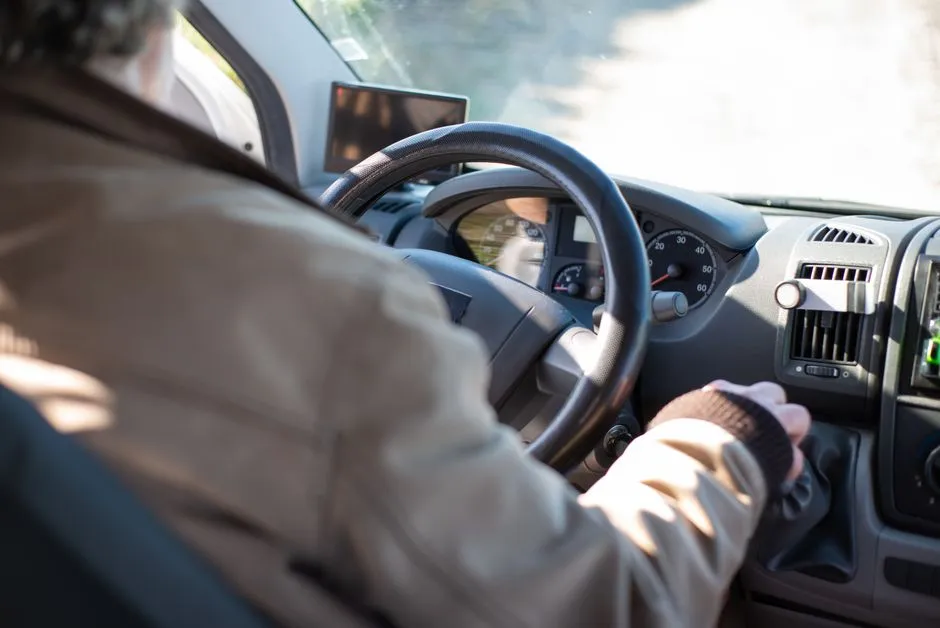
Though many people stereotype older drivers as a danger on the road, research says otherwise. According to the National Safety Council, people between the ages of 25 and 34 are nearly seven times more likely to be involved in an accident than those aged 75 and above. That’s a figure most people find surprising.
Still, the picture isn’t entirely reassuring. Drivers aged 70 and older have higher crash death rates per 1,000 crashes than middle-aged drivers, primarily due to increased vulnerability to injury in a crash. Seniors who do get into an accident are more likely to experience fatal injuries because they are often more susceptible to injuries in general. The issue isn’t necessarily causing crashes, it’s surviving them.
The Fatality Numbers We Can’t Ignore

In 2024, over 8,000 adults aged 65 and older were killed in traffic crashes, making up roughly one fifth of all traffic fatalities in the United States. The number of motor vehicle deaths involving drivers and other road users aged 65 and older increased in 2024, and over the last decade, that number has risen by about a third.
The Centers for Disease Control and Prevention report that as of 2024, almost 540 older adult drivers are injured and more than 20 are killed in auto accidents in the U.S. each day. Those are daily figures. They’re worth sitting with for a moment. In 2024, roughly seven in ten people killed in crashes involving drivers aged 70 or older were either the older drivers themselves or their passengers.
When Getting Lost Becomes a Warning Sign

Getting occasionally turned around in an unfamiliar city is one thing. Regularly losing your way on routes you’ve driven for years is something else entirely. The NHTSA lists getting lost on routes that should be familiar, noticing new dents or scratches on the vehicle, receiving a ticket for a driving violation, and experiencing a near-miss or crash as key warning signs worth paying attention to.
Spatial disorientation while driving can be among the earliest visible signs of cognitive change. According to the National Institute on Aging, natural age-related issues like diminished vision, stiff joints, slower reflexes, reduced hearing, and potential cognitive challenges can all impact safe driving, making it more challenging to react quickly, assess road conditions accurately, and maintain vehicle control.
Vision Changes That Quietly Shift the Risk
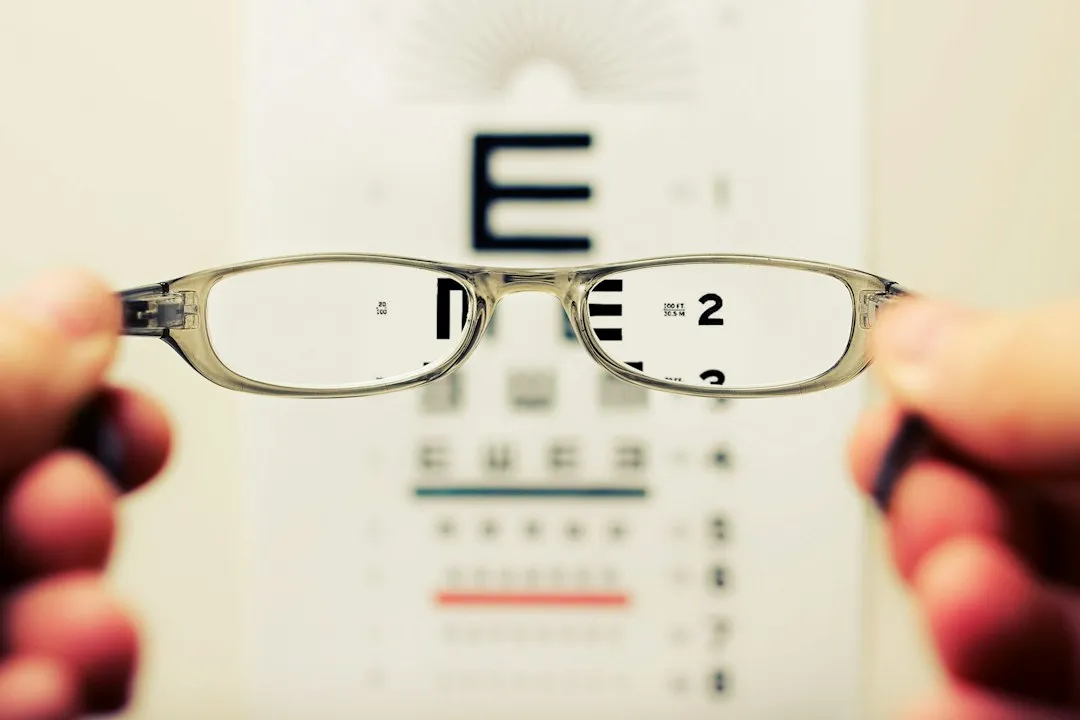
Warning signs related to vision include difficulty seeing stationary objects, reduced depth perception, poor peripheral vision, and impaired night vision. These aren’t dramatic sudden changes. They tend to creep in gradually, which is exactly what makes them so easy to dismiss.
Age-related visual impairments can affect an older driver’s ability to see clearly or judge distances correctly. Vision checks at the doctor’s office don’t always capture the full picture of how well someone processes a complex, fast-moving traffic scene. Some drivers unable to read road signs discover through clinical evaluation that they need cataract removals or a change in their prescription, and by addressing these underlying factors, they may be able to keep driving.
Physical Changes Behind the Wheel
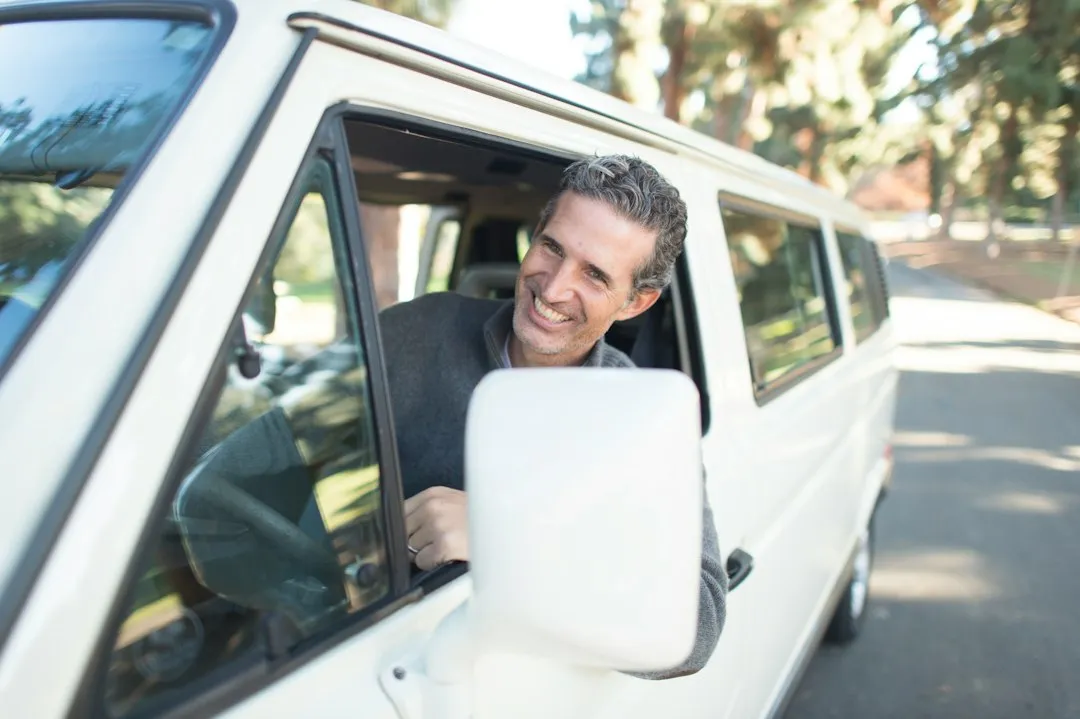
Arthritis and joint stiffness can limit mobility and range of motion, hearing loss can make it challenging to hear sirens and other auditory cues, and chronic pain can be distracting and affect comfort and focus while driving. These are conditions millions of older adults manage every day, often without realizing their cumulative effect on driving performance.
Joint pain and stiffness can make it hard to turn your head or the steering wheel, both of which are fundamental to safe lane changes and reversing. Trouble moving a foot between the gas and brake pedals, or confusion between the two, is another sign that deserves serious attention. When physical limitations start to interfere with basic vehicle controls, the risk profile changes considerably.
The Cognitive Piece: Dementia, Mild Impairment, and the Gray Area

Several studies have shown that higher levels of physical, cognitive, or visual impairment among older drivers are associated with increased risk of crash involvement. Cognitive decline is perhaps the most difficult factor to assess because it rarely announces itself clearly, especially in the early stages.
Research indicates that as many as roughly three in five older adults with mild cognitive impairment and about three in ten older adults with dementia continue to drive. The National Institute on Aging and the Alzheimer’s Association both advise that driving is possible for some people in the earlier stages of Alzheimer’s and other forms of dementia. The key word here is “some,” and determining who falls into that category requires professional evaluation, not guesswork.
Medications: The Overlooked Factor

Taking any medication that might affect driving safely is listed among the NHTSA’s key warning signs for when a driver’s fitness should be reassessed. This is a factor that often gets overlooked because the medications in question are frequently prescribed for routine conditions: sleep disorders, anxiety, blood pressure, or pain management.
Research from the CDC reveals that drivers aged 70 and older face higher crash fatality rates due to age-related changes, including the influence of certain medications that can cause health issues and affect reasoning and memory. While many older adults value the independence of driving, changes that happen with age may alter a person’s ability to drive safely, and changes in health including medical conditions or injuries may also impact driving skills. A conversation with a doctor about the full medication list is often a practical starting point.
What Stopping Driving Can Actually Do to a Person

This part of the conversation gets less attention than it deserves. The focus tends to fall entirely on safety, but the health consequences of giving up driving are real and well-documented. Findings from a comprehensive scoping review consistently demonstrated that driving cessation was associated with increased depressive symptoms, anxiety, social isolation, and decreased out-of-home activities.
A meta-analysis based on pooled data from five studies examining the association between driving cessation and depression revealed that driving cessation almost doubled the risk of depressive symptoms in older adults. Driving cessation is also associated with decreased quality of life, reduced access to healthcare services, reduced physical and social functioning, admission to long-term care centers, and increased mortality. These aren’t trivial outcomes. Any plan to stop driving must come with a credible plan to replace the mobility and social connection it provided.
How to Have the Conversation Without Causing Harm

Talking with an older person about their driving is often difficult. Most people delay that talk until the driving has become what they believe to be dangerous, and at that point, conversations can be tense and awkward for everyone involved. Starting earlier, before a crisis forces the issue, tends to go more smoothly.
Start by expressing concern for their safety and the safety of others, share specific examples of risky driving behavior you’ve observed, avoid being confrontational, ask questions and listen, and involve a doctor if needed, especially if medical conditions or medications may be affecting their driving. Age alone doesn’t make a driver unsafe. Medical conditions and physical and cognitive skills all play a role in deciding when to hand over the keys. Framing it that way, focused on health rather than age, makes the conversation far more productive.
Licensing Renewals and What States Are Doing
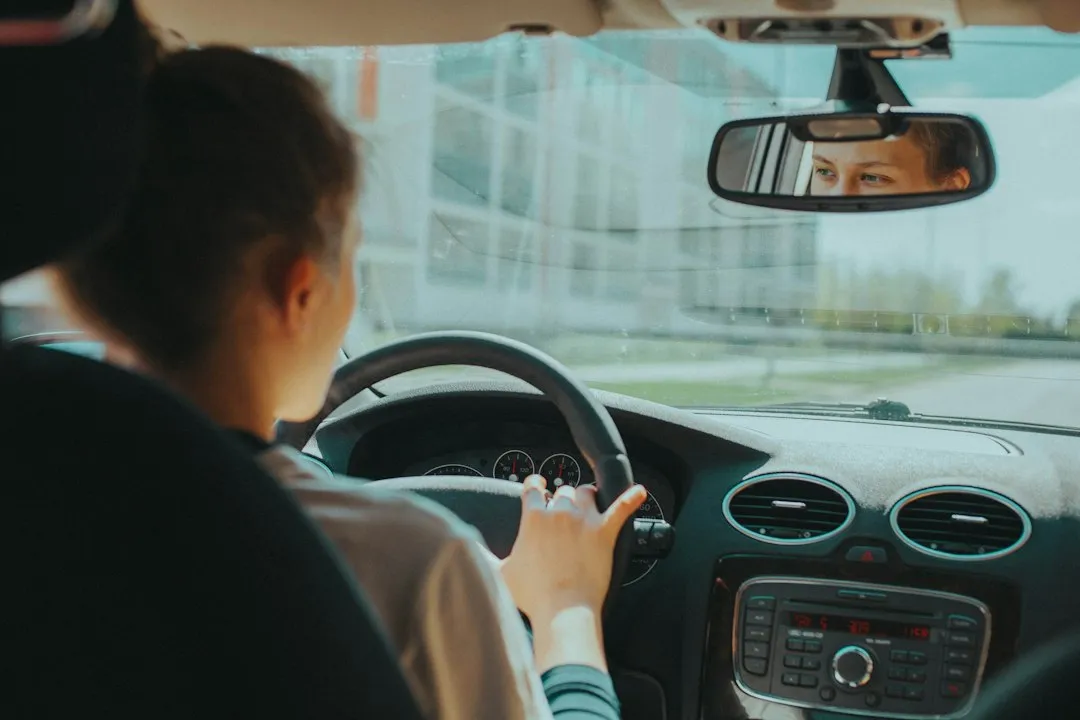
Most U.S. states have one or more renewal provisions specific to older drivers, such as shorter renewal cycles, required vision or road testing, and in-person rather than mail or electronic renewal, though the ages at which these special regulations apply vary by state. These measures exist for a reason, even if they’re inconsistently applied.
A study found that increasing the time between license renewals was associated with higher injury rates among drivers aged 75 and older. Regulations requiring in-person renewal or vision testing are associated with lower fatality rates among drivers aged 85 and older. The evidence points toward more contact, not less, when it comes to monitoring fitness to drive in later life. Evaluation of fitness to drive, risks related to driving, and personal preferences about driving can all play a role in when someone ultimately stops.
The Takeaway
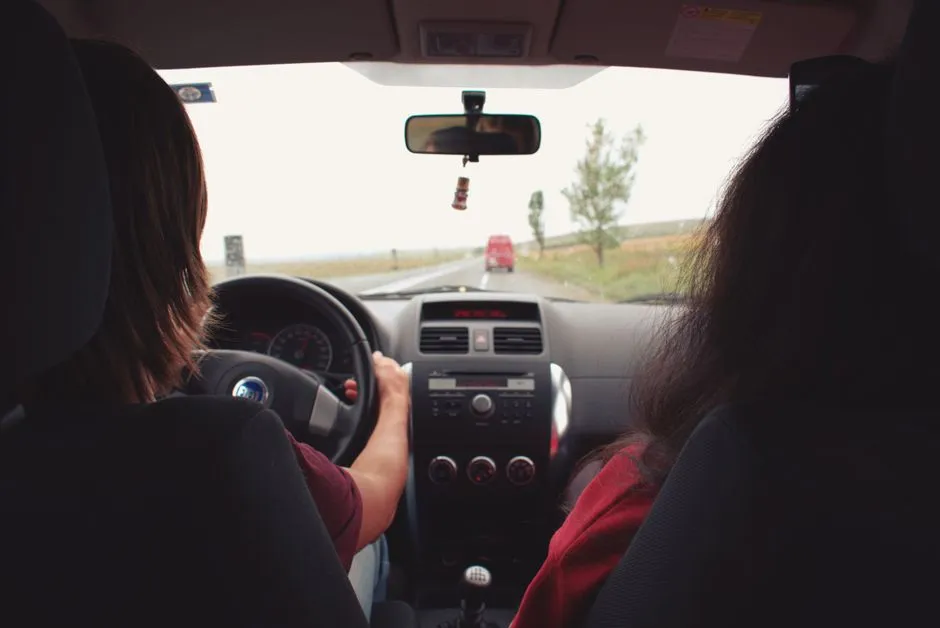
There’s no universal age at which the keys must go. There’s no set age when everyone should stop driving, because each person is genuinely different. What matters is honest, ongoing attention to how driving ability is actually changing, not assumptions based on a birthday.
The conversation about the car keys is ultimately a conversation about safety, dignity, and planning ahead. It goes better when it happens early, involves a doctor, focuses on specific observed changes rather than generalizations, and pairs any discussion of stopping driving with a genuine plan for what comes next. The goal isn’t to take something away. It’s to make sure that independence, in whatever form, continues safely.
AI Disclaimer: This article was created with the assistance of AI tools and reviewed by a human editor.