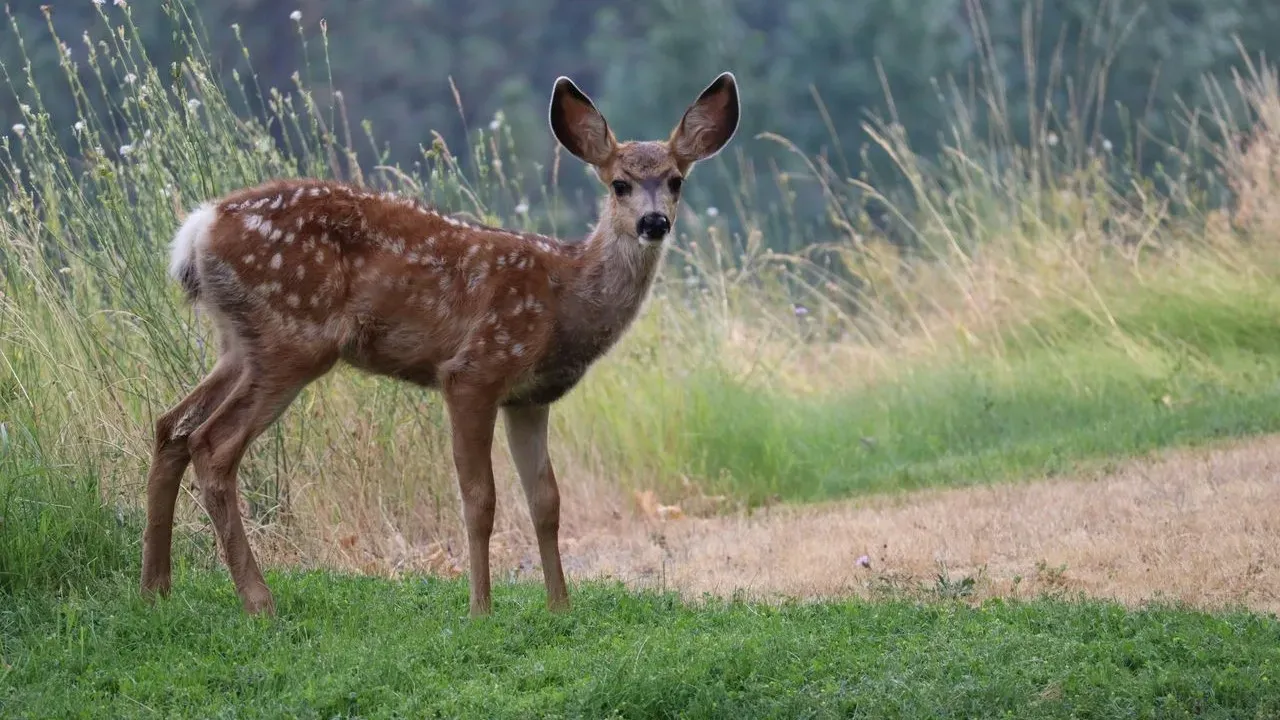

Los Angeles – A Superior Court judge this week dismissed every claim in a lawsuit aimed at blocking the Catalina Island Conservancy from carrying out its state-approved plan to remove the island’s roughly 2,000 nonnative mule deer. The decision removes the final legal obstacle and allows the organization to move forward with an effort that has already been approved by state regulators. Catalina is now the last of the Channel Islands to take this step toward restoring its native landscape. ([1])
What the Ruling Changes
The dismissal ends months of litigation that had threatened to delay or derail the project. With the claims rejected, the Conservancy can proceed without further court intervention on the core issues raised by the challengers. The ruling signals that the legal arguments presented did not meet the threshold needed to halt a plan already vetted by state authorities. The decision also underscores the strength of the administrative process that led to the plan’s approval. State agencies had reviewed the proposal and granted the necessary permits before the lawsuit was filed. The court’s action effectively affirms that those reviews were sufficient.
The Scale of the Effort
The plan targets the entire mule deer population on the island, estimated at about 2,000 animals. These deer are not native to Catalina and were introduced decades ago. Their presence has altered the island’s vegetation in ways that conservationists say prevent native plants from thriving. Removing every individual requires careful planning and coordination. The Conservancy has indicated it will use methods that comply with all applicable regulations and animal-welfare standards. The goal remains giving the island’s native landscape the chance to recover without the ongoing pressure from the nonnative herd.
Why Catalina Matters
As the final Channel Island to address its nonnative deer population, Catalina’s action completes a broader regional effort. Other islands in the chain have already undertaken similar removals, creating a consistent approach across the archipelago. The Conservancy has described the project as essential for long-term habitat health. The island’s unique ecology makes the outcome particularly significant. Native plants and animals that evolved without large herbivores now face fewer obstacles once the deer are gone. Restoration work can then focus on reestablishing species that have been suppressed for generations.
Next Steps for the Conservancy
With the lawsuit resolved, the organization can finalize operational details and begin implementation. Public updates are expected as the project moves from planning into active phases. The Conservancy has emphasized its commitment to transparency throughout the process. Observers note that similar efforts on neighboring islands provide a roadmap, though each location presents its own logistical challenges. Success on Catalina would mark the end of a long-running management issue and open a new chapter for the island’s natural systems.
AI Disclaimer: This article was created with the assistance of AI tools and reviewed by a human editor.