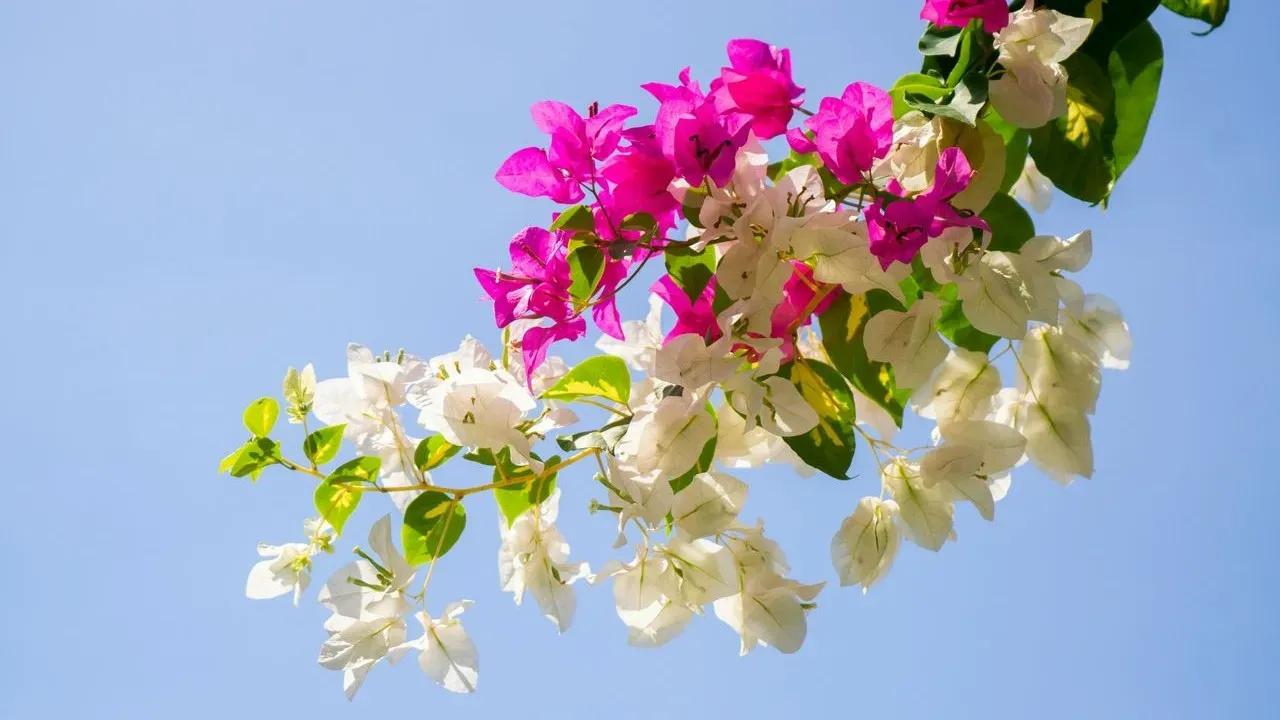

Bougainvillea stands out among garden plants for its intense visual presence. Gardeners often turn to this vigorous vine when they want to add dramatic color without extensive redesigns. Its bright bracts can shift the entire mood of a space from ordinary to striking. The effect is especially noticeable in yards that lack variety or seasonal interest. ([1])
The Immediate Visual Shift
Few plants deliver such concentrated color over long periods. The bracts appear in vivid shades that catch the eye from a distance and hold attention up close. This quality makes bougainvillea particularly useful in areas where other flowering plants fade quickly or require frequent replacement. The vine’s growth habit adds another layer of interest. It climbs readily over structures, creating living walls of color that change with the light throughout the day. Even a single well-placed specimen can anchor an entire corner of a garden and draw the eye away from less appealing features.
Practical Ways to Use the Vine
Bougainvillea adapts to several common landscaping situations. It works well when trained along fences or pergolas, where its cascading habit softens hard lines. In containers it remains more contained while still providing height and color on patios or entryways. Some gardeners allow it to sprawl as informal ground cover on slopes, where its dense growth helps reduce erosion and maintenance. Others combine it with neutral foliage plants so the bright tones stand out even more. These approaches keep the focus on the vine’s natural strengths rather than elaborate arrangements.
Why the Color Lasts and Matters
The plant’s bracts remain colorful for weeks or months in suitable conditions, offering extended impact compared with many seasonal flowers. This reliability appeals to homeowners who want consistent results without constant replanting. Beyond appearance, the vine contributes to a sense of enclosure and privacy when grown on trellises. It also attracts pollinators during bloom periods, adding subtle activity to the garden. These secondary benefits reinforce its value in both small urban plots and larger suburban landscapes.
Planning for Long-Term Success
Successful placement starts with matching the vine’s growth pattern to the available space. Over time, a single plant can cover significant area, so initial positioning matters. Regular pruning keeps the display tidy and encourages fresh blooms without overwhelming nearby features. Many gardeners find that the plant rewards consistent attention with repeated flushes of color. The result is a garden that feels more alive and intentional, even when the surrounding design remains simple. This combination of bold color and manageable care explains why bougainvillea continues to appear in landscapes seeking lasting visual interest.
AI Disclaimer: This article was created with the assistance of AI tools and reviewed by a human editor.