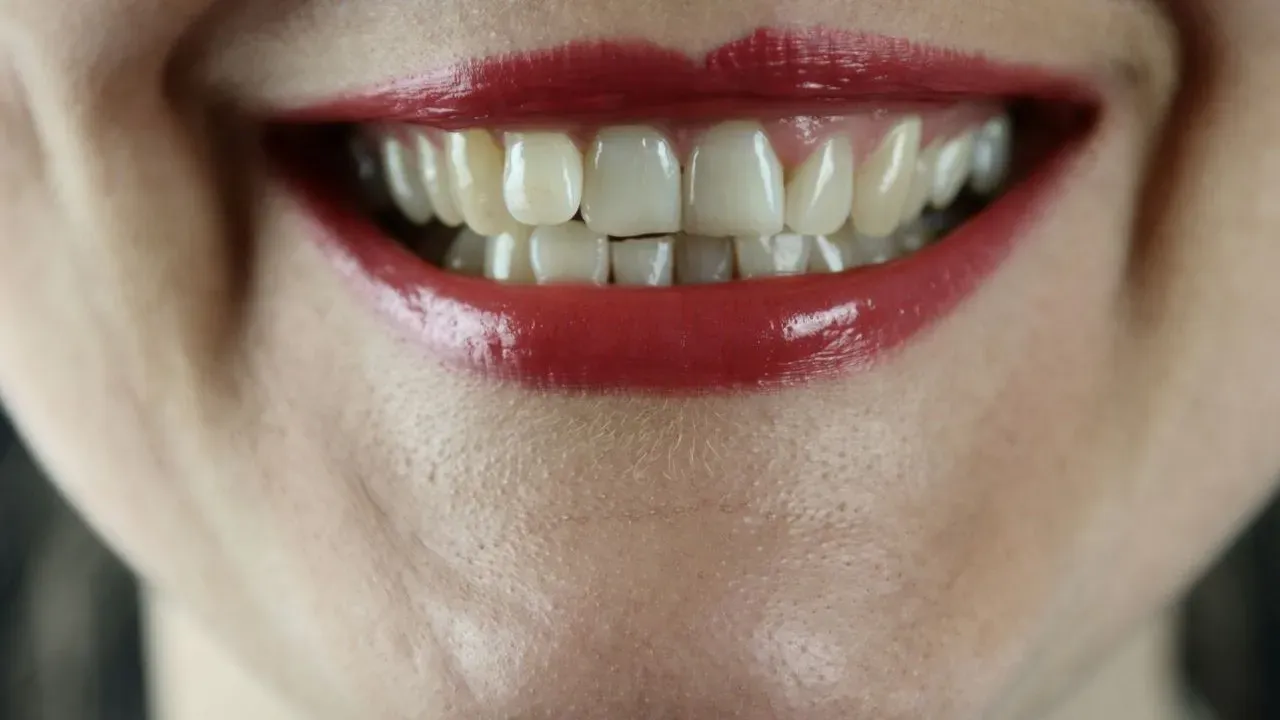

The mouth hosts its own distinct community of microbes, and growing attention to this oral ecosystem marks the latest shift in wellness thinking after years of focus on gut and skin bacteria. Common habits such as daily antiseptic rinses may remove helpful organisms along with the harmful ones, potentially leaving the mouth less resilient. Evidence now links the oral environment to digestive health, prompting a closer look at routines that once seemed routine. ([1])
Links Between Oral and Digestive Microbes
The mouth serves as the entry point to the digestive tract, and microbes from one area can influence the other. Saliva carries oral bacteria into the stomach, where some survive the journey and interact with gut communities. Studies have noted associations between the two microbial populations, though the exact mechanisms remain under investigation. An imbalance in the mouth can therefore ripple outward, while factors such as diet and inflammation originating in the gut may affect oral tissues in return. This two-way relationship underscores why oral care is increasingly viewed as part of a broader health picture rather than an isolated concern. Health remains interconnected, and the mouth offers one visible window into that larger system.
Factors That Can Disrupt Oral Balance
Several everyday influences can tilt the mouth’s microbial community away from equilibrium. Inadequate cleaning allows plaque to accumulate along the gumline and between teeth, raising the chance of inflammation. Frequent intake of sugary foods or drinks supplies fuel for certain bacteria, repeatedly exposing tooth surfaces to acid. Reduced saliva flow, whether from medications or dehydration, removes a natural buffer that helps neutralize acids and wash away debris. Stress, poor sleep, smoking, and hormonal shifts can compound these effects indirectly. The result in the short term may include bad breath, dryness, or discomfort, while longer-term imbalances have been tied to gum disease and tooth decay.
Why Many Mouthwashes Fall Short
Alcohol-based rinses often target all bacteria indiscriminately, eliminating both odor-causing and beneficial strains. Artificial flavors and sugars added to mask the taste can further irritate tissues rather than soothe them. The outcome is a cleaner-feeling mouth that may actually leave the microbial environment less stable over time. The goal, experts note, is not to wipe out bacteria entirely but to support a balanced environment that lowers the risk of plaque-related problems. “The aim is to maintain a healthy oral environment and reduce the risk of plaque-related disease, rather than eliminate all bacteria,” one specialist has observed. Products containing fermentation-derived ingredients such as Lactobacillus ferment are being examined as gentler alternatives that may encourage helpful microbes instead.
Practical Steps Toward Better Oral Microbial Health
Consistent brushing twice daily with fluoride toothpaste for two minutes each session remains foundational, along with daily cleaning between teeth. Regular dental visits for examinations and professional cleanings help catch early shifts before they become entrenched. Limiting repeated sugar exposure, rinsing with water after acidic items, and avoiding immediate brushing after such foods can protect the existing balance. Adequate hydration supports saliva production, while emerging interest centers on specific live microbial strains that may complement these habits. The emphasis stays on steady, measured adjustments rather than dramatic overhauls. Oral care is evolving from a focus on elimination toward one of cultivation, much like tending a small garden where diversity matters more than sterility. As research continues, the mouth microbiome offers a reminder that small daily choices can influence systems far beyond the teeth and gums.
AI Disclaimer: This article was created with the assistance of AI tools and reviewed by a human editor.